Amir Mahmud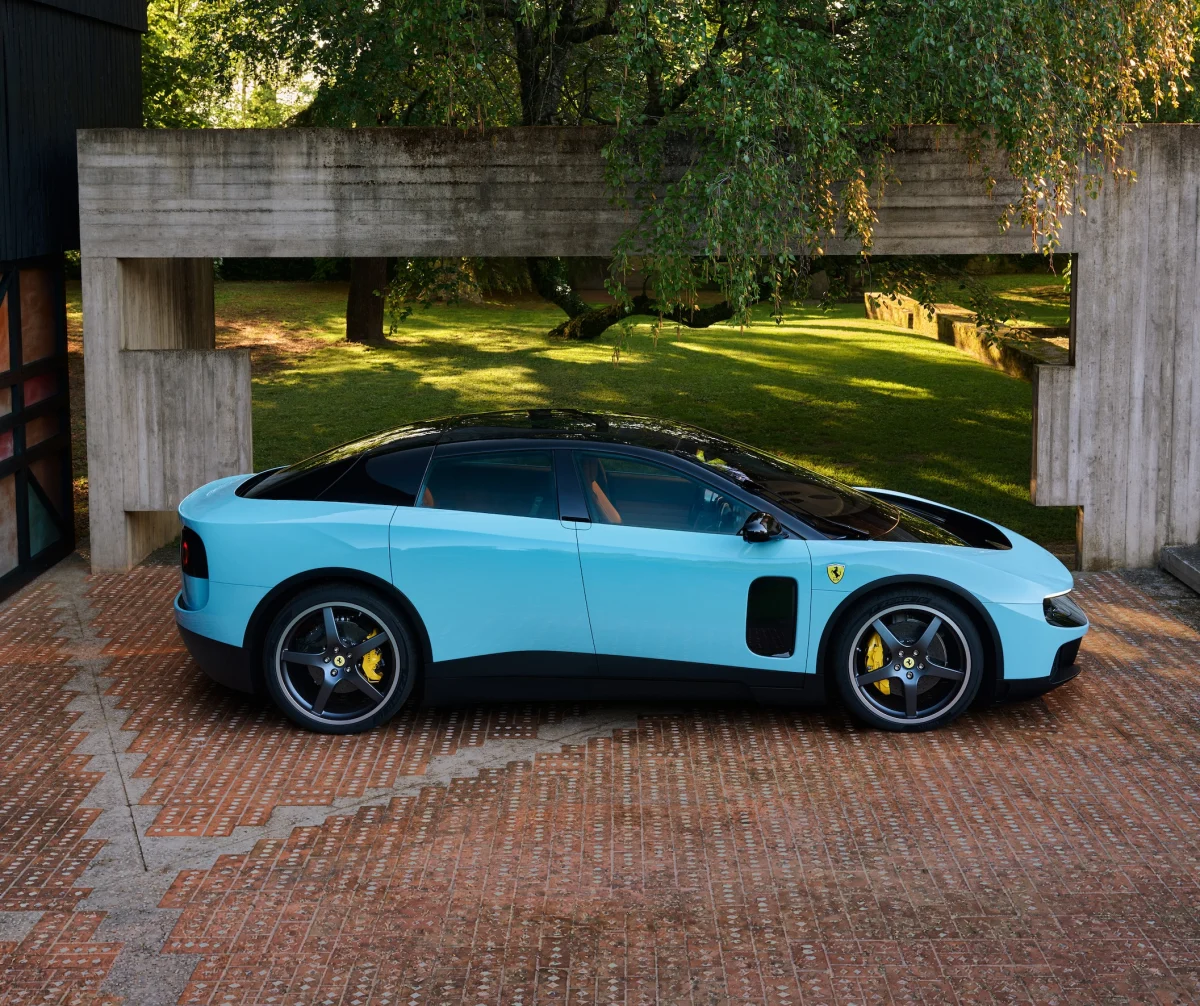
The unveiling of Ferrari’s inaugural fully electric vehicle, the Luce, in May, ignited a firestorm of online debate and skepticism, challenging the revered Italian marque’s bold venture into electrification. Despite an immediate dip in the company’s stock value and a torrent of negative commentary from automotive enthusiasts and even former executives, initial sales figures reveal a stunning reversal of fortunes, proving that Ferrari’s loyal customer base and strategic market positioning have once again defied conventional wisdom. The Maranello-based automaker achieved its ambitious annual sales target for the Luce within a mere two months, signaling a powerful endorsement of its electric future.
The Electric Prancing Horse Takes Flight
The automotive industry stands at a pivotal juncture, rapidly transitioning towards an electric future driven by environmental regulations, technological advancements, and shifting consumer preferences. For heritage brands like Ferrari, synonymous with roaring internal combustion engines, this shift presents a unique challenge: how to embrace electrification without diluting a brand identity forged over decades of high-octane performance and auditory drama. While competitors such as Porsche successfully introduced the Taycan and Lotus launched the Eletre SUV, and even Lamborghini unveiled its Lanzador concept, Ferrari’s move was watched with bated breath, given its deeply ingrained purist following. The Luce represents not merely an addition to Ferrari’s lineup, but a symbolic leap into an era that many believed would be antithetical to the very essence of the Prancing Horse.
Ferrari’s journey toward electrification has been a deliberate and measured one, punctuated by hybrid models that served as crucial stepping stones. The LaFerrari, introduced in 2013, was a groundbreaking hypercar that seamlessly integrated an electric motor with its V12 engine, showcasing the performance benefits of hybrid technology. This was followed by the SF90 Stradale, Ferrari’s first series-production plug-in hybrid, which further demonstrated the brand’s commitment to leveraging electric power for enhanced performance and efficiency. These models, while still retaining powerful gasoline engines, laid the groundwork for a fully electric future, allowing Ferrari to incrementally introduce its clientele to the potential of electric propulsion. This careful, iterative approach contrasts sharply with some brands that plunged headfirst into EVs, reflecting Ferrari’s deep respect for its heritage and its customers’ expectations.
Initial Skepticism and Market Backlash
When the Luce made its global debut, the initial public reception was anything but celebratory. The internet, a potent echo chamber for both praise and criticism, quickly amplified a wave of disparaging remarks. Critics were quick to point out its distinctive wedge-shaped profile, drawing unflattering comparisons to more prosaic electric vehicles like the Nissan Leaf – a stark juxtaposition that seemed designed to provoke. There were widespread predictions that emerging Chinese EV manufacturers, known for their rapid innovation and aggressive pricing strategies, would swiftly outclass the Luce in both performance and affordability. The chorus of disapproval even included a notable voice from Ferrari’s past, former chairman Luca Cordero di Montezemolo, whose public skepticism underscored the depth of concern among traditionalists. This collective apprehension translated into tangible financial consequences, with Ferrari’s stock experiencing an 8% decline on the day following the reveal, as investors seemingly bought into the narrative of a potential misstep. The prevailing conclusion among many armchair automotive experts was that the Luce was destined to be a commercial failure.
A Design Pedigree: Jony Ive’s Influence
Central to the Luce’s distinctive aesthetic and its subsequent debate was the involvement of Jony Ive and his design firm, LoveFrom. Ive, celebrated for his transformative work at Apple, brought his minimalist, user-centric design philosophy to the automotive realm, a move that stirred both excitement and controversy. The Luce, a five-seater vehicle, represents a departure from Ferrari’s traditional two-seater or 2+2 configurations, signaling a potential shift towards a more practical, albeit still ultra-luxury, offering. Ive’s design language, characterized by clean lines, seamless integration, and an emphasis on user experience, aimed to reinterpret Ferrari’s iconic visual cues for the electric age. This approach, while innovative, inevitably challenged purists who hold a rigid vision of Ferrari’s aesthetic, often rooted in historical models. The subjective nature of design means that what one perceives as futuristic and elegant, another might view as a dilution of an established identity. The online backlash, largely centered on the Luce’s appearance, highlighted the difficulty of translating a radical new design, particularly for a brand with such a revered visual heritage, through the flat, often unforgiving lens of digital images.
Strategic Market Positioning: The Allure of China
The swift sales success of the Luce was not a random occurrence but a testament to Ferrari’s astute understanding of its global market, particularly the burgeoning luxury segment in China. Reports indicate that a significant portion, potentially around 20%, of the initial production run of just under 500 units, is earmarked for the Chinese market. This allocation is highly strategic, as the Luce appears tailor-made to appeal to the specific preferences of affluent Chinese consumers. The Chinese luxury automotive market has shown a strong inclination towards fast, technologically advanced, and sleek four-door electric vehicles that offer both prestige and practicality. The Luce’s five-seater configuration directly addresses a demand for more spacious and versatile premium vehicles, which is often a priority in this demographic. For Chinese buyers, a Ferrari represents not just performance, but also a symbol of status and cutting-edge innovation. The brand’s deep heritage combined with a forward-looking electric design creates a compelling proposition in a market that is rapidly embracing high-end EVs as the ultimate expression of modern luxury.
The Power of Brand Loyalty and Exclusivity
Ferrari’s unparalleled brand loyalty and the inherent price insensitivity of its clientele proved to be decisive factors in the Luce’s rapid sell-out. The company reported selling over 13,000 vehicles last year, an impressive figure for an automaker dealing exclusively in six-figure, ultra-luxury cars. Ferrari buyers are not typical consumers; they are often collectors, enthusiasts who own multiple models, and for whom the acquisition of a new Ferrari is an experience, not merely a transaction. For this exclusive group, the "prancing horse" badge carries an almost mythical significance, representing a heritage of racing prowess, exquisite craftsmanship, and aspirational luxury. The price tag of €555,000 (approximately $630,000) for the Luce, while staggering to most, falls within the expected range for a top-tier Ferrari, making it a non-issue for its target demographic. The desire to own the "first electric Ferrari" likely tapped into both the collector’s mentality and the intrinsic appeal of exclusivity, demonstrating that for a brand like Ferrari, the emotional connection and aspirational value far outweigh transient market criticisms.
Driving Towards an Electric Future: Ferrari’s Evolving Legacy
The early reviews of the Luce further underscore its success, consistently affirming that despite its electric powertrain, it unequivocally delivers a quintessential Ferrari driving experience. This is a critical point, as the core promise of a Ferrari, regardless of its propulsion method, has always been an unparalleled blend of performance, handling, and emotional engagement. The engineering prowess behind ensuring an EV can still evoke the "feel" of a Ferrari—its responsiveness, the precision of its steering, and its dynamic capabilities—is paramount. This success signals that Ferrari is not merely slapping its badge on an electric platform but is meticulously crafting an EV that upholds its legendary performance standards. The Luce’s triumph provides a powerful blueprint for Ferrari’s continued expansion into electrification, suggesting that future electric models will also find a receptive audience, provided they maintain the brand’s core values of innovation, performance, and exclusivity.
Beyond the Hype: Analytical Perspectives
The initial negative reaction to the Luce highlights a recurring tension in the luxury automotive world: the delicate balance between preserving an iconic heritage and embracing necessary innovation. Online communities, often dominated by purists, tend to resist significant deviations from established norms, particularly when it involves fundamental changes like electrification or new body styles. However, the market, driven by affluent consumers with diverse preferences, often tells a different story. The Luce’s success demonstrates that while traditionalists may lament the perceived loss of a certain "soul," a substantial segment of the ultra-luxury market is eager for cutting-edge technology and sustainable options, especially when wrapped in the prestige of a Ferrari. This dichotomy underscores the challenges faced by legacy brands in navigating the digital age, where instant, often superficial, judgments can quickly form a prevailing narrative, even if it ultimately proves to be inaccurate. Ferrari’s ability to transcend this initial backlash and achieve its sales targets so rapidly speaks volumes about the enduring power of its brand and its capacity to adapt without compromising its allure.
The rapid success of the Ferrari Luce serves as a compelling case study in the evolving landscape of the luxury automotive market. It demonstrates that even for brands steeped in tradition and defined by their internal combustion legacy, a well-executed pivot to electric vehicles can not only be successful but can also invigorate the brand. By marrying Jony Ive’s forward-thinking design with strategic market targeting, particularly in China, and leveraging its unparalleled brand loyalty, Ferrari has not just weathered the storm of skepticism, but has emerged with a resounding validation of its electric strategy. The Luce is more than just an electric car; it is a declaration that the Prancing Horse is ready to gallop into the future, electrified, yet unmistakably Ferrari.







 Azin Asro