Amir Mahmud
The landscape of online influence is undergoing a profound transformation, with industry leaders and creators alike declaring that the once-paramount metric of social media follower counts is rapidly diminishing in relevance. This seismic shift is largely attributed to the increasing dominance of sophisticated algorithms that dictate content visibility, fundamentally altering how digital content reaches its intended audience. In an era where a post by a subscribed creator is no longer guaranteed to appear in a follower’s feed, the focus for monetizing online presence is pivoting from sheer audience size to the depth of engagement and authentic connection.
The Evolution of Digital Influence: From Broad Reach to Targeted Engagement
For years, the success of an online personality or "influencer" was almost exclusively measured by the number of followers they commanded across platforms like Instagram, YouTube, and TikTok. A high follower count signaled reach, potential advertising revenue, and a seemingly direct line to a captive audience. Brands eagerly poured marketing budgets into campaigns with creators boasting millions of followers, assuming that such a vast audience would translate directly into consumer eyeballs and, ultimately, sales. This paradigm fueled a relentless pursuit of follower acquisition, often leading to strategies that prioritized quantity over quality, sometimes even involving artificial means of boosting numbers.
The historical trajectory of social media, from its nascent stages as a tool for personal connection to its evolution into a massive commercial and cultural force, has always been dynamic. Early platforms offered chronological feeds, ensuring that content from followed accounts was seen. This created a straightforward relationship: follow a creator, see their content. Brands quickly recognized the power of this direct access, giving rise to the influencer marketing industry as we know it. However, as platforms matured and the volume of content exploded, the user experience began to suffer from overload. This paved the way for the algorithmic revolution.
The Algorithm’s Ascendancy: A New Gatekeeper
The turning point, according to many in the creator economy, solidified around 2025, when algorithmic feeds became the undisputed gatekeepers of content distribution. Amber Venz Box, CEO of LTK, a prominent affiliate marketing platform connecting creators with brands, articulated this shift, stating, "I think that 2025 was the year where the algorithm completely took over, so followings stopped mattering entirely." This sentiment is echoed by long-time industry observers like Patreon CEO Jack Conte, who has consistently highlighted the challenges creators face in reaching their own audiences on major platforms that prioritize engagement metrics over direct subscriptions.
Modern algorithms, epitomized by TikTok’s "For You" page or Instagram’s Explore feed, are designed to serve users content they are most likely to engage with, regardless of whether they follow the creator. This system prioritizes novelty, virality, and immediate interaction, rather than simply delivering content from subscribed channels. While this can be a boon for discoverability, allowing new voices to quickly gain traction, it simultaneously fragments the relationship between established creators and their loyal fan bases. Content creators now find themselves in a perpetual struggle against an opaque system, where their carefully crafted work may never reach their dedicated followers unless the algorithm deems it worthy of broader distribution.
Redefining Trust and Marketing in an AI Era
This algorithmic dominance, paradoxically, has led to a re-evaluation of what truly drives consumer engagement and purchasing decisions. For companies like LTK, whose business model hinges on creators recommending products for commission, the integrity of the creator-audience relationship is paramount. A fragmented audience means a fragmented trust, which could pose an existential threat to affiliate marketing.
However, a recent study commissioned by LTK through Northwestern University presented a surprising finding: trust in creators actually increased by 21% year-over-year. This counter-intuitive trend suggests that in a digital landscape increasingly saturated with AI-generated content and generic "slop," consumers are actively seeking out authentic human voices. Box observed, "If you asked me at the beginning of 2025, ‘Hey, is trust in creators going to go up or down?’ I would have probably said down, because people understand it’s an industry – they understand how it’s working. But actually, AI pushed people to kind of rotate trust to real humans that they know have real life experiences."
This shift indicates a growing consumer discernment. Faced with an onslaught of potentially inauthentic or algorithmically optimized content, individuals are gravitating towards creators they perceive as genuine, relatable, and trustworthy. This renewed emphasis on authenticity is reflected in market trends, with 97% of chief marketing officers reportedly planning to increase their influencer marketing budgets. However, the nature of these investments is likely shifting from simply buying reach based on follower counts to investing in creators who can demonstrate genuine connection and influence within specific niches. The challenge now lies in cultivating and owning these relationships directly, moving beyond the whims of platform algorithms.
Innovative Strategies for Audience Engagement
In response to these shifting dynamics, creators and their strategists are developing novel approaches to cut through the algorithmic noise and connect with audiences. These strategies range from fostering direct, paid fan communities to leveraging unconventional distribution methods.
The Rise of "Clipping Armies"
One notable tactic gaining traction among top-tier creators is the deployment of "clipping armies." As described by Eric Wei, co-founder of Karat Financial, a financial services company for creators, this involves creators paying legions of often teenage fans, usually organized on platforms like Discord, to create short, engaging clips from their longer content. These "clippers" then post these micro-segments en masse across various algorithmic platforms.
This strategy capitalizes on the very nature of algorithmic feeds. Since these algorithms prioritize engaging content regardless of its source, a well-made clip from any account can go viral, exposing a wider audience to the original creator. Wei notes that this practice is not new, citing major figures like Drake and top Twitch streamer Kai Cenat as early adopters. "If it’s algorithmically determined, clipping suddenly makes sense, because it can come from any random account that just has really good clips," Wei explains. This distributed content model allows creators to "flood the zone," increasing their surface area for discovery without solely relying on their main channels. Clippers benefit by earning money based on the views their posts generate, creating a mutually beneficial ecosystem.
However, the long-term viability and impact of clipping armies remain a subject of debate. Glenn Ginsburg, president of QYOU Media, views it as an evolution of "meme accounts," highlighting the competitive aspect among creators to maximize views on the same intellectual property. Reed Duchscher, CEO of Night, a talent management company representing creators like Kai Cenat and formerly MrBeast, acknowledges its importance for visibility but expresses reservations about its scalability. "It’s also very hard to get to scale, because there’s only so many clippers on the internet," Duchscher points out, suggesting potential complications for large media budgets. The concern also exists that if clipping becomes too widespread, it could be perceived as spam, contributing to the very "slop" problem creators are trying to combat.
The Power of Niche: Specialization in a Fragmented World
Beyond tactical distribution, a more fundamental shift is occurring in the type of creators who are finding success: those with highly specialized niches. Sean Atkins, CEO of Dhar Mann Studios, a short-form video production company, frames the challenge as, "In a world that’s driven by AI and algorithms, where people trust another human being more in this micro atomization of attention, how do you market when you sort of can’t control that?" The answer, increasingly, lies in deep specialization.
Duchscher predicts that the era of "macro creators" like MrBeast or PewDiePie, who appeal to a vast, general audience, will become exceedingly difficult to replicate. Instead, algorithms, being hyper-efficient at delivering highly specific content, favor creators who cater to precise interests. Examples like beauty influencer Alix Earle or the survivalist channel Outdoor Boys, who command millions of followers within their defined spheres, illustrate this trend. "Algorithms have gotten so good at giving us exactly the content we want. It’s much harder for a creator to break out into every niche algorithm," Duchscher explains.
This emphasis on niche extends far beyond traditional entertainment. Atkins stresses that viewing the creator economy solely through an entertainment lens is a mistake. "It’s going to affect everything," he asserts, comparing its pervasive impact to that of the internet or artificial intelligence. He cites Epic Gardening, a YouTube channel that started with gardening content and has since acquired the third-largest seed company in the United States, as a prime example of a creator leveraging their specialized influence to build a tangible, real-world business. This demonstrates how deep expertise, shared authentically, can translate into significant commercial ventures that transcend digital platforms.
Navigating the "Slop" and Seeking Authenticity
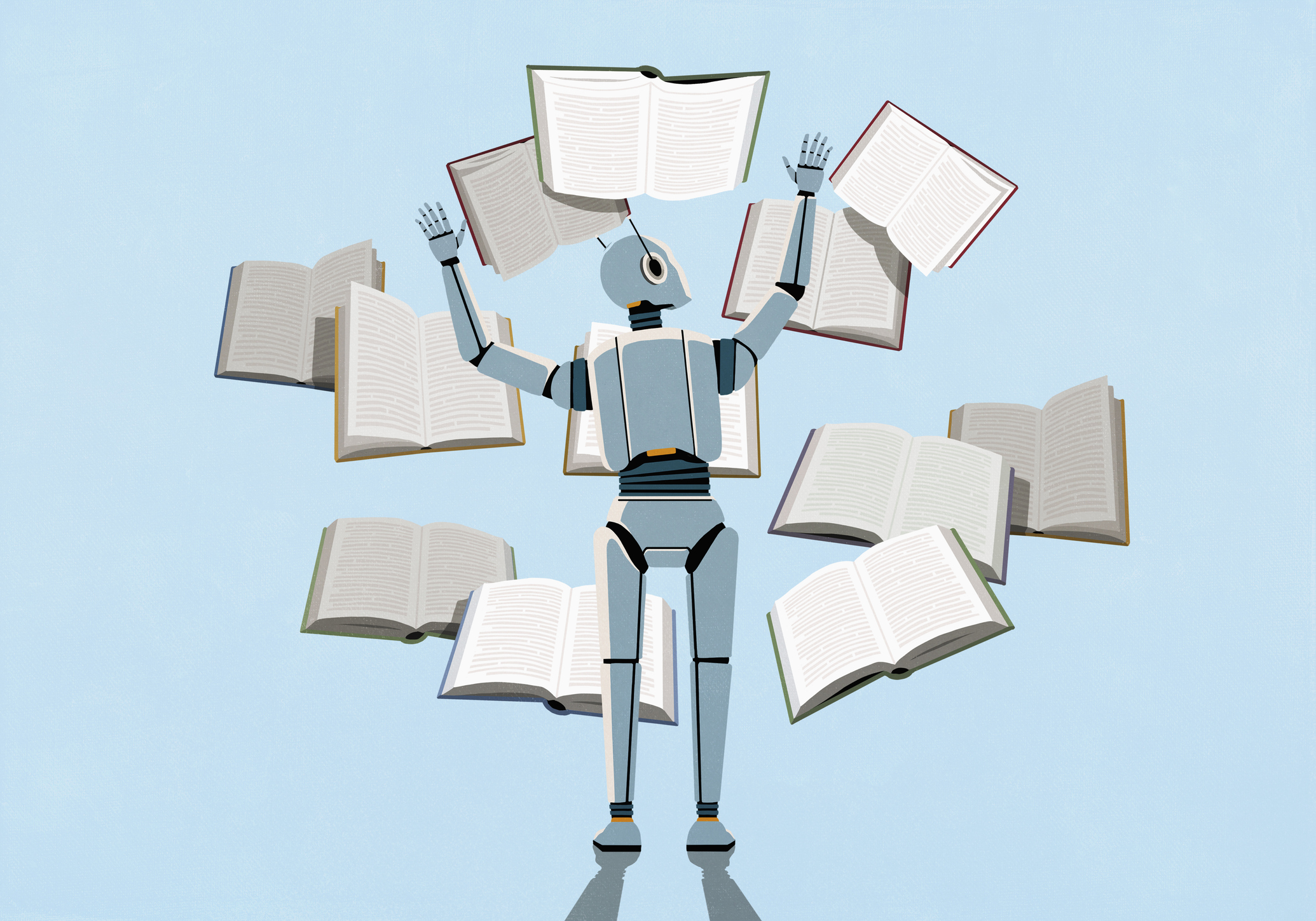
The proliferation of low-quality, often AI-generated content, colloquially termed "slop," has become such a pervasive issue that Merriam-Webster named it the word of the year in 2025. This cultural recognition underscores the widespread frustration with the diluted content experience on mainstream social media.
This environment of "slop" further fuels the desire for authentic human connection. Box notes that a significant majority of people (over 94%) feel that social media is no longer truly "social," leading over half of them to seek out smaller, more niche communities where genuine interaction is possible. Platforms like Strava (for athletes), LinkedIn (for professionals), and Substack (for writers and thought leaders) are gaining traction precisely because they offer more direct, less algorithm-mediated engagement within specific interest groups. These platforms prioritize community, expertise, and direct communication, offering a refuge from the broad, often superficial feeds of larger social networks.
The Resilient Future of the Creator Economy
Despite these challenges and ongoing shifts, the creator economy remains remarkably resilient and adaptable. Its participants, from individual content producers to the executives building platforms around them, have a long history of navigating technological changes and the unpredictable whims of algorithms. The current re-evaluation of follower counts is not a death knell but rather an evolution, pushing the industry towards more sustainable, authentic, and specialized models of influence.
The future of digital influence appears to lie not in the quantity of followers, but in the quality of connection, the depth of niche expertise, and the ingenuity with which creators can foster and monetize genuine human trust. As Atkins aptly concludes, creators are "literally impacting everything," from entertainment to highly specialized industries, proving that true expertise and authentic engagement will always find an audience, regardless of how the digital winds shift.