Amir Mahmud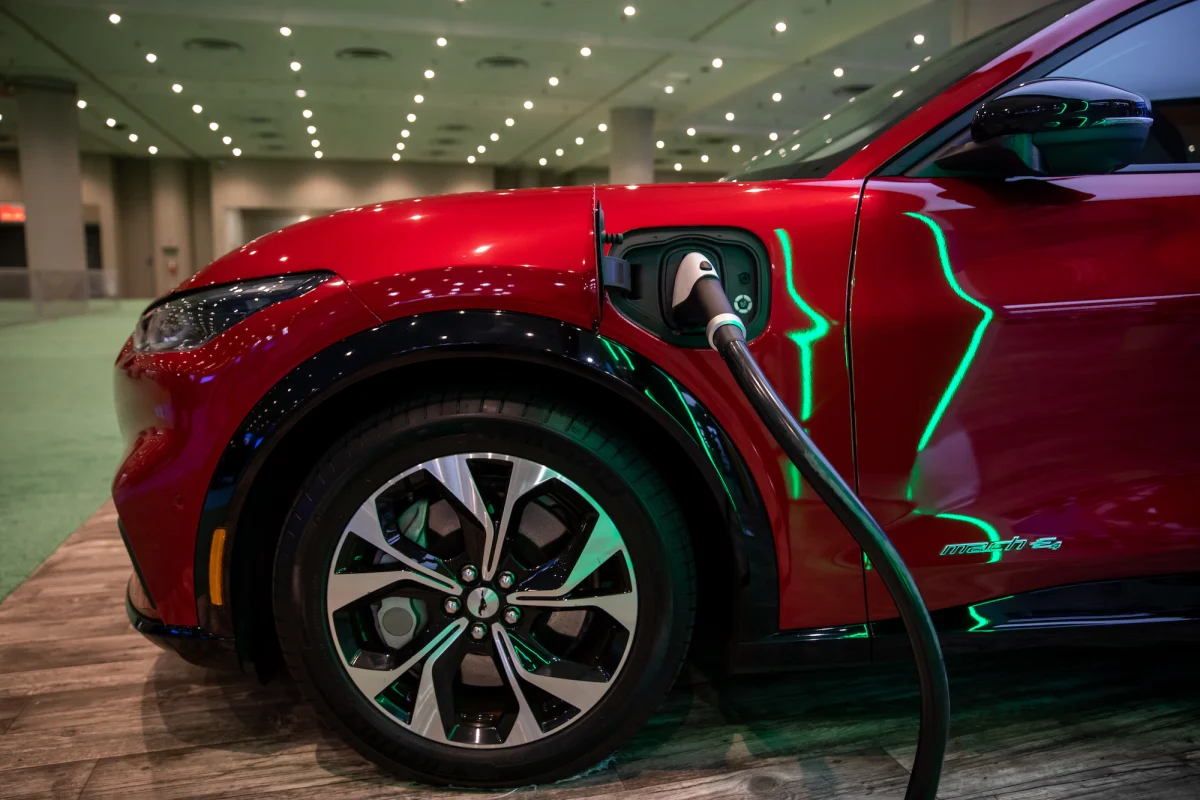
A significant shift is underway within the boardrooms of America’s leading automotive manufacturers, General Motors and Ford, as their public discourse around electric vehicles (EVs) has measurably diminished. Just a few years ago, both companies were vocal champions of an all-electric future, committing billions to transform their operations and product lines. However, recent analysis reveals a marked decline in the frequency and prominence of EV discussions during their crucial quarterly earnings calls with investors, signaling a strategic recalibration in response to evolving market dynamics and policy shifts.
The Initial Charge: A Vision of Electrified Dominance
The enthusiasm for electric vehicles reached a crescendo in the early 2020s, fueled by ambitious climate targets, technological advancements, and the undeniable success of trailblazers like Tesla. For legacy automakers, the pivot to EVs represented not merely an environmental imperative but a competitive necessity and a pathway to reinvention. General Motors, in particular, made bold pronouncements, pledging an "all-electric future" by 2035 and investing heavily in its proprietary Ultium battery platform, designed to underpin a diverse range of electric models from compact cars to heavy-duty trucks. Its early foray with the Chevrolet Bolt EV in 2016 showcased a proactive stance, even preceding Tesla’s mass-market Model 3 deliveries. GM’s ambition extended to electrifying its luxury Cadillac brand and launching high-profile electric vehicles like the GMC Hummer EV, signaling a comprehensive overhaul of its portfolio.
Ford, while initially more cautious, rapidly accelerated its electrification plans. The launch of the Mustang Mach-E in late 2019 demonstrated its willingness to infuse an iconic brand with electric power, challenging perceptions of what an EV could be. This was followed by the critically important F-150 Lightning in 2021, electrifying America’s best-selling vehicle and signaling Ford’s commitment to bringing EVs to the heart of the mainstream market. Ford established a dedicated EV division, "Model e," to foster innovation and accelerate development, underscoring its belief in a distinct electric future. The backdrop to these ambitious plans included a supportive regulatory environment under the Biden administration, which championed federal investments in charging infrastructure, manufacturing credits, and policies aimed at bolstering the domestic battery supply chain. This period saw both GM and Ford dedicating substantial portions, often around a quarter to a third, of their investor calls to detailing their EV strategies, investments, and anticipated market penetration.
Unveiling the Rhetorical Shift: Data-Driven Insights
The subtle, yet significant, shift in corporate focus has been brought to light by a collaborative analysis conducted by TechCrunch and Hudson Labs, a New York-based financial research firm. Utilizing Hudson Labs’ AI-powered Co-Analyst tool, researchers meticulously examined transcripts from the last seven years of quarterly earnings calls for both General Motors and Ford. This advanced AI research tool, purpose-built for high-precision financial analysis, assigned topic tags to each sentence, allowing for an accurate count of topic frequency and the overall share of discussion dedicated to specific subjects, including electric vehicles. The findings revealed a clear trend: both automotive giants are now discussing EVs at a notably lower rate than they did during the peak of their electrification announcements and before the global pandemic. This data-driven insight offers a window into the evolving strategic priorities and investor narratives of these industry titans.
Earnings calls serve as critical barometers of corporate strategy, as they represent formal communications designed to inform and reassure shareholders about future performance and investment direction. A reduction in the emphasis on a particular topic like EVs suggests that while the commitment may still exist, its immediate prominence in the investment thesis has diminished, making way for other areas of discussion or a more tempered approach.
General Motors: From Lofty Targets to "Quality Over Quantity"
General Motors’ journey into the EV space has been particularly dynamic. Having debuted the Bolt EV in 2016, GM was ahead of many competitors in bringing a mass-market electric vehicle to consumers. Its subsequent commitments, including the 2035 all-electric pledge and massive investments in its Ultium platform starting around 2019-2020, positioned the company as a leader in the transition. During 2020, EV references surged, accounting for roughly a third of GM’s earnings call discussions, often exceeding 100 mentions per call. This sustained focus continued through the Biden administration years, during which federal policies largely incentivized zero-emissions vehicles and supported the domestic EV ecosystem.
However, recent political and economic shifts have undeniably influenced this trajectory. A notable dip in EV discourse occurred in the first quarter of 2025, dominated by discussions around new tariffs imposed under the Trump administration, which marked a significant policy change. Following Trump’s return to office, the administration implemented policies that sharply contrasted with previous environmental incentives. These included the rollback of regulations encouraging zero-emissions vehicles and the termination of the crucial $7,500 federal tax credit for new EVs. In this new regulatory landscape, GM’s EV mentions plummeted from 82 in Q2 2025 to a mere 21 in Q2 2026.
GM spokesperson Jim Cain acknowledged the shift, stating, "quality counts more than quantity." He emphasized that "EVs are the end game," citing the strength of GM’s current EV portfolio, customer loyalty, and ongoing investments in battery technology to improve profitability. However, Cain also pointed to the expanded scope of earnings calls, which now dedicate significant time to "growth opportunities like software and services and autonomous technology," alongside complex topics such as trade, regulatory policy, operating performance, and capital allocation. This suggests a broader strategic narrative where EVs, while still foundational, are now one component within a more diversified growth story, particularly as the company navigates a less favorable policy environment and seeks immediate profitability from its electric ventures. The implication is a move from aggressive expansion to a more measured, profitable rollout aligned with market demand and political realities.
Ford: Balancing Heritage, Innovation, and Pragmatism
Ford’s electrification narrative also reflects a similar recalibration. After the successful introduction of the Mustang Mach-E and the highly anticipated F-150 Lightning, discussions around EVs became a cornerstone of Ford’s quarterly investor updates. Like GM, Ford dedicated approximately a third of its earnings call time to EVs during the Biden years, leveraging federal support for charging infrastructure and manufacturing credits. The F-150 Lightning, in particular, was a bold move, aiming to electrify a vehicle synonymous with American work ethic and internal combustion power.
However, Ford began to temper its EV discussions even before the 2024 election. By mid-2024, the company was already signaling a retreat from some of its most ambitious large-scale EV investments, pivoting instead to a "skunkworks project" that ultimately evolved into its "Universal Electric Vehicle" platform. This strategic shift suggests a move towards developing more cost-effective, modular EV architectures that can be adapted across multiple vehicle types, aiming for greater efficiency and profitability. The post-election environment further solidified this trajectory. With the Trump administration’s emphasis on protectionist trade policies, Ford CEO Jim Farley dedicated more time to discussing support for these policies and the company’s near-term focus on its higher-margin gasoline-powered F-Series trucks.
Ford spokesperson David Tovar highlighted the upcoming launch of the Universal Electric Vehicle platform, specifically mentioning a midsize pickup truck as its first product. Tovar expressed confidence that this vehicle "will hit the sweet spot of the EV market for cost, price, and technology," indicating a strategic emphasis on affordability and practicality to drive broader adoption. This perspective suggests a longer game, where mass-market acceptance relies on accessible pricing and proven utility, rather than a rapid, high-cost expansion across all segments.
Broader Implications: A Maturing EV Market or a Retreat?
The observable shift in rhetorical emphasis from two of America’s largest automakers is not merely a linguistic curiosity; it carries significant implications for the broader automotive industry, consumers, and the trajectory of global decarbonization efforts. This recalibration suggests that the initial "gold rush" phase of EV development, characterized by aggressive targets and heavy investment, is giving way to a more pragmatic, profit-driven approach.
Market Realities and Profitability Challenges: While consumer interest in EVs remains strong, the pace of mass-market adoption has been slower than some initial projections, particularly beyond early adopters. Factors such as higher upfront costs, persistent concerns about charging infrastructure availability and speed, and range anxiety continue to be barriers for many mainstream buyers. For automakers, the path to EV profitability has proven challenging, grappling with high battery material costs, significant R&D expenditures, and the need to scale production efficiently. This has led to a re-evaluation of production capacities and investment timelines.
The Role of Policy and Regulation: The analysis clearly illustrates the profound impact of government policy on corporate strategy. The contrast between the Biden administration’s supportive stance and the Trump administration’s deregulatory actions and protectionist tariffs underscores how quickly political shifts can alter the economic calculus for investing in specific technologies. The removal of key incentives, such as federal tax credits, directly impacts consumer affordability and, consequently, demand, making the business case for aggressive EV expansion less compelling in the short term.
Diversifying Growth Avenues: The comments from both GM and Ford spokespersons suggest that while EVs remain a long-term goal, the immediate focus has broadened. Investments in software-defined vehicles, autonomous driving technology, and connected services are increasingly seen as crucial revenue streams and competitive differentiators. For companies like Ford, leveraging the sustained profitability of their internal combustion engine (ICE) strongholds, such as the F-Series trucks, provides the necessary capital to fund future EV development, albeit at a more measured pace. This strategy ensures financial stability while the EV market matures.
The Future of Electrification: A Calibrated Pace
The reduction in EV-centric discourse from General Motors and Ford does not signify an abandonment of electric vehicles. Instead, it reflects a strategic pivot towards a more sustainable and profitable transition. Both companies still affirm that EVs are the "end game," but the route to that future is becoming less of a sprint and more of a marathon, marked by calculated adjustments in investment, production, and market targeting. This measured approach seeks to align technological ambition with market readiness, economic viability, and the prevailing political climate.
As the automotive industry navigates this complex landscape, the focus is shifting towards developing more affordable, versatile, and profitable EV models that truly meet broader consumer needs. The long-term trajectory toward electrification remains intact, driven by technological progress and ongoing environmental concerns, but the journey will undoubtedly be more nuanced and iterative than initially envisioned. The current recalibration by Detroit’s giants is a testament to the dynamic interplay between innovation, market forces, and the ever-present pressures of quarterly financial performance.