Azin Asro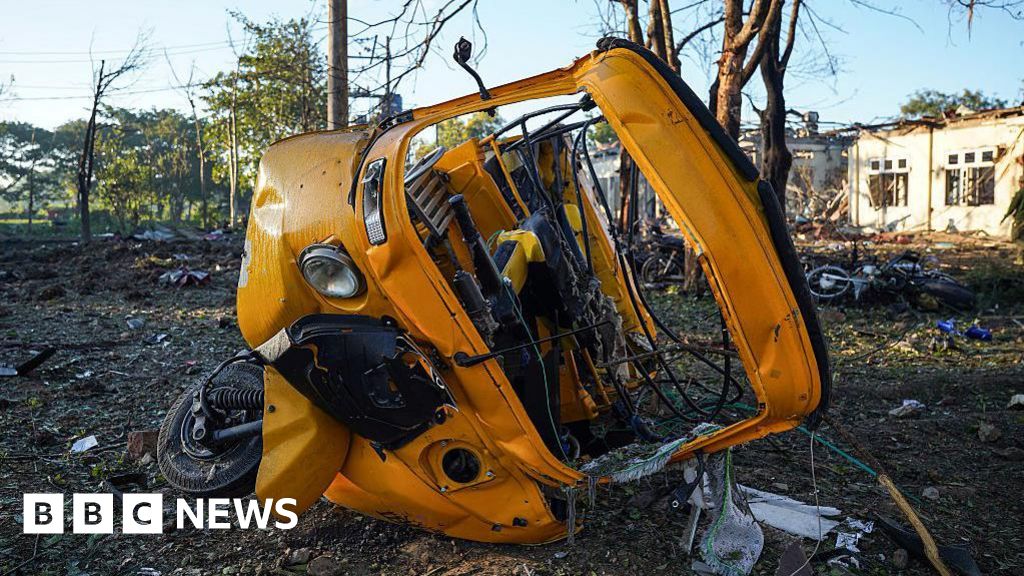
A devastating military air strike in Myanmar’s western Rakhine State has resulted in the deaths of at least 34 individuals and left dozens more injured, according to reports from ground sources. The attack, which occurred on Wednesday night, targeted a hospital situated in Mrauk-U town, an area currently under the control of the Arakan Army (AA), one of the most formidable ethnic armed organizations actively engaged in conflict with the ruling military junta. This incident marks a significant escalation in the already brutal civil war that has engulfed the Southeast Asian nation since the military seized power in a coup in February 2021.
The Attack and Immediate Aftermath
The assault took place around 9:00 PM local time (14:30 GMT), striking a medical facility that serves a civilian population already reeling from prolonged conflict and instability. Initial reports from the Arakan Army’s health department indicated that ten patients were killed instantly, with numerous others sustaining severe injuries. Social media has been inundated with images purportedly from the scene, depicting extensive damage to the hospital complex. These visuals show roofs ripped away, hospital beds shattered, and debris scattered across the grounds, painting a grim picture of the destruction.
While Myanmar’s military has yet to issue an official statement regarding the strikes, pro-military accounts on Telegram have asserted that the operations this week were not aimed at civilian targets. This claim, however, stands in stark contrast to the accounts provided by those on the ground. Khaing Thukha, a spokesperson for the Arakan Army, directly accused the military of a "vicious attack targeting civilian places," emphasizing that the majority of casualties were patients receiving medical care. He unequivocally stated that the military "must take responsibility" for the bombing of civilians, highlighting the profound humanitarian implications of such actions.
A Nation in Turmoil: The Post-Coup Landscape
The current conflict is rooted in the military coup of February 1, 2021, when the Tatmadaw (Myanmar Armed Forces) overthrew the democratically elected government led by Aung San Suu Kyi and her National League for Democracy (NLD) party. The military justified its actions by alleging widespread fraud in the November 2020 general election, claims that were largely unsubstantiated by independent observers. The coup immediately triggered widespread peaceful protests across the country, which were met with brutal force by the military, leading to mass arrests, detentions, and killings of activists and civilians.
In response to the junta’s crackdown, a nationwide resistance movement emerged. This movement coalesced into various People’s Defense Forces (PDFs) and saw a significant resurgence and strengthening of existing ethnic armed organizations (EAOs), many of whom had been engaged in intermittent conflict with the Tatmadaw for decades. The Arakan Army, operating primarily in Rakhine State, is one such powerful EAO. Following a period of relative calm, a ceasefire between the AA and the Tatmadaw broke down in late 2022, reigniting fierce clashes in Rakhine. The AA has since demonstrated remarkable strength, seizing numerous military outposts and gaining control over significant territory in the state.
The post-coup civil war has resulted in a staggering human cost. Thousands have perished, and an estimated 2.8 million people have been internally displaced, forced to abandon their homes and livelihoods in search of safety. The conflict has exacerbated existing humanitarian crises and created new ones, with access to food, shelter, and medical care becoming increasingly precarious for millions.
Escalating Military Tactics and International Implications
In recent months, the Tatmadaw has intensified its air campaign as a critical component of its strategy to regain lost territory and suppress resistance movements. Faced with significant ground losses to the combined forces of EAOs and PDFs, the military has increasingly relied on its air superiority to project power and inflict damage from a distance. This has included the deployment of advanced fighter jets, helicopter gunships, and, in some instances, even less conventional methods such as paragliders to drop bombs on enemy positions and, tragically, on civilian gatherings. Earlier this year, more than 20 people were killed when an army motorized paraglider reportedly dropped two bombs on a crowd attending a religious festival, underscoring the indiscriminate nature of some of these attacks.
The military’s ability to sustain and escalate these air operations has been partly attributed to a continued influx of military technology and equipment from key international partners, notably China and Russia. These supplies have reportedly helped the junta replenish its arsenal and enhance its aerial capabilities, allowing it to maintain a degree of offensive pressure despite widespread international condemnation and sanctions. The increased use of air power has not only led to a higher civilian death toll but has also made large areas uninhabitable, contributing to the displacement crisis.
The targeting of hospitals and medical facilities in conflict zones is a grave violation of international humanitarian law, specifically the Geneva Conventions. These laws stipulate that medical units and establishments must be respected and protected at all times and may not be made the object of attack. Attacks on healthcare infrastructure not only result in immediate casualties but also severely cripple the ability to provide essential medical services to the wounded and sick, deepening humanitarian suffering and exacerbating public health crises. Aid organizations and human rights groups have consistently condemned such actions, calling for accountability and greater protection for civilians and medical personnel.
The Looming Election and Political Legitimacy
Amidst the escalating violence, Myanmar’s military junta has called for a general election scheduled for December 28. The junta has presented this election as a crucial step towards restoring political stability and returning the country to a semblance of normalcy. However, this initiative has been widely dismissed by critics both domestically and internationally as a "sham election" designed solely to lend a veneer of legitimacy to the military’s rule.
Tom Andrews, the United Nations’ human rights expert on Myanmar, has been among the most vocal critics, asserting that the proposed polls will be neither free nor fair. He and others argue that under the current repressive conditions, with tens of thousands of political dissidents arrested and civil liberties dramatically curtailed, a credible electoral process is impossible. Rights groups estimate that a vast number of individuals, including journalists, activists, and former politicians, have been detained since the coup, creating an environment of fear and suppression that precludes genuine democratic participation.
In the weeks leading up to the vote, the junta has intensified its crackdown on any perceived opposition to the election. Authorities have arrested civilians accused of attempting to disrupt the electoral process, including individuals who allegedly disseminated anti-election messages on social media platforms like Facebook. The junta has also announced warrants for the arrest of at least ten activists involved in anti-election protests. In response, ethnic armies and other opposition groups have publicly pledged to boycott the polls, further undermining the election’s legitimacy. Reports have also emerged of anti-junta groups detaining election candidates in some areas, such as central Myanmar’s Magway Region, highlighting the deep polarization and distrust surrounding the electoral exercise.
Societal Impact and a Fragmented Future
The ongoing conflict and the military’s brutal tactics have had a profound and multifaceted impact on Myanmar society. Beyond the immediate casualties and displacement, the relentless violence has eroded social cohesion, fostered deep divisions, and instilled pervasive fear among the population. Access to basic services like education, healthcare, and economic opportunities has been severely disrupted, particularly in conflict-affected regions. The economy, already fragile, has been further devastated by instability, sanctions, and the mass exodus of skilled workers and professionals.
Culturally, the conflict threatens the rich tapestry of Myanmar’s diverse ethnic groups. While the current focus is on the AA’s conflict with the Tatmadaw, Rakhine State itself has a complex history of inter-ethnic tensions, including the Rohingya crisis, which saw hundreds of thousands of Rohingya Muslims flee the region in 2017 following a military crackdown. The ongoing violence, irrespective of specific ethnic groups involved, perpetuates a cycle of trauma and distrust that will take generations to heal. The destruction of homes, cultural sites, and community infrastructure not only represents a physical loss but also a loss of identity and heritage.
The international community, while condemning the violence and imposing sanctions, has largely struggled to find effective leverage to de-escalate the conflict or compel the junta to negotiate a peaceful resolution. Myanmar appears increasingly fragmented, with large swathes of territory effectively outside the central government’s control and various armed groups vying for influence. The air strike on the Mrauk-U hospital serves as a stark reminder of the immense human suffering inflicted by this protracted conflict and the urgent need for a cessation of hostilities and a path towards a truly inclusive and democratic future for Myanmar. Without a genuine commitment to peace and respect for human rights, the tragic cycle of violence is likely to continue, with devastating consequences for its people.



 Amir Mahmud