Amir Mahmud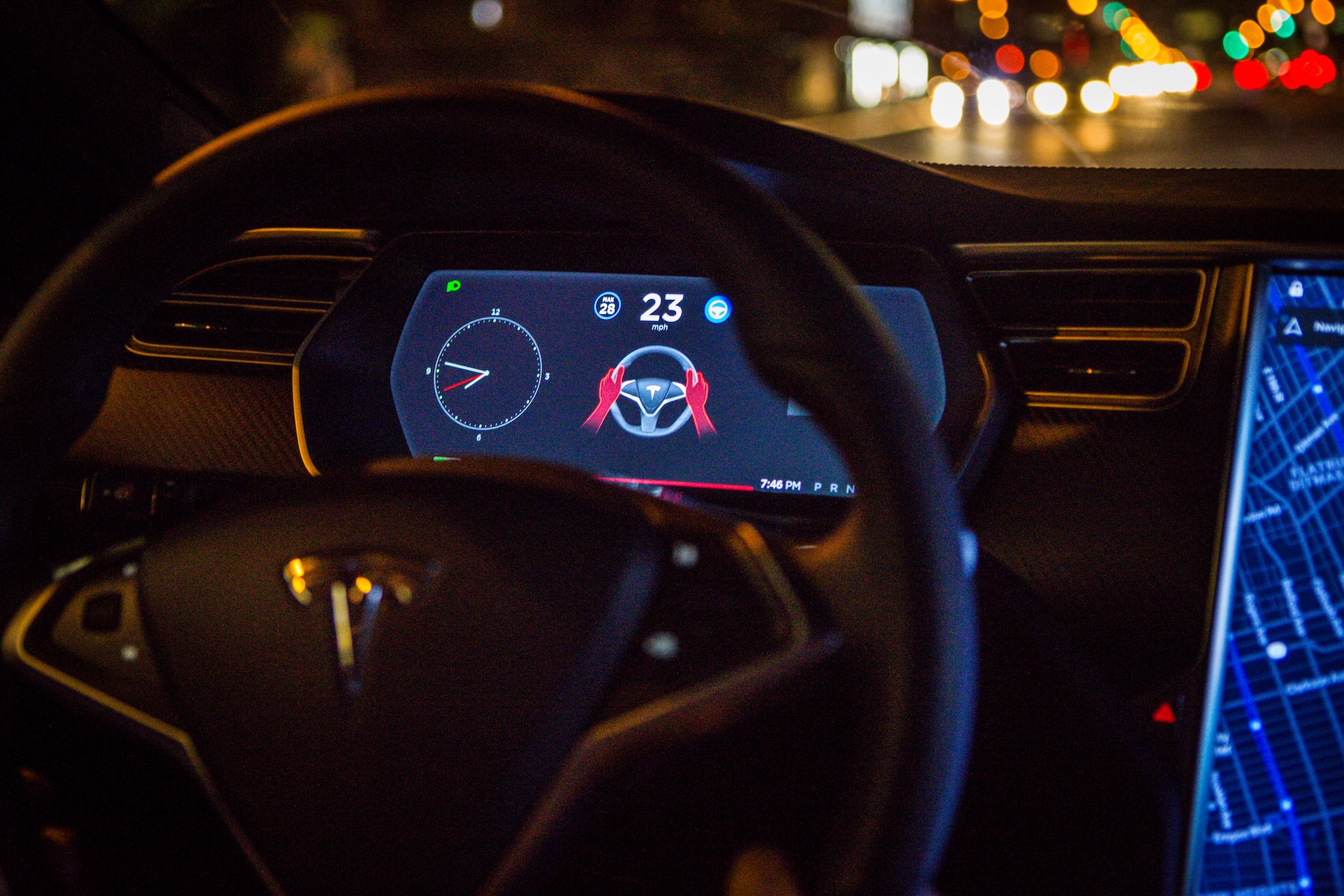
The California Department of Motor Vehicles (DMV) has officially lifted the threat of a 30-day suspension on Tesla’s sales and manufacturing licenses within the state, following the electric vehicle manufacturer’s decision to cease using the term "Autopilot" in its California marketing materials. This pivotal resolution, announced late Tuesday, concludes a contentious regulatory battle that has spanned nearly three years, allowing Tesla to maintain uninterrupted operations in its largest U.S. market. The agreement underscores a growing demand from regulators for greater transparency and precision in how advanced driver-assistance systems (ADAS) are presented to consumers.
The Regulatory Showdown: A Three-Year Battle
The origins of this dispute trace back to concerns raised by the DMV regarding the potential for Tesla’s terminology—specifically "Autopilot" and "Full Self-Driving Capability"—to mislead consumers about the true capabilities and limitations of its ADAS technologies. While Tesla vehicles are equipped with sophisticated features designed to assist drivers, they are not, by current industry definitions, fully autonomous. The DMV’s core argument was that these names could engender a false sense of security, encouraging drivers to disengage from the task of driving more than the technology safely permits.
The formal accusations from the DMV were filed in November 2023, alleging that Tesla violated state law through deceptive marketing practices. This wasn’t an isolated incident but rather the culmination of ongoing scrutiny that had been building for years. Consumer advocacy groups, safety organizations, and even federal regulators like the National Highway Traffic Safety Administration (NHTSA) had, at various points, expressed concerns over Tesla’s naming conventions and the implications for driver behavior and public safety. California, as a leading automotive market and a state often at the forefront of regulatory innovation, took a particularly firm stance, emphasizing consumer protection.
Initially, Tesla had made a partial concession, modifying its "Full Self-Driving Capability" designation to "Full Self-Driving (Supervised)" to explicitly state the requirement for active driver monitoring. However, the company steadfastly retained the "Autopilot" term, which prompted the DMV to escalate the matter to an administrative law judge at the California Office of Administrative Hearings. In December, the judge sided with the DMV, recommending a 30-day suspension of Tesla’s licenses as a penalty. Rather than immediately enforcing the suspension, the DMV provided Tesla a 60-day window to comply, a period during which the company ultimately took the decisive actions that led to this week’s resolution.
The Heart of the Matter: Misleading Terminology
At the core of the DMV’s complaint was the perceived gap between the aspirational names Tesla used and the reality of its Level 2 ADAS technology. In the lexicon of automotive autonomy, as defined by the Society of Automotive Engineers (SAE) International, Level 2 systems require continuous driver supervision, meaning the human driver must remain engaged, monitor the environment, and be prepared to take over at any moment. Terms like "Autopilot," borrowed from aviation, and "Full Self-Driving" inherently suggest a degree of autonomy that transcends Level 2, often evoking images of vehicles operating entirely without human intervention.
This semantic disconnect has been a persistent point of contention. Critics argued that even with disclaimers present in vehicle interfaces and owner’s manuals, the primary marketing terms themselves created an immediate and potentially dangerous misimpression. The human tendency to assign a higher capability to a system based on its name, irrespective of fine print, was a significant factor in the regulatory push. The DMV’s action highlights a broader societal debate about how technology companies should label their products, especially when those products have direct implications for public safety.
Defining Driver Assistance: Industry Context
To fully appreciate the significance of this regulatory outcome, it’s crucial to understand the industry-standard framework for autonomous driving. The SAE J3016 standard defines six levels of driving automation, from Level 0 (no automation) to Level 5 (full automation, where the vehicle handles all driving tasks under all conditions).
- Level 0-2 (Driver Support Features): These systems require the human driver to perform all or most of the dynamic driving task. Tesla’s "Autopilot" and "Full Self-Driving (Supervised)" fall squarely into Level 2. While they can control steering and acceleration/deceleration under specific conditions, the driver is solely responsible for monitoring the environment and responding to situations.
- Level 3 (Conditional Automation): The vehicle can perform the dynamic driving task, but a human driver must be ready to intervene when requested. This level is still rare in production vehicles.
- Level 4 (High Automation): The vehicle can perform the dynamic driving task and manage system failures, but only within specific operational design domains (ODDs). Human intervention is not expected.
- Level 5 (Full Automation): The vehicle performs all dynamic driving tasks under all conditions, without human intervention. This is the ultimate goal of autonomous driving and is not yet available to consumers.
The discrepancy between Tesla’s marketing (implying Level 4 or 5) and its actual Level 2 technology fueled the DMV’s accusations. Regulators across the globe are grappling with how to ensure that marketing claims accurately reflect these technical distinctions, preventing consumer confusion and potential misuse of safety-critical features.
Tesla’s Strategic Retreat and FSD Push
Tesla’s recent actions extend beyond mere compliance with California’s directives. In January, the company made a broader strategic move by discontinuing the standalone "Autopilot" feature altogether in the U.S. and Canada. This decision means that all new Tesla vehicles in these markets now come standard with basic ADAS features, but the more advanced "Full Self-Driving (Supervised)" suite is offered as an upgrade.
This move serves a dual purpose. Firstly, it directly addresses the regulatory pressure by removing the "Autopilot" term from the company’s product lexicon. Secondly, and perhaps more significantly from a business perspective, it aims to drive adoption of the more lucrative "Full Self-Driving (Supervised)" software. Unlike "Autopilot," which was previously included with the purchase of a Tesla vehicle, FSD is a premium, paid offering.
The pricing model for FSD has also undergone significant changes. Until mid-February, customers could purchase the FSD software as an $8,000 one-time upgrade. However, Tesla has since transitioned to a subscription-only model for new FSD acquisitions, priced at $99 per month. Tesla CEO Elon Musk has indicated that this subscription fee is likely to increase as the system continues to evolve and its capabilities expand. This shift to a subscription model could provide Tesla with a more predictable and recurring revenue stream, while also potentially making FSD more accessible to a wider range of customers who might be hesitant to commit to a large upfront payment.
Beyond California: Market and Consumer Ripple Effects
The resolution of the California DMV case is likely to have ripple effects far beyond the Golden State. As a bellwether market and a leading voice in automotive regulation, California’s stance often influences policies in other states and even at the federal level. This outcome could prompt other regulatory bodies to intensify their scrutiny of ADAS marketing across the industry. Automakers may now be more inclined to adopt more conservative and precise language when describing their driver-assistance features, moving away from evocative but potentially misleading terms towards clearer, functionality-based descriptors.
For consumers, this development represents a step towards greater clarity. A more accurate portrayal of ADAS capabilities can help manage expectations, foster responsible usage, and ultimately enhance road safety. Misunderstanding the limits of these systems has, in some documented cases, led to tragic consequences. The industry’s collective responsibility extends beyond technological innovation to ensuring that users fully comprehend how to safely interact with these advanced tools.
Culturally, the narrative around "self-driving cars" has been highly charged, often fueled by optimistic projections and sensationalized media coverage. This regulatory intervention serves as a grounding force, reminding both industry and public that the path to full autonomy is complex, iterative, and requires stringent safety protocols and clear communication at every stage.
Navigating the Future of Automotive Autonomy
The California DMV’s decision and Tesla’s subsequent actions mark a significant moment in the ongoing evolution of advanced driver-assistance systems and autonomous vehicle technology. It highlights the delicate balance regulators must strike between fostering innovation and safeguarding consumer interests. While Tesla has demonstrated a willingness to adapt its marketing practices under pressure, the broader challenge of accurately communicating the capabilities and limitations of rapidly advancing automotive technology remains.
The move to "Full Self-Driving (Supervised)" and the complete removal of "Autopilot" from marketing in key regions represent a pragmatic step towards addressing regulatory concerns and perhaps aligning public perception more closely with technical reality. As the industry progresses towards higher levels of automation, the clarity of language will become even more paramount. The lessons learned from this protracted dispute in California will undoubtedly inform how the automotive sector, regulators, and the public collectively navigate the exciting yet complex journey toward a truly autonomous future.