Amir Mahmud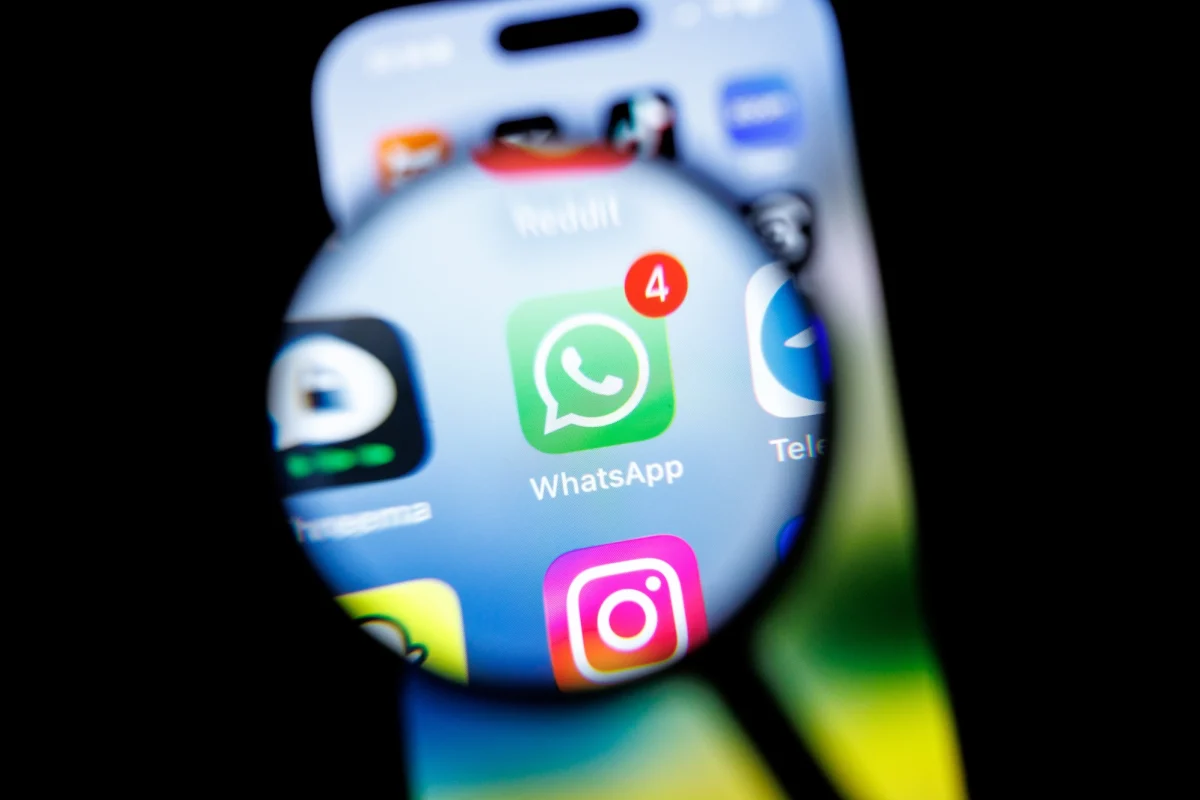
In an unexpected turn of events, numerous users of WhatsApp, the globally dominant messaging platform owned by Meta Platforms, experienced sudden account disconnections and suspensions. The incident, reported widely across social media channels like X (formerly Twitter) and Threads, left individuals unable to access their communication hubs, displaying a message indicating their accounts were "under review" for compliance with the platform’s Terms of Service. Meta swiftly acknowledged the widespread disruption, confirming that it was actively working to identify the root cause and restore access for affected users.
The Digital Lifeline: WhatsApp’s Global Reach
WhatsApp, with its staggering user base exceeding 3 billion monthly active users worldwide, has transcended its initial role as a simple messaging application to become an indispensable digital lifeline for individuals, communities, and businesses across the globe. Launched in 2009 by Jan Koum and Brian Acton, the platform quickly gained traction due to its simplicity, cost-effectiveness (initially free, then a nominal annual fee, eventually free again), and cross-platform compatibility. Its acquisition by Facebook (now Meta) in 2014 for an astonishing $19 billion cemented its position as a cornerstone of the company’s family of applications, alongside Instagram and Facebook itself.
For many, particularly in emerging markets like India, Brazil, and large parts of Africa and Southeast Asia, WhatsApp is not just a messaging app but the primary mode of internet communication. It facilitates everything from daily family chats and coordination among friends to critical business transactions, customer support, and even the dissemination of public health information and emergency alerts. This profound integration into daily life means that any disruption, even one affecting a seemingly small fraction of its enormous user base, can translate into significant social and economic upheaval for thousands, if not millions, of people.
Navigating Content Moderation and User Trust
The core of WhatsApp’s appeal, and a significant aspect of its technical design, is its commitment to end-to-end encryption. This security feature ensures that only the sender and recipient can read messages, preventing even WhatsApp itself from accessing the content of communications. While lauded by privacy advocates, this strong encryption presents unique challenges for content moderation. Unlike other platforms where content can be scanned for violations before it reaches users, WhatsApp’s encrypted environment means that moderation efforts must largely rely on user reports, behavioral analysis, and metadata rather than direct content inspection.
The message displayed to affected users — "Your account activity and device info is being checked to make sure it follows our Terms of Service. We’ll notify you of the result typically within 24 hours" — points directly to WhatsApp’s automated systems designed to enforce these terms. These systems are crucial for combating spam, fraudulent activities, the spread of misinformation, and other forms of abuse that violate community guidelines. However, the sheer scale of WhatsApp’s user activity means that these automated systems, while highly efficient, are not infallible. False positives, where legitimate accounts are erroneously flagged for suspicious activity, are an inherent risk in any large-scale automated moderation framework.
A Meta spokesperson acknowledged this inherent challenge, stating, "We are always working to stay ahead of those trying to abuse our service and ban accounts to help keep other users safe. Sometimes we get this wrong, and if we do, we try to fix it as quickly as possible to get people back to chatting. We’ve taken action to restore affected accounts." This statement, while offering reassurance of ongoing efforts, underscores the delicate balance between robust security measures and the potential for unintended consequences impacting innocent users. The lack of specific detail regarding the exact cause of this particular surge in erroneous suspensions, or if it was geographically concentrated, left many users and observers seeking greater transparency.
A History of Growth and Challenges
WhatsApp’s journey from a startup to a global communication giant has been marked by continuous evolution and a series of challenges. Initially, its simple interface and lack of advertising contrasted sharply with other messaging apps of its era. Post-acquisition by Meta, the platform faced the delicate task of integrating into a larger corporate ecosystem while maintaining its distinct identity and commitment to privacy. This period saw debates over data sharing with Facebook, which led to some user migration to alternative secure messaging apps, highlighting the critical role of user trust in the platform’s success.
The platform has also contended with various forms of service disruption throughout its history. While global outages affecting Meta’s entire family of apps (Facebook, Instagram, WhatsApp) have occasionally occurred due to infrastructure failures, instances of targeted account suspensions or glitches leading to widespread disconnections are less common but equally impactful. These past events, whether technical glitches or policy changes, have consistently demonstrated the fragility of digital connectivity and the significant reliance placed upon these services by billions worldwide. The current incident adds another layer to this history, specifically highlighting the complexities of automated content moderation at an unprecedented scale.
The Technical Underpinnings of Account Security
Behind the scenes, WhatsApp employs sophisticated algorithms and machine learning models to detect patterns of activity that might indicate a violation of its Terms of Service. These systems analyze various signals, such as message volume, frequency of contacts, group participation, and device information, to identify potential spam bots, coordinated misinformation campaigns, or other malicious actors. The goal is to proactively prevent harmful content and behavior from spreading, thereby protecting the overall integrity of the platform and its user base.
However, the sheer sophistication of these systems also makes them susceptible to misinterpretation when confronted with atypical, yet legitimate, user behavior. A sudden surge in messaging due to a personal emergency, an active participation in a new community group, or even a temporary change in device usage patterns could, theoretically, trigger an automated flag. When such a flag results in an "under review" status, users are placed in a holding pattern, often for up to 24 hours, during which their ability to communicate is completely severed. This period of enforced silence can be incredibly frustrating and even damaging, especially for those who rely on WhatsApp for urgent communications or business operations.
Impact on Users and Businesses
The immediate fallout from such an event is profoundly personal. For individuals, it means being cut off from friends, family, and support networks. Imagine being unable to communicate with a loved one during an emergency, or missing crucial updates from a school or community group. The emotional toll of this sudden disconnection, compounded by the uncertainty of when access might be restored, can be significant.
For businesses, particularly small and medium-sized enterprises (SMEs) that have adopted WhatsApp Business as a primary tool for customer engagement, sales, and support, the impact can be severe. E-commerce vendors communicating with clients, service providers scheduling appointments, or local shops managing orders all depend heavily on the platform’s reliability. A sudden suspension can lead to lost sales, damaged customer relationships, and operational paralysis. In many regions, the informal economy heavily relies on WhatsApp for coordination and transactions, making such disruptions a direct threat to livelihoods. The notion of a "24-hour review" period, while a standard protocol for automated systems, offers little comfort to a business losing revenue by the minute.
The Broader Implications for Digital Platforms
This incident serves as a potent reminder of the inherent tensions in operating a global digital platform. On one hand, there is a clear societal expectation for platforms to maintain safe environments, free from spam, abuse, and illegal activities. This necessitates robust moderation systems, often heavily reliant on automation due to scale. On the other hand, there is an equally strong demand for freedom of communication, privacy, and reliable access to services that have become fundamental to modern life. When automated systems err, they strike at the heart of these user expectations, eroding trust and highlighting the power platforms wield over digital identities and interactions.
The challenge for Meta, and indeed for all major digital platforms, lies in refining these automated systems to minimize false positives while still effectively combating genuine threats. This often involves a continuous feedback loop of human review of flagged accounts, iterative improvements to algorithms, and greater transparency with users about moderation processes. Expert commentary often suggests that platforms need to invest more in human oversight for complex cases and provide clearer, more accessible avenues for users to appeal wrongful suspensions.
Looking Ahead: Rebuilding Trust and Refining Systems
As Meta works to restore all affected accounts and presumably investigates the specific trigger for this widespread issue, the incident will likely prompt internal reviews of its automated moderation protocols. For users, it serves as a stark reminder of the importance of not solely relying on a single communication channel, however ubiquitous it may be. The concept of digital resilience, including diversifying communication methods and understanding platform policies, becomes increasingly relevant in an era where automated systems hold significant sway over digital access.
The ongoing evolution of AI and machine learning promises more sophisticated moderation tools, but also greater complexity. The balance between proactive safety measures and respecting user autonomy will remain a critical frontier for WhatsApp and its peers. Ultimately, the ability of these platforms to maintain and rebuild user trust will depend not only on their technical prowess in fixing immediate issues but also on their commitment to transparency, user recourse, and a thoughtful approach to the immense responsibility they bear in facilitating global communication.