Amir Mahmud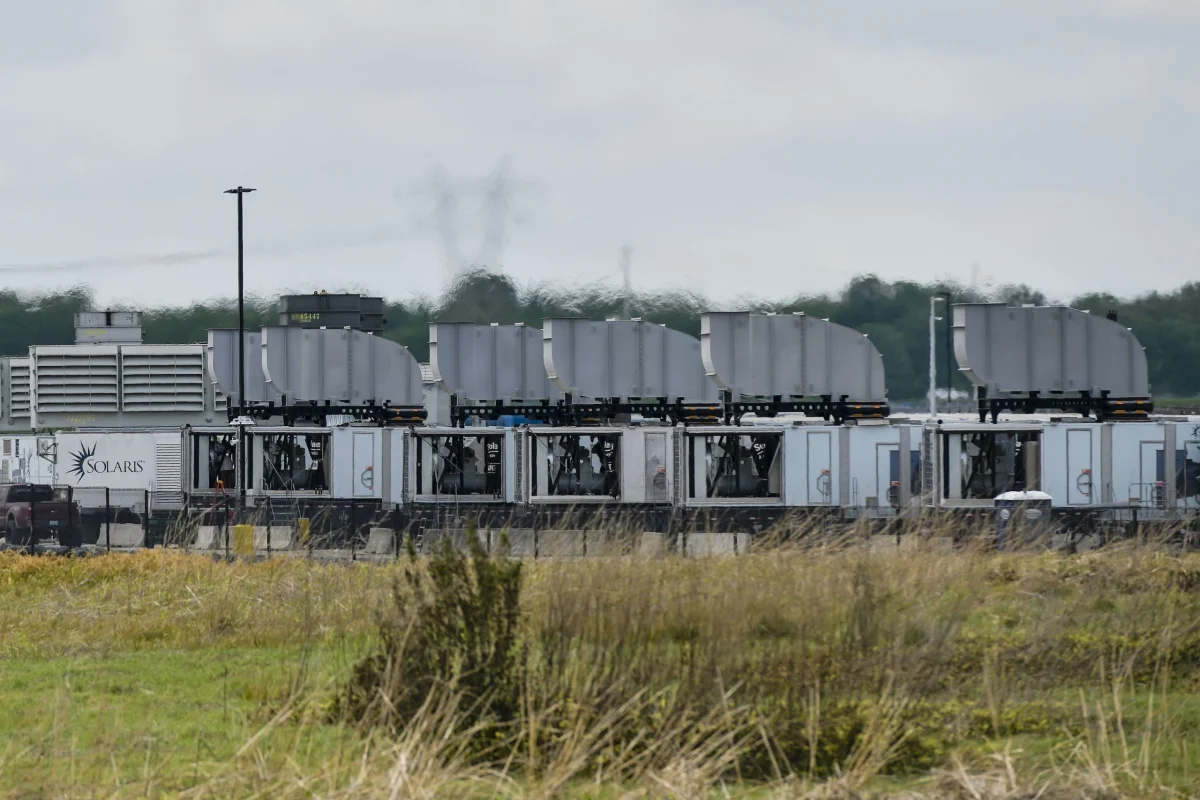
SpaceX, the aerospace and satellite communications giant, has unveiled an extended timeline for the complete removal of its unpermitted gas turbines powering xAI’s "Colossus" data centers, situated just south of Memphis, Mississippi. The company, now the owner of the artificial intelligence venture xAI, confirmed that these temporary power units, many of which have been operational for months without the requisite environmental permits, will not be entirely decommissioned until July 2027. This announcement comes amidst escalating legal challenges and significant environmental concerns regarding the operation of industrial-scale power generation in a region already grappling with substantial pollution burdens.
The Exponential Power Demands of Artificial Intelligence
The current situation involving SpaceX and xAI is emblematic of a broader, rapidly accelerating trend: the insatiable energy demands of modern artificial intelligence. The proliferation of large language models (LLMs) and complex neural networks, the foundational technologies behind AI breakthroughs, requires immense computational power. This power translates directly into a need for vast data center infrastructure, which, in turn, consumes staggering amounts of electricity. As AI models grow in complexity and training datasets expand, the energy footprint of the AI industry is projected to skyrocket, placing unprecedented strain on existing power grids and prompting tech companies to explore novel, often controversial, energy solutions.
xAI, founded by Elon Musk to "understand the true nature of the universe" and serve as a competitor to established AI players like OpenAI, has rapidly scaled its operations. Its "Colossus" data centers are crucial to its ambitious goals, necessitating a robust and immediate power supply. The acquisition of xAI by SpaceX earlier this year further integrated these AI infrastructure needs into Musk’s diverse portfolio of high-tech ventures, centralizing control over both the technological development and the underlying physical infrastructure. This rapid expansion, however, appears to have outpaced regulatory compliance, leading to the current dispute.
A Region Under Environmental Scrutiny
The location of xAI’s data centers, specifically in Mississippi just across the border from Memphis, Tennessee, adds a critical layer of environmental justice concerns to the unfolding saga. This particular area is recognized as one of the most polluted regions in the United States, often referred to as part of the "Cancer Alley" corridor, which stretches along the Mississippi River. Communities in this area, predominantly low-income and minority populations, have historically borne a disproportionate share of industrial pollution, leading to elevated rates of respiratory illnesses, cancers, and other health issues.
Against this backdrop, the operation of 69 gas turbines, each capable of emitting significant quantities of pollutants, has drawn fierce opposition. Environmental advocacy groups and community organizations highlight that these turbines have the potential to release more than 2,000 tons of smog-forming nitrogen oxides (NOₓ) annually. NOₓ contributes to ground-level ozone, or smog, which exacerbates respiratory conditions, particularly in children and the elderly. The emissions also contribute to particulate matter, which can penetrate deep into the lungs and bloodstream, leading to serious health complications. For residents already struggling with poor air quality, the addition of new, unpermitted sources of pollution represents a profound environmental and public health threat.
The Core of the Regulatory Dispute: Permits and Precedent
At the heart of the controversy lies a fundamental disagreement over environmental permitting requirements. SpaceX has maintained that its existing turbines, currently powering the xAI data centers, are exempt from federal permitting because they remain mounted on the trailers on which they were originally shipped. This argument posits that their mobile nature negates the need for stationary source permits typically required for industrial-scale power generation.
However, federal environmental regulations, primarily enforced by the Environmental Protection Agency (EPA) and state agencies like the Mississippi Department of Environmental Quality (MDEQ), generally stipulate that the requirement for permits is determined by the size, operational capacity, and actual use of the equipment, rather than its physical mounting configuration. Turbines of the scale employed by xAI, regardless of whether they are on trailers, are typically considered significant sources of air pollution and are therefore subject to stringent permitting processes designed to control emissions and protect public health. These processes involve detailed environmental impact assessments, public comment periods, and the implementation of best available control technologies. Operating without such permits not only bypasses these safeguards but also undermines the regulatory framework designed to ensure environmental accountability.
Legal Battlegrounds and Federal Intervention
The perceived circumvention of environmental regulations prompted swift legal action. The National Association for the Advancement of Colored People (NAACP) and the Southern Environmental Law Center (SELC) filed a lawsuit against xAI, alleging that the company’s operation of these unpermitted turbines constitutes a violation of federal environmental laws and disproportionately impacts vulnerable communities. Their legal challenge seeks to compel xAI to cease operations until proper permits are secured and to mitigate the environmental damage already incurred. This lawsuit underscores a growing trend where environmental justice organizations are leveraging legal avenues to hold tech companies accountable for the environmental footprint of their rapidly expanding infrastructure.
In a surprising turn, the Department of Justice (DOJ) recently intervened in the NAACP’s lawsuit, aligning itself with SpaceX. The DOJ’s argument hinges on a claim that the continued operation of these unpermitted turbines is a matter of "national, economic, and energy security." This intervention introduces a complex layer to the legal battle, suggesting that the federal government might prioritize the rapid development and deployment of AI infrastructure, deemed critical for national strategic interests, even if it means temporarily sidestepping standard environmental compliance. This stance has raised concerns among environmental advocates about the potential precedent it could set, signaling a possible relaxation of environmental enforcement when economic or security interests are invoked by powerful corporations. It prompts a broader discussion about how the government balances innovation, economic competitiveness, and environmental protection.
A Glimpse into SpaceX’s Future Energy Strategy
Looking ahead, SpaceX has outlined its plans to transition from the current temporary setup to a permanent, 1.2 gigawatt (GW) natural gas power plant. According to permit documents issued by the state of Mississippi, this new facility will consist of 41 gas turbines, varying in size from 16.48 megawatts to 50 megawatts. The company’s announcement of a July 2027 deadline for the removal of the existing turbines implies a phased transition, where the new permanent plant is likely to come online and gradually assume the load, allowing for the eventual decommissioning of the unpermitted units. This substantial investment in a dedicated power plant highlights the long-term commitment required to fuel xAI’s operations, indicating the immense and sustained energy requirements anticipated for advanced AI development.
Interestingly, the specific models of the 41 turbines designated for the permanent plant appear to be different from the 69 turbines currently in use. This suggests a strategic upgrade or a shift in power generation technology for the long-term facility. Further complicating the picture is Elon Musk’s earlier acquisition of APR Energy, a company specializing in temporary natural gas power solutions. While APR Energy’s fleet also consists of gas turbines, their specifications do not seem to match those detailed in the permits for the new Colossus power plant. This discrepancy has led to speculation that the turbines acquired through APR Energy may be earmarked for another, as-yet-unannounced project within the SpaceX or broader Musk corporate ecosystem. This could include power solutions for future Starship launch sites, other data centers, or even industrial facilities related to ventures like Neuralink or The Boring Company, all of which require significant, reliable power. In its IPO filing, SpaceX itself revealed plans to purchase an additional $2.8 billion worth of gas turbines for its data centers over the next three years, underscoring a massive, multi-faceted investment in power generation infrastructure across its various enterprises.
Broader Implications: Innovation, Regulation, and Environmental Justice
The ongoing saga surrounding SpaceX’s xAI data centers encapsulates a critical tension at the intersection of rapid technological advancement, environmental regulation, and social equity. As the AI boom continues to accelerate, the energy footprint of the tech sector is becoming an increasingly prominent issue. Companies are finding themselves in a race to secure power infrastructure, sometimes pushing the boundaries of regulatory compliance in their pursuit of speed and scale.
This situation raises fundamental questions about the balance between fostering innovation and ensuring responsible corporate behavior. While the DOJ’s stance highlights the perceived strategic importance of AI development, the concerns of environmental groups and local communities underscore the imperative of protecting public health and upholding environmental justice principles. The prolonged operation of unpermitted industrial equipment in an already overburdened community could set a concerning precedent, potentially signaling that certain "critical" industries might be granted leniency in environmental compliance.
The coming years will be crucial in observing how this complex interplay resolves. The eventual commissioning of the permanent power plant, the full removal of the temporary turbines, and the outcomes of the ongoing legal challenges will undoubtedly shape future discussions around energy policy, environmental regulation, and the societal responsibilities of major technology companies as they build the infrastructure for the next generation of artificial intelligence.