Amir Mahmud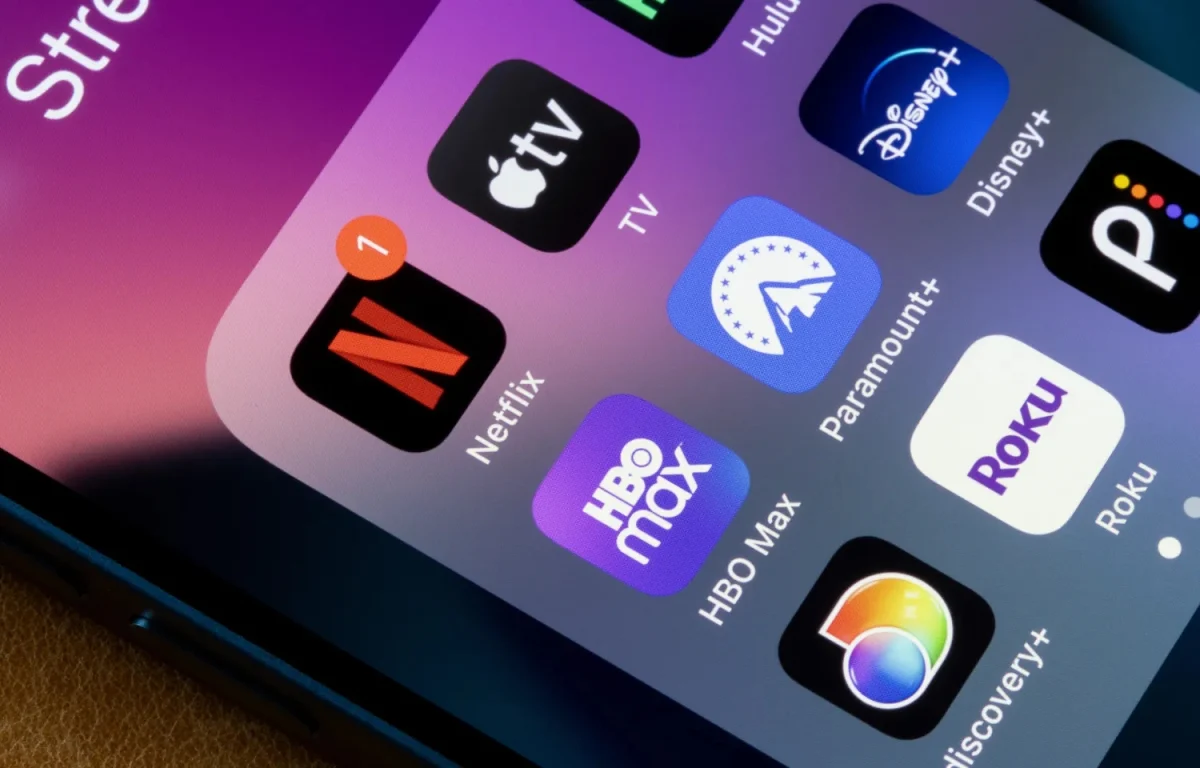
NBCUniversal’s streaming service, Peacock, is charting a distinct course in the fiercely competitive digital entertainment landscape, opting for expansive distribution partnerships over the industry’s prevailing trend of mergers and acquisitions. This strategic direction culminates in a multi-year global alliance with YouTube, a move poised to significantly broaden Peacock’s reach and integrate its premium content directly into one of the world’s largest video platforms. This collaboration stands in stark contrast to the consolidation efforts seen across media giants, signaling a potential shift in how streaming services aim to secure market share and subscriber loyalty.
A Shifting Streaming Paradigm: From Land Grab to Strategic Alliances
The streaming industry, once characterized by a frantic "land grab" for subscribers and exclusive content, has matured into a complex ecosystem grappling with saturation, subscription fatigue, and intense competition. Initially, media companies rushed to launch their proprietary streaming platforms, each vying for a slice of the burgeoning digital audience. This era saw the rise of Netflix, followed by Disney+, HBO Max (now Max), Paramount+, Apple TV+, and Peacock, among others, fragmenting the viewing experience and burdening consumers with multiple subscriptions.
However, the exuberance of the early streaming wars has given way to a more pragmatic reality. Subscriber growth has slowed for many services, and profitability remains a challenge for several. This environment has spurred a wave of consolidation, as evidenced by major proposed deals like Paramount Skydance’s agreement to acquire Warner Bros. Discovery assets or Fox’s planned acquisition of Roku. These mergers are typically driven by the desire to achieve economies of scale, combine content libraries, reduce operating costs, and strengthen bargaining power against tech giants.
NBCUniversal, a division of Comcast, with its Peacock service, is consciously diverging from this path. Rather than pursuing large-scale corporate takeovers, Peacock is prioritizing widespread availability and ease of access through strategic alliances. This approach aims to meet audiences where they already are, embedding Peacock’s offerings within established digital ecosystems, thereby reducing friction for potential subscribers and enhancing overall brand visibility.
Peacock’s Strategic Pivot: Embracing the Bundle
Peacock’s journey in the streaming world began relatively late, launching nationally in July 2020, during the height of the pandemic-fueled streaming boom. Initially offering a free tier alongside its premium options, Peacock faced the challenge of differentiating itself in a crowded market dominated by established players. Its content strategy leveraged NBCUniversal’s vast library, including iconic shows like "The Office" and "Parks and Recreation," along with live sports (NFL, Premier League, Olympics) and original programming. Despite a slow start compared to some rivals, Peacock has demonstrated steady growth, recently reporting its first-ever quarterly profit in the second quarter of 2026 and boasting 48 million paid subscribers. This financial milestone underscores the potential viability of its current strategy.
The partnership with YouTube represents Peacock’s most significant move yet in its distribution-focused strategy. Prior to this, Peacock had already forged alliances with Amazon, making its content available through Prime Video Channels, and Apple, integrating its service into the Apple TV app. These collaborations laid the groundwork for a model centered on accessibility and reducing the "walled garden" effect often associated with individual streaming platforms.
The core of the YouTube deal, set to commence in early 2027, will grant YouTube Premium subscribers in the U.S. access to Peacock’s Premium plan. This includes a robust lineup ranging from live sports coverage of the NFL and NBA, popular comedies like "Saturday Night Live," reality hits such as "Love Island USA" and "The Real Housewives franchise," to acclaimed dramas like "Law & Order: SVU." The content will be seamlessly integrated into the YouTube experience, allowing viewers to discover and watch Peacock programming without needing to navigate to a separate application.
Beyond the U.S., the alliance also extends internationally, with NBCUniversal’s global streaming services, Universal+ and Hayu, becoming available through YouTube Premium in select markets. Additionally, starting later this summer, Peacock Premium will be offered as a standalone add-on subscription through YouTube Primetime Channels, providing consumers with yet another avenue to access the service, building on the existing availability of Peacock Premium Plus via the same channel since late June.
YouTube’s Evolving Ecosystem: A Hub for All Content
For YouTube, this partnership is a significant step in its ongoing evolution from a user-generated content platform to a comprehensive digital entertainment hub. Over the past decade, YouTube has steadily expanded its offerings, incorporating licensed music videos, original series through YouTube Originals (though largely scaled back), and live television services like YouTube TV. Its "Primetime Channels" initiative allows users to subscribe to various premium streaming services directly through YouTube, simplifying the subscription management process and consolidating content discovery.
The integration of Peacock Premium significantly strengthens YouTube Premium’s value proposition. YouTube Premium, which offers an ad-free viewing experience, offline downloads, and background playback, coupled with access to YouTube Music, now adds a major entertainment service to its benefits package. This move aligns with YouTube’s broader ambition to become the ultimate destination for all forms of video content—from viral clips and creator-generated videos to live sports and premium scripted entertainment. By centralizing access to diverse content, YouTube aims to enhance user retention, attract new Premium subscribers, and solidify its position as an indispensable platform in the digital media landscape.
The Resurgence of the Bundle: A Win for Consumers?
The decision by Peacock and YouTube to embrace this bundled approach reflects a growing industry recognition of consumer preferences. The initial promise of streaming—à la carte content selection and freedom from traditional cable bundles—has, ironically, led to "subscription fatigue." Viewers are increasingly overwhelmed by the sheer number of services, the rising cost of multiple subscriptions, and the inconvenience of switching between apps to find desired content.
The return of the bundle, albeit in a digital, à la carte form, addresses these pain points. By offering Peacock Premium as part of a YouTube Premium subscription, or as an easily accessible add-on via Primetime Channels, the partnership simplifies the viewing experience and potentially offers greater perceived value. This strategy echoes the "fat bundles" of cable television, but with a modern twist: consumers can curate their own bundles from a selection of premium services, paying only for what they genuinely want, yet benefiting from consolidated billing and a unified discovery interface. For consumers, it promises convenience and potentially cost savings compared to subscribing to each service individually.
Market Dynamics and Industry Implications
This strategic alliance carries significant implications for the broader streaming market. While competitors like Paramount Global and Warner Bros. Discovery are navigating complex mergers to achieve scale and financial stability, Peacock is betting on agility and pervasive distribution. The M&A route, while potentially yielding greater market power and content synergy, often involves lengthy regulatory reviews, significant integration challenges, and potential culture clashes. Partnerships, conversely, can be executed more swiftly, involve lower capital expenditure, and allow services to maintain their distinct brand identities while tapping into new audiences.
The success of Peacock’s model, particularly after reporting its first quarterly profit, could influence other mid-tier streaming services struggling to break through. It demonstrates that scale doesn’t necessarily have to come from outright acquisition but can be achieved through intelligent, collaborative distribution. For YouTube, the deal solidifies its role as an aggregator, a powerful position that leverages its massive global audience and sophisticated recommendation algorithms. This aggregator role could become increasingly valuable as content fragmentation continues, positioning YouTube as the central gateway to a diverse universe of streaming options.
Challenges and the Road Ahead
Despite the promising aspects, such partnerships are not without their complexities. Revenue sharing agreements, data insights sharing, and maintaining brand identity within a larger platform like YouTube will require careful management. Peacock will need to ensure its unique programming and brand messaging resonate even when viewed through the YouTube interface, while YouTube must balance its role as a content host with its own strategic objectives.
Ultimately, the Peacock-YouTube alliance represents a compelling experiment in the evolving landscape of digital media distribution. It challenges the conventional wisdom that only the largest, most consolidated entities can thrive. Instead, it posits that strategic collaboration, focused on consumer convenience and ubiquitous access, could be a powerful differentiator in the ongoing battle for eyeballs and subscription dollars. As the streaming wars continue to evolve, this partnership could serve as a blueprint for how services adapt, innovate, and ultimately succeed in an increasingly competitive and mature market.