Amir Mahmud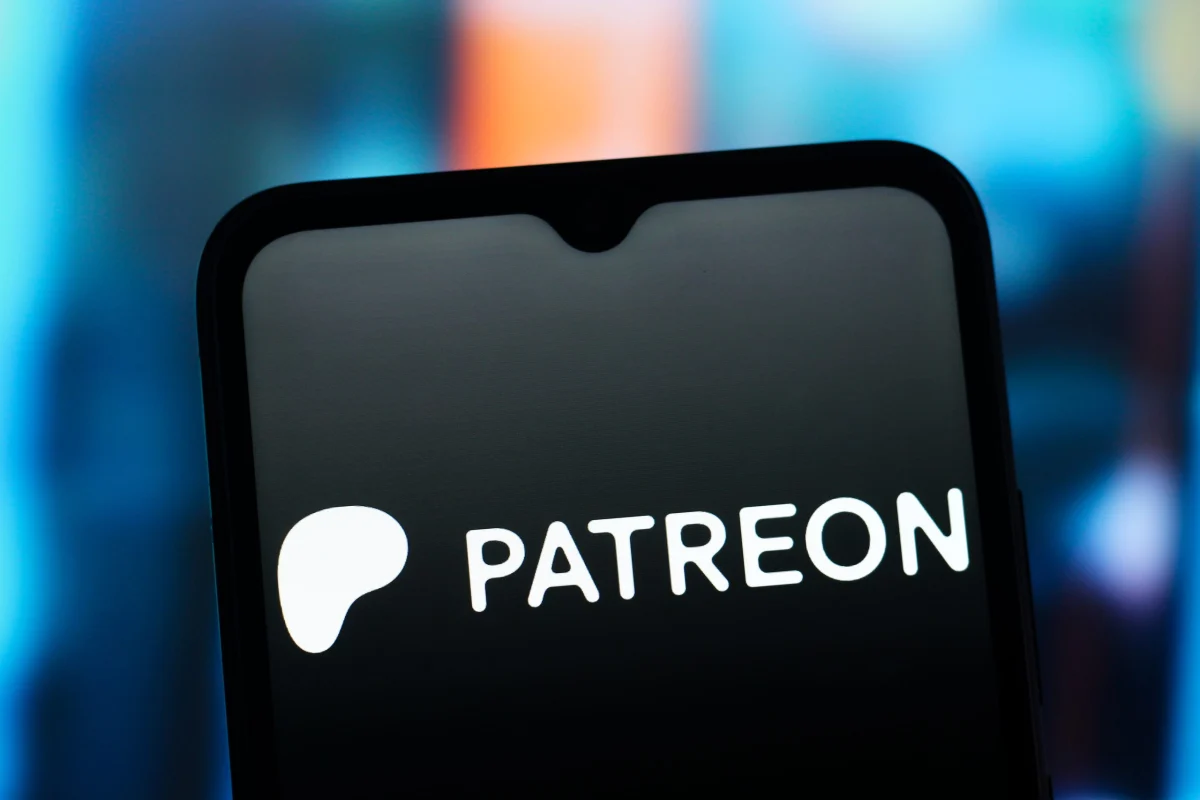
Patreon, a prominent platform facilitating direct fan-to-creator subscriptions, has announced a significant reduction in its global workforce, impacting 20% of its employees, or 93 individuals. This strategic realignment was communicated to staff by CEO Jack Conte on Thursday, who subsequently shared an internal memo publicly. Conte emphasized that while the company’s fundamental business remains robust, these "painful" yet "necessary" adjustments to its cost structure are a direct response to dynamic market shifts, essential for maintaining organizational stability.
Immediate Fallout and Corporate Strategy
The layoffs represent a substantial recalibration for the San Francisco-based company. According to Conte’s memo, the affected employees will receive comprehensive support packages designed to ease their transition. This includes a minimum of 16 weeks of severance pay, with an additional week provided for each year of service. Furthermore, healthcare coverage will be extended through the end of the year, and a $1,500 stipend will be offered to replace company-issued laptops, acknowledging the practical needs of departing staff. Beyond the headcount reduction, Patreon is also undertaking a broader organizational restructuring, aiming to "flatten" its management hierarchy and re-center teams around its most critical strategic initiatives. This suggests a move towards increased efficiency and a more streamlined operational model, common objectives during periods of corporate restructuring.
Patreon’s Genesis and Rise in the Creator Economy
To understand the magnitude of this decision, it is crucial to place Patreon within the broader context of the creator economy. Founded in 2013 by musician Jack Conte and developer Sam Yam, Patreon emerged from a direct need: artists struggling to monetize their work in an increasingly digital and ad-saturated landscape. Conte, a musician himself, sought a more sustainable model than inconsistent ad revenue or one-off donations. The platform’s core innovation was the subscription-based membership, allowing fans—or "patrons"—to directly support their favorite creators with recurring payments in exchange for exclusive content, early access, or unique interactions.
This model proved revolutionary, empowering a new generation of artists, podcasters, writers, video producers, and other content creators to build stable income streams independent of traditional media gatekeepers or volatile ad markets. Patreon quickly grew into a cornerstone of the burgeoning creator economy, attracting millions of patrons and supporting hundreds of thousands of creators across various disciplines. Its success demonstrated the viability of direct fan support, fostering a more intimate relationship between creators and their audiences and establishing a powerful alternative to ad-hoc monetization strategies. Over the years, Patreon attracted significant venture capital investment, solidifying its position as a major player in the tech landscape dedicated to creative professionals.
Navigating a Volatile Tech and Economic Climate
Patreon’s current workforce reduction is not an isolated event but rather indicative of a broader trend sweeping across the technology sector. The past few years have witnessed unprecedented volatility, marked by a pandemic-fueled boom followed by a sharp economic correction. During the height of the COVID-19 pandemic, many tech companies, including Patreon, experienced accelerated growth and consequently expanded their workforces rapidly, anticipating continued upward trajectories. However, as global economies grappled with rising inflation, increasing interest rates, and geopolitical uncertainties, investor sentiment shifted dramatically. The focus moved from aggressive growth-at-all-costs strategies to a renewed emphasis on profitability and operational efficiency.
This pivot has led to widespread layoffs across the tech industry, affecting companies ranging from established giants like Meta, Google, Amazon, and Microsoft to numerous startups and mid-sized firms. Companies are scrutinizing expenditures, consolidating teams, and re-evaluating strategic priorities to ensure long-term sustainability in a more constrained financial environment. Patreon’s decision reflects this prevailing climate, signaling a strategic adaptation to current market realities rather than an indication of fundamental business failure. It underscores the challenges even well-established platforms face in maintaining rapid growth trajectories while optimizing for fiscal responsibility.
The Evolving Role of Artificial Intelligence
A particularly salient point in Conte’s memo, and one that resonates deeply within the creative community, addresses the influence of artificial intelligence. Conte explicitly stated that the layoffs are not intended to replace human employees with AI. He articulated a strong belief that AI tools, while transformative, cannot substitute for human creativity, judgment, intricate detail orientation, or the intrinsic desire for human connection—values he posits as foundational to Patreon’s mission.
However, Conte acknowledged that AI has "fundamentally transformed the tech industry" and impacts how companies operate, build products, and communicate. This nuanced perspective highlights a critical dichotomy: while AI may not directly displace creative human roles, its capabilities can significantly alter operational workflows, automate routine tasks, and influence product development strategies. The adoption of AI tools can lead to efficiency gains, potentially enabling smaller teams to achieve more, thereby influencing staffing needs indirectly.
This discussion also ties into a recent, proactive step taken by Patreon. Just the week prior to the layoff announcement, the company partnered with Cloudflare, an internet infrastructure provider, to implement direct blocking of AI bots. These bots are often designed to "scrape" vast amounts of data, including creators’ copyrighted work, to train their AI models without explicit permission or compensation. This move positioned Patreon as a staunch advocate for creator rights in the face of rapidly advancing AI technology, demonstrating a commitment to protecting its core user base from potential exploitation. The ongoing debate around intellectual property rights and AI’s ethical implications remains a significant challenge for platforms like Patreon, which thrive on original human creativity.
A History of Strategic Adjustments
This latest round of layoffs is not Patreon’s first significant workforce reduction. In September 2022, the company cut 17% of its staff and closed its offices in Berlin and Dublin. That earlier restructuring was also attributed to over-hiring during the pandemic’s growth phase and a need to streamline operations amidst a changing economic outlook. The recurrence of such decisions points to a pattern of strategic adjustments, indicating that Patreon has been continuously recalibrating its operations in response to market dynamics and internal efficiency goals. These repeated restructurings can signal a company’s commitment to long-term viability, even if they come at the cost of short-term disruption for employees. They also reflect the intense pressure on tech companies to demonstrate a clear path to profitability and sustainable growth to investors, particularly in the current economic climate where funding is tighter and scrutiny higher.
The Future of the Creator Economy and Patreon’s Path
The challenges facing Patreon mirror broader questions about the future trajectory of the creator economy. While the direct support model has proven robust, creators continually grapple with issues such as platform dependence, evolving monetization strategies, increasing competition, and the complex interplay with new technologies like AI. For Patreon, its strategic realignment underscores a renewed focus on its core value proposition: facilitating human creativity and connection. The "refocusing teams around its top priorities" likely entails enhancing tools for creators, improving patron engagement, and exploring new avenues for growth and sustainability within this evolving landscape.
The company’s ability to navigate these turbulent waters will depend on its capacity to innovate while staying true to its founding ethos of empowering creators. Maintaining trust within its creative community, particularly concerning issues like AI-driven content scraping and fair compensation, will be paramount. As the digital economy matures, platforms like Patreon must continually adapt their business models, operational structures, and ethical frameworks to ensure they remain valuable and sustainable partners for the millions of creators who rely on them.
In conclusion, Patreon’s decision to reduce its workforce by 20% marks a pivotal moment for the company, reflecting a strategic response to a complex interplay of economic pressures, technological shifts, and a rapidly evolving digital landscape. While undoubtedly difficult for those affected, these moves are presented as critical steps toward securing the platform’s stability and long-term viability in the dynamic creator economy. The path forward will require a delicate balance of innovation, efficiency, and an unwavering commitment to the human creativity that forms the very foundation of its existence.