Amir Mahmud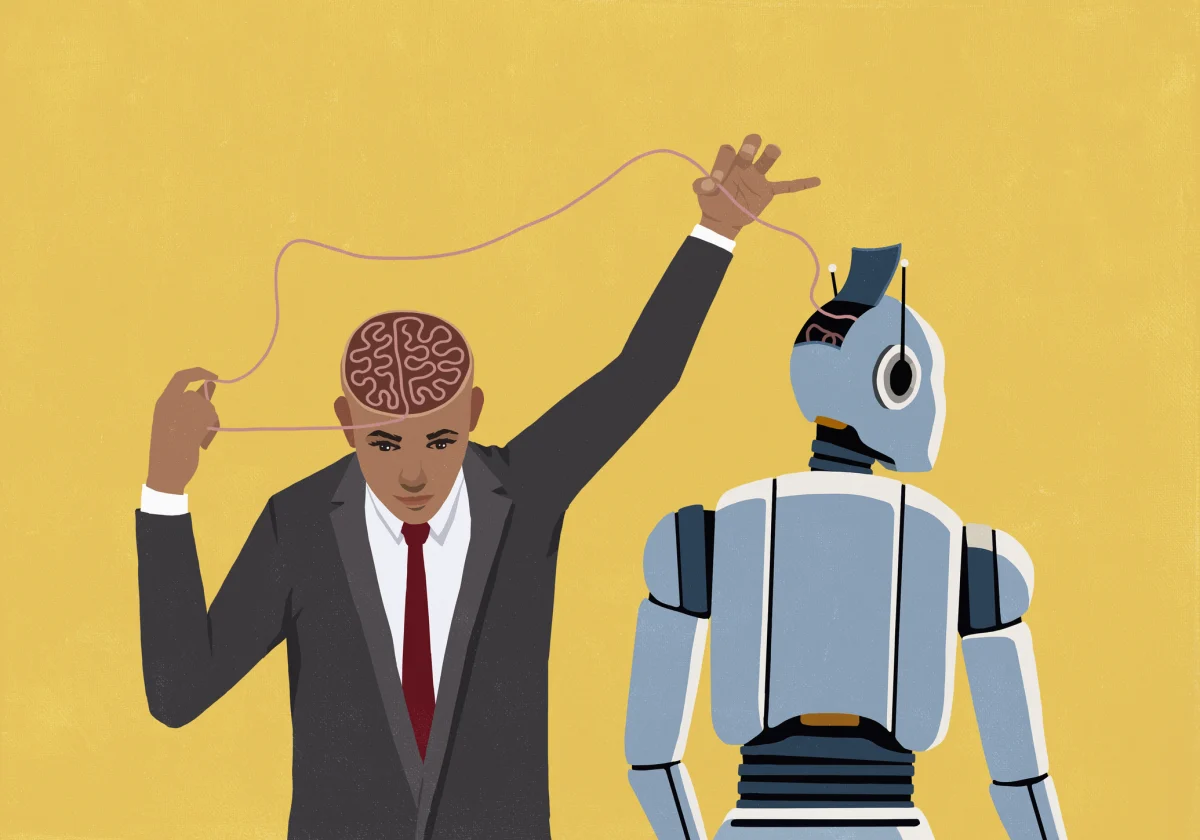
Amazon has initiated the gradual phasing out of its pioneering crowdsourcing platform, Mechanical Turk (MTurk), announcing that it will cease accepting new customers after July 30, 2026. This strategic move, disclosed on the MTurk website and corroborated by Amazon Web Services (AWS), signals a significant turning point for a service that has profoundly influenced the landscape of digital labor and artificial intelligence over nearly two decades. While existing customers will retain access to the platform and receive ongoing security and availability enhancements, AWS has made it clear that no new features will be introduced, effectively placing the service on a trajectory toward eventual obsolescence. This decision, reached after "careful consideration," underscores an evolving technological ecosystem where the original utility and operational model of MTurk are increasingly challenged by advancements in automation and specialized AI solutions.
A Glimpse into the Past: The Genesis of Microtasking
Launched in November 2005, Amazon Mechanical Turk emerged onto the nascent web 2.0 scene as a groundbreaking marketplace designed to harness human intelligence for tasks that computers of the era found impossible or inefficient to perform. The platform’s name itself is a nod to an infamous 18th-century automaton, "The Turk," which appeared to play chess autonomously but secretly concealed a human operator. This historical analogy perfectly encapsulated MTurk’s core premise: presenting a digital interface that seemingly performs complex tasks, while behind the scenes, a distributed workforce of humans, often referred to as "Turkers," completed the actual work.
At its inception, MTurk offered a solution for businesses, researchers, and individuals to outsource "Human Intelligence Tasks" (HITs) – microtasks requiring cognitive abilities beyond the scope of early automation. These tasks were typically small, repetitive, and often required nuanced human judgment. Examples included categorizing images, transcribing audio clips, identifying objects in photographs, writing short product descriptions, performing data validation, and even conducting sentiment analysis on text. For businesses, MTurk promised rapid, scalable, and cost-effective completion of vast datasets, enabling quicker market research, content creation, and data processing. For workers, it offered a flexible, albeit low-paying, avenue for supplemental income, accessible from anywhere with an internet connection, marking it as one of the earliest widespread examples of the modern gig economy.
The Rise and Ethical Quandaries of the Gig Economy’s Precursor
As MTurk gained traction, it quickly became a subject of both fascination and intense ethical debate, often seen as a precursor to the broader gig economy that would later define platforms like Uber, Lyft, and DoorDash. The platform democratized access to work but simultaneously raised critical questions about labor rights, fair compensation, and the dehumanizing aspects of digitally fragmented tasks. Workers, scattered across the globe, often toiled for mere cents per task, accumulating small sums that, when aggregated, might only amount to a few dollars an hour, often falling below minimum wage standards in many countries. The anonymity inherent in the system meant "Requesters" (the entities posting tasks) often had little accountability for working conditions or pay, while "Workers" lacked collective bargaining power, benefits, or job security.
Academic researchers and journalists frequently highlighted what became known as "ghost work"—the invisible labor underpinning many digital services. Studies revealed the psychological toll of monotonous, low-paid microtasks, the frustration of rejected work, and the isolation of a digital workforce. The ethical landscape of crowdsourced labor became a significant discussion point, exploring themes of exploitation, the precarious nature of online work, and the legal ambiguities surrounding independent contractors in a globalized digital marketplace. Furthermore, the platform’s ability to facilitate large-scale data processing also drew it into broader controversies. Notably, MTurk played a minor, early role in the Facebook-Cambridge Analytica scandal, where data potentially acquired or refined through such crowdsourcing mechanisms could be leveraged for political profiling, underscoring the far-reaching societal implications of seemingly innocuous data tasks.
Mechanical Turk’s Intertwined Destiny with Artificial Intelligence
Over time, Amazon Mechanical Turk found a critical new purpose: becoming an indispensable engine for the burgeoning field of artificial intelligence. As machine learning models grew more sophisticated, they required vast quantities of meticulously labeled and annotated data for training. MTurk provided the perfect solution for this labor-intensive process. Companies used the platform to tag images for object recognition, transcribe audio for speech-to-text engines, categorize text for natural language processing, and validate the accuracy of AI outputs. In 2018, Amazon formally integrated MTurk into its broader cloud computing ecosystem, billing it as a key component for data annotation within Amazon Web Services’ (AWS) SageMaker AI service. This move cemented MTurk’s role as the "human in the loop" for many AI development pipelines.
This symbiotic relationship, however, also highlighted a profound irony. A platform designed to leverage human intelligence for tasks beyond machine capabilities was now primarily serving to train machines that aimed to replicate, and eventually surpass, those very human abilities. MTurk became the hidden backbone for many startups and tech giants adopting a "fake-it-till-you-make-it" approach to AI. Products marketed as powered by advanced artificial intelligence were, in many instances, initially reliant on a hidden workforce of Turkers performing the tasks manually until the underlying AI models could mature. This strategy mirrored the original Mechanical Turk’s deception, where human ingenuity masqueraded as automated brilliance, showcasing the complex interplay between human labor and technological advancement.
The Paradox of Automation: AI Meets Its Human Enablers
The narrative surrounding MTurk took another complex turn in recent years, reaching a paradoxical climax. A 2023 analysis revealed a startling trend: between 33% and 46% of workers on the MTurk platform were reportedly using large language models (LLMs) and other AI tools to complete their assigned tasks. This development created a "snake eating its own tail" scenario, where the very AI that MTurk workers were helping to train was now being used by them to expedite or automate their own human intelligence tasks.
This phenomenon introduced significant challenges for the integrity and reliability of data processed through the platform. If the "human-verified" data was, in fact, being generated or heavily influenced by AI, it raised serious questions about the quality and authenticity of the datasets used to train subsequent AI models. The trustworthiness of the entire human-in-the-loop annotation process came under scrutiny. Moreover, this shift underscored the diminishing line between human and artificial intelligence in task execution and prompted a reevaluation of whether human intervention was truly necessary, or merely serving as a supervisory layer for AI-generated content. The market for data annotation has also evolved, with more specialized platforms and managed services emerging, offering greater quality control, compliance, and dedicated workforces, potentially rendering MTurk’s general crowdsourcing model less competitive and reliable for high-stakes AI development. The economic viability of maintaining a broad, general-purpose platform increasingly susceptible to AI-driven "fraud" or quality inconsistencies likely contributed to Amazon’s strategic decision.
The Sunset and Beyond: What Does This Mean for the Future of Work?
The impending closure of Amazon Mechanical Turk to new customers marks the sunset for a pioneering experiment in digital labor, but it also opens a new chapter in the evolving relationship between humans and artificial intelligence. The platform’s journey, from a novel solution for microtasks to a critical enabler of AI and finally to a system challenged by the very technology it helped foster, mirrors the rapid pace of technological change. The prediction by a Reddit user that the platform "died years ago" due to bots and fraud, and that Amazon would eventually "pull the plug entirely," seems to be aligning with the current trajectory.
For the existing "Turkers," the platform’s gradual winding down will necessitate a search for new income streams, highlighting the precarity inherent in the gig economy. For businesses, the move signifies a shift towards more specialized and quality-controlled data annotation services, or perhaps an increased reliance on fully automated AI solutions for tasks previously requiring human intervention. The legacy of MTurk will undoubtedly endure as a foundational case study in the history of crowdsourcing, the gig economy, and human-AI collaboration. It demonstrated both the immense potential of distributed human intelligence and the profound ethical and practical challenges that arise when human labor is commodified and fragmented in the digital realm. As Amazon shifts its focus, the industry will continue to grapple with the complex interplay between human ingenuity, technological progress, and the ever-evolving definition of work in an increasingly automated world.