Amir Mahmud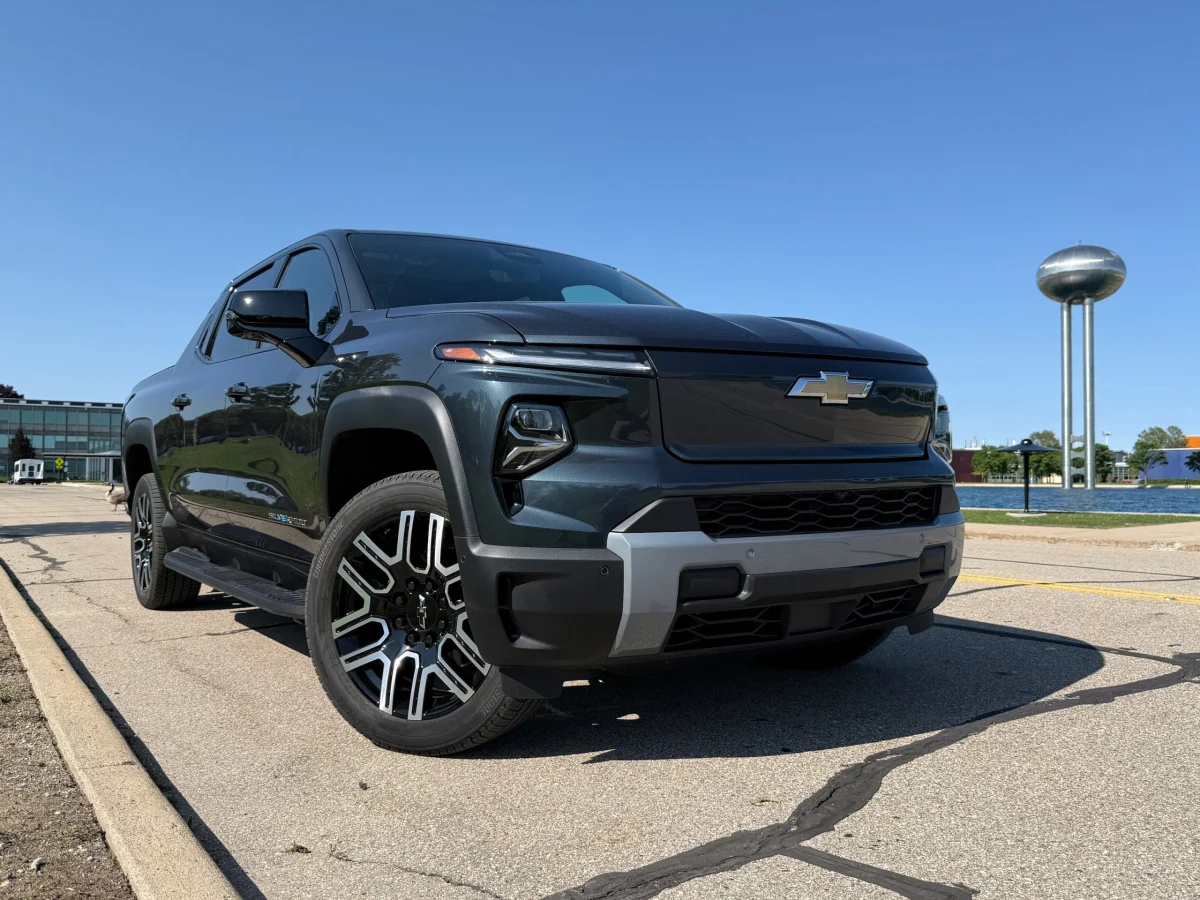
The automotive landscape is undergoing a transformative shift, with electric vehicles (EVs) at the forefront of innovation. General Motors, a titan of American manufacturing, has invested heavily in this future, particularly with its Chevrolet Silverado EV. This all-electric pickup truck represents a significant technological leap, boasting an impressive array of features designed to appeal to the heartland of American truck culture. Yet, despite its advanced capabilities and what appears to be a compelling proposition for the modern consumer, the Silverado EV has encountered a surprisingly slow uptake in the market, prompting questions about the dynamics of EV adoption in a segment historically defined by internal combustion engines.
Unpacking the Silverado EV: A Glimpse at its Capabilities
From the moment one experiences the Chevrolet Silverado EV, its advanced engineering becomes apparent. This electric workhorse seamlessly blends the robust utility expected of a full-size pickup with the refined driving characteristics typically associated with passenger cars. The vehicle’s substantial cargo bed offers ample space for various hauling needs, complemented by a cavernous front trunk, or "frunk," providing secure, additional storage. Inside, the cabin is remarkably spacious, offering generous legroom for all occupants, and benefits from an insulated quietness that belies its truck lineage. Beyond its physical attributes, the Silverado EV is equipped with cutting-edge functionalities, including the ability to power a home during outages, substantial towing and hauling capacities, and advanced semi-autonomous driving features for highway navigation. With an estimated range exceeding 400 miles on a single charge, it theoretically presents an ideal combination of power, utility, and efficiency for the American truck buyer.
The Sales Conundrum: A Discrepancy in Demand
Despite its impressive specifications and a design tailored for the American market, the Silverado EV’s sales figures have been notably subdued. In its initial year of availability, General Motors reported approximately 14,000 units sold across the U.S. and Canada. This number stands in stark contrast to the sales performance of its gasoline-powered sibling, the traditional Chevrolet Silverado, which routinely sells ten times that volume in a single quarter. The disparity highlights a significant puzzle: a vehicle engineered to meet modern demands with an iconic nameplate struggles to gain traction, while its fossil fuel counterpart continues its dominance. This performance gap raises critical questions about market readiness, consumer perception, and the broader challenges facing legacy automakers as they transition to an electrified future.
Design and Ergonomics: Blending Tradition with Innovation
The aesthetic of the Silverado EV immediately evokes a sense of familiarity while introducing modern electric vehicle design cues. Its profile bears a notable resemblance to the Chevrolet Avalanche, a unique truck-SUV hybrid from the early 2000s known for its distinctive "mid-gate" feature. This design element, which allows for the extension of the truck bed into the cabin by folding down the rear seats and a partition, is a practical inheritance in the EV model, offering enhanced cargo flexibility. The Silverado EV also incorporates a prominent "sail" panel between the cabin and the bed, a stylistic flourish that contributes to its aerodynamic efficiency, crucial for maximizing electric range. While some observers might debate the aesthetic appeal compared to more traditional truck designs, the Silverado EV’s form factor is undeniably functional and contributes to its overall performance metrics.
Internally, the Silverado EV prioritizes driver and passenger comfort and technological integration. Entry into the elevated cabin requires a substantial step, characteristic of full-size trucks, but once inside, occupants are greeted by a capacious and well-appointed environment. The cockpit is dominated by crisp, responsive digital screens that provide essential vehicle information and infotainment functions. Chevrolet has, commendably, retained physical controls for frequently used functions like volume and climate, a nod to user preference that often enhances usability while driving. The seating offers robust support, and the vehicle’s electric powertrain delivers instant torque, resulting in brisk acceleration. Despite its nearly 20-foot length, the inclusion of four-wheel steering significantly enhances maneuverability, allowing the Silverado EV to navigate tight parking lots with surprising agility, though its sheer scale still presents challenges in compact spaces.
Driving Dynamics and Advanced Technology
The driving experience in the Silverado EV is a blend of traditional truck robustness and contemporary EV refinement. The Google-powered infotainment system is intuitive and remarkably responsive, offering seamless navigation and multimedia control. Its voice command capabilities are effective, allowing drivers to manage various functions without diverting attention from the road. A particularly innovative feature of the integrated navigation is its ability to not only display estimated travel times but also to indicate the projected duration of Super Cruise availability along a chosen route. This integration provides a unique decision-making tool for drivers prioritizing hands-free driving, though it also underscores GM’s strategic move to integrate proprietary services deeply into its EV ecosystem, a decision that has sparked debate among consumers accustomed to Apple CarPlay and Android Auto integration.
GM’s Super Cruise, a Level 2 advanced driver-assistance system, stands out as a core technological offering. In the Silverado EV, this hands-free driving system demonstrates considerable capability, making extended highway journeys and even dense metropolitan commutes significantly less fatiguing. During peak traffic hours in areas like the Detroit metro, Super Cruise effectively managed lane keeping and adaptive cruise control, largely alleviating driver stress. However, like many advanced driver-assistance systems, it is not without its limitations. Instances were noted where the system exhibited difficulty maintaining its lane with precision or was slow to react to vehicles merging aggressively from adjacent lanes. A particularly concerning incident involved the system’s apparent struggle to detect a paint-splattered trailer, underscoring the ongoing need for continuous refinement and robust sensor fusion in these evolving technologies.
Beneath the surface, the Silverado EV’s substantial 205-kilowatt-hour battery pack, centrally located, acts as a significant ballast, contributing substantially to the vehicle’s remarkably smooth and stable ride quality. This inherent stability, combined with the efforts of the ride and handling engineers, results in a truck that delivers a refined experience atypical of the segment. Furthermore, the Silverado EV demonstrated impressive energy efficiency, achieving approximately 2.1 miles per kilowatt-hour during testing. This figure is noteworthy, especially considering the vehicle’s substantial size and frontal area, which typically lead to higher energy consumption compared to smaller EVs.
The Core Challenges: Price, Range, and Perception
The lukewarm reception of the Silverado EV prompts a deeper analysis into the underlying factors influencing consumer behavior in the electric truck market. One frequently cited reason for slow EV sales is the initial purchase price. However, for the Silverado EV, this argument may not be as straightforward as it seems. The average transaction price for a new full-size pickup truck in the U.S. hovers around $66,000. The Silverado EV LT Extended Range, offering over 400 miles of range, lists at a price point only slightly higher than this average. While higher-spec models command a premium, the core offering is competitively positioned against its conventional counterparts when considering the broader truck market.
Another common concern, particularly for pickup trucks, revolves around towing capability and the associated reduction in electric range. While it is true that towing significantly impacts EV range, often reducing it by 50-60%, market data suggests this is not a universal dealbreaker. Studies indicate that a substantial majority—around 75%—of full-size truck owners tow infrequently, perhaps once a year at most. This statistic suggests a significant demographic of buyers for whom occasional towing capability might be sufficient, and the daily driving benefits of an EV could outweigh the infrequent range limitations. Logically, this should translate to a considerable pool of traditional Silverado buyers ready to consider the electric alternative. Yet, the sales figures suggest otherwise.
Market Dynamics and Consumer Hesitation
The most significant hurdles for the Silverado EV appear to stem from broader market inertia and deeply entrenched consumer perceptions surrounding electric vehicles, particularly in the truck segment. Traditional truck buyers often exhibit strong brand loyalty and a preference for established technologies. The concept of an "electric truck" still represents a departure from the familiar, fostering anxieties related to range, the availability and speed of charging infrastructure, and the perceived robustness of electric powertrains for heavy-duty work. This "range anxiety" is amplified for truck owners, who may envision long hauls to remote job sites or wilderness areas where charging options are scarce.
Furthermore, the social and cultural identity associated with pickup trucks in America is powerful. For many, a truck is not merely a utility vehicle but a symbol of independence, capability, and a certain lifestyle. The transition to an EV, regardless of its objective merits, may challenge these deeply held perceptions. Automakers like GM face the complex task of not just selling a vehicle, but also shifting a cultural narrative. The competitive landscape is also evolving, with players like Ford’s F-150 Lightning and Rivian’s R1T already carving out niches, while Tesla’s Cybertruck, despite its polarizing design, generates considerable buzz, further fragmenting the nascent electric truck market.
Looking Ahead: GM’s Strategy and the Future of Electric Pickups
Recognizing these challenges, General Motors is actively pursuing strategies to enhance the Silverado EV’s appeal and address consumer concerns. Future engineering iterations are expected to focus on optimizing the vehicle’s weight, which could lead to improved payload and towing capacities, and potentially allow for smaller, more cost-effective battery packs without sacrificing range. This optimization would directly address two critical points of hesitation for potential buyers.
Crucially, GM has indicated plans to integrate a new lithium-manganese-rich (LMR) battery chemistry into its Ultium platform later this decade. This technological advancement is projected to significantly reduce battery production costs, potentially by as much as $6,000 per vehicle, while maintaining or even improving energy density and range. If these savings are passed on to consumers, it could bring the Silverado EV closer to price parity with its gasoline-powered counterparts, removing a major barrier to wider adoption. The success of this strategy hinges on the broader evolution of the EV market, including the expansion of reliable charging infrastructure and a continued shift in consumer attitudes towards electric mobility.
The journey of the Chevrolet Silverado EV reflects the broader complexities of the automotive industry’s electrification. While the vehicle represents a highly capable and well-engineered entry into the electric pickup segment, its market performance underscores that technological prowess alone is not sufficient to overcome deeply ingrained consumer habits and perceptions. As GM continues to refine its offerings and battery technology, the Silverado EV remains a pivotal component of the automaker’s ambitious electric future, poised to eventually navigate the path from niche innovation to mainstream acceptance in the heart of American truck country.