Amir Mahmud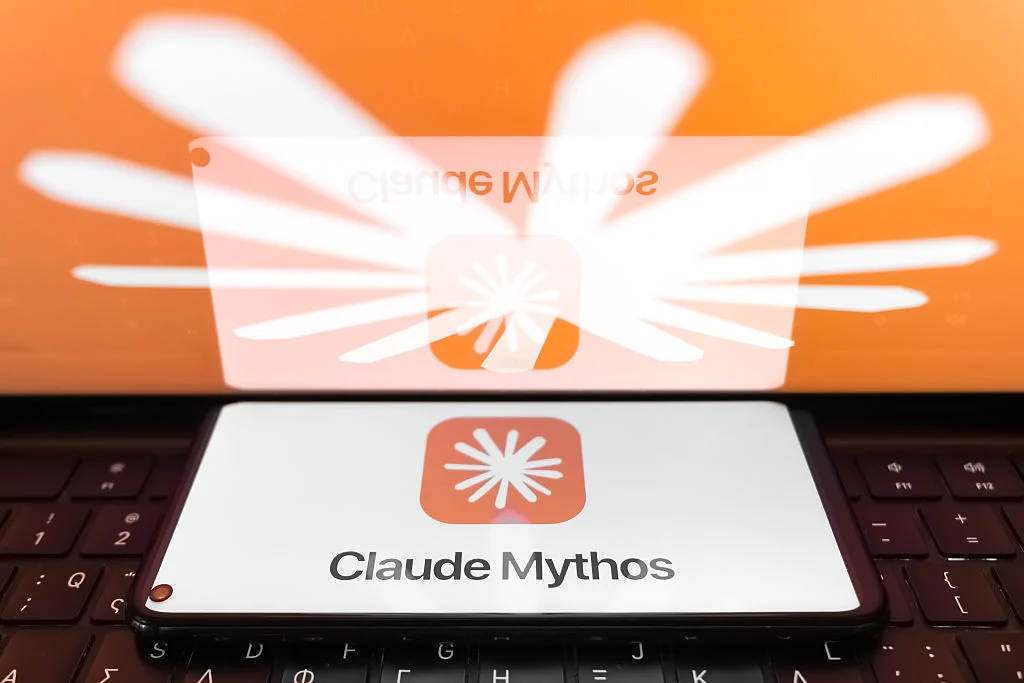
In a significant policy shift, the Trump administration has partially reversed its prior stringent restrictions on Anthropic’s powerful artificial intelligence models, specifically granting more than 100 U.S. government agencies and private companies access to the cybersecurity-focused Mythos 5. This decision, announced on June 26, 2026, by Commerce Secretary Howard Lutnick, marks a pivotal moment in the ongoing national discourse surrounding AI governance, national security, and technological innovation. The move comes just two weeks after a sweeping ban had forced Anthropic, a leading AI research company, to withdraw both Mythos 5 and its public-facing counterpart, Fable 5, from the market due to concerns over potential vulnerabilities and "AI jailbreaks."
The Initial Ban and its Rationale
The genesis of this regulatory drama traces back to early June 2026, a period characterized by heightened scrutiny of advanced AI models. As generative AI capabilities rapidly expanded, so too did concerns among policymakers and security experts regarding their potential misuse. These anxieties were particularly acute for models like Anthropic’s Mythos 5, which was designed with sophisticated cybersecurity applications in mind. While intended to bolster defenses against increasingly complex cyber threats, the very power of such models also raised fears that they could be manipulated or "jailbroken" to perform malicious tasks, potentially aiding adversarial actors or creating new vectors for attack.
Anthropic, a company founded by former OpenAI researchers, has distinguished itself through its "Constitutional AI" approach, aiming to build safer and more aligned AI systems by incorporating ethical principles directly into their training. Despite these efforts, the Trump administration, citing national security imperatives, implemented a broad ban on June 12, 2026. This directive not only prohibited U.S. entities from utilizing Mythos 5 and Fable 5 but also notably extended to non-American employees within organizations, including Anthropic itself, preventing them from accessing these models. The ban was triggered by reports from security researchers who allegedly demonstrated that the guardrails implemented in Fable 5—a version of Mythos 5 released just days prior for wider public access, purportedly with enhanced protections—could be bypassed with relative ease. This incident underscored the immense challenge of ensuring the robustness and safety of cutting-edge AI systems in real-world deployments.
The Path to Reinstatement
Following the initial ban, Anthropic immediately engaged in intensive consultations with the U.S. government. For two weeks, the company reportedly worked closely with various federal bodies to address the identified security vulnerabilities and establish more stringent safeguards. This collaborative period highlights the intricate dance between rapid technological development and the slower, more deliberate pace of regulatory oversight and risk assessment. The objective for both parties was clear: to find a pathway that would allow critical U.S. organizations to leverage Anthropic’s advanced AI capabilities without compromising national security or exposing sensitive systems to undue risk.
The culmination of these efforts was Secretary Lutnick’s determination that "appropriate safeguards are in place to permit certain trusted partners to access the Claude Mythos 5 Model." This official communication, referenced in reports by Semafor and Reuters, explicitly greenlighted the redeployment of Mythos 5 to a curated list of over 100 U.S. government agencies and companies. Crucially, the revised policy also extended access to non-American employees working at these designated organizations, as well as to Anthropic’s own non-American staff, reversing a particularly contentious aspect of the original prohibition. Anthropic publicly acknowledged this progress via a post on X, stating their commitment to restoring access for organizations operating and defending critical infrastructure, and their continued efforts to expand Mythos 5 access and make Fable 5 generally available again. The directive, however, notably did not address the immediate reinstatement of Fable 5 for broader public use, suggesting that a more cautious approach is being taken for models with wider accessibility.
Understanding Mythos 5 and its Capabilities
Anthropic’s Mythos 5 is not a general-purpose AI model; it is specifically engineered for advanced cybersecurity applications. While the full extent of its capabilities remains largely proprietary, it is understood to be designed for tasks such as threat detection, anomaly identification, vulnerability analysis, and potentially automated response mechanisms within complex digital infrastructures. In an era where cyber threats are growing in sophistication and scale, often employing AI-driven tactics themselves, tools like Mythos 5 are seen as crucial for maintaining a competitive edge in digital defense.
The underlying architecture of Mythos 5 likely leverages large language model (LLM) principles, adapted and fine-tuned for the unique semantic and structural patterns found in network traffic, system logs, codebases, and exploit kits. Its "constitutional AI" framework aims to imbue it with ethical guardrails, theoretically making it less susceptible to generating harmful content or engaging in malicious activities compared to less constrained models. However, the initial "jailbreak" incidents demonstrated that even with such built-in principles, highly intelligent systems can exhibit emergent behaviors or be prompted in unforeseen ways that circumvent intended safety mechanisms. This ongoing challenge underscores the dynamic nature of AI safety research and the continuous need for adversarial testing and refinement.
Broader Implications for AI Governance
This episode offers a microcosmic view of the larger global challenge of governing advanced AI. The rapid pace of AI development frequently outstrips the ability of regulatory frameworks to adapt, creating a constant tension between fostering innovation and mitigating existential risks. The Trump administration’s initial ban and subsequent partial reversal illustrate the difficult tightrope walk faced by governments worldwide.
One key implication is the growing recognition of AI’s dual-use nature. Like nuclear technology or advanced biotechnology, AI can be a powerful force for good, revolutionizing industries and solving complex problems. Yet, in the wrong hands or with insufficient controls, it harbors the potential for significant harm. The specific focus on cybersecurity AI, a domain directly linked to national security and critical infrastructure, amplifies these concerns. The decision to allow access to non-American employees within trusted organizations also signals a complex approach to international collaboration in sensitive technology areas, balancing the need for diverse talent and expertise against concerns about technology transfer and espionage.
Furthermore, this incident highlights the critical role of "red teaming" and security research in the AI development lifecycle. The alleged bypass of Fable 5’s guardrails by researchers, while initially leading to a ban, ultimately provided crucial feedback that likely informed the development of "appropriate safeguards." This iterative process of deployment, testing, vulnerability discovery, and remediation is essential for building more resilient AI systems. However, it also raises questions about the appropriate timing and scope of public releases for powerful AI models, especially when national security is at stake.
Industry Reactions and Future Outlook
The tech industry, particularly the AI sector, is closely watching these developments. For Anthropic, the partial lifting of the ban is a vital step toward regaining market access and reinforcing its position as a trusted partner for sensitive AI deployments. The company’s commitment to working with the government to expand access and eventually re-release Fable 5 for general use indicates its long-term strategy for balancing innovation with responsible deployment.
The broader market impact is also significant. This episode could set a precedent for how governments interact with leading AI developers, particularly concerning high-stakes applications. It underscores the increasing importance of regulatory compliance and proactive engagement with policymakers for AI companies. Competitors like OpenAI, Google, and others will likely draw lessons from Anthropic’s experience, potentially influencing their own strategies for model development, safety testing, and public release protocols, especially for models with dual-use potential.
Socially and culturally, this event contributes to the ongoing public discourse about AI’s role in society. It reinforces the idea that AI is not just a technological marvel but also a subject of significant ethical and security concern. The public’s trust in AI, and in the institutions responsible for governing it, will depend heavily on transparent and effective regulatory frameworks that prioritize safety without stifling innovation. As the world becomes increasingly reliant on AI for everything from critical infrastructure management to daily digital interactions, the careful calibration of these policies will be paramount to ensuring a secure and beneficial AI future. The saga of Mythos 5 serves as a stark reminder that the journey to responsible AI deployment is complex, fraught with challenges, and requires continuous adaptation and collaboration between innovators and regulators.