Amir Mahmud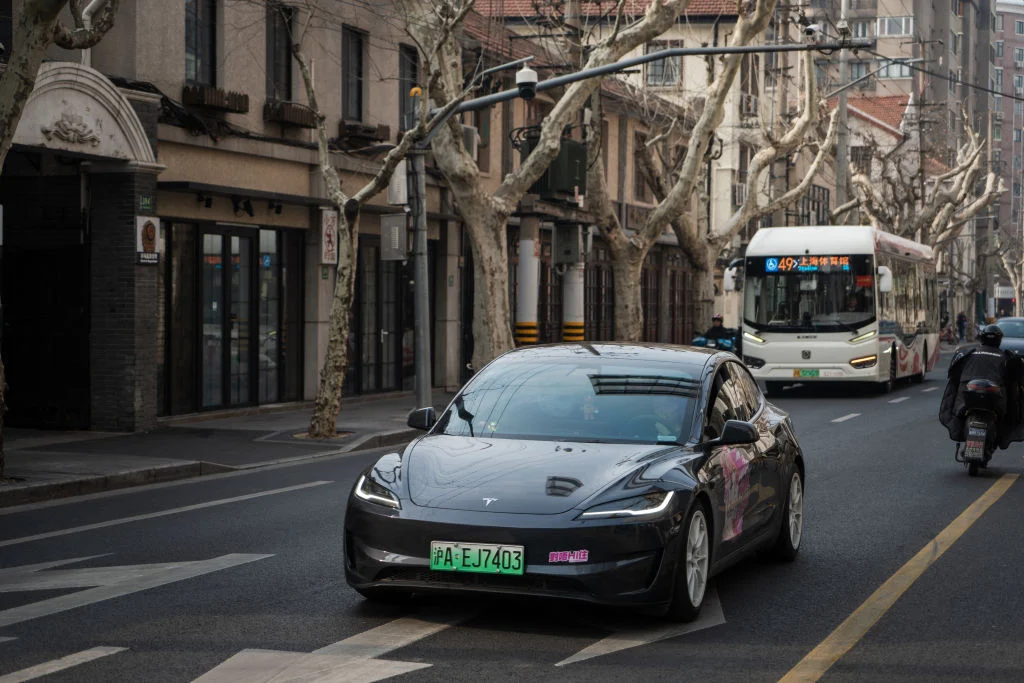
A devastating vehicular incident in Katy, Texas, which resulted in a Tesla Model 3 colliding with a residence and claiming the life of a 76-year-old woman, has reignited a fierce debate surrounding the safety and operational integrity of advanced driver-assistance systems. The collision, occurring on a Friday night, initially drew widespread attention due to the driver’s assertion that the vehicle’s Autopilot feature was engaged. However, by the following Monday, Tesla, typically reserved in its public communications, had launched a robust counter-narrative, presenting data that challenged the initial account and pointed towards driver intervention as the primary factor. This tragic event has not only triggered a federal safety investigation but has also cast a renewed spotlight on the intricate challenges of integrating sophisticated automation with human control on public roads.
The Evolution of Driving Automation and Tesla’s Position
To fully comprehend the complexities of the Katy crash and the ensuing controversy, it is essential to understand the landscape of advanced driver-assistance systems (ADAS). Modern vehicles are increasingly equipped with technologies designed to enhance safety and convenience, ranging from basic cruise control to sophisticated semi-autonomous features. The Society of Automotive Engineers (SAE) International standard J3016 defines six levels of driving automation, from Level 0 (no automation) to Level 5 (full automation under all conditions).
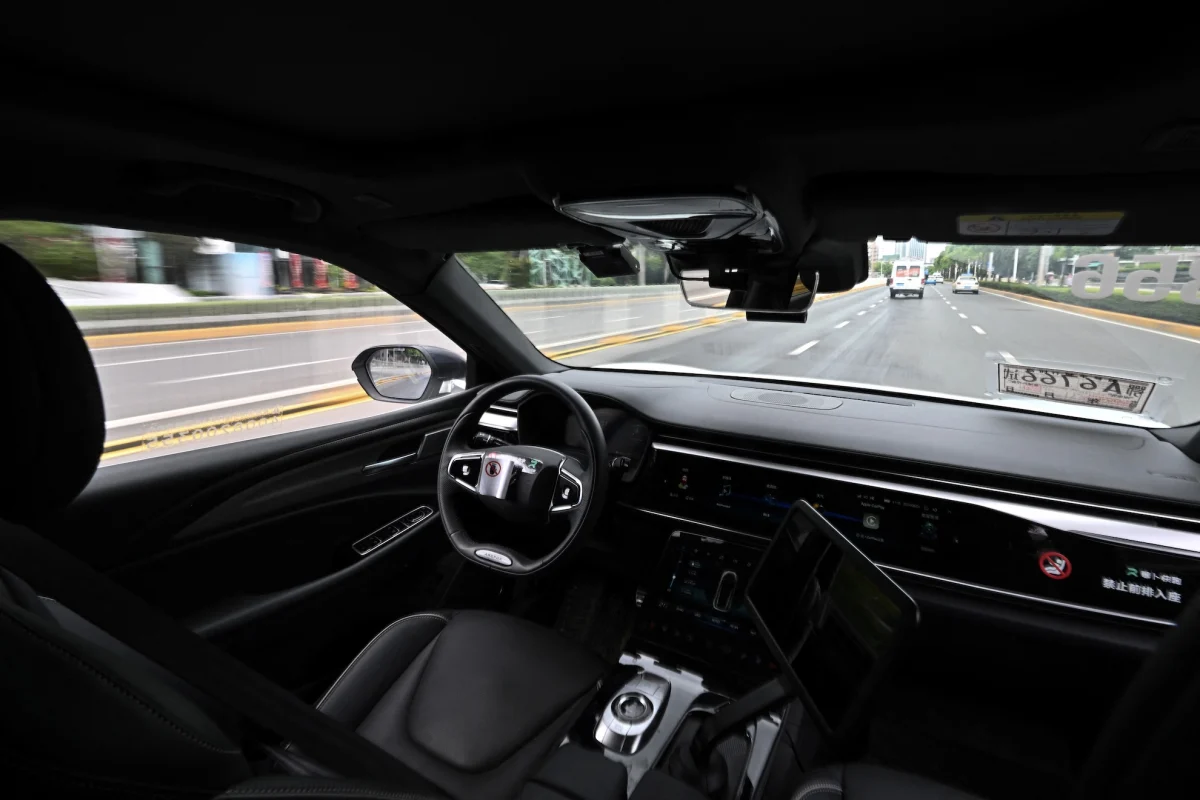
Tesla’s Autopilot and Full Self-Driving (FSD) capabilities fall under Level 2 automation. At this level, the vehicle can control both steering and acceleration/deceleration under certain conditions, but the human driver is explicitly required to monitor the environment continuously and be ready to take over at any moment. Features like Traffic-Aware Cruise Control, Autosteer, Automatic Lane Changes, and Navigation on Autopilot are hallmarks of Tesla’s ADAS suite. The company’s marketing terminology, particularly "Autopilot" and "Full Self-Driving," has long been a point of contention. Critics argue that these names could misleadingly suggest a greater degree of autonomy than the systems actually possess, potentially leading drivers to become complacent or over-reliant. Regulatory bodies have previously expressed concerns that such branding might contribute to driver misuse or a false sense of security, blurring the lines between driver assistance and true self-driving.
The development of ADAS has been a gradual process. Early innovations in the 1990s included anti-lock braking systems (ABS) and traction control. The 2000s saw the introduction of adaptive cruise control and lane departure warning systems. By the 2010s, features like automatic emergency braking and lane-keeping assist became more common, paving the way for integrated Level 2 systems like Tesla’s Autopilot, which debuted in 2014. This historical progression highlights a steady march towards automation, yet also underscores the persistent challenge of ensuring driver engagement and understanding of system limitations.
The Katy Incident: A Tragic Collision and Initial Claims
The incident unfolded on a Friday evening when a Tesla Model 3, operated by Michael Butler, veered off a residential road in Katy, Texas. The vehicle then violently impacted the home of Martha Avila, a 76-year-old resident. Ms. Avila sustained critical injuries and was airlifted to a medical facility, where she was tragically pronounced dead.
In the immediate aftermath of the crash, law enforcement officials from the Harris County Sheriff’s Office reported that Butler informed deputies the Tesla’s Autopilot system was active at the time of the collision. This detail rapidly disseminated across news outlets and social media platforms, quickly becoming a central point in the ongoing, often polarized, public discourse surrounding the safety and reliability of Tesla’s driver-assistance technologies. The narrative of an "Autopilot crash" swiftly took hold, fueling long-standing debates among technology enthusiasts, automotive safety advocates, and the general public about the readiness of semi-autonomous systems for widespread adoption and the ethical responsibilities of their manufacturers. The incident tapped into existing anxieties about artificial intelligence controlling critical functions and the potential for technological failures to lead to catastrophic outcomes.
Tesla’s Swift Rebuttal and Data-Driven Defense
In an uncharacteristic move for a company known for its minimal public relations engagement—often responding to press inquiries with automated, sometimes cryptic, replies—Tesla promptly broke its silence to challenge the prevailing narrative. On Monday, Ashok Elluswamy, the director of Tesla’s Autopilot software and the pioneering engineer hired for the Autopilot team in 2014, utilized the social media platform X (formerly Twitter) to present a starkly different interpretation of the events.
Elluswamy’s post detailed specific vehicle data logs, asserting, "In this case, the driver manually overrode self-driving by pressing the accelerator all the way to 100% of the accel pedal in this residential area." He further elaborated on the severity of the incident, stating, "They reached a speed of 73 mph during the crash, and had the accelerator pressed even after the crash." This detailed account suggested a direct and forceful human intervention that superseded any automated system control.
Shortly thereafter, Tesla CEO Elon Musk amplified Elluswamy’s points on his own X account, reinforcing the company’s position. Musk commented, "This [allegation] makes no sense. FSD drives slowly through neighborhood streets and this was a high-speed crash!" The combined statements from key Tesla figures were intended to unequivocally shift the responsibility from the vehicle’s automated systems to the actions of the human driver. The implication was clear: regardless of whether Autopilot or FSD was ostensibly engaged, a driver accelerating to such extreme speeds in a residential zone, and maintaining that acceleration even post-impact, points to human error as the decisive factor, not a technological malfunction. This public defense highlights the critical role of telematics data in accident investigations involving advanced vehicle technologies, allowing manufacturers to present their interpretation of events directly to the public.
Federal Oversight and Broadening Investigations
The conflicting accounts surrounding the Katy crash have inevitably drawn the attention of federal regulatory bodies, which are mandated to ensure vehicle safety and investigate incidents involving new technologies. The National Highway Traffic Safety Administration (NHTSA), the primary U.S. agency responsible for vehicle safety, promptly announced the initiation of a special crash investigation (SCI) into the Katy incident.
SCIs are detailed, in-depth probes conducted by NHTSA for crashes that involve emerging technologies, unusual circumstances, or significant public interest. These investigations aim to gather comprehensive data, analyze contributing factors, and inform future safety regulations. This particular investigation into the Katy crash is reportedly one of more than 40 such probes launched by NHTSA in recent years concerning Tesla vehicles where advanced driver-assistance systems are believed to have been involved. This growing number of investigations underscores a consistent pattern of scrutiny by federal regulators into how these systems operate in real-world conditions and how drivers interact with them. The cumulative findings from these SCIs will be crucial in shaping the regulatory framework for autonomous and semi-autonomous vehicles.
Beyond the federal inquiry, the Harris County Sheriff’s Office is continuing its local investigation. Upon its conclusion, the Sheriff’s Office will present its findings to the local district attorney. This step is critical in determining whether the available evidence warrants the filing of criminal charges against the driver, Michael Butler. Potential charges could range from negligent homicide to reckless driving, depending on the specifics of the investigation and the applicable state laws. This dual-track approach—federal safety investigation and local criminal inquiry—underscores the multi-faceted nature of accountability in accidents involving sophisticated automotive technology and human operation.
Market, Social, and Cultural Repercussions
Incidents like the Katy crash carry significant weight, extending far beyond the immediate investigation. They ripple through the market, influencing public perception, shaping cultural attitudes towards technology, and impacting the broader automotive industry.
Public Trust and Perception: Each high-profile incident involving an ADAS-equipped vehicle, particularly those resulting in fatalities, has the potential to erode public trust in autonomous driving technologies. Despite the statistical safety benefits often cited by proponents, human psychology tends to be more heavily influenced by dramatic, tragic events. The perception of a "robot car" causing death can generate fear and skepticism, potentially slowing the adoption of technologies that could, in the long run, make roads safer by reducing human error.
Industry Standards and Competition: The intense scrutiny on Tesla also puts pressure on other automakers developing their own ADAS and autonomous driving solutions. The industry is in a race to develop and deploy these technologies, but incidents like this emphasize the paramount importance of safety, rigorous testing, and clear communication of system capabilities and limitations. Manufacturers face the challenge of balancing innovation with public safety, knowing that one major incident could set back the entire industry’s progress.
Regulatory Frameworks and Policy Debates: The ongoing investigations contribute to a broader conversation among policymakers about how to effectively regulate rapidly evolving automotive AI. Current laws and regulations were largely conceived for human-driven vehicles. The advent of semi-autonomous and autonomous systems necessitates new frameworks addressing liability, certification, data privacy, and ethical considerations. The tension between fostering innovation and ensuring public safety remains a central theme in these policy debates.
Cultural Impact and Human-Machine Interaction: Culturally, these events force society to confront complex questions about the relationship between humans and advanced machines. The "human-in-the-loop" problem, where drivers become over-reliant or disengaged from monitoring ADAS, is a significant concern. The psychological transition from active driver to passive monitor is not always smooth, and the industry is grappling with how to design interfaces and provide education that ensures drivers maintain appropriate situational awareness and readiness to intervene. The evocative names like "Autopilot" can further complicate this by subtly influencing driver behavior and expectations.
Analytical Commentary and Future Challenges
The Katy crash serves as a stark reminder of the inherent complexities at the intersection of human behavior and advanced machine capabilities. Determining ultimate responsibility in such incidents is often challenging, as it frequently involves a nuanced interplay of human input, software commands, and environmental factors. The "black box" data logs from modern vehicles, like those cited by Tesla, are becoming increasingly vital in unraveling the sequence of events, yet their interpretation can still be subject to expert analysis and debate.
One of the central challenges for the automotive industry and regulators is the clear communication of ADAS limitations. While these systems offer significant safety and convenience benefits, they are not infallible and are not yet truly "self-driving" in the absence of human supervision. The gap between consumer expectations, influenced by marketing, and the actual capabilities of Level 2 systems remains a critical area of concern. Education campaigns and clearer branding might be necessary to ensure drivers understand their ongoing responsibility.
Furthermore, the investigation into the Katy incident highlights the delicate balance between fostering technological innovation and ensuring robust safety oversight. As autonomous capabilities advance, so too must the regulatory mechanisms and public understanding to keep pace. The ultimate resolution of this case will not only determine potential legal consequences for the driver but will also provide crucial insights that could influence the design, marketing, and regulation of advanced driver-assistance systems for years to come.
In conclusion, the fatal crash in Katy, Texas, is more than an isolated incident; it is a microcosm of the broader challenges and debates surrounding the future of driving. As federal investigators meticulously comb through vehicle data and reconstruct the events, the findings will undoubtedly shape the narrative, influence policy, and contribute to the ongoing evolution of how humans and machines share the responsibility of navigating our roads. The stakes are profoundly high, involving not only the safety of individuals but also the trajectory of an entire technological frontier.


 Azin Asro