Amir Mahmud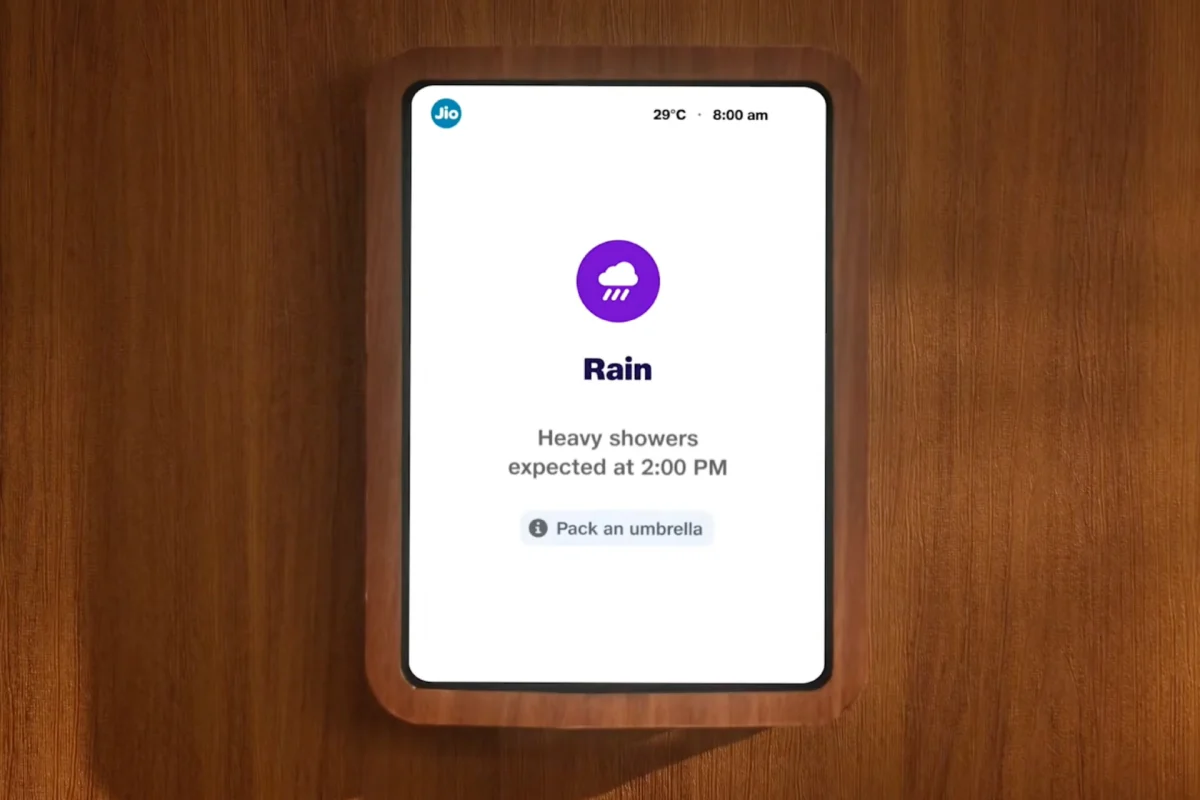
India’s quest for a prominent position in the global artificial intelligence arena is taking a definitive turn, with billionaire Mukesh Ambani positioning his conglomerate, Reliance Industries, as a pivotal national champion. The company is embarking on an ambitious rollout of AI services designed to permeate every aspect of digital life, from daily communications to integrated home environments, aiming to transform India’s technological landscape.
The Core of the AI Initiative: Seamless Integration
At its recent annual shareholder meeting, the Mumbai-based industrial giant unveiled a series of groundbreaking AI-driven offerings, signaling a profound strategic shift. Among the most anticipated is the Jio Call Agent, an intelligent assistant slated for launch later this year, poised to serve Jio’s expansive user base of over 500 million. This innovative service will integrate directly into phone calls, offering real-time transcription, concise conversation summaries, and the ability to execute a range of tasks through voice commands, such as booking transportation, ordering meals, and making reservations. Users can activate this sophisticated assistant simply by uttering "Hey Jio."
This approach represents a significant departure from conventional app-based AI solutions. By embedding the AI directly into its extensive telecommunications network, Jio seeks to make AI assistance a native and indispensable feature of phone calls. This strategy is designed to diminish consumer reliance on third-party call-assistant applications and confers a substantial distribution advantage to Reliance in an increasingly competitive AI market. The seamless integration promises a more fluid and intuitive user experience, potentially setting a new standard for how individuals interact with their mobile devices and digital services. Beyond call assistance, Reliance also introduced an AI-enhanced version of its MyJio application. This intelligent app is capable of fulfilling user requests, from activating eSIMs to selecting appropriate roaming plans, all through natural language interaction, further streamlining digital interactions for its vast customer base.
Extending Intelligence into the Home: TeleFrame and Ambient AI
Reliance’s AI vision extends beyond personal devices into the domestic sphere with the introduction of TeleFrame, a sophisticated home display unit. This device leverages AI agents to proactively present relevant information and recommendations to users, including real-time weather alerts, personalized schedules, and timely household reminders. The development of TeleFrame aligns with a broader industry trend toward ambient AI assistants, a domain actively explored by global tech titans such as Amazon and Google with their smart home ecosystems.
Ambient AI signifies a paradigm where artificial intelligence is seamlessly integrated into the environment, operating unobtrusively in the background to anticipate and fulfill user needs without explicit commands. TeleFrame aims to embody this principle, creating a more intuitive and responsive living space. Its ability to intelligently surface information could profoundly impact daily routines, transforming homes into more connected and efficient environments. This strategic move positions Reliance not just as a telecom provider, but as a key player in shaping the future of smart living in India, catering to a market segment increasingly interested in integrated home technologies.
India’s National AI Ambition and Reliance’s Role
The announcements underscore the next evolutionary phase of Reliance’s AI ambitions, reflecting India’s overarching goal to cultivate robust domestic capabilities in a field predominantly shaped by technology behemoths from the United States and China. Mukesh Ambani, a prominent voice in India’s industrial landscape, articulated this national imperative, stating that India must transcend being merely a consumer of externally developed AI. Instead, he envisions the nation evolving into a "creator, adopter, and a global leader in AI."
This strategic push builds upon the foundation laid last year with the launch of Reliance Intelligence, an initiative designed to foster comprehensive AI infrastructure and services for a diverse range of stakeholders, including individual consumers, businesses, and governmental entities. A crucial aspect of this initiative is its commitment to developing applications that support 22 Indian languages, a testament to the country’s linguistic diversity and a critical step towards inclusive technological adoption. Historically, India has often relied on imported technology, a dependency that has sometimes limited innovation tailored to local contexts. Reliance’s move is a clear effort to reverse this trend, fostering self-reliance and technological sovereignty.
To accelerate its AI development, Reliance has forged strategic alliances with leading global technology firms, including Google, Meta, and Nvidia. These partnerships are instrumental in leveraging international expertise and technology while building indigenous capabilities. Earlier this year, the conglomerate declared an ambitious investment plan of $110 billion dedicated to AI infrastructure, a monumental commitment aimed at solidifying its position as a dominant force within India’s burgeoning AI ecosystem. This substantial investment is expected to catalyze innovation, create jobs, and establish India as a significant hub for AI research and development, contributing to the nation’s economic growth and technological prowess.
Sector-Specific AI Solutions for a Diverse Nation
Beyond generalized AI services, Reliance unveiled a comprehensive suite of AI solutions tailored for critical sectors: healthcare, education, agriculture, and small businesses. Branded as JioHealthIQ, JioLearnIQ, JioKrishiIQ, and AI Vyapar, these products are meticulously designed to operate across multiple Indian languages and to address the specific needs and challenges prevalent within local contexts.
JioHealthIQ aims to revolutionize healthcare accessibility and delivery, potentially offering personalized health insights, diagnostic assistance, and remote care options, particularly beneficial in rural areas with limited medical infrastructure. JioLearnIQ seeks to democratize education by providing adaptive learning platforms, personalized tutoring, and content accessible in various regional languages, thereby bridging educational gaps. JioKrishiIQ is poised to empower farmers with data-driven insights on crop management, weather forecasting, and market prices, optimizing agricultural practices and improving livelihoods in a country where agriculture remains a cornerstone of the economy. Finally, AI Vyapar targets small businesses, offering intelligent tools for inventory management, customer relationship management, and market analysis, enabling them to compete more effectively in an increasingly digital marketplace. These sector-specific initiatives highlight Reliance’s understanding of India’s unique socio-economic fabric, demonstrating a commitment to harnessing AI for widespread societal benefit and inclusive growth.
Financial Implications and Data Governance Concerns
The shareholder meeting also delivered significant news for investors eagerly anticipating the stock market debut of Jio Platforms, Reliance’s digital and telecom arm. Mukesh Ambani confirmed that Jio Platforms’ board had greenlit a draft prospectus for an initial public offering (IPO), which would encompass a fresh issue of up to 270 million shares. This long-awaited IPO is seen as a crucial step for Jio to unlock further value and secure capital for its ambitious expansion plans. The market has been closely watching Jio’s trajectory, especially as the conglomerate’s shares have experienced a decline of approximately 17% this year, underscoring the imperative for new growth drivers.
However, the expansive nature of Reliance’s AI ambitions, particularly the integration of services across phone calls, mobile applications, and connected homes, inevitably raises pertinent questions regarding user data handling. While the company affirmed that these services would operate with user consent, it refrained from providing detailed answers on whether the data generated through these products could be utilized to train its AI models or be shared with technology partners. This aspect of data governance is a growing concern globally, as AI systems rely heavily on vast datasets, and the ethical implications of data collection, usage, and privacy are under increasing scrutiny. Balancing innovation with robust data protection mechanisms will be a critical challenge for Reliance as it scales its AI offerings, demanding transparency and stringent adherence to evolving data privacy regulations.
The Broader Indian AI Landscape and Competition
Reliance’s aggressive foray into AI unfolds against a backdrop where Indian companies have historically been heavily dependent on foreign AI models and cloud service providers. Recent events, such as restrictions imposed on access to some of Anthropic’s advanced models, have starkly highlighted this dependency. Such instances underscore the inherent supply-chain risks, demonstrating how decisions made by overseas technology firms can directly impact startups and established businesses developing AI products within India. This vulnerability is a significant catalyst for Indian conglomerates to invest in building their own technological stacks rather than solely relying on external infrastructure.
In a move to fortify its foundational AI capabilities, Reliance recently announced a collaboration with Meta to establish an AI data center in the western Indian state of Gujarat. This partnership builds upon Meta’s prior investment in Jio Platforms and a joint venture initiated last year to develop AI solutions for enterprise clients both within India and in international markets. Reliance is not alone in pursuing these opportunities; other major Indian corporations, including Tata Consultancy Services, Infosys, and its formidable rival Adani Group, have also intensified their AI initiatives. These companies are actively forging partnerships with global AI leaders such as Anthropic, Google, and OpenAI, signaling an intense race among India’s largest conglomerates to secure a dominant position in the nation’s burgeoning AI future. This competitive landscape is driving significant investment and innovation, collectively propelling India towards becoming a global AI powerhouse.
Ultimately, Reliance’s vision for a pervasive AI ecosystem reflects a strategic commitment to shaping India’s digital destiny. By integrating advanced intelligence into the fabric of everyday life, from communication to commerce and home management, the conglomerate aims to not only drive its own growth but also to establish India as a leader in the global AI domain. The path ahead will involve navigating complex technological, ethical, and market challenges, but the ambition to redefine India’s digital future through AI is unmistakably clear.