Amir Mahmud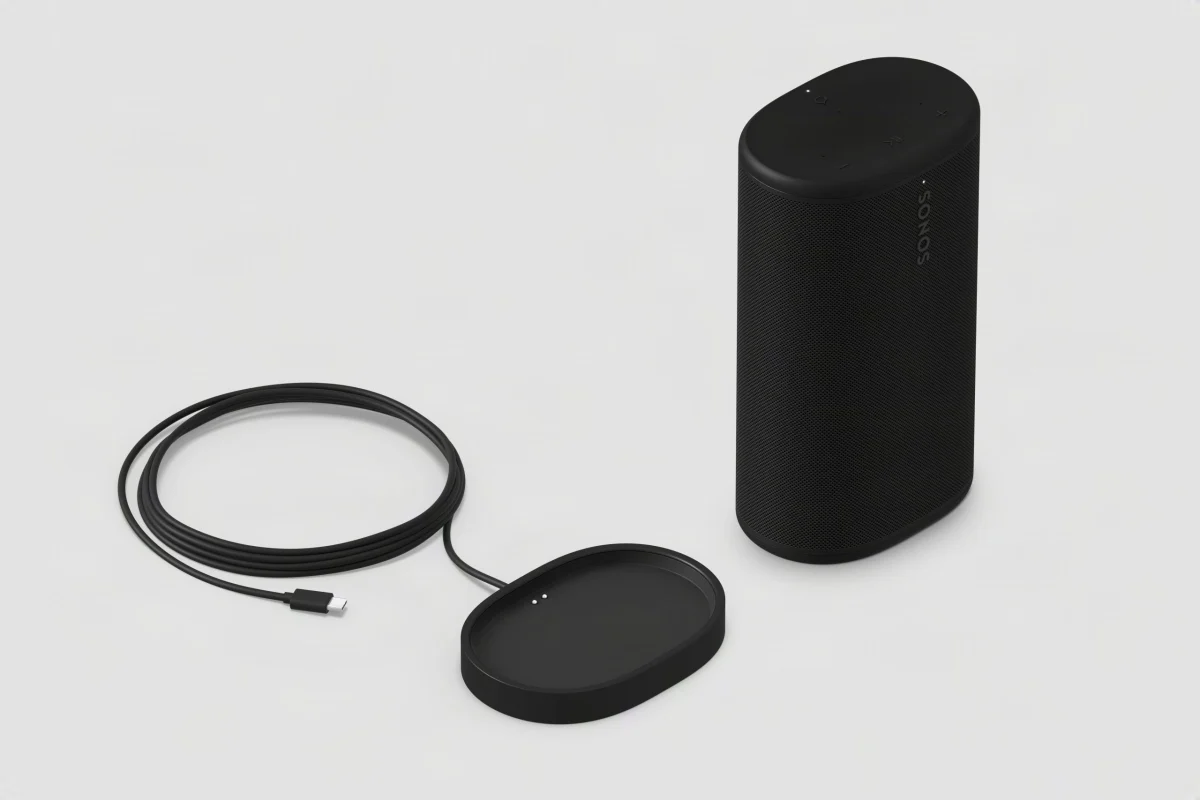
In a significant move for the home audio innovator, Sonos has introduced its newest speaker, simply dubbed "the Play," marking the company’s first major device launch in over a year. This versatile audio device distinguishes itself by seamlessly bridging the gap between a stationary home speaker and a portable companion, a design philosophy increasingly relevant in contemporary living and working environments. For many who spend their days working remotely, traditional headphones often serve as the primary audio interface, yet the demand for a compact, high-quality speaker that doesn’t monopolize desk space has steadily grown. The Play emerges as a compelling answer to this evolving consumer need, offering a robust sound experience adaptable to various settings within and beyond the home.
A Legacy of Connected Audio
Sonos, established in 2002, carved out its niche by pioneering wireless multi-room audio systems long before smart speakers became commonplace. The company’s early offerings transformed how consumers interacted with music throughout their homes, shifting from cumbersome wired setups to an elegant, app-controlled ecosystem. Products like the original Play:5, Play:3, and Play:1 speakers became synonymous with premium sound quality and unparalleled connectivity, allowing users to stream audio from a multitude of services to any room, or all rooms, simultaneously. This foundational commitment to high-fidelity sound and intuitive network integration built a loyal customer base and cemented Sonos’s reputation as a leader in the audio technology space.
Over the past decade, the audio market has undergone substantial shifts, driven by the proliferation of smart home devices, the rise of voice assistants, and an increasing desire for personal and portable listening experiences. Recognizing these trends, Sonos expanded its portfolio to include soundbars for home theater, and more recently, entered the portable speaker segment with devices like the Sonos Move and Sonos Roam. These products demonstrated the company’s capability to adapt its core technologies for use outside the traditional home network, often incorporating Bluetooth alongside Wi-Fi connectivity. The introduction of the Play speaker in March builds upon this evolution, refining the concept of a truly adaptable audio device that caters to a modern, flexible lifestyle. It represents Sonos’s continuous effort to innovate within its ecosystem while responding to dynamic user behaviors and market demands.
The Hybrid Concept: Blending Stationary and Mobile
The essence of the Play speaker lies in its dual functionality: it’s designed to be both an integral part of a home audio setup and a readily portable unit. Priced at $299, the device features a sleek, pill-shaped design that rests comfortably in a dedicated dock, making it an unobtrusive fixture on a desk or kitchen counter. However, its true ingenuity emerges in its portability. Weighing approximately 1.3 kilograms (about 2.8 pounds), it strikes a balance between substance and maneuverability. An integrated "utility loop" on its rear further enhances its grab-and-go appeal, facilitating easy transport around the house or to outdoor spaces. This hybrid design directly addresses the common scenario where an individual might begin listening to a podcast or music at their workspace and wish to continue that audio experience uninterrupted as they transition to another activity, such as cooking in the kitchen or relaxing on a patio.
The advantage over personal audio devices like headphones or earbuds, especially in a home environment, is significant. Utilizing a speaker like the Play allows individuals to remain attuned to their surroundings, fostering a greater sense of awareness. This means not missing important conversations with family members, being alert to doorbells or phone calls, and generally maintaining an open connection to the ambient sounds of one’s living space. This feature becomes particularly valuable for individuals working from home, where the line between professional focus and personal life often blurs, necessitating tools that support both without compromise. The Play’s design ethos caters directly to this fluid interaction with one’s environment, offering continuous audio without the isolation that headphones inherently create.
Audio Engineering and Performance
Underpinning the Play’s versatile design is a meticulously engineered audio architecture aimed at delivering Sonos’s signature sound quality in a compact form factor. The speaker incorporates a sophisticated array of components, including dual-angled tweeters, a dedicated mid-woofer, and three digital amplifiers, all working in concert to produce a balanced and detailed sound profile. To enhance the low-frequency response, particularly when used outdoors where bass can dissipate quickly, the Play is also equipped with two passive radiators. This combination ensures that the audio output remains rich and full-bodied across various environments.
At moderate listening volumes, the speaker excels in clarity and instrument separation, allowing individual elements within a musical track to be distinctly heard. This precision contributes to an engaging listening experience, whether it’s the intricate layers of an orchestral piece or the subtle nuances of a vocal performance. However, due to its compact size, the soundstage – the perceived breadth and depth of the audio – tends to be relatively narrow. While this is a common characteristic for single-unit portable speakers, it means the music might feel more contained rather than expansively filling a large room. At higher volumes, some of this clarity can diminish, suggesting that the Play is optimally suited for personal listening or smaller gatherings rather than attempting to serve as the sole audio source for a large party. For those seeking to fill a more expansive space with robust sound, other Sonos offerings like the Era 100 SL, which launched concurrently with the Play, are specifically designed for greater room-filling capability.
A notable feature is the ability to pair two Play units into a stereo configuration. This can be achieved conveniently through the Sonos application or, more intuitively, by simultaneously pressing and holding the play/pause buttons on both speakers. This stereo pairing significantly enhances the audio experience, widening the soundstage and adding a greater sense of immersion, particularly beneficial for music playback. While technically capable of handling television audio, the Play’s design and sound profile are not optimized for a dedicated home theater setup, making its stereo pairing more impactful for musical enjoyment. Furthermore, the speaker benefits from Sonos’s Trueplay technology, which automatically calibrates the sound output based on the acoustic properties of its environment. Unlike earlier iterations that required users to manually wave their phone around the room for calibration, the Play’s Trueplay system leverages its integrated microphones for an automatic, seamless optimization process. This hands-free calibration ensures that the speaker consistently delivers the best possible sound quality regardless of its placement, a crucial advantage for a device designed for frequent relocation.
Design, Durability, and User Interface
Beyond its acoustic capabilities, the Play speaker demonstrates a thoughtful approach to physical design and user interaction. Its sturdy construction and IP67 rating signify a high level of durability, making it resistant to dust ingress and capable of withstanding submersion in up to one meter of water for 30 minutes. This robust build quality means the speaker can confidently accompany users to the kitchen, bathroom, or outdoor settings without concern for splashes or light rain. During testing, the speaker proved resilient to direct water exposure, affirming its readiness for various environments. An additional practical feature for outdoor or on-the-go usage is its ability to function as a power bank, offering a convenient charging solution for a smartphone when electrical outlets are scarce.
The user interface incorporates both physical controls and integrated voice assistants. While voice commands via Sonos Assistant or Amazon Alexa offer hands-free control for playback, volume, and smart home functions, the presence of physical buttons provides an alternative that can be more convenient in certain situations. For instance, when hands are wet or messy – a common occurrence in a kitchen – tactile buttons are often preferable to voice commands or delicate touchscreen interactions. However, the design of these physical controls on the Play is minimalist, with buttons matching the silicone top in color and barely raised above the surface. This aesthetic choice, while sleek, introduces a minor learning curve as users initially struggle to locate them by feel. After a few days of use, muscle memory typically takes over, but a design with clearer contrast or more pronounced tactile feedback could have enhanced the initial user experience.
Navigating the Software Ecosystem
Sonos’s integrated software ecosystem, managed primarily through its proprietary app, is central to its user experience. Historically, the company has faced well-documented challenges with its application, including instances of disappearing speakers, unreliable volume controls, and general connectivity glitches. While Sonos has made concerted efforts to address these issues and has delivered meaningful improvements, some rough edges persist with the Play speaker. Users occasionally report minor lag between the speaker and connected devices, such as a MacBook, and a noticeable delay before the speaker responds to play or pause commands from platforms like YouTube.
Integration with various music services and external protocols like Apple’s AirPlay generally functions well, but inconsistencies can arise. Switching audio output between different speakers, for example, operates reliably through AirPlay but has been noted to fail repeatedly within the Sonos app until specific integrations, such as Apple Music, are installed. Even then, the process of switching audio sources can feel more cumbersome than necessary, often requiring an extra "Apply" button press within the Sonos app to confirm changes, a step not present in the more streamlined AirPlay interface. Furthermore, a specific bug has been identified with Pocket Casts integration, causing podcasts to restart from the beginning instead of resuming from the last played position. These software quirks, while not necessarily deal-breakers, underscore the ongoing challenge for Sonos to maintain a perfectly seamless experience across its expanding product line and diverse third-party integrations. However, Sonos has historically shown a willingness to iterate and refine its software, suggesting that these issues may be addressed in future updates.
Market Context and Competitive Landscape
The Sonos Play enters a highly competitive audio market, positioning itself as a premium hybrid solution. Its $299 price point places it squarely against a range of portable Bluetooth speakers and entry-level smart home devices. Within Sonos’s own extensive lineup, the Play carves out a distinct niche. For users whose primary concern is filling a room with sound and who do not require portability, the Era 100 ($219) or Era 100 SL ($189) offer a more powerful audio experience for less money. Conversely, for those prioritizing extreme portability and ruggedness for outdoor adventures, the Sonos Roam 2 or competitors like the JBL Charge 6 present more specialized alternatives.
The Play’s unique selling proposition lies precisely in its versatility – the ability to transition effortlessly from a fixed desk or kitchen companion to a portable unit for the backyard or patio. This makes it particularly appealing to individuals who value flexibility and consistency in their audio experience across different settings. Its target audience likely includes remote workers seeking a superior desk audio solution, small families desiring adaptable sound for various household activities, and existing Sonos users looking to expand their ecosystem with a truly portable option. While the app’s minor issues are a consideration, the speaker’s overall performance, robust build, and intelligent design make a compelling case for its value proposition. For consumers seeking a single device that capably handles both indoor stationary and outdoor portable listening with Sonos’s renowned sound quality, the Play stands out as a strong contender in the evolving landscape of personal and home audio.