Amir Mahmud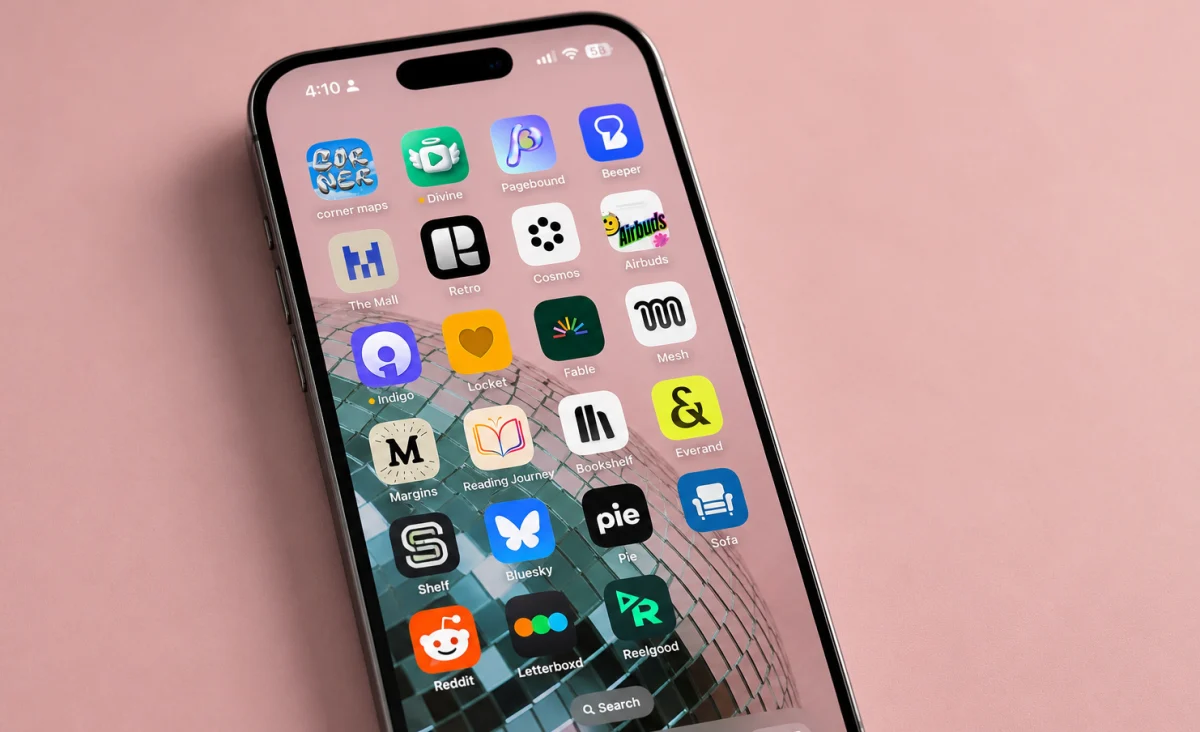
For a considerable period, the digital landscape of social interaction has been largely dictated by a handful of formidable technology corporations, including Meta with its expansive ecosystem of Facebook, Instagram, and WhatsApp, Google’s ubiquitous YouTube, the ephemeral appeal of Snapchat, the viral juggernaut TikTok, and the evolving platform now known as X. However, a significant paradigm shift is underway, driven by a burgeoning collection of innovative startups. These emerging players are challenging the established order by crafting novel social networking experiences that prioritize intimacy, specialized interests, and more tightly-knit communities, offering a distinct departure from the broad, often impersonal reach of their colossal predecessors.
This evolving digital environment presents compelling alternatives for individuals seeking to reduce their reliance on conventional social media and the broader suite of Big Tech offerings. A notable trend reveals that younger demographics, particularly Gen Z, demonstrate a greater willingness to cultivate their social circles within these nascent digital spaces. This contrasts with older users who often have deeply entrenched networks on legacy platforms, making a transition more complex. The allure of these new platforms lies in their promise of authenticity, enhanced privacy, and a return to more meaningful connections, addressing a growing dissatisfaction with the often-overwhelming, algorithm-driven feeds of mainstream social media.
The Evolution of Digital Connection: A Historical Perspective
The journey of social media began in earnest in the early 2000s, with pioneers like Friendster and MySpace paving the way for platforms designed to connect individuals online. Facebook, launched in 2004, rapidly ascended to dominance by offering a more polished interface and a focus on real-world connections, initially exclusive to college students. Its expansion to the general public marked a turning point, ushering in an era of unprecedented digital interconnectedness. Instagram, acquired by Facebook (now Meta) in 2012, capitalized on the visual appeal of photo sharing, while Twitter (now X), launched in 2006, carved out a niche for real-time information exchange and public discourse.
The late 2010s saw the rise of video-centric platforms like Snapchat and TikTok, which further diversified the social media landscape, particularly appealing to younger audiences with their innovative formats and content creation tools. These platforms, while offering immense reach and diverse content, have also become synonymous with concerns regarding data privacy, mental health impacts, the spread of misinformation, and the pressures of cultivating a public persona. This backdrop of widespread use coupled with growing user fatigue has created fertile ground for new entrants to reimagine the fundamental tenets of social interaction online.
A New Chapter: Prioritizing Niche and Personalization
The current wave of social applications represents a clear pivot away from the "one-size-fits-all" approach of the past. Users are increasingly seeking digital spaces that reflect their specific interests, values, and preferred modes of interaction, rather than conforming to the demands of mass-market platforms. This trend is a direct response to the perceived downsides of traditional social media, such as overwhelming content volume, intrusive advertising, algorithmic manipulation, and the erosion of genuine connection in favor of viral content or influencer culture. The emerging apps aim to foster smaller, more curated communities where individuals can engage more authentically without the pressure of constant performance or the noise of the broader internet.
This shift underscores a broader cultural movement towards intentionality in digital engagement. Instead of passively consuming endless feeds, users are actively choosing platforms that align with their desire for privacy, creativity, specific hobbies, or deeper personal connections. This market fragmentation, while challenging for startups aiming for scale, offers a promising future for diverse and specialized online communities.
Below, we explore some of the noteworthy applications leading this charge:
Retro: Curated Memories with Close Friends
Retro is a meticulously crafted photo-sharing application designed to facilitate more private and meaningful connections among friends. Developed by Nathan Sharp and Ryan Olson, both former members of the Instagram team, Retro distinguishes itself by focusing on intimate photo sharing rather than public broadcasting. Its features allow users to share photos with a select group, curate weekly highlights, organize images into albums, and rediscover personal memories. Privacy controls are a core element, enabling users to manage who sees their historical content beyond the most recent month. This approach directly counters the often-public, curated performance associated with mainstream photo platforms, appealing to those who desire a more authentic and less performative space for their visual memories.
Available on iOS and Android.
Cosmos: A Universe of Creative Inspiration
For individuals weary of the generic or AI-generated content prevalent on platforms like Pinterest, Cosmos offers a refreshing sanctuary. Positioned as a "space for inspiration," the app empowers users to construct profiles based on their unique aesthetic tastes, allowing searches by color, keyword, or image. It fosters a community of "tastemakers" where users can follow friends, collaborate on thematic collections, and discover interesting products that resonate with their personal style. Cosmos elevates the concept of visual discovery by emphasizing genuine curation and a more refined user experience, attracting creative types and design enthusiasts seeking authentic sources of inspiration.
Available on iOS and Android.
Indigo: Bridging the Decentralized Social Frontier
In an era where the dominance of centralized platforms like X (formerly Twitter) is increasingly questioned, decentralized social networks such as Mastodon and Bluesky offer a different model, prioritizing user control and interoperability. However, navigating multiple decentralized platforms can be cumbersome. Indigo addresses this challenge by providing a unified application that allows users to participate in both Mastodon and Bluesky simultaneously. It features a consolidated timeline, a cross-posting composer, access to custom feeds, and extensive personalization options. Co-created by experienced iOS developers Ben McCarthy and Aaron Vegh, Indigo offers a polished solution for those embracing the "Fediverse," making the transition to and management of open social web experiences more accessible.
Available on iOS only.
Corner: Social Cartography for the Modern Explorer
Corner boldly describes itself as "Google Maps but social," an apt characterization for an app that transforms location discovery into a community-driven experience. With a rapidly expanding user base, Corner empowers individuals to curate and share their favorite local and international spots. Users can create public or private lists—dubbed "gatekeeping"—covering everything from the best dumpling spots and queer nightlife to indie bookshops and live jazz venues. This hyper-specific curation contrasts sharply with generic review sites, offering a more personalized and culturally resonant way to explore. The app’s personalized map dynamically displays user-generated suggestions, places to try, and personal favorites, embodying a Gen Z-inspired approach to local exploration and community recommendations.
Available on iOS only.
Divine: The Resurrection of Short-Form Video
The abrupt discontinuation of Vine by Twitter in 2016 left a void in the short-form video landscape, a gap later filled by the global phenomenon of TikTok. Divine emerges as a spiritual successor, a reboot helmed by early Twitter employee Evan Henshaw-Plath. This application not only hosts a substantial archive of Vine’s original content, including approximately 500,000 videos from nearly 100,000 creators, but also allows users to create their own six-second videos once again. The return of prominent Vine creators like Lele Pons and JimmyHere signals a potential revival of its unique creative culture. Backed by Twitter co-founder Jack Dorsey’s "and Other Stuff" nonprofit, Divine represents an attempt to reclaim a beloved format within an open-source social framework, emphasizing community and creator-centricity.
Available on iOS, Android, and Web.
Mesh: Intelligent Relationship Management
While not a social network in the traditional sense, Mesh serves as a potent tool for personal and professional networking. Functioning as an advanced address book, it allows users to track updates from their network across platforms like LinkedIn and X, monitoring bio changes, posts, and publications. More significantly, Mesh provides features for scheduling follow-ups and nurturing connections on a customizable cadence, effectively acting as a personal CRM. Acquired by Automattic, the parent company of WordPress.com, in 2025 (when it was known as Clay), Mesh is poised for deeper integration with Automattic’s universal messaging app, Beeper. This strategic move aims to create a more cohesive ecosystem for managing digital relationships and communications.
Available on iOS, Desktop, and Web.
Fable: The Social Sanctuary for Book Lovers
In an increasingly fragmented digital world, Fable provides a dedicated community space for book enthusiasts. The app, which recently received significant enhancements, goes beyond basic book tracking to foster interactive book clubs and shared reading experiences. Its new bundled service with Everand (both owned by Scribd) grants users access to an extensive library of 1.5 million ebooks and audiobooks from major publishers. This integration allows user ratings and reviews to seamlessly sync with Fable, facilitating discovery through friends’ recommendations and participation in virtual book clubs. Fable positions itself as a compelling alternative to established platforms like Goodreads by offering a richer, more integrated, and community-focused reading experience.
Available on iOS and Android.
Locket: Instant Connections on Your Home Screen
Locket pioneered the concept of "widget social," bringing immediate, intimate connections directly to the iPhone’s Home Screen. This innovative application features a live widget that updates with new photos or messages from a user’s close friends, enabling lightweight chat responses. The appeal lies in its real-time, unvarnished glimpse into friends’ lives, a stark contrast to the curated feeds of larger platforms. Beyond daily updates, users can participate in weekly photo dumps and even follow favored artists. Locket taps into a desire for spontaneity and genuine interaction within a small, trusted circle, redefining how digital connections manifest in daily mobile usage.
Available on iOS and Android.
Airbuds: The Social Soundtrack of Your Life
Despite numerous attempts by major music streaming services like Apple Music and Spotify, a truly successful social network built around music has remained elusive. Airbuds appears to have cracked the code, offering a dynamic platform where users share their current streams with friends. This core functionality is augmented by a suite of interactive features: users can react to music choices with emojis, stickers, or selfies, play snippets of friends’ recently streamed songs, and engage in direct messaging. The app also introduces playful elements like music quizzes, "style roasting," and taste-matching tools, fostering a vibrant, music-centric community that prioritizes shared listening experiences and discovery within a social context.
Available on iOS and Android.
The Mall: Socializing the Shopping Experience
Newly launched, The Mall transforms online shopping into an interactive social endeavor. This application provides a universal feed for tracking updates and new releases from preferred brands, predominantly in fashion, but also accommodating any e-commerce storefront. Users can explore friends’ profiles to discover items in their collections and "malls," gaining inspiration and personalized recommendations based on shared tastes and styles. The Mall capitalizes on the growing trend of social commerce, where peer recommendations and curated discovery play a significant role in purchasing decisions. It offers a fresh, community-driven approach to online retail, moving beyond solitary browsing to a shared exploration of fashion and lifestyle.
Available on iOS (via waitlist).
Shelf: Curating Your Digital Identity
Shelf’s fundamental premise revolves around empowering users to organize and document their personal tastes across various domains—music, movies, TV shows, books, and more. This "taste mapping" allows for self-reflection, personalized recaps, and trend analysis, offering insights into one’s evolving interests. The social dimension emerges through the ability to browse friends’ "shelves," serving as a source of discovery and inspiration. Crucially, Shelf defaults to privacy, distinguishing itself from traditional social media’s emphasis on public validation. It caters to a desire for digital journaling and sharing personal passions in a low-pressure environment, prioritizing self-discovery and authentic connections over widespread recognition.
Available on iOS only.
The Future Landscape of Social Interaction
The proliferation of these specialized social applications signals a pivotal moment in the evolution of digital connectivity. As users grow increasingly discerning about their online experiences, the demand for platforms that offer more focused, private, and authentic interactions is on the rise. While these startups face the inherent challenges of achieving scale, building network effects, and establishing sustainable monetization models against the backdrop of Big Tech’s immense resources, their innovative approaches are undeniable.
This movement suggests a potential future where the social media landscape is more fragmented, with individuals engaging across a diverse portfolio of niche apps tailored to specific aspects of their lives, rather than relying on a single dominant platform for all their social needs. This shift could lead to a healthier, more intentional digital existence, fostering stronger bonds within specialized communities and empowering users with greater control over their online identities and interactions. The ultimate success of these new contenders will hinge on their ability to cultivate vibrant communities, protect user privacy, and consistently deliver unique value propositions that resonate with a generation seeking more from their digital connections.