Amir Mahmud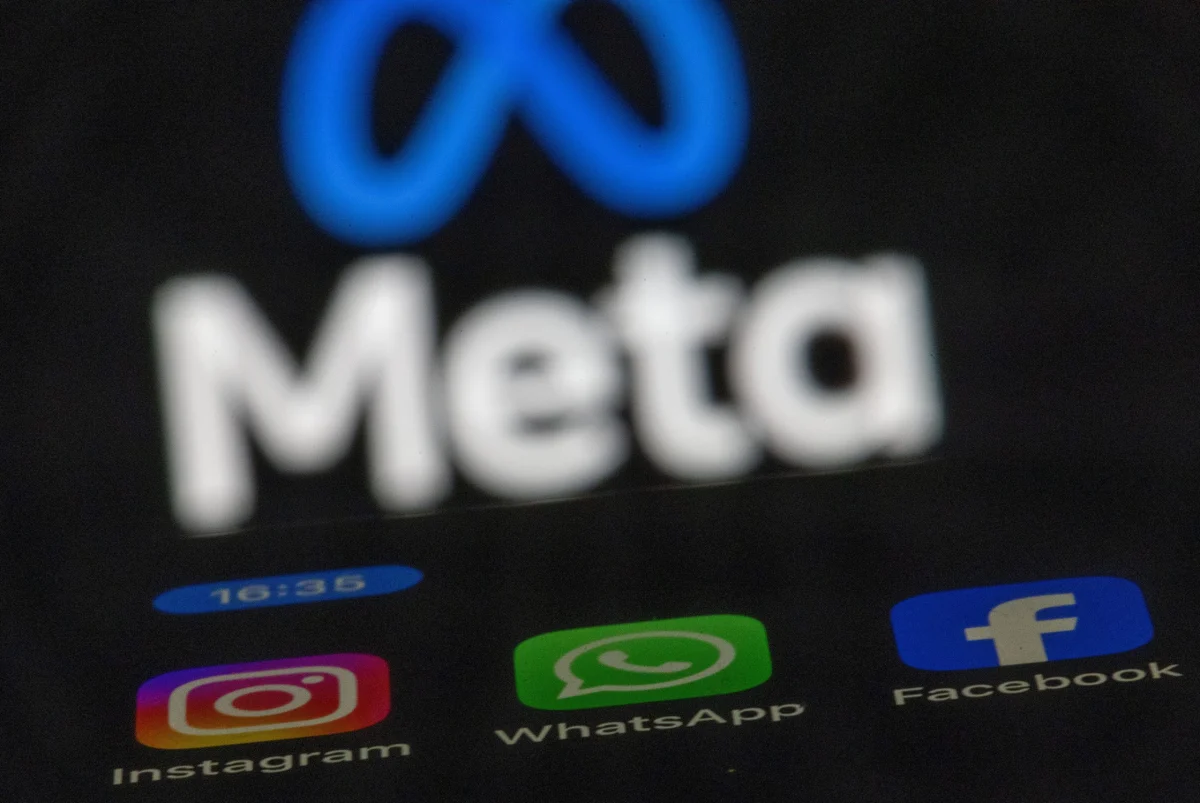
Meta’s independent Oversight Board, a crucial body established to address complex content moderation challenges, issued a significant critique Thursday, asserting that the tech giant’s processes for deactivating user accounts fundamentally lack due process and transparency. The board’s findings highlight a critical gap in how Meta, the parent company of Facebook, Instagram, and WhatsApp, handles violations, often leaving users in the dark about the reasons for their bans and with little to no meaningful recourse for appeal or support.
The Genesis of Digital Governance
The establishment of the Oversight Board in 2020 marked a pivotal moment in the evolution of digital governance. Conceived in the wake of mounting pressure and intense scrutiny over Meta’s (then Facebook’s) content moderation practices, particularly after controversies like Cambridge Analytica and accusations of enabling misinformation and hate speech, the board was designed as an external, independent body. Its mission is to review Meta’s most challenging content decisions and make binding policy recommendations, aiming to inject greater accountability, fairness, and transparency into the company’s vast and often opaque content moderation ecosystem. Funded by Meta but structured to operate autonomously, the board’s mandate extends to influencing global content policies that affect billions of users worldwide. This independence was recently underscored by an infusion of additional funding, securing its operations through 2028, signaling Meta’s continued, albeit sometimes reluctant, commitment to this unique experiment in platform governance.
The board’s current investigation into Meta’s account deactivation policies was initiated earlier this year, prompted by a specific case involving severe threats of violence directed at a journalist. While the Oversight Board ultimately affirmed Meta’s decision to permanently disable the threatening account, its deeper dive into the procedural aspects of the ban revealed systemic issues far beyond the individual case. This broader inquiry uncovered what the board explicitly labeled "systemic human rights concerns," coupled with a pronounced "lack of transparency and consistency" in how Meta applies its rules for account closures.
Systemic Flaws in Content Moderation
At the heart of the Oversight Board’s critique is Meta’s dual-track system for addressing policy violations. One track involves a series of "strikes" for less severe infractions, accumulating over time and potentially leading to temporary or permanent restrictions. The other track is reserved for "egregious" violations, which are deemed severe enough to warrant immediate and permanent account deactivation. The board found that the distinction between what constitutes a "strike-worthy" offense versus an "egregious" one is alarmingly unclear and inadequately documented. This ambiguity creates a bewildering landscape for users, who often have no prior warning or clear understanding of the specific actions that could trigger an irreversible ban.
This lack of clarity is compounded by the increasing reliance on automated moderation systems. As Meta’s platforms have grown exponentially, managing the sheer volume of user-generated content has necessitated a shift from predominantly human review to artificial intelligence-driven detection and enforcement. While AI offers unparalleled speed and scale in identifying prohibited content, particularly in areas like child sexual exploitation material (CSE) or spam, it inherently struggles with nuance, context, and intent. This reliance on algorithms, without sufficient human oversight or transparent appeals mechanisms, frequently leads to erroneous account deactivations, casting a wide net that ensnares innocent users alongside genuine malicious actors. The board’s recommendation for Meta to provide users with information on the role AI plays in content review and penalty imposition directly addresses this opacity, seeking to demystify the black box of automated enforcement.
The Human Cost of Automated Enforcement
The consequences of Meta’s opaque and often arbitrary account deactivations are far-reaching, impacting individuals, small businesses, and even non-profit organizations. For many, a social media account is not merely a personal profile; it is an integral part of their digital identity, a crucial communication channel, or a vital tool for their livelihood. The sudden and unexplained loss of an account can be devastating, leading to significant personal distress, reputational damage, and substantial financial setbacks.
Richard Pauwels, a retired L.A. County firefighter and paramedic, epitomizes the personal and professional impact. He was in the process of building a wellness brand on Meta’s platforms when his personal account was abruptly banned. He reported receiving no specific identification of the offending post and, critically, no human review of his case. Similarly, numerous individuals have reported being falsely accused of egregious violations, such as child sexual exploitation. One anonymous PR professional recounted being banned for alleged CSE violations despite no specific content being cited and no new posts from them in weeks. The individual described Meta’s allegation as "evil and vile," highlighting the profound psychological toll and reputational damage inflicted by such unsubstantiated claims. Manomi Jayakody echoed this sentiment, stating, "I fully understand and support the critical importance of CSE enforcement and online safety. However, when accounts are flagged under such serious categories without due process, transparency, or consistent human oversight… the consequences for innocent users are severe. In my case, I received no explanation, no evidence, and no opportunity to clarify or correct any alleged issue."
The problem extends beyond individual users to businesses and organizations. A bird rescue operation, surprisingly, found its account banned for alleged CSE material. Their plea to TechCrunch underscored the practical impact: "It’s an account about our rescue pigeons. It has over 60K followers, and we regularly use that account to contact other volunteers who rescue birds and find adopters or medical assistance for all the birds that we help." Such an account is not just a social media presence but a lifeline for their charitable work, disrupted by an unverified accusation.
Content creators and entrepreneurs also face dire financial implications. Albert Olgaard, an Instagram creator with 325,000 followers, saw his business accounts shut down overnight for "fraud" allegations, again without any specific evidence. His attempts to appeal were met with a message stating, "You cannot request another review of this decision," effectively ending his ability to operate and directly impacting his income. Designer Alex Smola experienced a similar fate, his account, crucial for client communication, marketing, and lead generation, permanently disabled. He lamented the "ongoing business disruption, reputational harm, and significant stress" without any "meaningful human review" from Meta’s support channels. These anecdotes represent a fraction of the constant stream of complaints from users who feel helpless against the platform’s seemingly arbitrary decisions.
The Broken Promise of Premium Support
Further exacerbating user frustration is the inadequacy of Meta’s customer support, even for those who pay for enhanced services. The Oversight Board specifically called out Meta for failing to deliver on the promise of "24/7 access to email or chat agent support" for users subscribed to Meta Verified. This premium service, which users pay for, is marketed as offering direct access to support, yet numerous verified subscribers report receiving no "meaningful assistance" when their accounts are disabled. One particularly alarming report noted a Meta agent abruptly ending a chat when a user referenced the European Union’s General Data Protection Regulation (GDPR), suggesting a systemic unwillingness or inability to engage with user rights and regulatory frameworks. This failure to provide paid-for support not only defrauds paying customers but also undermines trust in Meta’s commitment to user welfare.
The broader market impact of these practices is significant. In an increasingly digital economy, businesses rely heavily on platforms like Facebook and Instagram for marketing, sales, and customer engagement. The sudden loss of an account can cripple a small business, destroy years of brand building, and sever vital customer connections. This power imbalance—where a multi-billion-dollar corporation can unilaterally cut off a user’s digital lifeline without clear justification or recourse—raises serious questions about digital rights and consumer protection in the age of platform dominance. The growing number of lawsuits, both individual and class-action, filed by users over wrongful account deactivations underscores the severity of the issue and the desperation felt by those impacted.
Recommendations for a Fairer Digital Ecosystem
In response to these pervasive issues, the Oversight Board has put forth several key recommendations aimed at fundamentally reforming Meta’s account deactivation processes. The core of these recommendations revolves around enhancing transparency, accountability, and user agency:
- User Dashboard: Meta should provide users with a comprehensive dashboard where they can easily access their account status, review past violations, understand the specific policies they may have breached, and clearly see their options for appeal.
- Clear Violation Notifications: When a violation is imposed, users must receive clear and immediate notifications detailing the exact time of the violation, the specific rule that was breached, the nature of the sanction imposed (e.g., temporary ban, permanent deactivation), and transparent instructions on how to appeal the decision.
- AI Transparency: Meta should inform users about the role that artificial intelligence plays in content review and the imposition of warnings or penalties, offering insight into the automated systems that often make these critical decisions.
These recommendations aim to shift Meta’s approach from an opaque, top-down enforcement model to one that is more user-centric, empowering individuals with the information and tools needed to understand and challenge decisions that profoundly affect their digital lives.
The Path Forward for Platform Accountability
Meta’s initial response to the Oversight Board’s report was notably brief and somewhat guarded. The company welcomed the board’s decision to uphold the specific account ban in the case that prompted the investigation and stated that it would review the recommendations and update its post with initial responses. While this acknowledges the board’s work, the real test will be in Meta’s willingness to implement these recommendations comprehensively and swiftly.
The Oversight Board’s findings are more than just a critique; they are a blueprint for improving digital governance and ensuring that the pursuit of platform safety does not come at the cost of fundamental user rights. As social media platforms become increasingly intertwined with daily life, their content moderation policies function as a form of private law, governing digital public squares. Ensuring these "laws" are applied fairly, transparently, and with robust due process mechanisms is not merely a matter of good customer service; it is essential for fostering trust, protecting livelihoods, and upholding the principles of fairness in the digital age. The pressure is now on Meta to demonstrate a genuine commitment to these principles and to address the systemic issues that have plagued its content moderation systems for far too long.