Amir Mahmud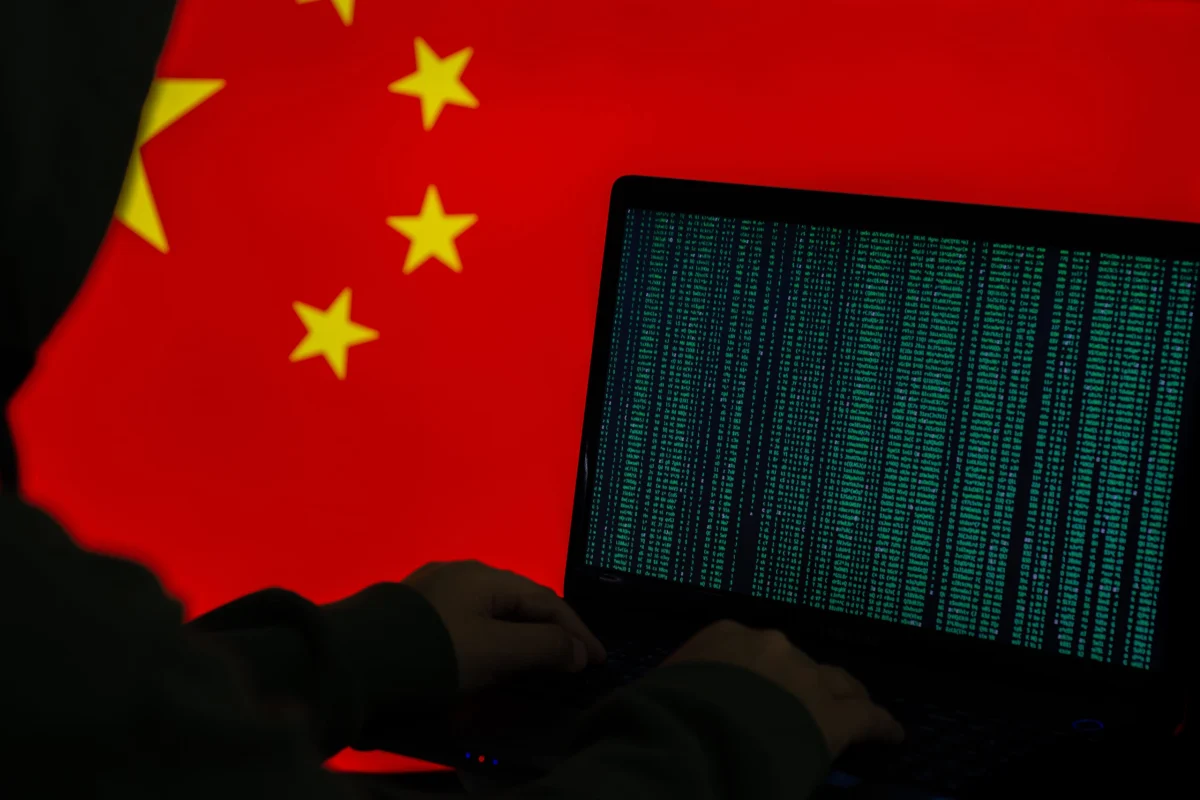
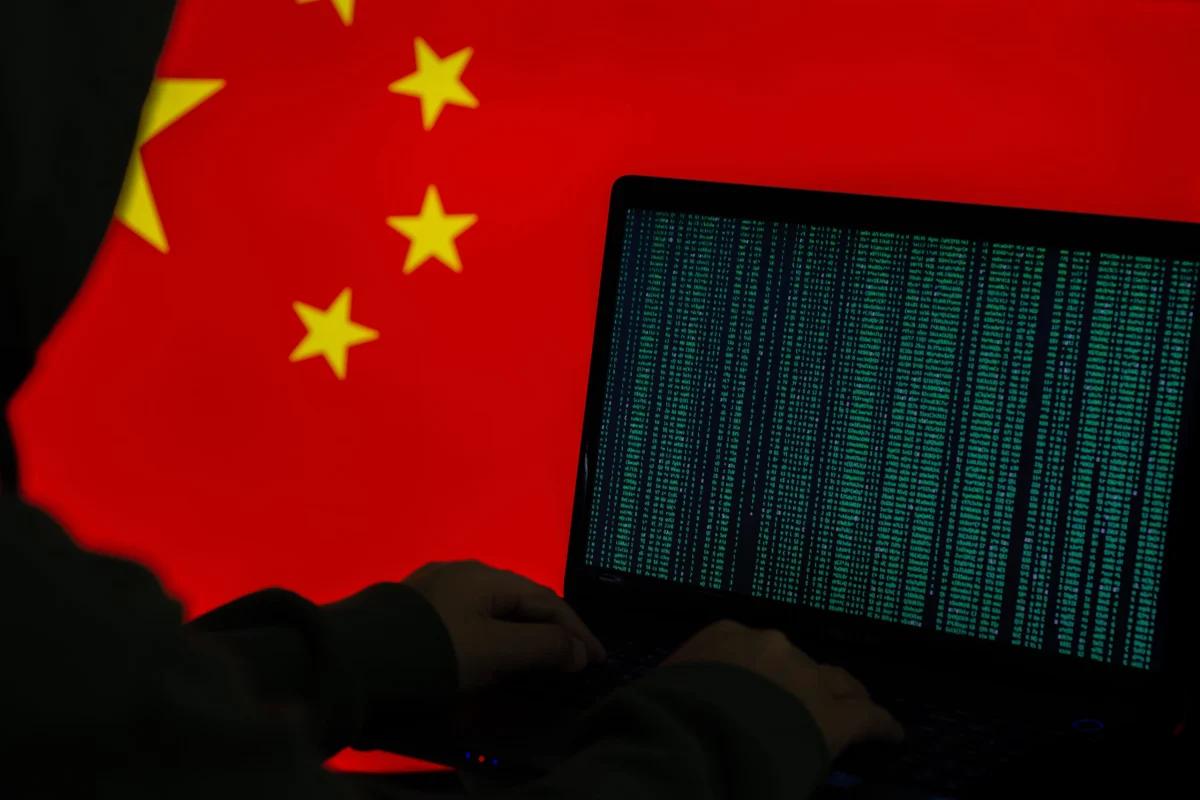
An unprecedented joint advisory from a coalition of leading intelligence agencies has cast a stark spotlight on the evolving landscape of global espionage, revealing that foreign intelligence services are leveraging professional networking sites, prominently LinkedIn, to ensnare Western individuals into unwittingly sharing sensitive information. This collective warning, issued by the Federal Bureau of Investigation (FBI), the United Kingdom’s MI5, and intelligence counterparts from Australia, Canada, and New Zealand—collectively known as the "Five Eyes" alliance—underscores a sophisticated and persistent threat actor: Chinese intelligence. The advisory details a calculated strategy where operatives masquerade as online recruiters or human resources specialists, representing fictitious companies often purportedly based outside of China, with the ultimate goal of extracting non-public data beneficial to Beijing’s strategic objectives.
The Digital Frontline of Espionage
In an era defined by digital connectivity, the traditional cloak-and-dagger world of espionage has found new, fertile ground online. Professional networking platforms, designed to foster connections and career advancement, have inadvertently become a clandestine arena for state-sponsored intelligence gathering. This shift reflects a broader adaptation by intelligence agencies worldwide, moving beyond conventional human intelligence (HUMINT) operations and cyber intrusions to exploit the vast, interconnected web of personal and professional data available at their fingertips. The advisory’s emphasis on social engineering through these platforms highlights a critical vulnerability: the human element, often swayed by career aspirations, financial incentives, or the simple desire for professional validation. Unlike the overt aggression of cyberattacks, which often leave digital fingerprints, these social engineering tactics are subtle, long-term, and designed to build trust over time, making them particularly insidious and difficult to detect by the average user.
Evolution of a Global Threat
The strategic use of professional networks by state actors is not an entirely new phenomenon, but its scale and sophistication have escalated significantly in recent years. Historically, Chinese intelligence operations have been noted for their focus on economic and technological espionage, often employing cyber means to infiltrate corporate networks and government databases to acquire intellectual property and advanced technologies. The "Thousand Talents Program," for instance, while ostensibly a legitimate recruitment initiative for scientific talent, faced scrutiny from Western governments for allegedly facilitating the transfer of sensitive research and intellectual property to China, sometimes without proper disclosure or through illicit means.
However, the current advisory illuminates a complementary, more nuanced approach that blends traditional HUMINT with digital age tools. This method leverages the inherent trust embedded in professional interactions to cultivate sources, a technique that complements, rather than replaces, cyber warfare. The timeline of this evolving threat indicates a continuous adaptation by Chinese intelligence to exploit open societies. From large-scale data breaches targeting government personnel records to increasingly targeted social engineering campaigns, Beijing’s intelligence apparatus demonstrates a comprehensive strategy aimed at acquiring an informational advantage across military, political, and economic domains. The collective nature of the Five Eyes warning itself signals the perceived urgency and gravity of this threat, reflecting a sustained pattern of behavior that transcends individual incidents.
The Modus Operandi: Deception and Cultivation
The tactics outlined in the joint advisory paint a picture of meticulous planning and patient execution. Chinese intelligence operatives are not merely sending out random solicitations; they engage in sophisticated profiling. They meticulously review publicly available résumés and professional profiles, identifying individuals whose background suggests access to or knowledge of potentially sensitive or non-public information. This initial assessment goes beyond job titles, considering an individual’s career trajectory, past projects, associations, and even personal interests expressed online.
Once a target is identified, the approach begins with seemingly legitimate job offers or requests for consultancy, often from companies that appear credible but are entirely fabricated. These front companies are typically presented as international entities, operating outside of China, to avoid immediate suspicion and create a veneer of neutrality. The communication might start innocently, with requests for curriculum vitae, followed by interviews conducted via video conferencing, further building rapport and trust. Over time, the relationship deepens, often involving offers of lucrative contracts, speaking engagements, or research collaboration opportunities. The true objective—the extraction of privileged military, political, or economic intelligence—is gradually introduced as the relationship matures, often under the guise of market research, competitive analysis, or policy insights. This long-term cultivation strategy aims to establish a deep enough relationship where the target might feel a sense of obligation or loyalty, making them more susceptible to requests for information, even if they harbor initial reservations.
Targets and Valued Information
The advisory specifies a diverse range of targets, indicating a broad appetite for intelligence across various sectors. Holders of security clearances, military personnel—particularly those with expertise or postings in the strategically vital Indo-Pacific region—are high-priority targets. Their access to classified information and understanding of defense strategies could provide Beijing with invaluable strategic and tactical advantages. Beyond these obvious targets, the net is cast wider to include journalists, academics, and employees of think tanks. While these individuals may not possess classified information, their access to unclassified but highly specialized knowledge, analytical insights, and influential networks can be incredibly valuable.
The intelligence agencies emphasize that even seemingly innocuous "unclassified" information holds significant value. When aggregated, analyzed, and combined with other data points, such information can contribute to a comprehensive intelligence picture, informing Beijing’s policy decisions, military planning, and economic strategies. For instance, an academic’s research on emerging technologies, a journalist’s insights into geopolitical trends, or a think tank analyst’s understanding of policy formulation can provide critical context and predictive capabilities, enhancing China’s strategic foresight and influence on the global stage. This highlights a crucial aspect of modern intelligence: the power of synthesis, where disparate pieces of publicly available information, when expertly compiled, can yield profound strategic insights.
The Broader Implications for Society and Business
The implications of this sophisticated espionage campaign extend far beyond national security agencies. On a societal level, it erodes trust in the digital platforms that have become integral to professional life. Individuals seeking career opportunities or professional connections must now navigate an environment potentially rife with hidden agendas, fostering a climate of suspicion and caution. This can inadvertently stifle genuine collaboration and networking, which are vital for innovation and economic growth.
For corporations, the threat is multifaceted. Employees targeted by these campaigns could inadvertently expose proprietary information, trade secrets, or sensitive client data, leading to significant financial losses, reputational damage, and competitive disadvantage. Companies must enhance their internal security protocols and employee training programs, educating staff about the risks of social engineering and the importance of verifying online contacts. The cultural impact is also noteworthy; as nations become increasingly wary of foreign influence, there is a risk of increased xenophobia and a chilling effect on legitimate international collaboration, particularly in scientific research and academic exchange, which thrive on openness.
Platform Responsibility and User Vigilance
In response to inquiries about these activities, platforms like LinkedIn have reiterated their commitment to detecting and removing malicious accounts. A spokesperson for LinkedIn affirmed that "creating a fake account or misrepresenting your identity is a clear violation of our terms of service," further stating their focus on "detecting state-sponsored abuse" and enforcing policies against fake accounts. However, the sheer volume of users and the sophistication of state-backed operations present an immense challenge for these platforms. While AI and machine learning algorithms can identify certain patterns of fraudulent behavior, the nuanced and long-term nature of human intelligence cultivation often evades automated detection.
Ultimately, a significant burden of defense falls upon individual users. Vigilance is paramount. Professionals are urged to exercise extreme caution when approached by unknown recruiters, particularly those offering unusually lucrative opportunities or pressing for sensitive information. Verifying the legitimacy of companies, scrutinizing email domains, checking for inconsistencies in profiles, and being skeptical of requests that deviate from standard professional conduct are crucial steps. Intelligence agencies are increasingly providing guidance on how to identify and report suspicious activity, empowering individuals to become the first line of defense against these digital incursions.
The Ongoing Geopolitical Chessboard
The joint advisory serves as a potent reminder that even as nations engage in diplomatic efforts to improve relations, the undercurrent of geopolitical competition and intelligence gathering persists unabated. The ongoing strategic rivalry between Western powers and China encompasses economic, technological, and ideological dimensions, with intelligence operations forming a critical, often unseen, component. While diplomatic overtures between countries like the U.S. and the U.K. and Beijing may signal a desire for stability, the intelligence community continues to operate on the principle of perpetual vigilance, safeguarding national interests against persistent threats. The digital landscape has merely provided new avenues for this age-old struggle, making every professional’s online presence a potential pawn in a much larger, global chessboard.