Amir Mahmud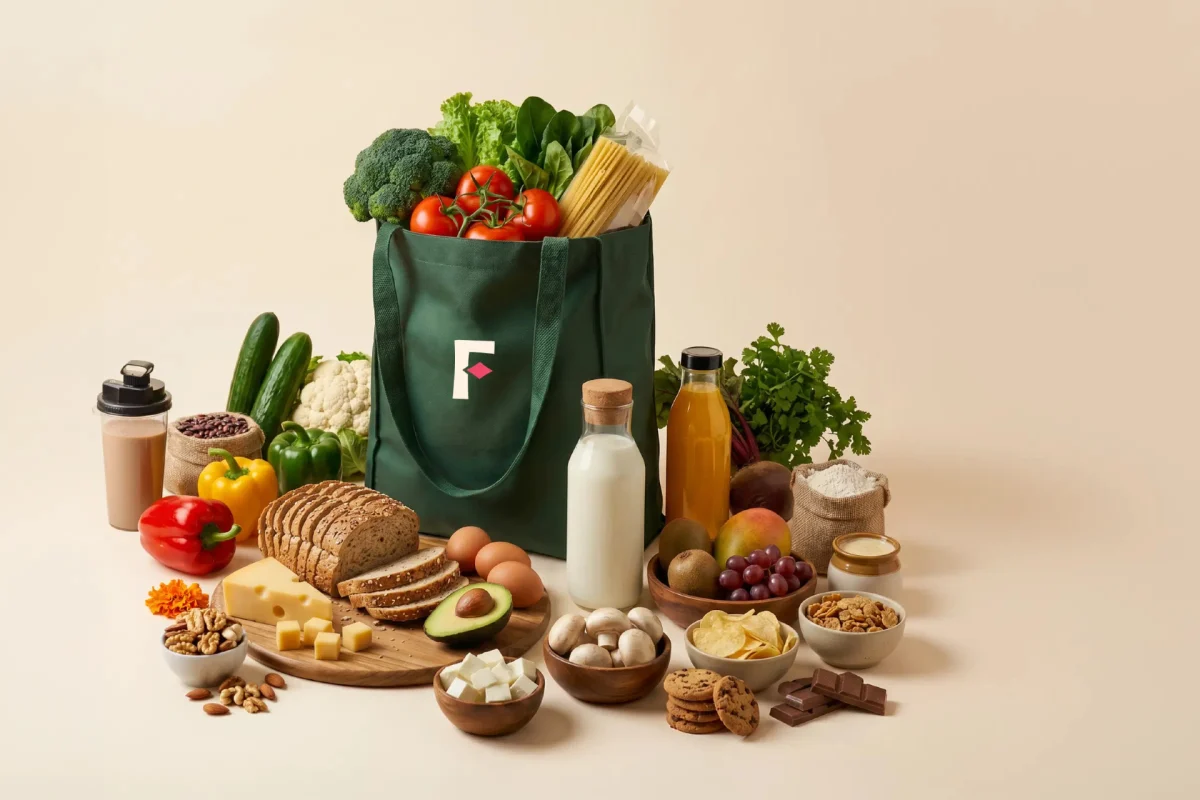
In a vibrant and intensely competitive Indian quick-commerce landscape, one startup is charting a distinctive course by emphasizing meticulous curation and superior quality over the prevailing obsession with lightning-fast delivery times. FirstClub, a Bengaluru-based online grocery platform, has successfully convinced investors of the viability of its premium strategy, leading to a remarkable doubling of its valuation to $255 million within just nine months of its previous funding round. This significant financial milestone signals a potential recalibration in the priorities of both consumers and capital in India’s rapidly expanding e-grocery sector.
The company recently secured $55 million in a Series B funding round, co-led by prominent venture capital firms Peak XV Partners and Sofina. This latest infusion of capital propelled FirstClub’s post-investment valuation from $120 million in September 2025 to its current impressive figure. Existing investors, including Accel, RTP Global, and Paramark Ventures, also participated, underscoring continued confidence in the startup’s unique proposition. With this latest funding, FirstClub’s total capital raised now stands at $86 million, providing substantial resources for its ambitious expansion plans and continued refinement of its quality-centric model.
A Shifting Paradigm in Online Grocery
India’s quick-commerce market has experienced an explosive growth trajectory, transitioning from approximately $6.2 billion in FY25 to an estimated $11 billion-$12 billion in FY26, according to insights from an ICICI Securities report. This exponential expansion has largely been fueled by aggressive competition among leading players, who have popularized online grocery shopping through promises of ever-faster deliveries, often within 10 to 15 minutes. This "speed-first" approach has reshaped consumer expectations, making rapid gratification a cornerstone of the modern urban retail experience.
However, FirstClub is strategically betting on an emerging segment of consumers who, while appreciating convenience, are increasingly prioritizing the caliber and thoughtful selection of products over the sheer speed of delivery. This nuanced understanding of evolving consumer preferences positions FirstClub as a counter-narrative to the dominant quick-commerce discourse, suggesting that there might be more than one path to success in the dynamic Indian market. The startup aims to cultivate a loyal customer base by offering a curated assortment of high-quality goods, thereby establishing itself as a trusted destination for discerning shoppers rather than merely a logistical conduit for rapid order fulfillment.
The Rise of Quick Commerce in India: A Historical Perspective
The journey of e-commerce in India began in the early 2000s, with initial challenges related to internet penetration, payment gateways, and logistics infrastructure. However, the last decade has witnessed a dramatic transformation, driven by widespread smartphone adoption, affordable data plans, and a burgeoning digital-native population. The COVID-19 pandemic further accelerated the shift towards online shopping, particularly for essential goods like groceries, as physical mobility became restricted.
Initially, online grocery platforms focused on scheduled deliveries, offering broader selections but longer wait times. Then came the "quick commerce" revolution, spearheaded by companies like Zepto, Blinkit (formerly Grofers), Swiggy Instamart, and Dunzo. These platforms leveraged a network of dark stores and bike delivery fleets to fulfill orders within minutes, fundamentally altering consumer habits in metropolitan areas. This hyper-competitive environment, while offering immense convenience, also led to significant operational challenges, including thin margins, high customer acquisition costs, and the complex logistics of maintaining vast inventories for rapid dispatch. The intense focus on speed often overshadowed considerations of product quality and assortment depth, with the primary battleground being delivery time. FirstClub’s emergence in 2024, founded by former Flipkart executive Ayyappan R, represents a deliberate departure from this prevailing trend, seeking to carve out a niche where quality is the paramount differentiator.
FirstClub’s Differentiated Strategy: A Focus on Quality and Curation
At the heart of FirstClub’s strategy lies its meticulously curated online grocery platform, which offers approximately 4,000 products. This figure represents roughly one-third of the assortment typically carried by many of its quick-commerce rivals, a conscious decision designed to streamline choices and enhance quality control. The startup implements rigorous quality checks on fresh produce, conducts laboratory tests on certain staple items, and collaborates with brands to develop exclusive products. This comprehensive approach is geared towards building consumer trust and positioning FirstClub as a reliable source for premium groceries.
Ayyappan R, FirstClub’s founder, articulates this philosophy clearly: "People don’t need a very large selection, but they need the right quality selection, consistently delivered every single time." This statement encapsulates the company’s core belief that for a significant segment of the market, reliability and excellence trump sheer variety or instantaneous delivery. By focusing on a narrower, higher-quality inventory, FirstClub aims to simplify the shopping experience and ensure consistent product standards, fostering a sense of confidence among its clientele.
Cultivating a Premium Customer Base
The effectiveness of FirstClub’s strategy is evident in its rapidly growing customer base and their distinct purchasing patterns. The company reports that over 60% of its customers are from women-led households, a demographic often recognized for its discerning approach to household purchasing decisions and a greater emphasis on quality and health. This demographic insight is crucial, as women frequently act as the primary decision-makers for grocery procurement, and their trust and loyalty are invaluable for long-term growth.
Furthermore, the types of products that dominate FirstClub’s sales charts starkly contrast with those of traditional quick-commerce platforms. While rivals often see high sales volumes in everyday staples like onions, tomatoes, and potatoes, FirstClub’s top-selling items include premium and sometimes exotic produce such as avocados, persimmons, and Modi apples. This demand for higher-end and specialty items underscores the platform’s success in attracting and serving a segment of consumers actively seeking out curated, premium grocery offerings that reflect changing dietary preferences and global influences. The initial resonance of this strategy is tangible, with FirstClub having processed over 1 million orders and acquired 170,000 households within its first year of operation solely in Bengaluru.
Strategic Growth and Future Vision
FirstClub’s operational metrics further highlight its strong market penetration and customer engagement. The startup currently operates at an annualized gross market value (GMV) of approximately $50 million. Customers on the platform demonstrate high loyalty, placing more than four orders per month on average, with each order amounting to roughly ₹1,200 (about $13). These figures suggest a healthy customer lifetime value and robust repeat business, which are critical indicators of sustainable growth for any subscription-like service.
The fresh capital from the Series B round is earmarked for strategic expansion beyond its current stronghold in Bengaluru, where it operates 21 dark stores. The company plans to deepen its presence in Hyderabad, where it recently launched with three locations, before venturing into other key urban centers. In addition to geographical expansion, FirstClub intends to diversify its product categories, moving into home and kitchen products, gifting, and other household essentials. This category expansion aligns with its vision of becoming a comprehensive, trusted destination for quality goods, extending beyond just groceries. Currently employing approximately 220 people directly, FirstClub’s growth trajectory is also expected to create more employment opportunities as it scales.
Investor Confidence and Market Evolution
The substantial investment from firms like Peak XV Partners and Sofina is a strong endorsement of FirstClub’s quality-first model. GV Ravishankar, Managing Director at Peak XV, articulated the investment thesis, noting the emergence of a larger cohort of affluent, health-conscious consumers in India who are willing to pay a premium for higher-quality products. This demographic shift creates a distinct market segment for specialized grocery platforms alongside the more mainstream, speed-focused quick-commerce players.
Ravishankar posits that "there will be a specific set of consumers who gravitate toward a better-quality platform that serves trustworthy products." He further added, "As Indians become wealthier and more informed, there will be more and more people who make that choice." This commentary highlights a broader trend of market fragmentation in India’s retail landscape, moving away from a one-size-fits-all approach centered primarily on price and convenience. Ravishankar draws parallels to the rise of premium grocery chains in developed markets, suggesting that India is undergoing a similar evolution where consumer sophistication is driving demand for differentiated retail experiences.
The Broader Impact and Future Outlook
FirstClub’s success story holds significant implications for the broader quick-commerce and e-grocery sectors in India. It demonstrates that while speed remains a crucial factor for many consumers, it is not the sole determinant of success. The market is maturing, and segments are emerging that value attributes like product quality, ethical sourcing, and curated selection equally, if not more, than instant gratification. This could inspire other startups to explore niche markets and differentiated value propositions, leading to a more diverse and resilient e-commerce ecosystem.
The emphasis on women-led households as a core customer segment also underscores the changing dynamics of household consumption in India. As women gain greater economic independence and decision-making power, their preferences for quality, health, and reliable sourcing are becoming increasingly influential in the retail sector. FirstClub’s ability to tap into this demographic effectively speaks to its deep understanding of contemporary Indian consumer behavior.
Looking ahead, FirstClub’s expansion into new categories and geographies will test the scalability of its premium model. Maintaining stringent quality controls across a wider product range and larger operational footprint presents its own set of challenges. However, the strong investor backing and impressive early metrics suggest that FirstClub is well-positioned to capitalize on the growing demand for quality-centric online retail, potentially heralding a new era of discernment in India’s vibrant quick-commerce landscape. The company’s trajectory will be a compelling case study for how specialized, value-driven approaches can thrive even in markets dominated by a relentless pursuit of speed.