Amir Mahmud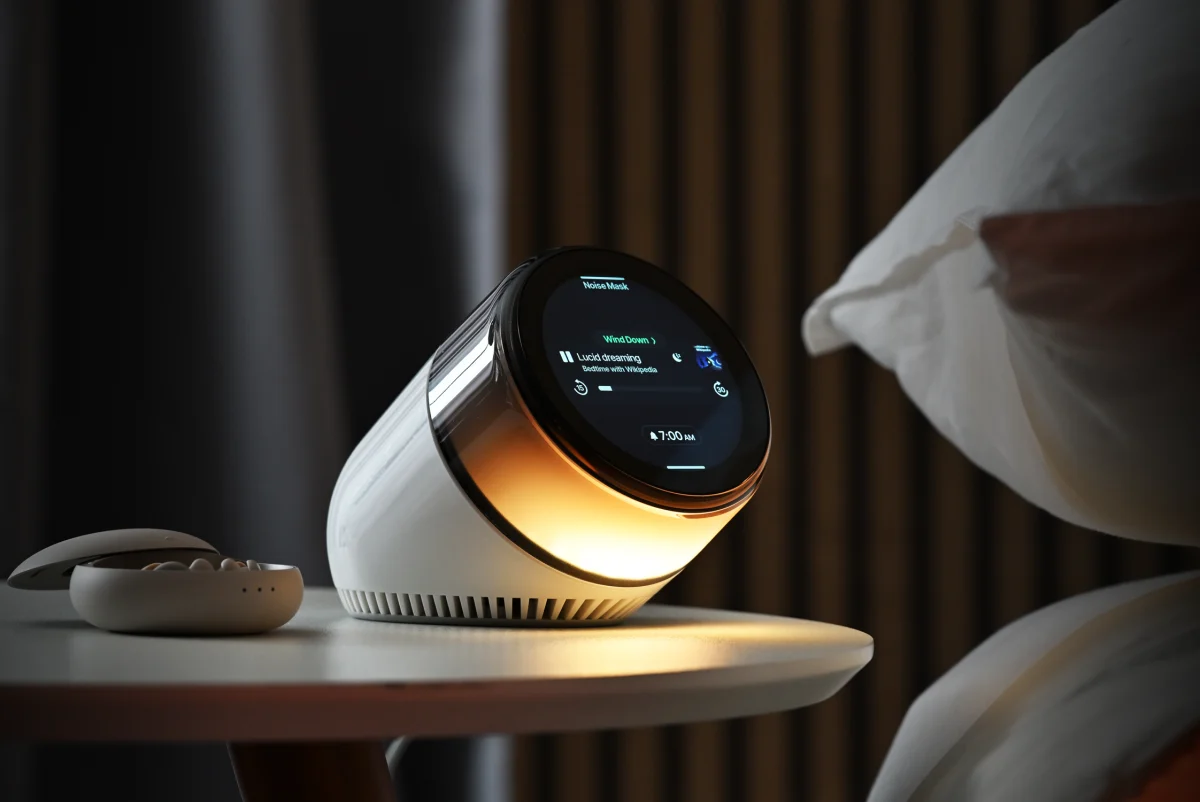
The ubiquitous smartphone, a constant companion throughout the day, has increasingly encroached upon the sanctity of the bedroom, transforming what was once a sanctuary for rest into another arena for digital engagement. For many, this has cultivated a deeply ingrained habit of keeping mobile devices within arm’s reach through the night, a practice widely recognized by sleep experts as detrimental to restorative sleep patterns. However, a new entrant in the sleep technology market, the Dreamie alarm clock, presents an intriguing proposition for those seeking to reclaim their nights and mornings from the glowing rectangle, offering a specialized solution to foster healthier sleep hygiene.
The Modern Sleep Predicament: Smartphones and the Sleep Crisis
The challenge of disconnecting from digital devices at bedtime is a widespread contemporary issue. Surveys consistently reveal that a significant majority of adults, including a substantial percentage of Americans, keep their smartphones in their bedrooms, often on their nightstands. This pervasive presence is not merely a matter of convenience; it reflects a deeply embedded behavioral pattern where the phone serves multiple roles—alarm clock, entertainment hub, communication portal, and even a source of comfort or distraction during nocturnal awakenings. The allure of immediate information, social connection, and endless content often overrides the conscious intention to sleep.
Scientific research has extensively documented the adverse effects of pre-sleep smartphone use. The blue light emitted from screens is known to suppress melatonin production, the hormone crucial for regulating the sleep-wake cycle, thereby delaying sleep onset and disrupting its quality. Beyond the physiological impact, the psychological engagement with notifications, emails, social media feeds, or news updates stimulates the brain, making it difficult to transition into a relaxed state conducive to sleep. This cycle of fragmented sleep and digital dependency contributes to a broader public health concern, as chronic sleep deprivation is linked to a host of mental and physical health issues, including impaired cognitive function, mood disorders, weakened immune response, and increased risk of chronic diseases. Breaking this cycle often requires more than willpower; it necessitates a strategic shift in environment and habit.
A Historical Perspective on Sleep Aids and Technology
The evolution of devices designed to manage our sleep and wake cycles offers a fascinating glimpse into changing societal needs and technological advancements. For centuries, humans relied on natural light, roosters, or simple mechanical clocks to mark the passage of time and signal waking. The 20th century saw the widespread adoption of electrical alarm clocks, which brought reliability and convenience to the morning routine. The late 20th and early 21st centuries, however, ushered in the digital age, profoundly transforming how we interact with time and sleep.
The advent of smartphones brought an unprecedented level of functionality to a single device, quickly rendering standalone alarm clocks seemingly obsolete for many. Suddenly, one gadget could serve as an alarm, a radio, a music player, a meditation guide, and a source of pre-sleep entertainment. While initially hailed for their versatility, the unintended consequence was the tethering of our sleep spaces to our digital lives. In response, a burgeoning market for specialized sleep technology has emerged over the last decade. This includes wearable trackers that monitor sleep stages, smart beds that adjust firmness, white noise machines that mask disruptive sounds, and sophisticated light therapy devices designed to mimic natural sunrise and sunset. These innovations reflect a growing societal awareness of sleep as a critical pillar of health, spurring demand for solutions that help individuals optimize their rest without falling prey to digital distractions. The Dreamie alarm clock positions itself squarely within this contemporary wave, offering a dedicated, distraction-free approach.
Introducing the Dreamie System: A Holistic Approach to Sleep
At its core, the Dreamie alarm clock is engineered to facilitate a comprehensive sleep routine, designed to gently guide users from wakefulness to slumber and back again, all while keeping the smartphone at a distance. The device offers several distinct modes, each tailored to a specific phase of the sleep cycle.
The "ambience" mode serves as a foundational setting, providing a simple time display when not actively engaged in a sleep routine. The journey into sleep begins with the "wind down" mode, a programmable sequence that signals the body and mind that bedtime is approaching. Users can customize this phase with soothing auditory experiences, such as the crackle of a fireplace, paired with a soft, shifting orange light that imitates the natural glow of fire. This visual and auditory cue helps to create a calming environment, distinct from the stimulating blue light of screens.
Following the wind-down, the "noise mask" mode takes over, offering a continuous stream of background sound designed to block out environmental disturbances. Options like a gentle thunderstorm provide a consistent auditory blanket, promoting uninterrupted sleep. Should a user drift off earlier than planned, this mode can be activated manually. The device then transitions to a "sunrise" light, which gradually brightens, simulating the natural dawn to gently rouse the sleeper, culminating in a customizable alarm sound. This progressive awakening is widely endorsed by sleep specialists as a more natural and less jarring way to start the day compared to abrupt, loud alarms.
The Unique Advantage: Podcast Integration
What truly distinguishes the Dreamie in a crowded market of smart alarm clocks is its seamless integration of podcast playback. This seemingly simple feature directly addresses a critical need for many individuals who rely on audio content to quiet an overactive mind before sleep or to lull them back to sleep after waking in the middle of the night. The ability to access a vast library of podcasts directly from the device removes the primary reason for keeping a smartphone nearby.
The mechanics behind this capability leverage the open architecture of the internet: podcasts are primarily distributed via RSS (Really Simple Syndication) feeds. This decentralized system allows any developer to create an application capable of subscribing to and playing podcasts, circumventing the need for proprietary platforms or complex app ecosystems. This commitment to an open standard stands in contrast to the "walled garden" approach favored by some larger media companies, which seek to control content distribution. By harnessing RSS, Dreamie empowers users to access their preferred audio content without being locked into specific services or, more importantly, without the distracting temptations of a multi-functional smartphone.
For individuals who frequently wake during the night, the "back to sleep" mode is particularly valuable. With a simple swipe, users can activate pre-selected media—whether it’s a guided breathing exercise, another calming soundscape, or a chosen podcast episode. This eliminates the reflexive urge to reach for a phone, which inevitably leads to checking notifications and initiating a spiral of digital engagement that can delay a return to sleep for hours. The option to use Bluetooth headphones further enhances its utility, allowing partners to sleep undisturbed.
Addressing Behavioral Challenges and Cultivating New Habits
The journey away from bedside smartphone dependency is often fraught with challenges, primarily due to deeply ingrained behavioral patterns. Many individuals, especially millennials and younger generations, admit to a "cascade of bad decisions" when confronted with their phones in the middle of the night. A fleeting check of a notification can quickly escalate into extended scrolling, absorbing valuable sleep time and leaving them feeling more awake and agitated.
Dreamie directly intervenes in this cycle by providing an alternative that offers the desired auditory comfort without the associated digital triggers. By separating the function of listening to podcasts or audiobooks from the broader functionality of a smartphone, the device helps users establish a healthier boundary. This physical separation is a powerful psychological tool, reducing the temptation to engage with non-sleep-related content. Users report that by removing the phone from the bedroom entirely, they experience not only improved sleep quality but also a more focused and energized start to their day, free from the inertia of pre-breakfast scrolling. The act of waking up and immediately engaging with the day, rather than with a screen, can significantly enhance morning productivity and overall mood.
Market Position, Value Proposition, and Future Outlook
Priced at $250, the Dreamie alarm clock sits at the premium end of the sleep tech spectrum. This investment is justified by its comprehensive feature set, the absence of ongoing subscription fees, and the self-contained nature of the device, which requires no companion app downloads—a refreshing departure from the typical smart gadget model. Its user interface is designed for simplicity, drawing parallels with intuitive smartphone clock applications, ensuring ease of use even in a groggy state.
However, the device does present certain limitations. While its RSS integration is robust for podcasts, it currently lacks native support for popular audiobook platforms like Libby or Libro.fm, which operate on different technical frameworks. This means users deeply reliant on these specific services for pre-sleep audio may still find themselves reaching for their phones. The potential for future updates to allow users to upload their own downloaded media, including audiobooks, could significantly broaden its appeal.
For those seeking a more budget-friendly approach to digital detox, alternatives exist. The "Brick," for instance, offers a device that blocks all but essential apps on a smartphone for a fraction of Dreamie’s cost. This approach, while effective in mitigating distractions, still requires the phone to be physically present. The choice between a device like Dreamie, which enforces complete separation, and solutions like Brick, which manage access, often boils down to individual discipline, budget, and the desired level of digital detachment.
Ultimately, the Dreamie alarm clock represents a compelling entry in the growing movement towards intentional technology use. It caters to a demographic acutely aware of the pitfalls of constant digital connectivity and actively seeking tools to foster healthier habits. As society continues to grapple with the complexities of living in an "always-on" world, dedicated devices that prioritize well-being over endless functionality may well become an increasingly vital component of our personal health ecosystems, guiding us toward more restful nights and more mindful mornings.