Amir Mahmud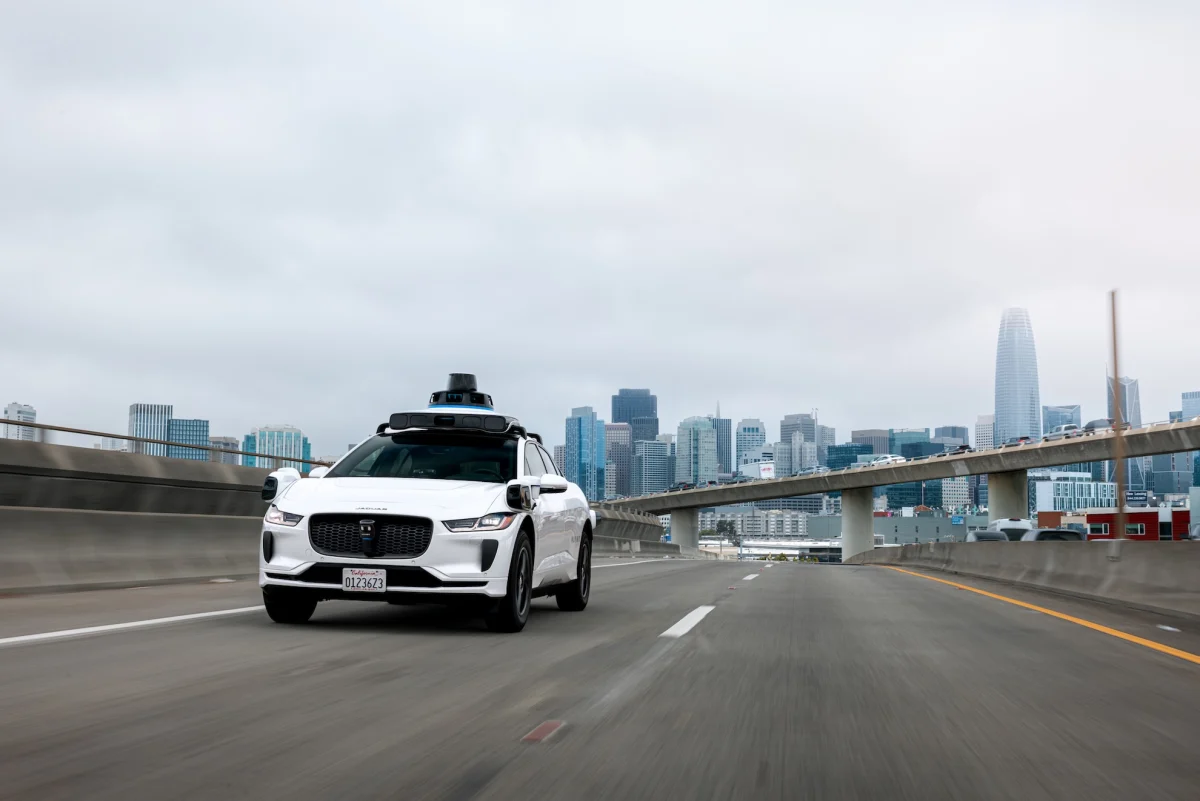
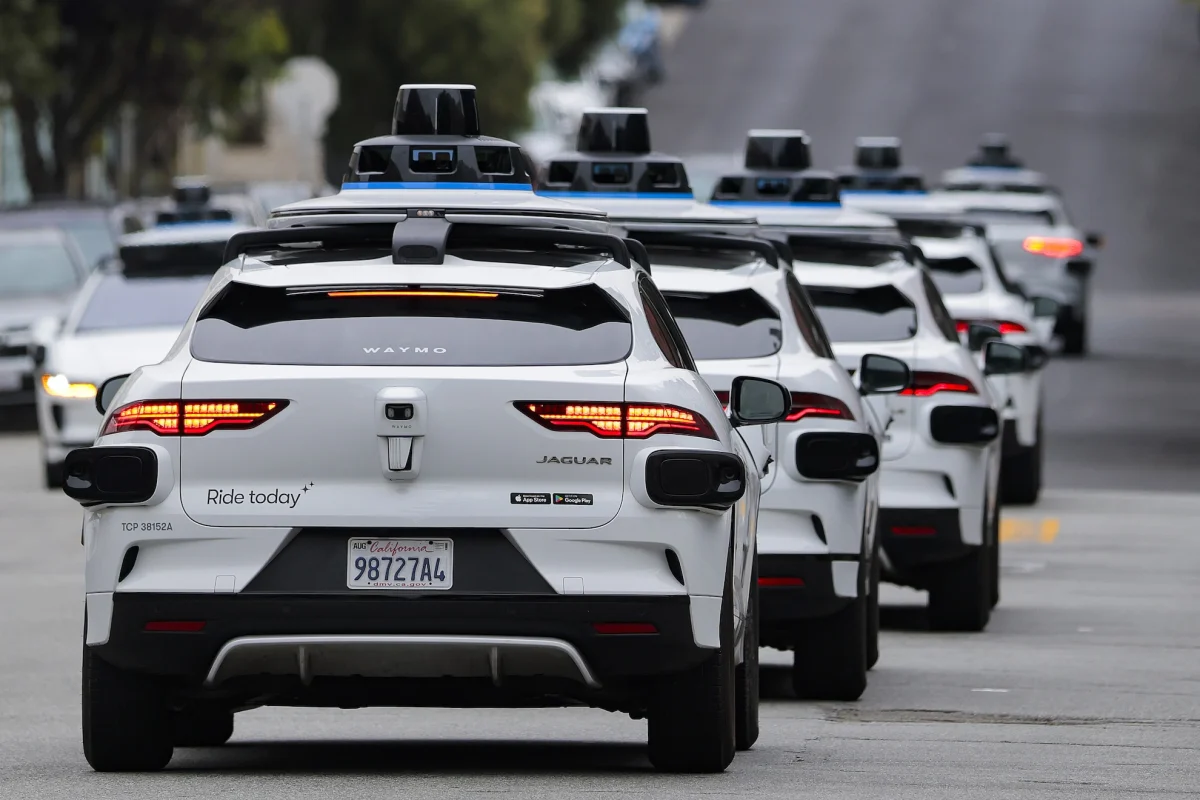
Waymo, a leading developer of autonomous driving technology, has made the strategic decision to suspend its robotaxi services on freeways across four major U.S. metropolitan areas. This temporary pause affects operations in San Francisco, Los Angeles, Phoenix, and Miami, and comes as the company works to address and improve its vehicles’ performance, particularly within the complex and dynamic environments of construction zones. While high-speed freeway operations are on hold, Waymo’s self-driving vehicles continue to operate on surface streets in these cities, maintaining a significant presence in urban mobility.
The company confirmed that it is actively integrating "recent technical learnings into our software" and anticipates resuming these crucial freeway routes in the near future. This proactive measure underscores the intricate challenges inherent in deploying fully autonomous systems in real-world conditions, especially when confronting the unpredictable variables introduced by infrastructure projects. The suspension highlights the continuous iterative process of development and refinement that defines the cutting edge of autonomous vehicle technology.
Waymo’s Ambitious Journey in Autonomous Driving
Waymo’s roots trace back to 2009, when it began as the Google self-driving car project, Project Chauffeur. From its inception, the initiative aimed to develop technology that would allow vehicles to operate completely autonomously, navigating roads without human intervention. Over more than a decade, Waymo has accumulated billions of miles of simulated driving and millions of real-world miles, establishing itself as a frontrunner in the autonomous vehicle (AV) industry. The company officially launched its commercial ride-hailing service, Waymo One, in 2018 in Phoenix, Arizona, marking a significant milestone in bringing driverless technology to the public.
Initially, Waymo’s commercial operations were confined to geo-fenced areas and surface streets, where speeds are lower and road conditions are generally more predictable. However, the logical next step for expanding the utility and efficiency of autonomous ride-hailing was to tackle higher-speed environments. In late 2025, Waymo began offering highway rides in several cities, a move seen as critical for enhancing connectivity between urban centers, facilitating travel to airports, and dramatically reducing overall ride times. For instance, in the Bay Area, freeway travel significantly cut down trip durations that previously spanned anywhere from 45 minutes to over an hour on surface streets. This expansion into freeways represented a crucial validation of the technology’s readiness for more complex and demanding driving scenarios.
The Intricacies of Construction Zones for Autonomous Systems
The decision to pull robotaxis from freeways was not attributed to a single major incident, but rather to an ongoing need to enhance performance in specific challenging scenarios. Construction zones, by their very nature, present a formidable obstacle for autonomous driving systems. Unlike static road conditions, construction areas introduce a myriad of unpredictable elements that can confound even the most sophisticated sensors and AI algorithms.
These zones often feature temporary and unconventional lane markings, makeshift barriers, dynamic traffic cones, and human flaggers directing traffic. Road surfaces can change abruptly, and new detours or obstructions can appear without prior notice or digital mapping. Human drivers rely on intuition, experience, and direct communication (like eye contact with flaggers) to navigate these environments. For an autonomous vehicle, interpreting these fluid and often non-standard cues requires an extremely robust perception system and highly adaptive decision-making capabilities. Traditional road rules are frequently suspended or modified, demanding that the AV’s software not only recognizes these changes but also predicts human behavior in response to them, all while operating at higher speeds. This challenge underscores the vast difference between driving in a well-defined, static environment and a constantly evolving, human-managed construction site.
One widely circulated incident on May 19 involved an X user, @Elliot_slade, who posted a video claiming his Waymo ride "blasted through cones" and was subsequently "chased" by police. While Waymo did not specifically cite this or any particular incident as the direct cause for the suspension, such occurrences highlight the public’s heightened scrutiny and the critical need for AVs to operate flawlessly in all conditions.
Broader Operational Challenges and Industry Context
This freeway suspension is not an isolated incident in Waymo’s recent operational history. The company has also faced challenges with environmental factors, leading to pauses in service elsewhere. Weeks prior to the freeway decision, Waymo temporarily halted operations in San Antonio, Texas, and Atlanta, Georgia, due to persistent issues with its robotaxis encountering flooded areas. In San Antonio, the company had even announced a software recall designed to help its fleet avoid inundated zones, while a more permanent solution was being developed. Despite these efforts, at least one Waymo robotaxi was observed getting stuck in Atlanta earlier this week, prompting the suspension of services in that city as well.
These recurring service interruptions illustrate what many in the autonomous vehicle industry refer to as the "long tail" problem. While AV systems have become remarkably adept at handling the vast majority of common driving scenarios – the "fat head" of the distribution – it is the infrequent, unpredictable, and highly complex "edge cases" that remain the most challenging to solve. These edge cases include not just construction zones and floods, but also unusual weather phenomena, unexpected road debris, or highly anomalous human behavior. Each such scenario requires extensive data collection, sophisticated machine learning model training, and rigorous testing to ensure safe and reliable operation. Waymo’s commitment to addressing these issues through software updates and temporary service adjustments reflects a responsible approach to developing safety-critical technology.
Market, Social, and Cultural Impact of AV Developments
The progress and setbacks of companies like Waymo have a profound impact on public perception, regulatory frameworks, and the broader technological landscape. Each incident, whether a minor operational glitch or a more significant event, contributes to the ongoing narrative surrounding autonomous vehicles. Transparency in addressing these challenges is crucial for building and maintaining public trust, which is a foundational element for the widespread adoption of AV technology. When incidents occur, even if minor, they often fuel public skepticism and raise questions about the safety and reliability of driverless cars.
Regulators, particularly in states like California which are at the forefront of AV deployment, are closely monitoring the industry. Incidents involving autonomous vehicles from various companies have led to increased scrutiny and calls for stricter oversight. This regulatory environment necessitates a cautious and methodical approach to expansion, where safety and demonstrable reliability take precedence over rapid deployment.
From a market perspective, Waymo’s ambitious expansion targets – including a goal of offering one million paid rides per week by the end of 2026 and rolling out its new Zeekr-built "Ojai" robotaxi in the coming months – rely heavily on consistent and reliable service. Temporary pauses, while necessary for refinement, can affect customer experience, brand reputation, and ultimately, the pace of market penetration. However, industry experts often view such adjustments as a necessary part of the maturation process for groundbreaking technology, emphasizing that a temporary retreat for system improvement is preferable to pushing an unproven or flawed system.
Neutral Analytical Commentary: An Iterative Path to Autonomy
The current situation with Waymo’s freeway service is a potent reminder that the development of truly autonomous vehicles is an iterative, data-intensive, and highly complex engineering challenge. It underscores that even industry leaders with years of experience and vast resources are still navigating uncharted territory. These temporary setbacks should not be viewed as failures, but rather as critical learning opportunities that drive the technology forward.
Autonomous driving systems learn primarily from data. Every mile driven, every unexpected scenario encountered, and every human intervention provides invaluable data points that engineers use to refine algorithms, improve perception capabilities, and enhance decision-making logic. Waymo’s stated intention to integrate "recent technical learnings" is a direct reflection of this data-driven development cycle. By taking its vehicles off freeways, the company can analyze the collected data from construction zone encounters, simulate these scenarios, and develop robust software updates without risking public safety.
The delicate balance between aggressive market expansion and cautious, safety-first deployment is a constant tension within the AV industry. Waymo, by choosing to pause services for refinement, appears to be prioritizing the latter. This approach, while potentially slowing immediate growth, aims to build a more resilient and trustworthy system in the long run. The ultimate goal is not merely to achieve autonomy, but to achieve a level of safety and reliability that demonstrably surpasses human driving performance across all conceivable conditions. Experts generally agree that the path to this goal will be characterized by continued innovation, unexpected challenges, and a continuous cycle of testing, learning, and improvement.
The Road Ahead for Waymo and Autonomous Driving
As Waymo works diligently to integrate its technical learnings, the focus remains on the eventual resumption of freeway services. The company’s ability to swiftly and effectively address these complex challenges will be a key indicator of its long-term success and resilience. A "more permanent fix" for issues like construction zones and environmental conditions will likely involve a combination of enhanced sensor fusion, more sophisticated predictive modeling, improved real-time mapping capabilities, and potentially, integration with smart infrastructure.
The journey towards fully autonomous driving is a marathon, not a sprint. Each operational adjustment, software update, and service pause contributes to the collective knowledge base of the industry, paving the way for safer, more efficient, and eventually, ubiquitous autonomous mobility. Waymo’s latest move serves as a critical checkpoint in this ongoing evolution, highlighting the continuous need for adaptability, vigilance, and an unwavering commitment to safety as self-driving technology matures.