Amir Mahmud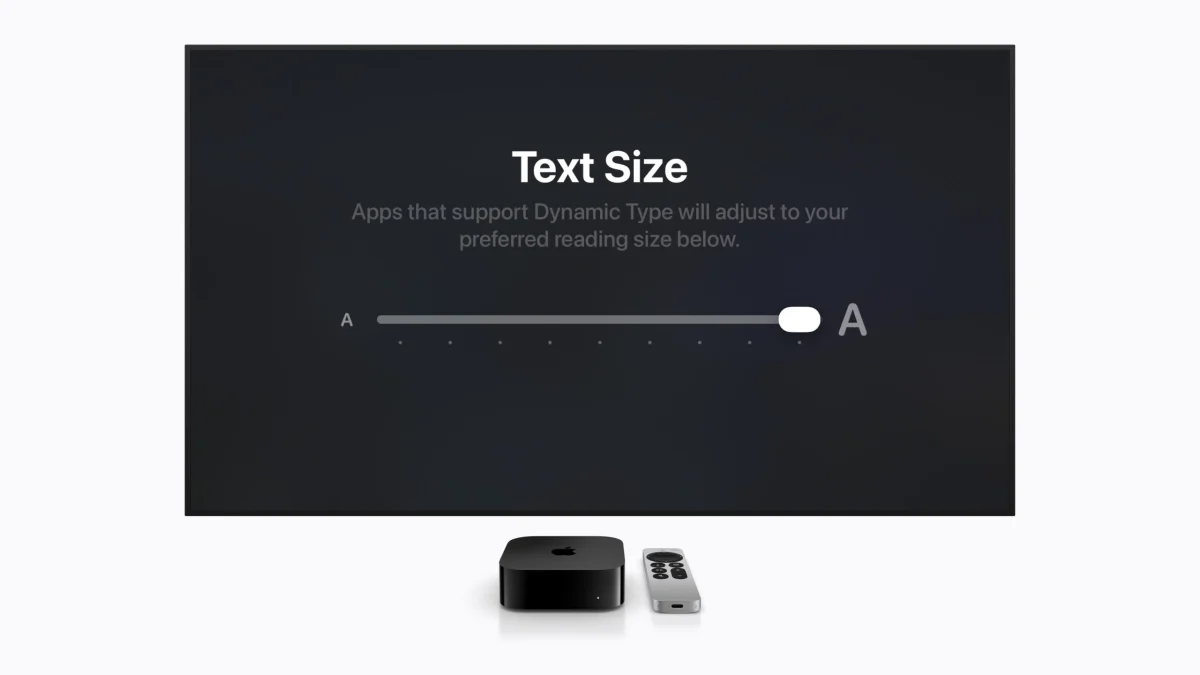
Apple has unveiled a significant suite of new accessibility enhancements, deeply integrated with its proprietary Apple Intelligence framework. These advancements, revealed ahead of a major industry developer conference, promise to revolutionize how individuals with diverse abilities interact with their digital devices, from iPhones and Macs to the groundbreaking Vision Pro. The updates span critical areas, including advanced image recognition for VoiceOver, intuitive voice control, real-time caption generation, and even eye-controlled wheelchair navigation, underscoring a deepening commitment to universal design and digital inclusion.
A Legacy of Inclusion: Apple’s Accessibility Journey
Apple’s dedication to accessibility is not a recent phenomenon but rather a foundational principle embedded in its product development philosophy for decades. The company has long been recognized for pioneering assistive technologies, often setting industry benchmarks that others strive to meet. This commitment began with early features designed to make personal computers usable for a wider audience, evolving significantly with the advent of the iPhone.
In 2009, Apple introduced VoiceOver, a screen reader that fundamentally changed how blind and low-vision users could navigate touch-screen interfaces. Unlike traditional screen readers, VoiceOver was built directly into the operating system, offering a seamless and integrated experience that eliminated the need for third-party software. This move was revolutionary, providing unprecedented access to apps and system functions. Subsequent years saw the introduction of Guided Access, for users with autism or attention challenges; Switch Control, allowing navigation via external switches; and an array of vision, hearing, and motor accessibility options. Each year, Apple typically dedicates a portion of its developer conferences and press announcements to highlight these advancements, often coinciding with Global Accessibility Awareness Day in May, reinforcing its continuous effort to remove digital barriers. These efforts are not merely about compliance but are driven by a belief that technology should empower everyone, regardless of their physical or cognitive abilities. The integration of Apple Intelligence marks a pivotal new chapter in this ongoing narrative, leveraging the power of artificial intelligence to elevate these capabilities to an unprecedented level of sophistication and personalization.
The Dawn of Apple Intelligence: A New Paradigm
The core of these latest advancements lies in Apple Intelligence, the company’s new personal intelligence system. This system is designed to understand personal context, process information on-device for enhanced privacy, and adapt to individual user needs. For accessibility features, this means moving beyond rule-based programming to intelligent, contextual understanding. Instead of merely performing predefined tasks, Apple Intelligence allows devices to interpret complex visual and auditory information, anticipate user intent, and offer more nuanced and helpful assistance.
The shift to AI-powered accessibility represents a paradigm change. Historically, assistive technologies relied on explicit programming and user configuration. While effective, these methods often struggled with the ambiguity and variability of real-world scenarios. Generative AI and advanced machine learning models, like those underpinning Apple Intelligence, can now process and understand unstructured data – images, natural language, complex document layouts – in ways that were previously impossible. This allows for features that are not only more powerful but also more intuitive and adaptive, reducing the cognitive load on users and making interactions feel more natural and fluid. The promise of Apple Intelligence, therefore, is not just incremental improvement but a qualitative leap in how assistive technology functions, bridging gaps between human intent and machine execution with greater precision and empathy.
Transforming Vision and Interaction
Among the most impactful updates are those enhancing features for users with visual impairments. VoiceOver, already a robust screen reader, is receiving a significant boost through Apple Intelligence’s advanced image recognition capabilities. This upgrade allows VoiceOver to interpret images with greater detail and contextual understanding. For example, it can now analyze a physical document like a utility bill and not only identify text but also discern its meaning, such as the total amount due and the payment deadline. Beyond mundane tasks, this feature extends to describing photographs and personal records with richer, more descriptive narratives, enabling users to better understand their visual world and the content shared with them.
Complementing VoiceOver, the Live Recognition feature leverages the iPhone’s camera and AI to identify objects and scenes in real-time. Users can point their device at an environment and ask follow-up questions, receiving detailed audio descriptions. This can be invaluable for navigating unfamiliar spaces, identifying products in a store, or understanding complex visual information. For individuals with low vision, the Magnifier app also sees enhancements. It can now be assigned to the Action Button on compatible iPhones, providing quick access to a high-contrast interface. Voice commands like "zoom in" or "turn on flashlight" further streamline its use, making it easier to adjust settings without fumbling with on-screen controls.
The updates also extend to fundamental interaction methods. Voice Control, Apple’s system for operating devices entirely with spoken commands, is becoming significantly more intelligent. Users can now employ natural language to describe actions they wish to perform on-screen. Instead of precise command phrases, a user might say, "tap the guide about best restaurants in Maps" or "open the purple folder in Files." This intuitive, conversational approach reduces the learning curve and frustration often associated with voice interfaces, allowing users to interact with their devices in a way that feels more akin to speaking with another person. This capability represents a substantial step towards truly accessible human-computer interaction, moving beyond rigid command structures to embrace the flexibility of natural speech.
Enhancing Comprehension and Communication
Reading and communication are vital aspects of daily life, and Apple Intelligence is set to profoundly impact these areas. The updated Reader feature is designed to tackle complex documents that previously posed significant challenges for assistive technologies. It can now intelligently reformat scientific papers, multi-column layouts, documents with embedded images, and intricate tables, presenting the content in a more digestible and accessible manner. This is crucial for students, researchers, and professionals who rely on these types of materials. Beyond mere reformatting, the Reader also offers AI-powered summaries, allowing users to quickly grasp the main points of lengthy texts. It can also translate text into a user’s native language while retaining custom fonts and colors, catering to specific preferences and cognitive needs, such as those associated with dyslexia or low vision.
Perhaps one of the most broadly impactful communication enhancements is the introduction of AI-generated subtitles for videos lacking pre-existing captions. This feature works across the entire Apple ecosystem—iPhone, iPad, Mac, Apple TV, and Apple Vision Pro—and can generate real-time captions for videos recorded on a user’s device, received from friends, or even live streams. Users will have control over the appearance of these generated subtitles, customizing font, size, and color to suit their preferences. This addresses a significant gap in digital content accessibility, particularly for user-generated content and informal videos, enabling individuals who are deaf or hard of hearing to fully engage with a much broader spectrum of visual media.
Furthermore, the Name Recognition feature, which alerts users with hearing disabilities when their name is spoken, has expanded its linguistic capabilities to support over 50 languages. This global reach ensures that a wider demographic can benefit from this crucial social cue, fostering greater inclusion in conversations. On the display front, tvOS will now support large text, making Apple TV interfaces more comfortable and legible for users with varying visual acuity. For those using Made for iPhone hearing aids, the system will offer improved handoff functionality, ensuring a smoother transition of audio between different Apple devices, enhancing the overall experience for hearing aid users.
Expanding Mobility and Engagement
Beyond digital interaction, Apple is extending its accessibility innovations into the realm of physical mobility. A groundbreaking new project will allow Vision Pro users to control compatible electric wheelchairs solely with their eyes. This feature leverages the Vision Pro’s precise eye-tracking technology, enabling intuitive navigation without the need for manual controls. Apple notes that this system is designed to operate reliably under varying lighting conditions and without the need for frequent recalibration, addressing a common challenge in assistive mobility devices. The initial rollout will support Tolt and LUCI alternative drive systems in the U.S., offering accessory support for both Bluetooth and wired connections. This development holds immense potential for individuals with severe motor impairments, providing a new level of independence and control over their physical environment. It exemplifies how advanced spatial computing can be harnessed to bridge the gap between digital interaction and physical reality, profoundly impacting quality of life.
The Broader Impact: Social and Market Implications
These comprehensive accessibility updates, powered by Apple Intelligence, are poised to have far-reaching social and market impacts. Socially, they promise to further democratize access to technology, empowering millions of individuals worldwide. By making digital interactions more intuitive and responsive, Apple is not just enhancing user experience; it is fostering greater independence, facilitating better communication, and expanding opportunities for education, employment, and social engagement for people with disabilities. The ability to control a wheelchair with one’s eyes or to understand complex documents via AI summaries can transform daily routines and open new avenues for participation in society. This cultural shift towards more inclusive design also challenges prevailing perceptions of disability, normalizing the use of assistive technology as an integral part of modern living.
From a market perspective, Apple’s continued leadership in accessibility could further solidify its brand loyalty among a significant demographic and influence the broader tech industry. The assistive technology market is a growing segment, and companies that prioritize inclusive design are increasingly seen as innovators and socially responsible entities. By integrating advanced AI directly into core operating system features, Apple sets a high bar for competitors, pushing them to invest more heavily in their own accessibility offerings. This could lead to a virtuous cycle where innovation in assistive tech becomes a key battleground, ultimately benefiting users across all platforms. The on-device processing capabilities of Apple Intelligence also offer a compelling privacy advantage for sensitive accessibility data, which could further differentiate Apple in a competitive landscape where data security is paramount.
Looking Ahead: The Future of Inclusive Technology
These newly announced features are expected to become available to users later this year, likely as part of Apple’s upcoming major operating system releases, such as iOS 18, iPadOS 18, macOS Sequoia, and visionOS 2. The integration of Apple Intelligence into these core updates signifies a strategic direction for the company, where AI is not merely an add-on but a fundamental component of the user experience, particularly for accessibility.
The roadmap for inclusive technology appears increasingly intertwined with artificial intelligence. Future iterations could see even more personalized adaptations, predictive assistance, and seamless integration with smart home and urban infrastructure. The potential for AI to understand complex human needs and adapt technology accordingly is immense, promising a future where digital barriers are not just lowered, but fundamentally dismantled. As technology continues to evolve, the focus will likely remain on empowering individuals, ensuring that innovation serves to create a world that is truly accessible and equitable for everyone.