Amir Mahmud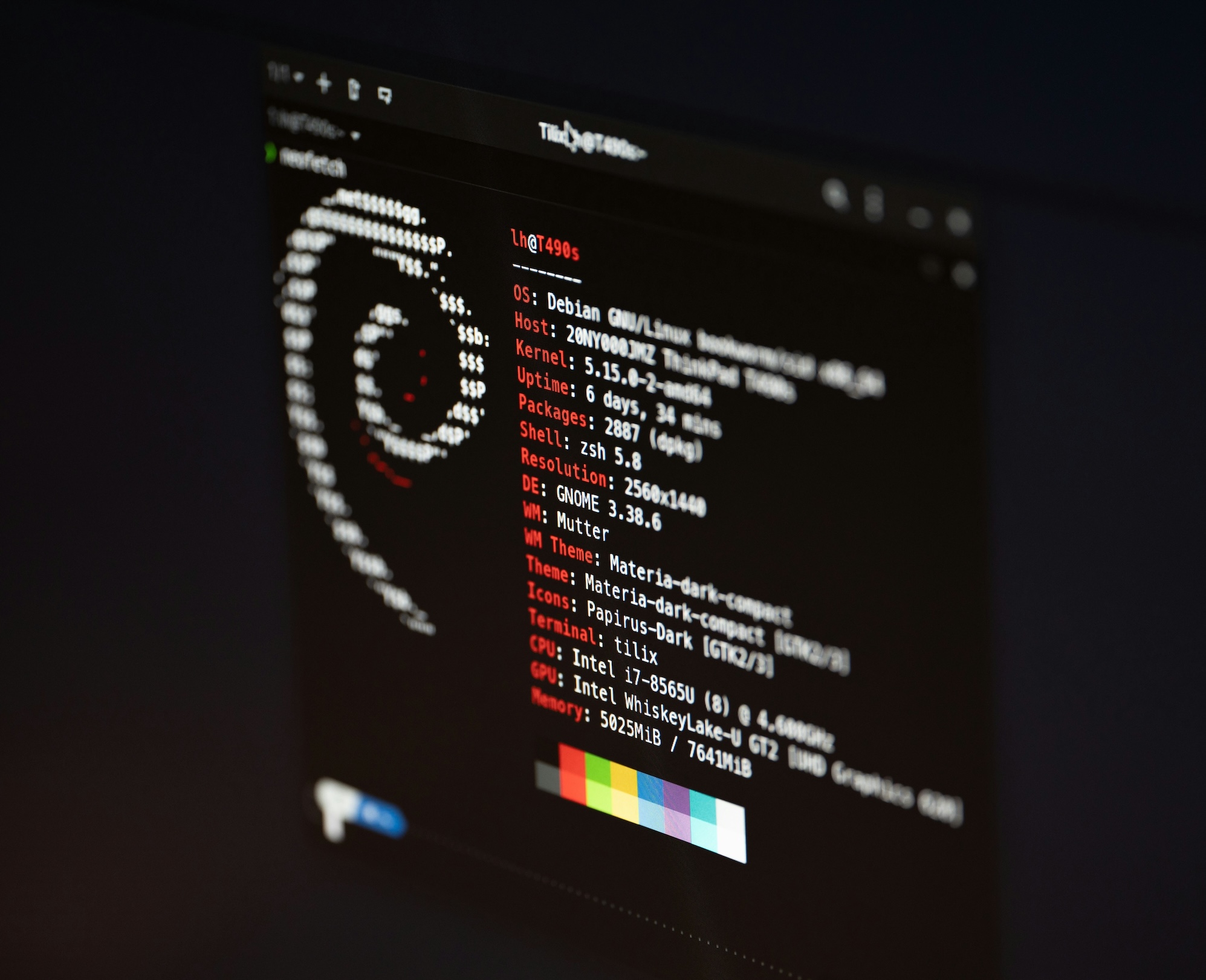
The United States government has issued a high-priority alert regarding a critical security vulnerability, tracked as CVE-2026-31431 and dubbed "CopyFail," that affects nearly all versions of the ubiquitous Linux operating system. This severe flaw, now actively exploited in malicious campaigns, grants attackers complete administrative control over compromised systems, posing an immediate and significant risk to digital infrastructure worldwide. Cybersecurity agencies and organizations globally are now racing to implement patches and mitigate potential damage.
The Heart of the Matter: Understanding CVE-2026-31431
At its core, CVE-2026-31431 is a memory corruption vulnerability residing within the Linux kernel, the foundational component of the operating system that manages system resources and facilitates communication between hardware and software. The name "CopyFail" aptly describes the technical flaw: the kernel fails to properly copy certain sensitive data during specific operations, leading to data corruption within its privileged memory space. This corruption can then be manipulated by an attacker to execute arbitrary code with the highest possible privileges—root access—effectively taking full command of the affected device.
The vulnerability was initially identified by security firm Theori and responsibly disclosed to the Linux kernel security team in late March. A patch was developed and released approximately one week later, a testament to the agility of the open-source community. However, the interval between the patch’s availability and its widespread adoption across the myriad of Linux distributions creates a perilous window of exposure. Many systems continue to operate with the vulnerable kernel, leaving them susceptible to exploitation as the patches slowly propagate through the complex ecosystem.
The Pervasive Reach of Linux
The gravity of the CopyFail vulnerability is amplified by the sheer ubiquity of Linux. Far from being confined to niche technical circles, Linux forms the backbone of a substantial portion of the world’s digital infrastructure. It powers the vast majority of cloud computing environments and data centers, where critical applications, services, and sensitive data are hosted. Enterprises, from small businesses to multinational corporations, rely on Linux servers for everything from web hosting and database management to internal operations and development platforms.
Beyond the enterprise, Linux kernels underpin a staggering array of devices. It is the foundation for Android, the world’s most popular mobile operating system, as well as smart televisions, networking equipment, industrial control systems, and a growing segment of the Internet of Things (IoT). Supercomputers, scientific research facilities, and even many embedded systems also run on Linux. This extensive footprint means that a vulnerability in the kernel has an "unusually big blast radius," as noted by DevOps engineer Jorijn Schrijvershof. Theori’s research confirmed the flaw’s presence in widely used distributions such as Red Hat Enterprise Linux 10.1, Ubuntu 24.04 (LTS), Amazon Linux 2023, and SUSE 16. Further analysis by Schrijvershof indicated its applicability to Debian and Fedora versions, as well as container orchestration platforms like Kubernetes, which inherently depend on the Linux kernel. The sheer diversity and critical nature of these affected systems underscore the profound impact of this vulnerability.
Active Exploitation: A Looming Threat
The U.S. Cybersecurity and Infrastructure Security Agency (CISA) has added CVE-2026-31431 to its Known Exploited Vulnerabilities Catalog, a critical designation indicating that the flaw is no longer theoretical but is actively being weaponized by malicious actors. This status elevates the vulnerability from a potential threat to an immediate crisis, requiring urgent action from all organizations. When a vulnerability is exploited "in the wild," it signifies that attackers have successfully developed and deployed functional exploits, meaning organizations must prioritize patching to avoid becoming another victim.
The implications of such a compromise are severe. Gaining root access to a server in a data center could allow an attacker to pivot across multiple applications, databases, and even other networked systems within the same environment. For cloud providers, this could mean unauthorized access to numerous corporate customers’ data and resources. For individual organizations, it could lead to data theft, service disruption, deployment of ransomware, or the establishment of persistent backdoors for future attacks.
Pathways to Compromise: How Attackers Leverage the Flaw
While the CopyFail bug itself is a local privilege escalation (LPE) vulnerability—meaning an attacker typically needs some initial access to the system to exploit it—its true danger lies in its potential to be chained with other vulnerabilities. As Microsoft’s security team highlighted, an LPE flaw like CopyFail can be combined with a remote code execution (RCE) vulnerability. An RCE bug allows an attacker to execute code on a remote system, often through a vulnerable web application or network service. Once the attacker achieves initial remote access, they can then leverage CopyFail to escalate their privileges to root, effectively taking full control of the server. This "chaining" of vulnerabilities is a common tactic in sophisticated cyberattacks, enabling attackers to bypass multiple layers of security.
Beyond chaining, other vectors for exploitation include social engineering and supply chain attacks. A user operating a Linux computer with a vulnerable kernel could be tricked into opening a malicious link or attachment that triggers the vulnerability locally. Phishing campaigns or malvertising could be used to deliver such payloads. In a more insidious scenario, the vulnerability could be injected through supply chain attacks. This might involve malicious actors compromising an open-source developer’s account, injecting malware into legitimate code, or tampering with software dependencies. Given Linux’s role as a fundamental building block for countless software projects, a supply chain compromise affecting the kernel could have cascading effects, silently compromising a vast number of devices and systems that rely on the tainted code.
Historical Precedent and Ongoing Challenges
The CopyFail vulnerability, while critical, is not an isolated incident in the history of Linux kernel security. The open-source community, despite its rigorous review processes, has faced numerous high-impact kernel vulnerabilities over the years. Notable examples include "Dirty COW" (CVE-2016-5195), a race condition vulnerability that allowed privilege escalation, and various memory safety issues that have plagued operating systems for decades. These incidents underscore the persistent challenge of securing complex, low-level software that interacts directly with hardware.
The development model of Linux, while fostering innovation and transparency, also presents unique challenges for security. With countless developers contributing to the kernel and an even greater number of distributions packaging and maintaining their own versions, the patching process can be fragmented. While the core kernel team can issue a fix quickly, it takes time for maintainers of distributions like Ubuntu, Red Hat, Debian, and others to integrate, test, and release these patches to their user bases. This "patch gap" is a critical period during which systems remain vulnerable, especially when exploit code becomes publicly available or, worse, actively exploited in the wild.
Government Response and Industry Imperatives
Recognizing the severe risk to federal systems, CISA has issued a Binding Operational Directive (BOD) ordering all civilian federal agencies to patch affected systems by May 15. This directive highlights the U.S. government’s proactive stance in securing its own critical infrastructure and serves as a strong signal to the private sector regarding the urgency of the situation. Federal agencies are mandated to remediate known exploited vulnerabilities, demonstrating a commitment to reducing the attack surface against sophisticated threats.
For organizations across all sectors, the CISA warning should serve as a wake-up call. Immediate action is required to identify all Linux systems running vulnerable kernel versions and deploy the necessary patches. This includes not only traditional servers but also cloud instances, containerized environments, and any embedded systems where patching is feasible. Organizations must also consider the broader implications:
- Inventory Management: Maintaining an accurate inventory of all Linux-based assets and their respective kernel versions is paramount.
- Patch Management Programs: Robust, efficient patch management processes are essential to reduce the window of vulnerability. This includes not just applying patches but also thorough testing to ensure compatibility and stability.
- Defense-in-Depth: Relying solely on patching is insufficient. Implementing a layered security approach, including network segmentation, intrusion detection and prevention systems, endpoint detection and response (EDR) solutions, and principle of least privilege, can help mitigate the impact of successful exploits.
- Incident Response Planning: Organizations must have well-defined incident response plans to detect, contain, and recover from potential compromises swiftly.
- Supply Chain Security: Evaluating the security posture of software dependencies and suppliers is increasingly critical in an interconnected world.
Securing the Foundation: A Call for Collective Action
The CopyFail vulnerability is a stark reminder of the foundational role that open-source software like Linux plays in the global digital landscape and the constant vigilance required to secure it. The rapid discovery and patching by the open-source community, followed by CISA’s urgent directive, exemplify the collaborative efforts needed to combat sophisticated cyber threats.
However, the responsibility extends beyond security researchers and government agencies. Every organization and individual relying on Linux systems must prioritize cybersecurity, implement timely patching, and adopt comprehensive security practices. As digital infrastructure becomes increasingly complex and interconnected, securing its most fundamental components is not merely a technical task but a collective imperative for maintaining global digital safety and resilience. The ongoing battle against cyber adversaries demands continuous adaptation, collaboration, and a proactive approach to safeguard the digital foundations of our modern world.