Amir Mahmud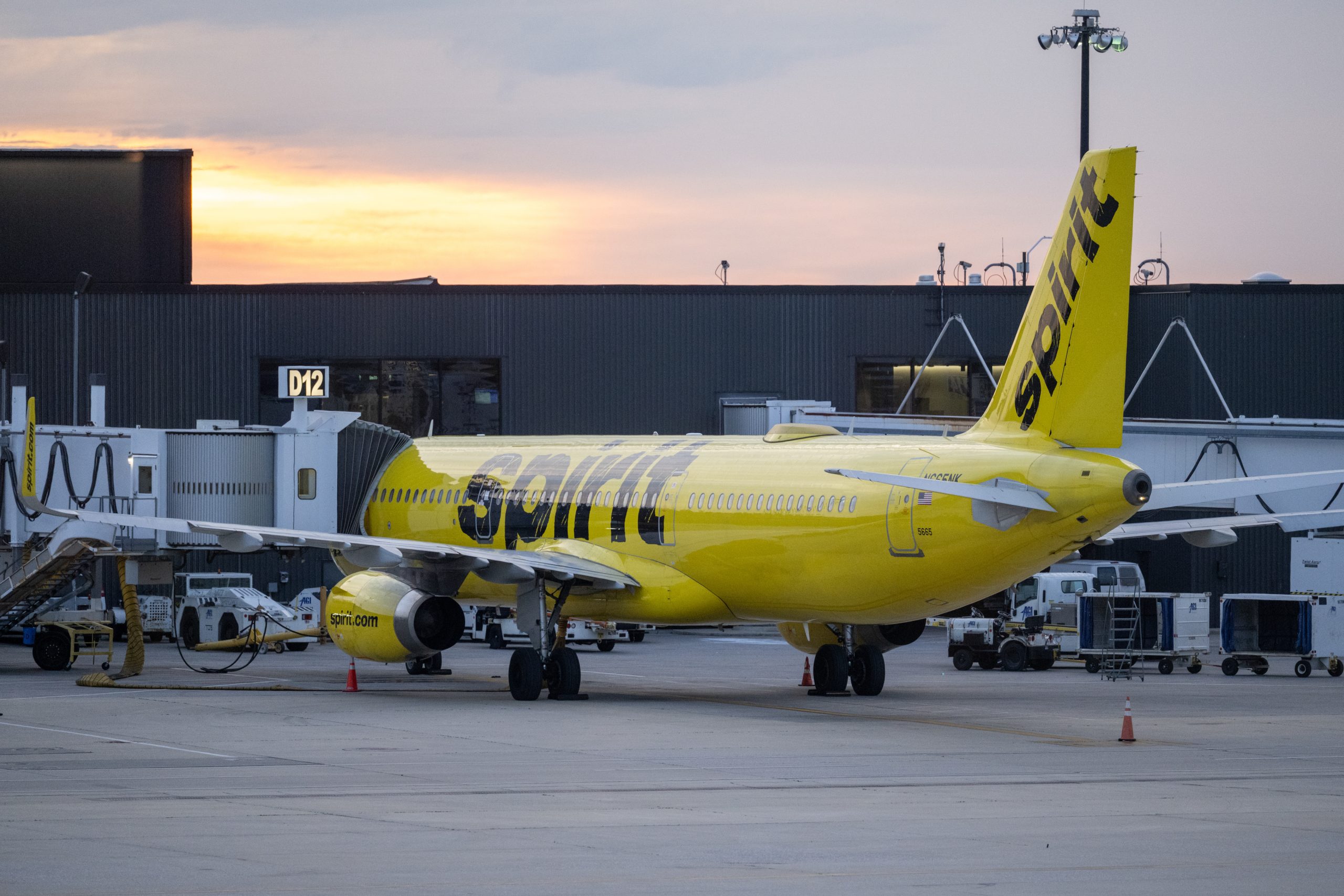
The abrupt cessation of Spirit Airlines’ operations over a recent weekend sent shockwaves through the travel industry and left tens of thousands of passengers and employees in disarray. With all flights canceled, approximately 17,000 employees laid off without prior notice, and ticket holders advised to avoid airports, the sudden collapse of the ultra-low-cost carrier created a vacuum of affordable air travel and ignited a passionate public response. Amidst the frustration and disruption, a unique proposal emerged from the digital ether, spearheaded by a TikTok user, to collectively acquire and relaunch the airline as a "people-owned" entity.
The Sudden Grounding of a Budget Giant
Spirit Airlines, known for its distinctive yellow planes and "bare fares," ceased all operations on a Saturday night, marking an unforeseen and dramatic end to its service. The airline, a prominent player in the ultra-low-cost carrier (ULCC) segment, had long served a specific niche of travelers prioritizing price above all else, often accepting trade-offs in terms of amenities and service. Its business model relied heavily on unbundled pricing, where basic fares were kept exceptionally low, with additional charges for everything from checked bags and carry-ons to seat selection, priority boarding, and even refreshments. This approach made air travel accessible to millions who might otherwise be priced out, fostering a love-hate relationship with its customer base.
The immediate aftermath of the shutdown was chaotic. Passengers, many of whom had booked non-refundable flights, found themselves stranded with limited options for alternative travel. The economic impact was immediate and severe, particularly for the vast workforce suddenly without employment. For many, Spirit represented not just a means of travel but a vital link to family, work, and leisure opportunities that other, higher-priced airlines could not provide. The void left by its departure underscored the critical role ULCCs play in the broader transportation ecosystem, particularly for budget-conscious consumers and underserved routes.
A Digital Call to Action
In the wake of this operational implosion, Hunter Peterson, a voice actor with a personal history of grievances as a frequent Spirit flyer, tapped into the collective sentiment of exasperation and loss. Leveraging the viral power of TikTok, Peterson posted a video proposing a seemingly audacious idea: what if a significant portion of American adults each contributed the equivalent of a Spirit fare to collectively purchase and resurrect the airline? He dubbed this aspirational project "Spirit 2.0: Owned by the People."
The concept resonated almost instantly across social media platforms. Within hours of Peterson’s initial post, the idea began to gather significant momentum. He hastily launched a rudimentary website to gauge interest and collect non-binding pledges. By the following day, the initiative had garnered pledges totaling nearly $23 million from approximately 36,000 self-identified "founding patrons," an overwhelming response that temporarily crashed his server infrastructure. This rapid mobilization showcased the immense power of digital platforms to channel diffuse public sentiment into a concentrated, albeit nascent, movement.
The Vision for "Spirit 2.0: Owned by the People"
Peterson’s vision for "Spirit 2.0" is rooted in the desire for a more equitable and customer-centric airline experience. While acknowledging the current pledges are not actual funds but rather expressions of interest, the underlying premise is to create an airline accountable to its users. The appeal lies in transforming a widely criticized corporate entity into a community-owned enterprise, hypothetically shifting focus from pure profit maximization to passenger satisfaction and employee welfare. This sentiment echoes broader trends in consumer advocacy and calls for corporate responsibility, amplified by the immediacy and reach of social media.
The concept taps into a prevalent cultural narrative of "the people" taking control, reminiscent of other online-driven collective actions that challenge established structures. Peterson himself acknowledged the monumental scale of the undertaking, lightheartedly recruiting for "aviation lawyers, PR people, and lawyers" in subsequent videos, openly admitting, "I know what I don’t know." His candid and humorous approach, coupled with the commitment to "this bit," has further fueled the campaign’s viral spread, turning a moment of corporate failure into an unexpected platform for digital activism and community building.
Navigating the Complexities of Airline Acquisition
While the enthusiasm for "Spirit 2.0" is palpable, the practical realities of acquiring and relaunching a major airline are astronomically complex and financially daunting. The actual cost of such an endeavor would run into billions of dollars, far exceeding the initial pledges. This figure would encompass not only the purchase of the airline’s assets (aircraft, gate leases, operational infrastructure, intellectual property, etc.) but also the immense capital required for regulatory compliance, maintenance, fuel, staffing, route establishment, and ongoing operational expenses.
Airline acquisitions are typically handled by large corporations or investment groups with deep pockets and specialized expertise. They involve intricate legal, financial, and regulatory processes, including approvals from the Department of Transportation (DOT), the Federal Aviation Administration (FAA), and antitrust regulators. Securing operating certificates, maintenance permits, and slot allocations at airports are multi-year endeavors, even for seasoned industry players. For a grassroots, crowdfunded initiative, these hurdles represent a formidable, if not insurmountable, challenge without significant institutional backing and professional guidance.
The Ultra-Low-Cost Carrier Model and Its Challenges
Spirit Airlines’ operational model, shared by other ULCCs like Frontier and Allegiant, emerged in the post-deregulation era of the U.S. airline industry. The Airline Deregulation Act of 1978 fundamentally reshaped air travel, moving away from government-controlled fares and routes towards a competitive, market-driven system. This paved the way for innovative business models, with Southwest Airlines pioneering the low-cost concept in the 1970s and 80s. Subsequent decades saw the rise of ULCCs, which pushed cost-cutting to its extreme, unbundling services to offer the lowest possible base fare.
This model, while economically efficient for the airline and attractive to a segment of travelers, is inherently vulnerable. ULCCs often operate with razor-thin margins, making them susceptible to external shocks such as fuel price volatility, economic downturns, or unforeseen operational disruptions. Their reliance on high load factors and quick turnarounds means any system-wide failure can cascade rapidly, leading to significant financial losses and reputational damage. The industry has a history of bankruptcies and consolidations, with numerous carriers failing over the decades, illustrating the unforgiving nature of the market. The sudden collapse of Spirit underscores the inherent fragility of even established players within this intensely competitive sector.
Social Media’s Role in Modern Mobilization
The "Spirit 2.0" campaign is a potent illustration of social media’s evolving role in modern collective action. Platforms like TikTok, with their ability to disseminate information and galvanize support rapidly, have become fertile ground for both serious movements and viral phenomena. This isn’t the first instance of internet users attempting to collectively influence corporate or financial landscapes. Past examples include the "Occupy Wall Street" movement, various online petitions, and, perhaps most notably, the GameStop stock surge, where retail investors coordinated on online forums to challenge institutional short-sellers.
These digital movements often blur the lines between earnest activism, ironic "bits," and genuine market influence. They demonstrate a growing desire among individuals to have a direct impact on issues they care about, bypassing traditional gatekeepers and power structures. The "Spirit 2.0" initiative, regardless of its ultimate feasibility, serves as a powerful testament to the collective frustration with corporate service and the imaginative ways in which digital communities are attempting to assert their collective will. It highlights a cultural shift where online engagement can quickly translate into significant, albeit symbolic, financial pledges and public pressure.
Beyond the Pledges: A Look at Feasibility
Beyond the initial burst of pledges, the path to a "people-owned" airline remains fraught with practical and regulatory challenges. Even if the collective pledges could somehow be converted into actual capital, the regulatory framework for publicly owned companies, especially in a heavily regulated industry like aviation, is incredibly stringent. A true public acquisition would likely necessitate a formal crowdfunding campaign adhering to Securities and Exchange Commission (SEC) regulations, a process far more complex than a simple website collecting email addresses.
Furthermore, running an airline requires an extensive network of highly skilled professionals: pilots, flight attendants, mechanics, air traffic controllers, logistics experts, and business strategists. It involves complex labor relations, sophisticated fleet management, and intricate route planning, all while navigating a constantly evolving regulatory environment. The "Spirit 2.0" vision, while inspiring, would need to transition from a spontaneous social media phenomenon to a meticulously planned business enterprise, complete with a robust executive team, legal counsel, and a comprehensive operational strategy.
The Broader Implications for Air Travel and Consumer Power
The saga of Spirit Airlines’ collapse and the subsequent crowdfunding effort speaks to broader themes in contemporary society: the impact of corporate decisions on everyday lives, the growing power of digital communities, and the enduring quest for affordable and reliable services. While the "Spirit 2.0" initiative may ultimately prove to be more symbolic than substantive, its rapid rise underscores a significant public appetite for alternative models of corporate ownership and a desire for greater consumer agency in essential services.
The incident serves as a stark reminder of the delicate balance within the airline industry – a balance between profitability, operational efficiency, and public service. It also highlights the critical role of ultra-low-cost carriers in making air travel accessible, even with their inherent trade-offs. As the dust settles on Spirit’s unexpected demise, the ongoing conversation sparked by Hunter Peterson’s viral campaign will undoubtedly contribute to the broader discourse on the future of air travel, consumer expectations, and the evolving dynamics of collective action in the digital age.