 Amir Mahmud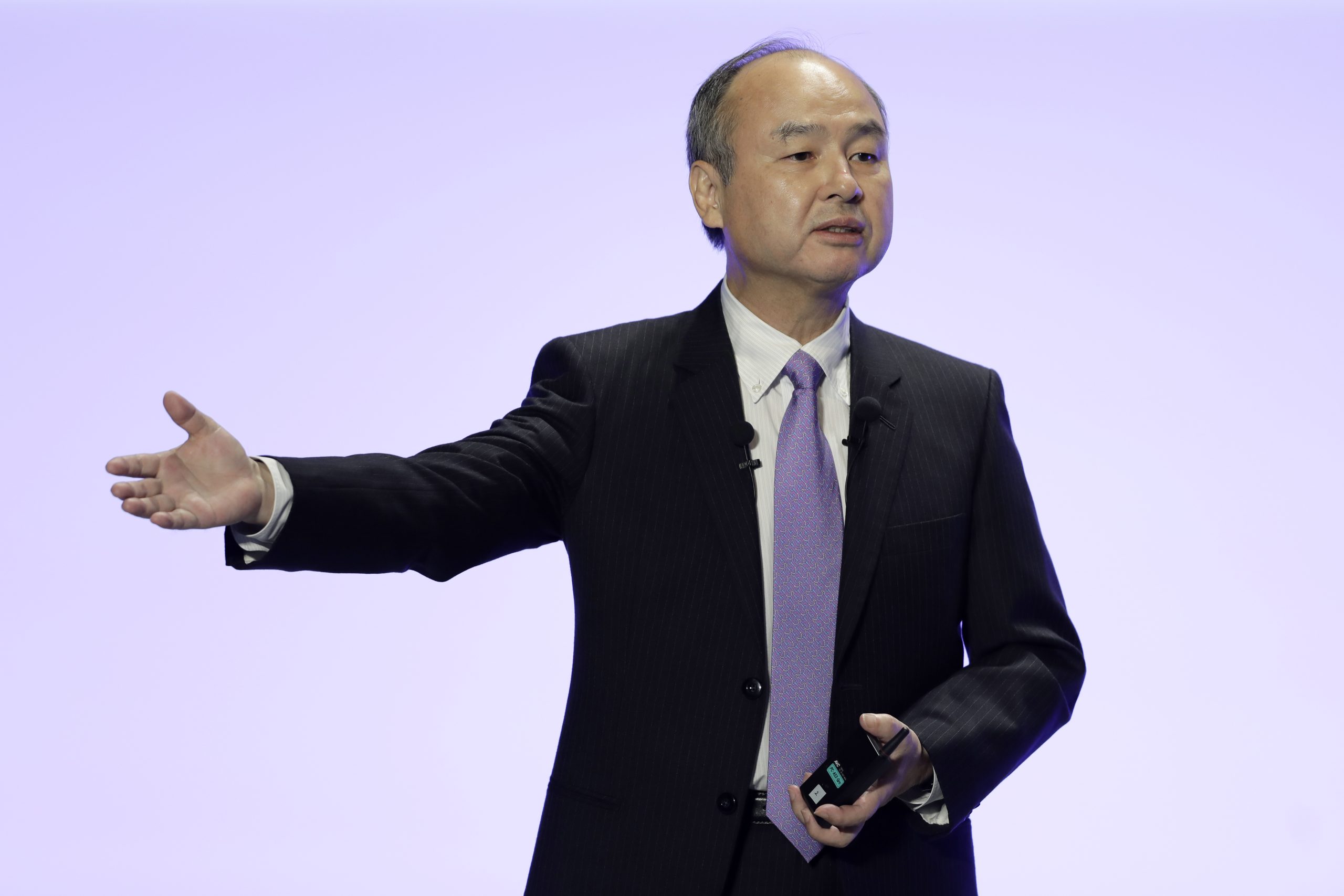
A significant shift is underway in the global technology landscape, driven by an insatiable demand for advanced computing power. Japanese multinational conglomerate SoftBank Group is reportedly poised to capitalize on this trend by establishing a new company, Roze AI, dedicated to revolutionizing data center construction through automation. This ambitious venture, which seeks to deploy autonomous robotics to erect server farms, is already being positioned for a monumental initial public offering (IPO) with an anticipated valuation that could reach an astonishing $100 billion by the second half of 2026, according to recent reports from the Financial Times and Wall Street Journal.
The Genesis of Roze AI: Addressing a Critical Bottleneck
The world’s digital infrastructure is under immense pressure. The explosion of artificial intelligence, particularly generative AI models that require colossal computational resources, has triggered an unprecedented surge in demand for data centers. These facilities, the physical backbone of the internet and cloud computing, house the servers, storage, and networking equipment essential for processing vast quantities of data. However, the traditional methods of constructing these complex facilities are often slow, labor-intensive, and prone to delays, creating a significant bottleneck in the expansion of digital capacity.
SoftBank’s Roze AI aims to tackle this challenge head-on. By integrating advanced robotics and AI-driven processes, the company intends to streamline and accelerate the construction of data centers, particularly within the crucial U.S. market. The vision is to move beyond conventional building practices, leveraging automation to enhance efficiency, reduce costs, and shorten deployment timelines for these critical digital assets. This strategic move aligns with a broader industry trend where technology giants are increasingly investing in proprietary infrastructure to support their burgeoning AI and cloud operations, rather than relying solely on external providers or traditional construction methods.
SoftBank’s Visionary Playbook: A History of Bold Investments
The creation of Roze AI is consistent with SoftBank’s long-standing strategy of identifying and investing in disruptive technologies poised to reshape industries. Under the leadership of its enigmatic founder, Masayoshi Son, SoftBank has cultivated a reputation for making high-stakes, long-term bets on companies believed to be at the forefront of technological evolution. Son’s "cluster of No. 1s" philosophy aims to build a portfolio of leading companies across various tech sectors, often with a heavy emphasis on AI and robotics.
Historically, SoftBank’s Vision Fund, launched in 2017, has been a primary vehicle for these audacious investments, pouring billions into startups ranging from ride-sharing services like Uber to co-working spaces like WeWork. While some investments, such as the chip design firm Arm Holdings, have proven to be immensely successful, others, like the AI-driven pizza delivery startup Zume, faced significant challenges or ultimately failed. This track record underscores SoftBank’s appetite for risk and its belief that groundbreaking innovation often comes with inherent uncertainties. The venture into automated data center construction with Roze AI, therefore, represents another chapter in SoftBank’s ambitious pursuit of future-defining technologies, albeit one that appears to address a very tangible and immediate infrastructural need.
SoftBank’s prior forays into robotics include its acquisition of Boston Dynamics, known for its agile humanoid and quadruped robots, which it later sold to Hyundai Motor Group. While the direct ownership shifted, SoftBank’s strategic interest in the potential of robotics for various industrial and commercial applications has remained steadfast. Roze AI signifies a more direct application of robotics to a massive industrial challenge, moving from conceptual innovation to practical, large-scale deployment in a sector vital for the digital economy.
Automating the Digital Backbone: How Roze AI Plans to Operate
Details regarding the specific operational model of Roze AI are still emerging, but the core concept revolves around deploying autonomous robots to undertake various stages of data center construction. This could encompass tasks from initial site preparation and foundation laying to the assembly of modular components, the installation of server racks, and even the intricate wiring and cooling systems. By automating these processes, Roze AI seeks to achieve several key objectives:
- Speed and Efficiency: Robots can operate continuously, potentially reducing construction timelines from months or years to a matter of weeks or even days for certain modular components. This speed is critical for hyperscale cloud providers and AI companies needing to expand capacity rapidly.
- Precision and Quality: Automated systems can perform repetitive tasks with a high degree of accuracy, minimizing human error and ensuring consistent quality in construction.
- Cost Reduction: While initial investment in robotic systems can be substantial, long-term operational costs might decrease due to reduced labor expenses, waste, and rework.
- Safety Enhancement: By assigning hazardous or strenuous tasks to robots, Roze AI could significantly improve safety conditions on construction sites, reducing the risk of accidents and injuries to human workers.
- Scalability: Robotic construction methods are inherently more scalable, allowing for the rapid deployment of multiple data centers concurrently across different locations.
The emphasis on "efficiency" mentioned in reports suggests a holistic approach that not only automates physical tasks but also leverages AI for project management, logistics, and supply chain optimization, creating a highly integrated and intelligent construction ecosystem.
The Staggering $100 Billion Public Offering Target
The reported target valuation of $100 billion for Roze AI’s IPO by late 2026 has generated considerable discussion within financial circles. This figure would place Roze AI among the largest public debuts in recent memory, reflecting not only the scale of SoftBank’s ambition but also the perceived market appetite for companies at the intersection of AI, robotics, and critical infrastructure.
For context, a $100 billion valuation would put Roze AI in a league with some of the world’s most established technology and industrial giants. It would signify immense investor confidence in the company’s ability to execute its vision and capture a significant share of the rapidly expanding data center construction market. This market is projected to grow substantially in the coming years, driven by cloud adoption, IoT, 5G, and especially AI. Analysts suggest that the valuation hinges on Roze AI demonstrating not just technological feasibility but also a clear path to profitability and scalability in a highly capital-intensive industry.
However, some internal skepticism within SoftBank regarding both the aggressive valuation and the proposed IPO timeline has also been noted. Such internal discussions are common for ventures of this magnitude, reflecting the inherent risks and complexities involved in bringing a novel, capital-intensive business to market. The success of the IPO will depend heavily on market conditions, investor sentiment towards AI and infrastructure plays, and Roze AI’s ability to articulate a compelling growth story.
Broader Market and Societal Implications
The emergence of Roze AI and its automated construction paradigm carries significant implications across various sectors:
- Impact on the Construction Industry: Traditional construction firms may face increased pressure to innovate and adopt automation or risk being outcompeted. This could lead to a broader digital transformation of the construction sector, fostering new skill sets in robotics operation, programming, and maintenance, while potentially reducing demand for manual labor in certain areas.
- Data Center Market Acceleration: By alleviating construction bottlenecks, Roze AI could enable hyperscale cloud providers and enterprises to expand their digital footprints much faster, accelerating the deployment of new AI applications and services globally. This would further entrench the dominance of cloud computing and AI-driven economies.
- Labor Market Dynamics: The deployment of construction robots inevitably raises questions about job displacement. While some traditional roles might diminish, new opportunities in robotics engineering, AI development, data analysis, and advanced manufacturing could emerge. The societal challenge will be to manage this transition through retraining and upskilling initiatives.
- Environmental Considerations: Faster construction of data centers also means a faster increase in energy consumption. While automation itself doesn’t directly solve this, Roze AI could potentially integrate sustainable building practices, such as modular designs optimized for energy efficiency or the use of eco-friendly materials, into its automated processes. The ability to build faster could also enable quicker deployment of data centers in regions with access to renewable energy sources.
- Global Competition: The race to build AI infrastructure is a global one. SoftBank’s move with Roze AI could spur similar initiatives from competitors in China, Europe, and North America, intensifying the innovation in industrial automation and digital infrastructure.
Navigating Risks and Rewards
While the potential rewards for Roze AI are substantial, the venture is not without significant risks. Technological hurdles in developing robust, versatile, and autonomous construction robots are considerable. Integrating these robots into complex construction workflows, ensuring safety standards, and navigating regulatory frameworks across different geographies will be critical. The capital expenditure required to scale such an operation could also be immense, potentially straining even SoftBank’s deep pockets. Competition from established construction giants who may also be exploring automation, or from other tech companies eyeing this space, cannot be overlooked.
However, if Roze AI successfully executes its vision, it stands to become a pivotal player in the digital economy. By providing a faster, more efficient, and potentially more cost-effective way to build the physical infrastructure that powers the AI revolution, Roze AI could enable unprecedented growth in cloud computing and artificial intelligence. SoftBank’s willingness to back such a capital-intensive and visionary project underscores its conviction that the future of technology is inextricably linked to advanced robotics and automated infrastructure.
The coming months will be crucial for Roze AI as it moves from concept to concrete development, and for SoftBank as it prepares to present this ambitious enterprise to the public market. The success or struggle of Roze AI will offer valuable insights into the viability of large-scale robotic construction and the enduring appetite for transformative technological ventures in the current economic climate.








 Azin Asro
