 Amir Mahmud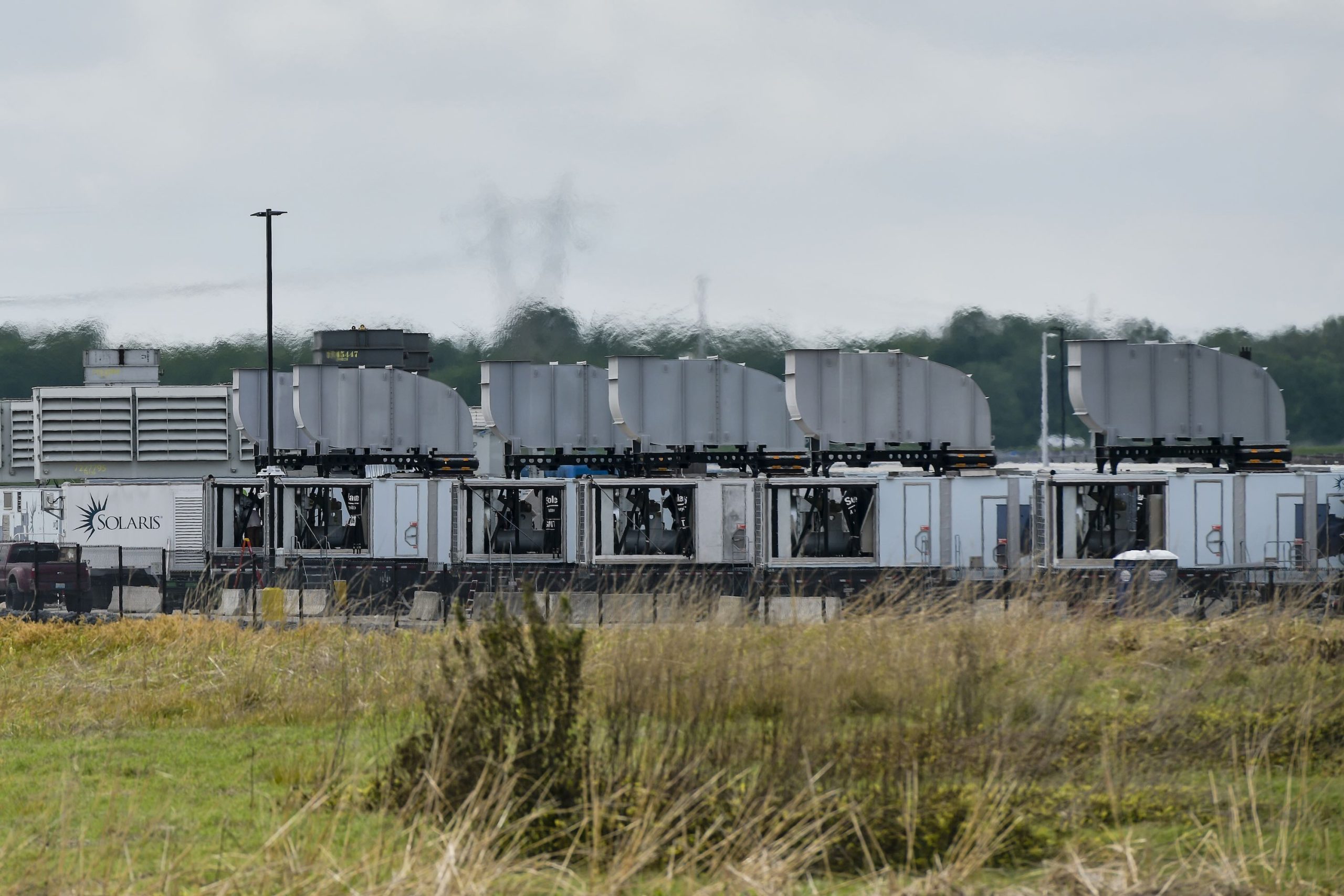
Governor Janet Mills of Maine has officially rejected a legislative proposal, L.D. 307, that aimed to impose a temporary statewide pause on permits for new data centers, sparking a robust discussion across the state regarding economic development, environmental stewardship, and the future of its energy infrastructure. The bill, which sought to halt new data center construction until November 1, 2027, and establish a 13-person council to study the industry’s impacts, represented the nation’s most comprehensive attempt to regulate the rapidly expanding digital infrastructure at a state level. Mills’ decision, communicated through a formal letter to the state legislature, underscores the complex interplay between technological advancement, local economic priorities, and broader ecological concerns.
The Rise of Digital Infrastructure and Its Footprint
Data centers, the physical backbone of the internet, are vast complexes housing thousands of networked computer servers, data storage systems, and the crucial infrastructure required to power and cool them. These facilities are indispensable for virtually every aspect of modern life, from cloud computing and artificial intelligence (AI) to streaming services, e-commerce, and the burgeoning Internet of Things (IoT). The insatiable global demand for digital services, particularly the explosive growth of AI applications requiring immense computational power, has fueled an unprecedented surge in data center construction worldwide. This expansion, while a testament to technological progress, comes with a significant and increasingly scrutinized environmental and energy cost.
Globally, data centers are prodigious consumers of electricity, accounting for a substantial and growing percentage of total energy consumption. Estimates vary, but many experts suggest these facilities could consume over 3% of global electricity by the end of the decade, with some projections going even higher as AI proliferates. This energy demand translates directly into environmental impacts, primarily through greenhouse gas emissions if powered by fossil fuels, and considerable water usage for cooling systems, especially in regions with warmer climates or where evaporative cooling is employed. The sheer scale of these operations also necessitates large tracts of land, contributing to concerns about habitat loss and changes in local land use patterns.
A National Reckoning: States Grapple with Data Center Growth
Maine’s legislative debate is not an isolated incident but rather a microcosm of a larger national conversation. Across the United States, communities and state governments are increasingly confronting the challenges posed by the unchecked growth of data centers. States like Virginia, often dubbed "Data Center Alley" due to its high concentration of facilities, have seen local opposition grow over concerns about noise pollution, visual blight, and, most critically, the immense strain on local power grids and water supplies. New York lawmakers, for instance, have also considered similar moratoriums, highlighting a shared apprehension about the industry’s unchecked expansion.
The concerns extend beyond environmental impact. Rapid data center development can lead to spikes in electricity demand, potentially necessitating costly grid upgrades that are ultimately borne by ratepayers. This can lead to higher utility bills for residents and businesses, creating economic ripple effects. Furthermore, the construction and operation of these facilities can impact local infrastructure, including roads and water pipelines, and sometimes clash with a community’s long-term planning or aesthetic values. The debate often pits the promise of high-tech jobs and tax revenue against the preservation of natural resources, community character, and affordable utilities.
Maine’s Unique Energy Landscape and Economic Aspirations
Maine’s consideration of a data center moratorium takes on particular significance given the state’s ambitious clean energy goals and its unique energy profile. The Pine Tree State has positioned itself as a leader in renewable energy, with a strong commitment to reducing greenhouse gas emissions and transitioning to a green economy. Much of its electricity generation already comes from hydroelectric, wind, and biomass sources, with ongoing investments in offshore wind and solar. Against this backdrop, the prospect of energy-intensive data centers, particularly those that might rely on fossil fuel peaker plants to meet demand spikes, presents a dilemma for policymakers.
For communities within Maine, the arrival of a data center can represent a substantial economic opportunity. These facilities, while not employing a vast number of people in their operational phase, often involve significant upfront construction investment and generate considerable tax revenue. This is particularly appealing to rural areas seeking revitalization and diversification beyond traditional industries. Maine has historically relied on industries like logging, fishing, and manufacturing, and the shift towards a more diversified economy, including tech-related sectors, is a recognized priority.
The Jay Project: A Local Catalyst in a Statewide Debate
Governor Mills’ veto message provided a crucial insight into her decision, highlighting a specific data center project in the Town of Jay as the primary reason for her rejection of L.D. 307. She stated that while she acknowledged the validity of concerns regarding the environmental and energy impacts of large data centers in other states and "would have signed this bill" under different circumstances, the bill’s failure to exempt the Jay project was a dealbreaker. The Governor emphasized that the Jay project "enjoys strong local support from its host community and region."
The context of Jay is vital to understanding this particular nuance. Historically, Jay was a town heavily reliant on the paper industry, with the closure of major mills over the past few decades leaving a significant economic void. The prospect of a new data center, therefore, likely represents a beacon of hope for economic recovery, job creation, and a stable tax base for the community. This local enthusiasm creates a difficult balance for a governor who must weigh statewide environmental policy against the immediate economic needs and desires of a specific, often struggling, region. Mills, a Democrat currently running for the U.S. Senate, faces the challenge of appealing to both environmentally conscious voters and those prioritizing local economic development.
Political and Legislative Fallout
The veto has elicited strong reactions from various stakeholders. State Representative Melanie Sachs, a Democrat and the primary sponsor of L.D. 307, expressed profound disappointment with the Governor’s decision. Sachs articulated her concerns that the veto "poses significant potential consequences for all ratepayers, our electric grid, our environment, and our shared energy future." Her statement reflects the anxieties of environmental advocates and consumer protection groups who fear that unbridled data center growth could undermine Maine’s climate goals and burden its citizens with higher electricity costs.
The legislative process in Maine now faces a critical juncture. While a governor’s veto can be overridden by a two-thirds vote in both chambers of the legislature, achieving such a supermajority is often challenging. The debate surrounding L.D. 307 highlights the deep divisions within the state’s political landscape regarding how best to navigate the opportunities and challenges presented by the digital economy. It also brings into focus the tension between top-down state-level policymaking and bottom-up local control and economic aspirations.
Broader Market and Societal Implications
The ongoing dialogue in Maine and other states holds significant implications for the data center industry itself. As resistance to new facilities grows, developers are facing increased pressure to prioritize sustainability, energy efficiency, and community engagement in their planning. This could accelerate innovation in cooling technologies, renewable energy integration, and site selection strategies that minimize environmental impact. The industry might also need to become more proactive in demonstrating tangible local benefits, beyond just tax revenue, to gain social license.
For society, the debate underscores a fundamental tension in the digital age: how to reconcile our ever-growing demand for instantaneous, data-driven services with the finite resources of our planet and the well-being of local communities. It pushes policymakers, industry leaders, and citizens to consider the true cost of convenience and connectivity. The cultural impact is also evident, as communities increasingly scrutinize the hidden infrastructure that powers their digital lives, moving beyond abstract concepts to concrete impacts on their neighborhoods, utility bills, and natural landscapes.
Looking Ahead: A Path Towards Sustainable Digital Growth
Governor Mills’ veto, while rejecting the moratorium, does not entirely dismiss the underlying concerns. Her acknowledgment of the "impacts of massive data centers in other states on the environment and on electricity rates" suggests a willingness to address these issues through alternative means. The original bill’s call for a 13-person council to study data center construction could still be revisited in future legislation, perhaps with amendments that allow for local exemptions or a more nuanced approach to statewide regulation.
The challenge for Maine, and indeed for many other states, will be to forge a path that allows for strategic economic growth in the digital sector while safeguarding its environmental heritage and ensuring affordable, reliable energy for all residents. This will likely involve comprehensive energy planning, incentivizing data centers to use 100% renewable energy, promoting highly efficient designs, and fostering transparent dialogue between developers, communities, and policymakers. The outcome of this debate in Maine will undoubtedly serve as a precedent and a lesson for other regions grappling with the complex demands of the twenty-first-century digital economy.










 Azin Asro
