Amir Mahmud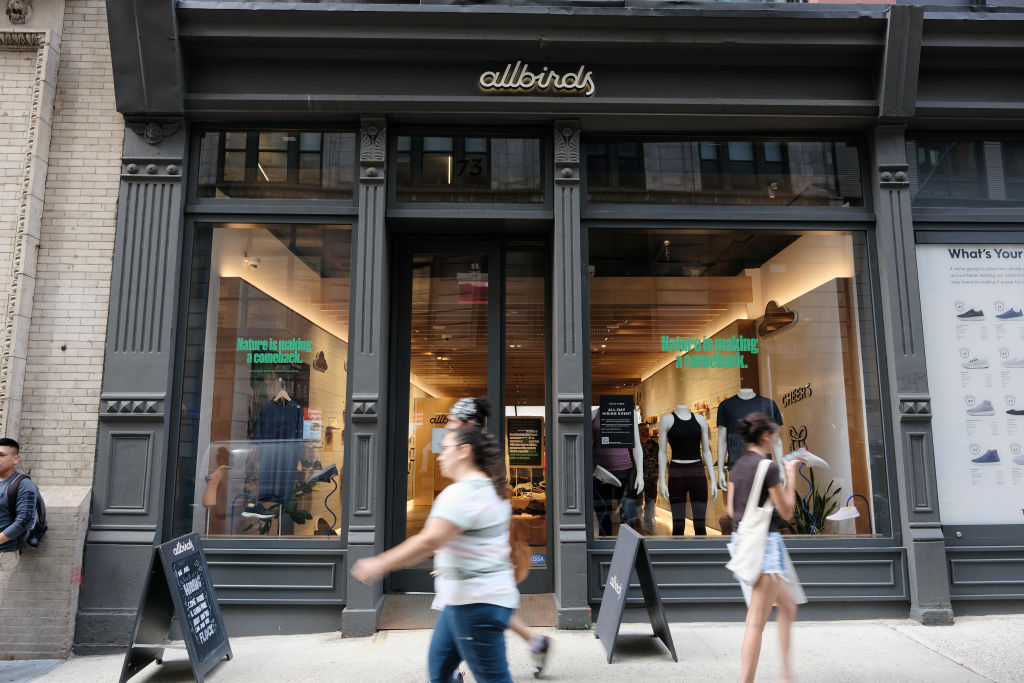
The once-lauded sustainable footwear brand, Allbirds, has reached a definitive agreement to sell its entire portfolio of assets and intellectual property to the privately held brand management firm, American Exchange Group. This transaction, valued at approximately $39 million, marks a stark and dramatic conclusion to a corporate narrative that saw the company briefly achieve a market capitalization exceeding $4 billion following its initial public offering in 2021. The sale price represents a mere fraction of the $348 million Allbirds successfully raised during its IPO, underscoring a significant and rapid decline from its peak valuation.
Details of the Transaction and Immediate Market Reaction
Under the terms of the agreement, American Exchange Group will acquire all tangible and intangible assets associated with the Allbirds brand. The deal is currently contingent upon shareholder approval and is anticipated to finalize during the second quarter of the current fiscal year. Subsequently, the proceeds from the sale are slated for distribution to stockholders in the third quarter. Following the announcement, Allbirds shares experienced a notable surge, climbing 36% in after-hours trading. This increase is particularly interesting given that the $39 million acquisition price actually represented a premium over the company’s market capitalization of $24.5 million at the close of trading on the preceding Monday, when shares were valued at $2.98. This suggests that despite the overall massive loss in value, the acquisition offered a final, albeit small, upside for existing shareholders compared to the immediate pre-announcement market price.
The Rise of a Silicon Valley Darling
Founded in 2014 by New Zealander Tim Brown, a former professional soccer player, and Joey Zwillinger, a biotech engineer, Allbirds quickly carved out a niche in the competitive footwear market. Their initial product, a minimalist sneaker crafted from Merino wool, was lauded for its comfort, simple aesthetic, and, crucially, its commitment to environmental sustainability. The brand’s origin story emphasized innovation in material science, aiming to provide a compelling alternative to synthetic, petroleum-based footwear. This focus on natural materials, combined with a direct-to-consumer (DTC) business model, allowed Allbirds to cultivate a strong brand identity and a loyal customer base.
Allbirds swiftly became an unofficial uniform for the tech elite in Silicon Valley. Its understated design, which eschewed overt branding and flashy logos, resonated with a demographic that often prioritized comfort and perceived ethical consumption. The shoes were seen as a subtle signal of environmental consciousness and a rejection of traditional, often more garish, sneaker culture. This cultural alignment propelled the brand’s rapid growth and cemented its status as a disruptor in the apparel and footwear industry, promising a new era of "sustainable fashion."
The IPO Hype and the Pursuit of "Sustainable Equity"
Riding the wave of strong venture capital backing and a burgeoning interest in environmentally, socially, and governance (ESG) investing, Allbirds made its highly anticipated debut on the public markets in November 2021. The company introduced a novel "Sustainable Equity" framework for its IPO, intertwining its financial performance with its environmental and social impact goals. This innovative approach sought to appeal to a new generation of investors keen on supporting purpose-driven companies. The market responded enthusiastically, with shares soaring on its opening day, briefly pushing the company’s valuation past the $4 billion mark. This moment represented the pinnacle of Allbirds’ success, a testament to the market’s belief in its mission and growth potential.
The timing of the IPO coincided with a period of elevated e-commerce activity fueled by the COVID-19 pandemic and a generally bullish market for growth stocks. Investors were pouring capital into companies with compelling narratives and perceived disruptive potential, especially those aligning with sustainability trends. Allbirds seemed perfectly positioned to capitalize on these converging forces, promising continued innovation in eco-friendly materials and global expansion.
Post-IPO Expansion and Strategic Missteps
Following its successful public offering, Allbirds embarked on an aggressive expansion strategy designed to sustain its growth trajectory and justify its elevated valuation. This involved a significant push into physical retail, with the opening of numerous brick-and-mortar stores across key markets. Simultaneously, the company ventured beyond its core wool and eucalyptus-based sneakers, diversifying its product portfolio into a broader range of apparel, including leggings, jackets, and even specialized performance running shoes.
However, these strategic pivots proved to be significant missteps. The rapid diversification into new product categories, particularly performance wear and general apparel, failed to resonate with Allbirds’ core customer base. Consumers who valued the brand for its unique, comfortable, and sustainable casual footwear did not necessarily see Allbirds as a credible player in highly specialized athletic gear or general fashion. The brand’s identity became diluted, and the distinctiveness that had initially attracted customers began to fade. Co-founder Tim Brown later acknowledged these challenges, admitting that the rapid growth and expansion had cost the company "some of our DNA." This candid reflection highlighted a critical flaw in strategy: sacrificing core brand identity and focus in pursuit of market share and revenue growth.
Mounting Losses and Market Challenges
The aggressive expansion into both new product lines and physical retail locations came with substantial operational costs. Building out a global retail footprint and developing entirely new product categories requires significant capital investment in design, manufacturing, inventory, and marketing. These expenditures, coupled with the underperformance of new offerings, quickly led to escalating losses for the company. Allbirds found itself in a precarious position, burning through capital while struggling to generate sufficient revenue to offset its increased overhead.
Compounding these internal challenges were broader macroeconomic headwinds. The global economy began to shift rapidly in the years following the pandemic. Inflationary pressures increased manufacturing costs and squeezed consumer purchasing power. Supply chain disruptions, although easing, continued to pose operational complexities. Furthermore, the retail landscape became increasingly competitive, with both established brands and new startups vying for consumer attention. The initial surge in e-commerce during the pandemic began to normalize, making the physical retail expansion even more challenging and costly to justify. The "sustainability premium" that consumers were once willing to pay also faced increased scrutiny as economic uncertainties grew, pushing some consumers back towards more budget-friendly options.
Market and Social Impact: A Cautionary Tale for Sustainable Brands
Allbirds’ trajectory offers a compelling case study and a cautionary tale for the broader sustainable fashion industry and purpose-driven startups. The brand demonstrated that while a strong narrative around sustainability can attract initial investment and consumer interest, it is not a shield against the fundamental pressures of market competition, effective business strategy, and economic realities. The challenge of scaling a sustainable brand often involves navigating higher material and production costs, maintaining ethical supply chains, and educating consumers, all while striving for profitability.
The acquisition also reflects a shifting investor sentiment. The era of sky-high valuations for unprofitable growth companies, particularly those in the direct-to-consumer space, has largely receded. Investors are now prioritizing profitability, sustainable business models, and clear paths to positive cash flow. Allbirds’ fall from grace underscores the difficulty of maintaining "hype" and delivering consistent growth post-IPO, especially when strategic execution falters. For consumers, the Allbirds story might prompt questions about the true long-term viability of "eco-friendly" brands that struggle to balance their mission with commercial success. It highlights the tension between aspirational branding and tangible value delivery.
American Exchange Group: The Path Forward?
The acquiring entity, American Exchange Group, is an 18-year-old privately held brand management firm known for acquiring and managing a diverse portfolio of brands. Their current holdings include footwear brand Aerosoles and home furnishings line Jonathan Adler. American Exchange Group’s expertise lies in revitalizing and integrating brands into their existing operational framework, often leveraging economies of scale in sourcing, distribution, and marketing.
For Allbirds, this acquisition by a brand management firm could signify a strategic refocus. American Exchange Group may aim to streamline Allbirds’ operations, divest underperforming product categories, and potentially re-emphasize the core offerings that initially made the brand successful. There is potential to leverage American Exchange Group’s existing retail relationships and supply chain infrastructure to reduce costs and improve profitability. The challenge will be to restore Allbirds’ unique brand identity and customer loyalty without diluting its original commitment to sustainability, which was a cornerstone of its initial appeal. The success of this acquisition will depend on American Exchange Group’s ability to carefully balance brand heritage with operational efficiency and market relevance.
Broader Industry Lessons
The Allbirds saga provides several critical lessons for the modern retail and startup ecosystem. Firstly, the direct-to-consumer model, while powerful for initial brand building, faces significant scalability challenges and can be incredibly capital-intensive, especially when transitioning to physical retail. Secondly, diversification, while often seen as a growth engine, must be carefully considered to avoid diluting core brand identity and spreading resources too thin. Brands must genuinely understand if their customers will follow them into new product categories. Thirdly, the promise of sustainability, while increasingly important to consumers, must be backed by a robust and profitable business model; a compelling mission alone is insufficient for long-term survival in the public markets. Finally, the rapid shifts in consumer behavior and macroeconomic conditions demand agility and resilience from even the most innovative brands.
The acquisition of Allbirds by American Exchange Group at a fraction of its former glory serves as a stark reminder of the volatile nature of public markets and the high stakes involved in scaling a beloved brand. It closes a significant chapter in the story of a company that dared to dream of a more sustainable future for footwear, while opening a new one under the stewardship of a firm tasked with navigating its complex legacy.