Amir Mahmud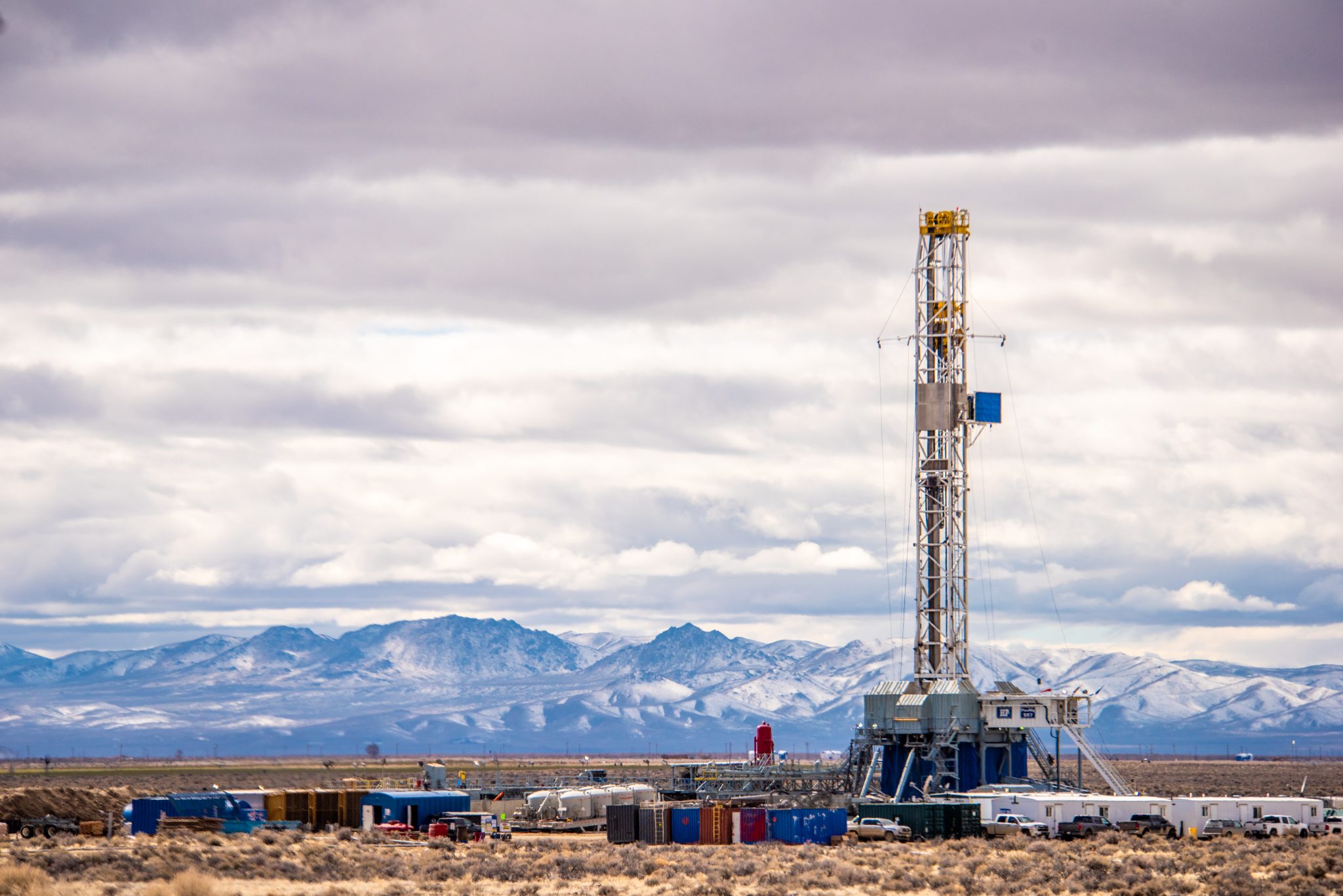
Fervo Energy, an emerging leader in enhanced geothermal systems, has secured a significant financial milestone with a $421 million non-recourse debt financing package. This substantial investment is earmarked for the company’s Cape Station power plant in Beaver County, Utah, a development poised to advance the commercial viability of next-generation geothermal technology. The successful procurement of such project-specific funding marks a critical juncture for the startup, indicating a transition from an innovative concept to a commercially de-risked and scalable energy solution, effectively navigating what industry observers often refer to as the "valley of death" for nascent technologies.
The Geothermal Renaissance: A Modern Energy Imperative
Geothermal energy, harnessing the Earth’s internal heat, represents one of the oldest forms of renewable power generation, with the first geothermal power plant established in Lardarello, Italy, in 1904. Traditional geothermal operations typically rely on finding naturally occurring reservoirs of hot water or steam close to the surface, primarily in geologically active regions. While reliable and dispatchable, offering continuous baseload power unlike intermittent solar or wind, the geographical limitations of conventional geothermal have historically constrained its widespread adoption.
However, the escalating global demand for clean, consistent energy sources, coupled with the urgent imperative to decarbonize electricity grids, has reignited interest in geothermal innovation. Enhanced Geothermal Systems (EGS) represent a significant technological leap, promising to unlock geothermal potential in a much broader range of locations. Unlike traditional methods, EGS involves engineering subsurface reservoirs by injecting fluids into hot, dry rock formations, creating artificial fracture networks to extract heat more efficiently. This approach dramatically expands the accessible resource base, positioning geothermal as a potentially transformative contributor to the future energy mix.
Navigating the "Valley of Death"
For many technology startups, particularly those in capital-intensive sectors like climate tech, the "valley of death" describes the precarious phase where a promising technology has been proven in a pilot or demonstration project but struggles to attract the substantial capital required for full commercial scale-up. Investors are often hesitant to commit large sums to unproven business models or technologies that carry significant technical and financial risks at scale. This gap between initial research and development and widespread commercial deployment has claimed numerous innovative ventures.
Fervo Energy’s $421 million non-recourse loan signals a profound shift beyond this perilous stage. Prior to this, Fervo had secured equity funding and potentially other forms of debt, but the nature of this particular financing is crucial. Non-recourse debt means that the loan’s liability is tied directly to the project’s assets and future cash flows, not the broader corporate entity of Fervo Energy itself. Should the project fail, lenders would have claims only against the Cape Station assets, not against Fervo’s other assets or its corporate balance sheet. This structure is typically reserved for projects deemed to have a high degree of confidence in their technical feasibility and financial returns, indicating that lenders perceive the Cape Station project as a low-risk, bankable venture. For Fervo, this signifies a crucial validation of its EGS technology and business model, paving the way for future projects and broader market acceptance.
Cape Station: A Blueprint for Scalability
The Cape Station power plant, situated in Utah, is set to commence operations within the current year. The initial phase will see the facility scaling to an impressive 100 megawatts (MW) by early 2027, with long-term plans to reach a substantial 500 MW when fully developed. This ambitious trajectory underscores the company’s confidence in its EGS technology and the market’s demand for its output. Crucially, Fervo has already secured power purchase agreements for all of Cape Station’s planned output, a testament to the strong market appetite for reliable, clean baseload electricity. These agreements provide a stable revenue stream, further de-risking the project for lenders and investors.
The scale of Cape Station, particularly its eventual 500 MW capacity, positions it as a significant contributor to regional grid stability and decarbonization efforts. Such a large-scale, continuous power source can effectively complement intermittent renewable energy sources like solar and wind, providing critical grid balancing services and ensuring a constant supply of clean energy, even when the sun isn’t shining or the wind isn’t blowing. The project’s location in Utah, a state with substantial untapped geothermal resources, further highlights the potential for EGS to transform energy landscapes beyond traditional geothermal hotbeds.
The Mechanics of Non-Recourse Financing
Non-recourse financing is a sophisticated financial instrument typically employed in large infrastructure and energy projects. Its application to Cape Station is particularly noteworthy because, as Fervo has highlighted, this type of financing does not usually apply to "first-of-a-kind" facilities. While Cape Station itself represents a new generation of EGS projects, Fervo’s extensive preliminary work and data collection undoubtedly played a pivotal role in securing this deal. The company has conducted significant drilling and testing on over a dozen wells at the site, accumulating invaluable geological and engineering data. This robust dataset allowed Fervo to mitigate many of the inherent geological and operational risks typically associated with novel geothermal developments, providing lenders with the confidence needed to structure a non-recourse loan.
The availability of such financing suggests a growing maturity within the EGS sector. It signifies that financial institutions are increasingly comfortable with the risk profile of these advanced geothermal projects, moving beyond earlier phases where equity investors bore the brunt of development risks. This shift has broader implications for the renewable energy landscape, potentially unlocking new avenues for capital deployment into innovative clean energy technologies.
Enhanced Geothermal Systems (EGS): Unpacking Fervo’s Technology
Fervo Energy’s core innovation lies in its application of advanced drilling and reservoir engineering techniques, many of which draw parallels with the oil and gas industry’s advancements in hydraulic fracturing and horizontal drilling. Traditional geothermal plants tap into natural fractures in hot rock formations where water circulates. EGS, by contrast, actively creates or enhances these fracture networks. This process typically involves drilling multiple wells into hot, impermeable rock, then injecting high-pressure fluid to create a vast, interconnected network of fractures. Water is then circulated through this engineered reservoir, heated by the surrounding rock, and brought back to the surface to drive turbines and generate electricity.
The key differentiators of Fervo’s approach likely include optimized drilling paths, sophisticated seismic monitoring to map and control fracture growth, and advanced subsurface imaging to characterize reservoir properties. By precisely controlling the creation and management of these subsurface heat exchangers, Fervo aims to maximize heat extraction efficiency and ensure long-term, sustainable energy production. This technological prowess is critical not only for securing project financing but also for the long-term economic viability and environmental sustainability of EGS. The ability to deploy EGS in diverse geological settings represents a paradigm shift, moving geothermal from a niche energy source to a potential global player.
Market Dynamics and Demand Drivers
The surge in demand for reliable, carbon-free electricity, particularly from energy-intensive industries, has been a significant tailwind for companies like Fervo. Data centers, with their insatiable and ever-growing appetite for power, are leading this charge. Tech giants, committed to aggressive decarbonization goals, are actively seeking 24/7 clean energy solutions to power their vast server farms. While solar and wind are crucial, their intermittency necessitates complementary baseload power. Geothermal, with its constant output, fits this requirement perfectly, offering a continuous, dispatchable clean energy source that can operate around the clock, regardless of weather conditions.
Beyond data centers, the broader energy market is experiencing a profound transformation. Grid operators are increasingly valuing "firm" or "dispatchable" clean energy resources that can be ramped up or down as needed to maintain grid stability. As grids integrate more variable renewable energy, the need for baseload power that doesn’t rely on fossil fuels becomes paramount. Geothermal systems, including EGS, offer this critical stability, making them highly attractive to utilities and corporate off-takers looking to meet both their sustainability targets and operational needs. The cultural shift towards greater environmental responsibility, coupled with policy support for renewable energy, further amplifies this market demand.
Broader Implications for the Renewable Sector
Fervo Energy’s achievement with the Cape Station financing carries significant implications for the entire renewable energy sector. It serves as a powerful validation point for EGS technology, potentially catalyzing further investment and development in the field. When a first-of-a-kind project secures non-recourse debt, it signals to other developers, investors, and policymakers that the technology has matured to a point where financial risk is manageable, and returns are predictable. This could unlock a new wave of capital for EGS projects, accelerating their deployment globally.
Moreover, Fervo’s success demonstrates the potential for innovation within established renewable energy categories. While solar and wind have dominated recent headlines, EGS shows that there are still vast, untapped opportunities within less conventional but equally vital clean energy sources. This could encourage a more diversified approach to renewable energy portfolios, fostering a more resilient and robust global energy transition. The precedent set by Cape Station could also inspire other climate tech startups facing similar "valley of death" challenges, providing a roadmap for how to de-risk and scale their technologies through strategic financial planning and robust project execution.
Challenges and Future Outlook
Despite this monumental achievement, the path forward for EGS and Fervo Energy is not without its challenges. Scaling to 500 MW will require sustained engineering excellence, efficient project management, and continued innovation in drilling and reservoir management techniques. Geological uncertainties, though mitigated by Fervo’s data, always present a degree of risk in subsurface operations. Furthermore, the cost of drilling and developing EGS wells remains substantial, necessitating ongoing efforts to drive down costs through technological advancements and economies of scale. Permitting and regulatory hurdles, especially for new energy infrastructure, can also be complex and time-consuming.
Nevertheless, the long-term outlook for enhanced geothermal appears increasingly promising. With continued technological advancements, supportive government policies (such as tax credits and research funding), and growing market demand for reliable clean energy, EGS could become a foundational component of a decarbonized energy future. Fervo Energy’s successful financing for Cape Station stands as a powerful testament to the potential of this technology, marking a pivotal moment in the global transition towards a sustainable energy landscape.