Amir Mahmud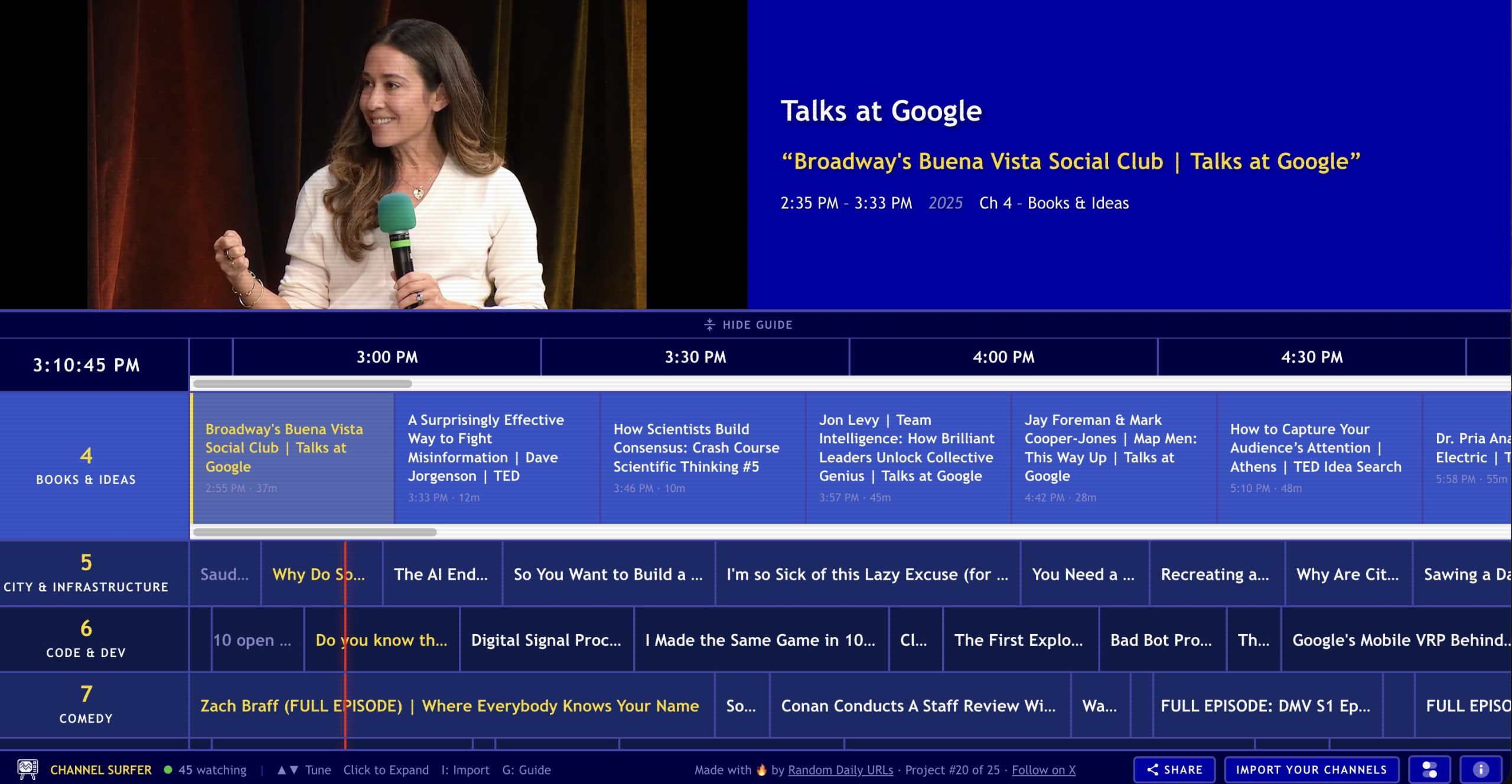
A novel digital application is reimagining the way individuals consume online video content, channeling the familiar experience of traditional cable television. London-based developer Steven Irby has introduced Channel Surfer, a web-based platform that curates YouTube videos into a user interface reminiscent of an old-school electronic program guide, inviting users to "channel surf" through themed selections rather than actively search or rely on algorithmic recommendations. This innovative approach offers a refreshing alternative to the often overwhelming choice presented by contemporary streaming services, tapping into a collective memory of passive media consumption.
The Genesis of a Digital Retro-Revolution
Steven Irby, a seasoned professional within the tech industry, conceived Channel Surfer out of a personal frustration with the prevailing digital media landscape. Having spent over a decade traveling and accumulating diverse experiences, Irby expressed a profound weariness with the "algorithms and indecision fatigue" that characterize modern online video platforms. His vision was to resurrect the simplicity and serendipity of channel surfing, an activity that, for many, evokes a sense of comfort and effortless entertainment. This sentiment is encapsulated in his desire to "just sit and tune into what’s on and not think about what to watch next," a stark contrast to the endless scrolling and decision-making inherent in most on-demand platforms. The project also reflects Irby’s broader philosophical stance on the internet’s enduring potential for creative, experimental ventures, asserting that "the old web is still alive and well," albeit often obscured by the commercialized "slop."
Decoding the Channel Surfer Experience
At its core, Channel Surfer provides a visually engaging, retro-themed guide that organizes YouTube content into distinct, topic-focused "channels." Upon its initial launch, the platform featured 40 such custom-built channels. These range from broad categories like news, politics, sports, and general lifestyle content, to more specialized niches including various music genres and dedicated technology streams. Specific examples within the tech sphere include "AI & ML" (Artificial Intelligence & Machine Learning), "Code & Dev" (Coding & Development), "Space," "Retro Tech," "Tech & Gadgets," and "Gaming."
The user experience is designed to mimic traditional television viewing with remarkable fidelity. As users navigate between channels, they seamlessly join a video already in progress, mirroring the act of flipping through channels on a conventional television set. The on-screen guide provides a clear overview of currently playing content and a schedule of upcoming programs across all channels, allowing users to scroll forward to preview content planned for the next 24 hours. This linear programming model provides a structured yet flexible viewing experience, removing the burden of constant selection. Adding a subtle layer of social interaction, a small counter at the bottom of the display indicates the number of other individuals simultaneously watching content through Channel Surfer, fostering a sense of shared community in an otherwise individualized activity.
The Allure of Linear Media in the Streaming Era
The emergence and initial popularity of Channel Surfer can be understood within a broader historical and cultural context concerning media consumption. For decades, linear television — where content is broadcast at a scheduled time on a specific channel — was the dominant paradigm. Viewers would consult printed TV guides or electronic program guides (EPGs) to plan their viewing. The advent of technologies like VCRs, followed by digital video recorders (DVRs) and eventually on-demand streaming services, gradually shifted power to the consumer, offering unparalleled control over what and when to watch. This evolution, while liberating, inadvertently introduced the "paradox of choice," where an abundance of options can lead to decision fatigue and a sense of dissatisfaction.
This contemporary challenge has contributed to the surprising resurgence of linear-like experiences within the streaming ecosystem. Free Ad-supported Streaming TV (FAST) services, such as Plex, Pluto TV, and Tubi, have gained significant traction by offering curated channels that mimic traditional cable television. These platforms demonstrate a clear market demand for passive viewing options, providing a curated stream of content without requiring active selection. YouTube itself, despite being the quintessential on-demand platform, holds a dominant position in television streaming in the U.S., as noted by industry reports, underscoring its broad acceptance as a primary viewing source. Channel Surfer leverages this trend, applying the comforting familiarity of linear programming to YouTube’s vast, often overwhelming, library of content.
From a social and cultural perspective, the appeal of Channel Surfer lies in its ability to offer a mental break. In an era where digital interactions often demand active engagement and constant decision-making, a passive viewing experience can be profoundly relaxing. It allows individuals to unwind without the cognitive load of navigating menus, reading synopses, or making choices. Furthermore, the shared viewing counter on Channel Surfer subtly reintroduces a communal aspect that has largely diminished with personalized streaming. The knowledge that others are watching the same content, even if asynchronously, can evoke a sense of connection, reminiscent of a time when entire households or communities tuned into the same broadcast events. This communal experience provides a counterbalance to the often isolating nature of individualized media consumption.
Technical Foundations and Future Aspirations
Technically, Channel Surfer is built as a static Next.js site, leveraging PartyKit for its real-time functionalities and hosted on Cloudflare for robust delivery. The initial selection of channels and music playlists is meticulously hand-picked by Irby, ensuring a curated and high-quality viewing experience. Daily data refreshes are automated using GitHub Actions, maintaining the timeliness of the content. While the developer acknowledges assistance from AI tools like Claude in the coding process, he clarifies that the project is not merely "vibe-coded," implying a significant human element in its design and implementation.
Crucially, Channel Surfer operates by embedding YouTube videos directly, which includes their native advertising. This approach ensures compliance with YouTube’s policies, as the app essentially functions as a different interface for existing YouTube content, rather than circumventing its platform or monetization model. At launch, the service provides access to 175 YouTube channels and 25 music playlists free of charge. For users seeking a more personalized experience, subscribing to Irby’s newsletter unlocks the capability to import their own YouTube subscriptions into the app. This process, facilitated by a simple bookmarklet, allows users to integrate hundreds of their preferred channels into the Channel Surfer format, significantly expanding their personalized linear viewing options.
Looking ahead, Irby harbors ambitions to extend Channel Surfer’s reach beyond web browsers. He envisions bringing the application to dedicated TV platforms such as Fire TV and Google TV, recognizing the importance of television-centric viewing for this type of experience. While the app is functional on mobile devices and tablets, Irby notes that these versions require further refinement. His entrepreneurial spirit, honed over a decade of diverse experiences, fuels this creative endeavor, marking a clear departure from what he describes as the mundane task of a "Jira ticket monkey." The initial reception has been overwhelmingly positive, with the website reportedly garnering over 10,000 views on its inaugural day, signaling a strong appetite for this innovative blend of past and present media consumption.
Channel Surfer stands as a testament to the enduring appeal of simplicity and serendipity in a complex digital world. By transforming the vast, on-demand library of YouTube into a comforting, linear television experience, Steven Irby has not only created a novel viewing platform but also sparked a conversation about the future of media consumption, where the best of old and new paradigms might coalesce to offer a richer, less fatiguing user experience.