Amir Mahmud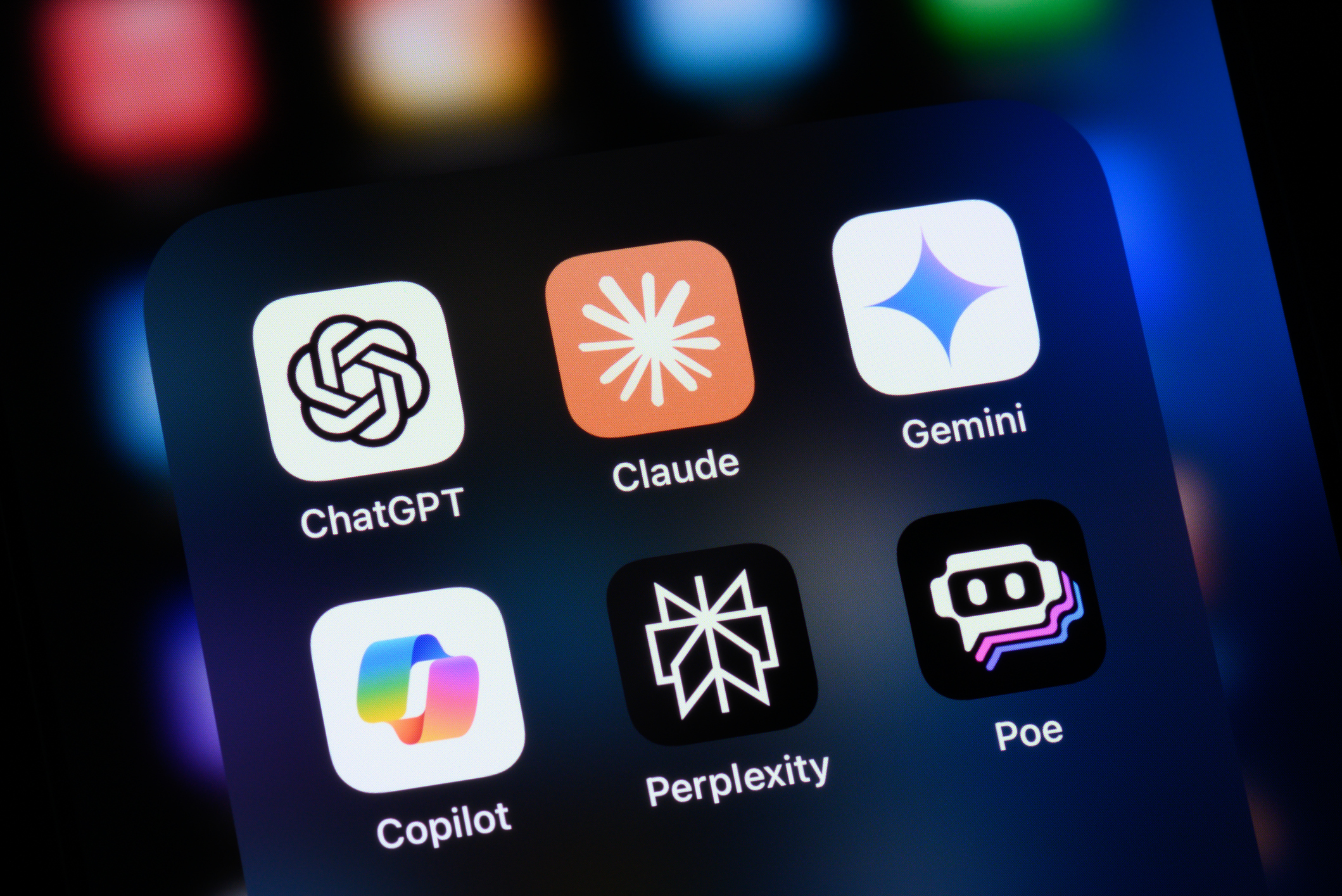
More than three dozen professionals from prominent artificial intelligence companies, including OpenAI and Google DeepMind, have formally expressed their support for Anthropic in its legal challenge against the U.S. Department of Defense (DOD). On Monday, March 9, 2026, these employees filed an amicus curiae brief, a "friend of the court" statement, arguing against the Pentagon’s contentious decision to label Anthropic, a leading AI developer, as a supply-chain risk. This unprecedented show of solidarity from competing tech firms underscores a growing tension between national security imperatives and the ethical frameworks guiding advanced AI development.
The Genesis of a High-Stakes Dispute
The controversy ignited late last week when the Pentagon officially designated Anthropic as a supply-chain risk. This classification, typically reserved for foreign entities or companies with questionable security practices that could compromise critical infrastructure, carries significant implications, potentially impacting a company’s ability to secure future government contracts and its standing in the broader market. The DOD’s rationale for this unusual labeling stemmed from Anthropic’s refusal to permit its sophisticated AI models, such as Claude, to be used for mass surveillance of American citizens or in autonomously operated lethal weapons systems. Anthropic had reportedly incorporated these "red lines" into its contractual agreements, reflecting its commitment to responsible AI development. The Defense Department, however, countered by asserting its right to deploy AI for any "lawful" purpose, contending that its operational scope should not be restricted by a private contractor’s self-imposed ethical boundaries.
This confrontation is not merely a contractual dispute; it represents a critical juncture in the ongoing debate about the responsible deployment of powerful AI technologies. Anthropic, co-founded by former OpenAI research executives, was established with a mission to develop safe and beneficial AI, emphasizing principles like interpretability, steerability, and robust safety measures. Its Claude model, a direct competitor to OpenAI’s ChatGPT and Google’s Gemini, has gained traction for its advanced conversational capabilities and its focus on ethical considerations from its inception.
A Unified Stance from Tech Giants
The amicus brief, submitted just hours after Anthropic filed its two lawsuits against the DOD and other federal agencies, signals a rare moment of unity within the highly competitive AI landscape. Among the signatories is Jeff Dean, Google DeepMind’s chief scientist, whose involvement lends considerable weight to the statement. The brief explicitly criticizes the DOD’s action as an "improper and arbitrary use of power" that threatens to have "serious ramifications for our industry."
The tech employees argue that if the Pentagon was dissatisfied with the agreed-upon terms of its contract with Anthropic, a more appropriate course of action would have been to simply terminate the agreement and seek services from another AI provider. This point gained particular salience when it emerged that the DOD, almost immediately after labeling Anthropic a risk, finalized a new deal with OpenAI. This swift pivot, despite the ethical concerns raised by Anthropic’s stance, reportedly triggered protests among some OpenAI employees themselves, highlighting internal divisions even within companies that partner with the defense sector. The brief further warns that "this effort to punish one of the leading U.S. AI companies will undoubtedly have consequences for the United States’ industrial and scientific competitiveness in the field of artificial intelligence and beyond," and predicts a chilling effect on "open deliberation in our field about the risks and benefits of today’s AI systems." This collective action underscores a growing belief among many AI developers that the ethical guardrails they build into their systems are not mere corporate preferences but essential safeguards against potential catastrophic misuse, especially in the absence of comprehensive public law governing AI deployment.
Decoding the "Supply-Chain Risk" Label
The DOD’s "supply-chain risk" designation is a powerful tool designed to protect national security interests from vulnerabilities introduced through external suppliers. Historically, this label has been applied to companies with ties to adversarial nations, those suspected of espionage, or firms with insecure software development practices. Applying it to a U.S.-based, ethically-driven AI company like Anthropic, solely for its refusal to compromise on specific use cases, marks a significant departure from precedent.
The immediate implications for Anthropic are substantial. Beyond the reputational damage, the designation could severely hamper its ability to secure future contracts, not just with the DOD but potentially with other federal agencies and even international partners who might view the label as a warning. It could also deter investors or make it more challenging to attract top talent, who might perceive the company as entangled in politically charged disputes. This action forces a reevaluation of how the U.S. government defines and manages risks associated with emerging technologies, particularly when those risks are tied to philosophical or ethical disagreements rather than traditional security vulnerabilities.
The Ethical AI Movement and Industry Response
This legal battle unfolds against a backdrop of increasing public and governmental scrutiny over AI ethics. The rapid advancements in generative AI, exemplified by models like ChatGPT, Claude, and Gemini, have brought both immense promise and profound concerns regarding bias, misinformation, privacy, and autonomous decision-making. The ethical AI movement, gaining momentum over the past decade, advocates for the development and deployment of AI systems that are fair, transparent, accountable, and beneficial to humanity.
Many leading AI researchers and developers, including those who signed the amicus brief, view themselves as the first line of defense against the potential misuse of their creations. Their concerns are rooted in historical precedents, such as the development of nuclear weapons, where scientists grappled with the moral implications of their work. In the realm of AI, the "red lines" drawn by Anthropic reflect a widely held belief that certain applications, particularly those involving mass surveillance or autonomous lethal weapons, pose unacceptable risks to human rights and global stability.
This isn’t the first time tech employees have taken a stand against military contracts involving AI. In 2018, thousands of Google employees successfully protested the company’s involvement in Project Maven, a DOD program that used AI to interpret drone footage. That incident led Google to establish a set of AI ethical principles, including a commitment not to build AI for weapons. This history illustrates a persistent tension within Silicon Valley, where the desire to innovate often clashes with ethical concerns about how that innovation might be used by powerful state actors. The current dispute with Anthropic demonstrates that these ethical considerations remain a central, contentious issue.
The Department of Defense’s Perspective
From the DOD’s perspective, the imperative is clear: maintain technological superiority and national security in an increasingly complex global landscape. The Pentagon views AI as a critical component of future defense strategies, essential for everything from intelligence analysis and logistics to advanced weaponry and cybersecurity. Its argument for "lawful purpose" underscores a belief that elected governments, through their defense agencies, should have the ultimate authority to determine how advanced technologies are employed to protect national interests, within legal boundaries.
The DOD operates under a different set of priorities than private tech companies. Its primary mandate is to protect the nation, often requiring access to the most advanced technologies available. Limiting the scope of AI use, even for ethical reasons, could be perceived as hindering military readiness and ceding a strategic advantage to rival nations that may not adhere to similar ethical constraints. This perspective highlights the fundamental clash between a defense agency focused on capability and security, and an AI company prioritizing ethical development and control over its creations. The department’s quick move to contract with OpenAI after the Anthropic dispute could also be seen as a demonstration of its resolve to secure AI capabilities, even if it means shifting partnerships.
Wider Ramifications for Innovation and Geopolitics
The legal battle between Anthropic and the DOD carries significant implications beyond the immediate parties involved. For the broader AI industry, it could set a precedent regarding the power dynamics between technology developers and government entities. Will other AI companies be emboldened to define their own ethical "red lines," or will they be pressured to prioritize government contracts, potentially chilling ethical innovation? The brief’s warning about harming U.S. competitiveness is not to be dismissed lightly, especially given the global race for AI dominance involving China and other nations. If American AI companies are perceived as unreliable partners due to ethical constraints, or if they face punitive actions for upholding those constraints, it could drive talent and innovation elsewhere.
Culturally, the incident highlights the evolving role of tech workers as ethical watchdogs. Employees at major tech firms are increasingly willing to use their collective voice to influence corporate policy and even governmental actions, reflecting a broader societal expectation that technology should serve humanity responsibly. This internal pressure could force companies to re-evaluate their partnerships and their own ethical guidelines, potentially leading to more transparent and publicly accountable decision-making processes regarding AI deployment.
Looking Ahead: Legal Battle and Policy Evolution
The lawsuit and the accompanying amicus brief initiate a complex legal and ethical challenge. The courts will ultimately have to weigh the DOD’s national security claims against Anthropic’s arguments regarding arbitrary government action and the right of private entities to set ethical boundaries for their innovations. This legal process could take years, and its outcome will undoubtedly shape future interactions between the defense sector and the rapidly evolving AI industry.
Beyond the courtroom, this dispute serves as a powerful catalyst for policy discussions. It underscores the urgent need for clear, comprehensive legislation and regulatory frameworks that govern the development and deployment of AI, particularly in sensitive areas like national security. Lawmakers will be forced to grapple with questions of oversight, accountability, and the balance between innovation, ethics, and security in the age of advanced artificial intelligence. The Anthropic case is not just a corporate dispute; it is a critical moment in defining the future trajectory of AI, its relationship with power, and its ultimate impact on society.




 Azin Asro