Amir Mahmud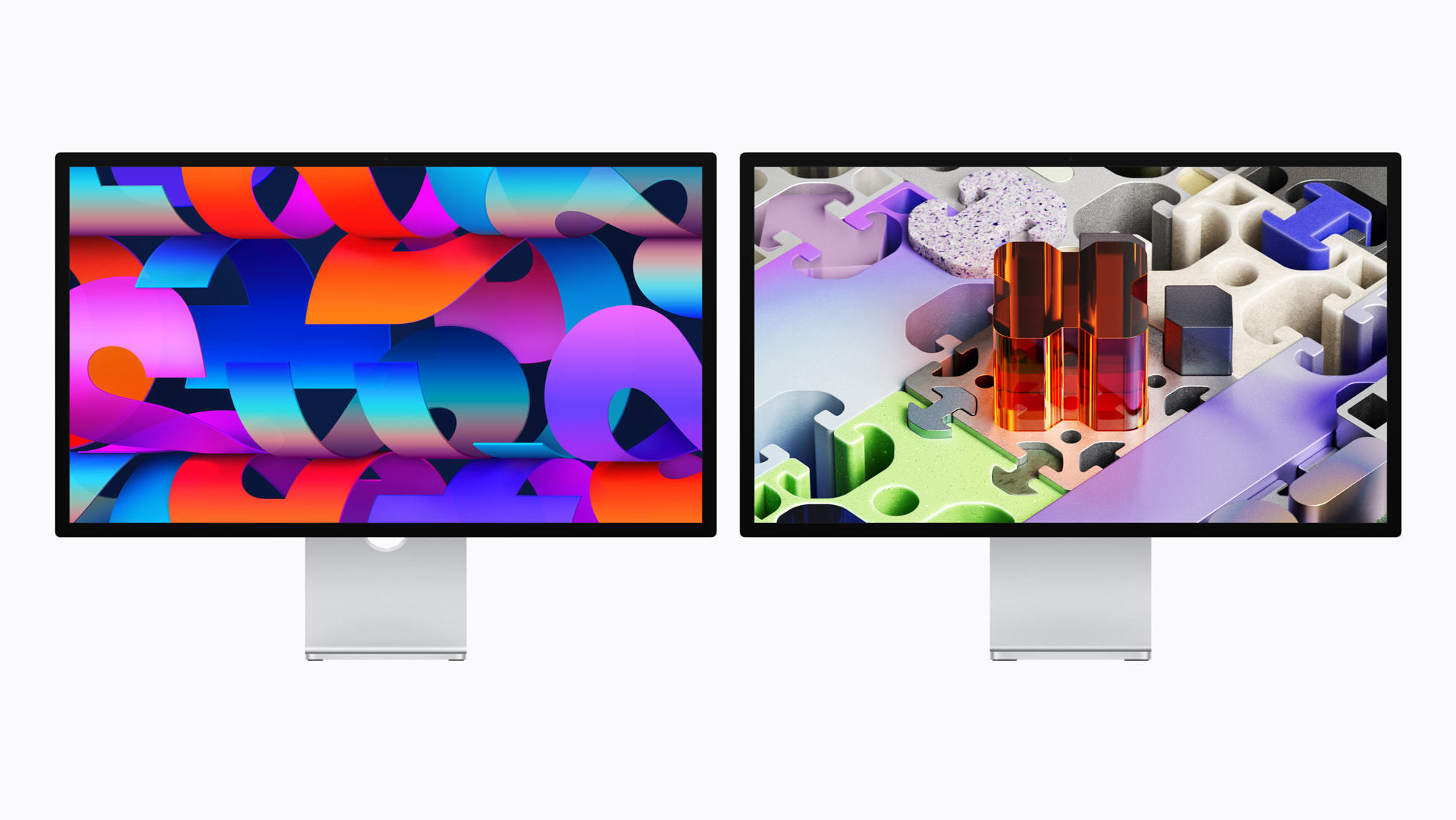
Cupertino-based technology giant Apple has introduced a sophisticated new lineup of external monitors, featuring a standard Studio Display and a more advanced Studio Display XDR. These additions to Apple’s ecosystem, revealed alongside updated MacBook Pro and MacBook Air models powered by the company’s new M5 series of silicon, represent a significant leap forward in display technology, particularly through the integration of the groundbreaking Thunderbolt 5 standard. This development marks a pivotal moment for creative professionals and power users, offering unprecedented data transfer speeds and enhanced peripheral support for demanding workflows.
The Evolution of Apple’s Display Philosophy
Apple’s journey in the display market has been characterized by intermittent yet impactful releases, often setting industry benchmarks for design and visual fidelity. Historically, the company has offered a range of standalone monitors, starting with the iconic Apple Cinema Display series in the late 1990s and early 2000s, which transitioned from CRT to LCD technology. These displays were lauded for their integration with Apple’s Mac computers and their design aesthetic. Following the discontinuation of the popular Thunderbolt Display in 2016, a void emerged in Apple’s professional monitor offerings, which was partially addressed by the high-end Pro Display XDR in 2019, aimed at the absolute pinnacle of professional content creation with its robust price tag.
The original Studio Display, launched in 2022, sought to bridge the gap between consumer-grade monitors and the ultra-premium Pro Display XDR, offering a more accessible — albeit still premium — option for Mac users. This latest iteration of the Studio Display and Studio Display XDR builds upon that foundation, refining key features and introducing critical technological upgrades that underscore Apple’s commitment to delivering an integrated and high-performance computing experience. The simultaneous launch with the M5-powered MacBooks underscores a synergistic strategy, ensuring that the new displays can fully leverage the capabilities of Apple’s most powerful desktop and portable machines.
Powering Connectivity: The Thunderbolt 5 Breakthrough
A cornerstone of the new displays’ advanced capabilities is the inclusion of Thunderbolt 5 ports. This next-generation connectivity standard represents a substantial upgrade over its predecessors, offering significantly increased bandwidth and versatility. Developed collaboratively by Intel and Apple, Thunderbolt technology has consistently pushed the boundaries of what a single cable connection can achieve. From its inception, Thunderbolt aimed to consolidate data, video, and power delivery into a universal port, simplifying complex professional setups.
Thunderbolt 1 and 2, introduced in the early 2010s, offered 10 Gbps and 20 Gbps bidirectional bandwidth respectively, primarily utilizing the Mini DisplayPort connector. Thunderbolt 3, a major evolution, adopted the ubiquitous USB-C form factor, doubling bandwidth to 40 Gbps and introducing power delivery capabilities up to 100W, making it a staple for docking stations and external GPUs. Thunderbolt 4, while maintaining the 40 Gbps bandwidth, focused on guaranteeing minimum performance standards and enhanced security.
Thunderbolt 5, however, dramatically elevates the standard, providing up to 80 Gbps of bidirectional bandwidth, with a potential for 120 Gbps in specific video-heavy configurations through what is known as "Bandwidth Boost." This monumental increase is critical for modern professional workflows involving multiple high-resolution displays, uncompressed video editing, large datasets, and high-speed external storage arrays. For the new Studio Displays, this translates into the ability to effortlessly drive ultra-high-resolution visuals while simultaneously connecting a cascade of peripherals and charging a connected MacBook, all through a single cable. The included Thunderbolt 5 Pro cable ensures users can immediately take advantage of these capabilities, facilitating a cleaner, more efficient workspace. The daisy-chaining support, allowing up to four displays from a single port, further exemplifies the enhanced flexibility for multi-monitor setups common in creative studios and financial institutions.
Unpacking the Visuals: Retina, XDR, and Color Precision
Both the standard Studio Display and the Studio Display XDR are 27-inch units, but they cater to different tiers of professional requirements, primarily differentiated by their display technology and capabilities. The standard Studio Display features a stunning 5K Retina display, boasting over 14 million pixels. It delivers 600 nits of brightness and supports the P3 wide-gamut color standard. The P3 standard covers a significantly broader spectrum of visible colors than traditional sRGB, making it ideal for tasks like photography, graphic design, and video editing where color accuracy is paramount. The visual experience is further enhanced by Apple’s renowned anti-reflective coating, with an optional nano-texture glass available for environments prone to glare.
The Studio Display XDR elevates the visual experience to an even higher plane. Its 5K Retina XDR (Extreme Dynamic Range) display, with a native resolution of 5120×2880, incorporates a sophisticated mini-LED backlight system featuring over 2,000 local dimming zones. This technology allows for incredibly precise control over brightness and contrast across the screen, resulting in true-to-life HDR content. The XDR model can achieve an impressive 1000 nits of sustained SDR brightness and a staggering 2000 nits of peak HDR brightness, coupled with an exceptional 1,000,000:1 contrast ratio. It also supports the Adobe RGB color standard, often preferred in print and professional graphic design for its wider gamut.
Furthermore, the Studio Display XDR includes a 120Hz refresh rate with Adaptive Sync technology, which dynamically adjusts the display’s refresh rate to match the frame rate of the content being displayed. This ensures smoother motion and a more fluid user experience, particularly beneficial for video editors, animators, and even some professional gaming applications. A notable new feature for the XDR is its integration of DICOM (Digital Imaging and Communications in Medicine) medical imaging presets and a Medical Imaging Calibrator. This positions the XDR as a viable tool in certain medical settings for reviewing diagnostic images, contingent on pending FDA clearance for the calibrator on macOS in the U.S., signaling Apple’s expansion into specialized professional markets.
Beyond the Screen: Integrated Camera, Audio, and Ergonomics
Beyond their impressive visual output and connectivity, the new Studio Displays integrate a suite of advanced features designed to enhance the modern desktop experience, particularly in an era dominated by remote work and virtual collaboration. Both models incorporate an advanced 12-megapixel Center Stage camera. This intelligent camera dynamically adjusts its field of view to keep users perfectly framed during video calls, even as they move around their workspace. The camera also supports Desk View, an innovative feature that simultaneously displays the user’s face and an overhead perspective of their desk, offering a more engaging and informative way to present during virtual meetings or tutorials.
Audio quality receives a significant upgrade as well. Each display features a three-microphone array designed for crystal-clear voice capture, minimizing background noise. Complementing this is a high-fidelity six-speaker sound system with Spatial Audio support. Apple claims this new sound system delivers 30% deeper bass compared to the previous generation, promising a more immersive audio experience for consuming media, participating in calls, or reviewing audio mixes. This holistic approach to communication tools within the display addresses a key demand for professionals who spend significant time in virtual environments.
In terms of ergonomics, the standard Studio Display offers a tilt-adjustable stand, allowing users to find a comfortable viewing angle. The higher-end Studio Display XDR provides greater flexibility with both tilt and height adjustment, catering to diverse workstation setups and user preferences. Both displays also offer the choice between standard glass and the nano-texture glass option, which minimizes glare through a finely etched surface, crucial for professionals working in varied lighting conditions.
Market Positioning and Industry Impact
The introduction of these new Studio Displays, particularly with Thunderbolt 5, reinforces Apple’s strategic position in the premium professional market. The pricing, with the Studio Display at $1,599 and the Studio Display XDR at $3,299, places them firmly in the high-end segment, targeting users who prioritize integration, performance, and color accuracy. This includes professionals in film and television production, graphic design, photography, software development, and now, potentially, specialized medical fields.
The market for professional monitors is highly competitive, with established players like Dell, LG, Eizo, and BenQ offering a range of high-performance displays. Apple’s unique selling proposition lies in its deep integration within the macOS ecosystem, combined with proprietary technologies like Retina and XDR, and now the leading-edge Thunderbolt 5. This integrated approach often provides a seamless user experience that competitors, despite offering similar panel specifications, struggle to match without the underlying hardware and software synergy.
The move into medical imaging with the XDR display’s specific features highlights Apple’s ambition to diversify its professional hardware offerings and tap into lucrative, specialized verticals. While the initial FDA clearance is for a specific calibrator, it opens the door for broader adoption of Apple hardware in clinical environments, a significant cultural and market shift.
For creative industries, the enhanced bandwidth of Thunderbolt 5 means faster workflows, less time waiting for data transfers, and the ability to drive more complex setups without bottlenecks. This can lead to increased productivity and the ability to tackle more ambitious projects, ultimately impacting the speed and quality of digital content creation. The improved camera and audio features also acknowledge the ongoing shift towards hybrid work models, making these displays highly relevant for any professional requiring high-quality virtual interaction.
Pre-orders for the new Studio Displays commenced on March 4, with general availability beginning March 11. These launches are not merely about new screens; they represent Apple’s continued investment in an integrated ecosystem designed to empower the most demanding users with cutting-edge performance, visual fidelity, and connectivity.