Amir Mahmud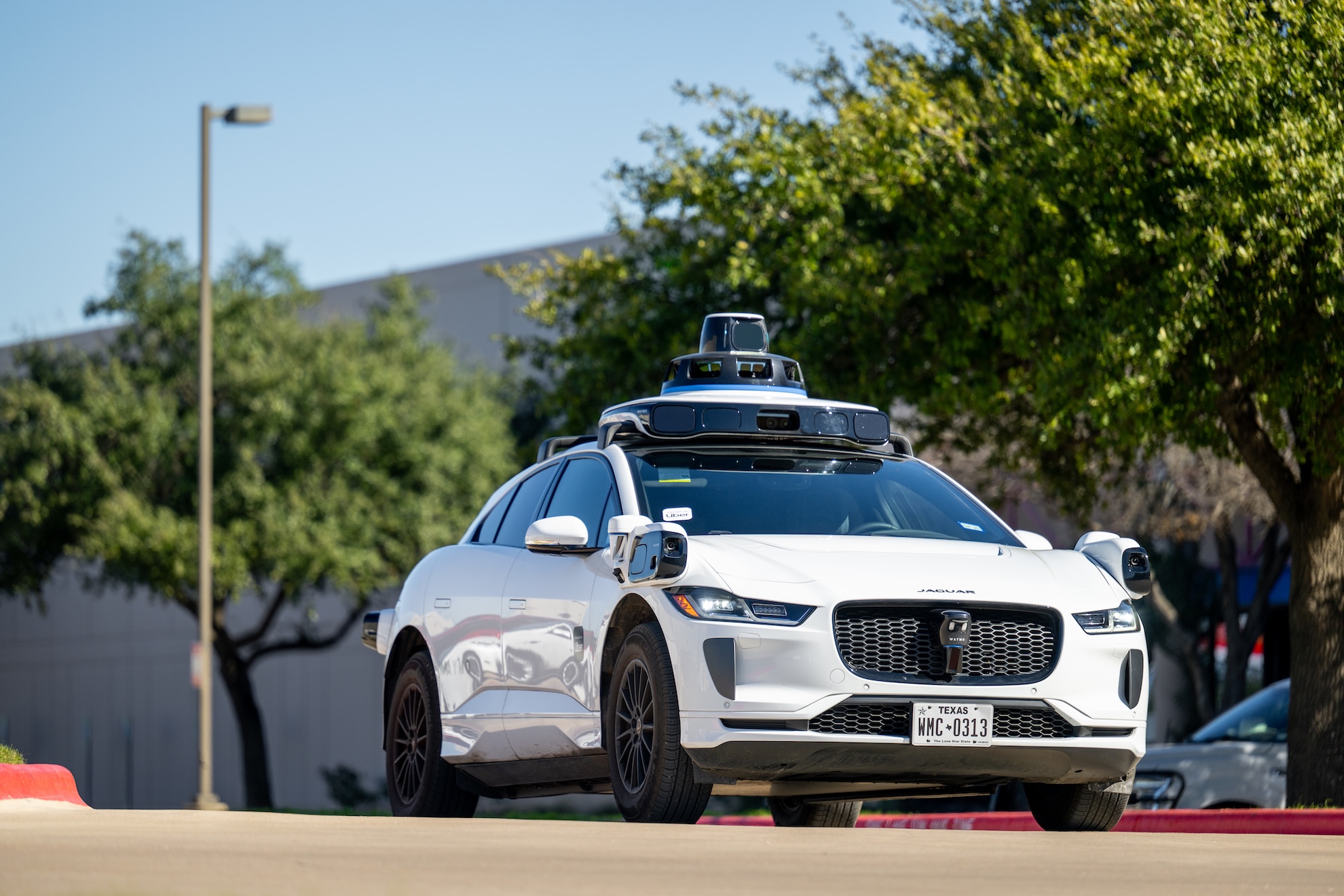
The vision of a fully autonomous future, where vehicles navigate city streets without human intervention, has long captured the imagination of innovators and the public alike. Waymo, a pioneer in this space and a subsidiary of Alphabet, has been at the forefront of transforming this vision into a tangible reality, with its self-driving cars now ferrying passengers across multiple metropolitan areas. Yet, even as these advanced machines represent the pinnacle of artificial intelligence and robotics, their journey is not without its mundane, distinctly human-scale challenges. A peculiar operational hurdle has recently surfaced, revealing that Waymo’s sophisticated fleet sometimes requires a remarkably simple solution: a human to close a car door.
This unexpected reliance on human assistance came to light through a viral social media post, which indicated that Waymo is leveraging the gig economy to address a seemingly trivial, yet critical, operational impediment. A DoorDash driver, accustomed to delivering meals and groceries, received an unusual request through their app: to drive a short distance, less than a mile, to a Waymo vehicle and simply close its door. The task, which promised a payment of $6.25 upon completion, along with an additional $5 bonus for verified execution, underscored a fascinating intersection of cutting-edge technology and basic manual labor. The internet’s reaction ranged from amusement to insightful commentary, with one user aptly quipping that the driver had truly "door-dashed."
The Unexpected Glitch in Autonomous Operations
The core issue is straightforward: if a passenger exits a Waymo vehicle and inadvertently leaves a door ajar, the autonomous car is rendered immobile. Modern vehicles, whether human-driven or autonomous, are typically programmed with safety protocols that prevent them from operating if a door is not securely latched. For a driverless car, this seemingly minor oversight becomes a significant operational problem, effectively bringing the vehicle to a standstill. An immobile autonomous vehicle can disrupt traffic flow, delay subsequent passenger pickups, and potentially incur further operational costs or public relations challenges for the company.
Waymo and DoorDash have both confirmed the authenticity of these requests, acknowledging a pilot program currently underway in Atlanta. This initiative is designed to enhance the efficiency of Waymo’s autonomous vehicle (AV) fleet. In instances where a vehicle door is not fully closed, preventing the car from proceeding with its designated route, nearby DoorDash drivers are dispatched. This immediate human intervention allows Waymo to swiftly reactivate its vehicles, minimizing downtime and ensuring the continuity of its service. The financial incentive offered, totaling $11.25 for a task requiring minimal effort and time, highlights the significant value Waymo places on getting its vehicles back into service quickly. The cost of a stalled autonomous vehicle, both in terms of lost revenue from missed rides and potential obstruction of public thoroughfares, far outweighs the expense of engaging a gig worker for a few minutes.
A Glimpse into Waymo’s Operational Strategy
This door-closing partnership in Atlanta represents just one facet of a broader strategic alliance between Waymo and DoorDash. The two companies previously launched an autonomous delivery service in Phoenix, where Waymo vehicles are utilized to transport food and groceries directly to DoorDash customers. This existing collaboration provided a natural framework for extending their partnership to address the door-closure issue, leveraging DoorDash’s extensive network of available drivers. It speaks to a pragmatic approach by Waymo: rather than immediately deploying costly specialized personnel or investing in rapid, widespread retrofits for automated door systems, they opted for a readily available, cost-effective, and scalable human solution.
This isn’t an isolated strategy for Waymo. In Los Angeles, the company has engaged with Honk, a platform often described as an "Uber for towing services." Reports indicate that Honk users in the L.A. area have been offered up to $24 for similar door-closing tasks, more than double the compensation provided to Atlanta’s DoorDash drivers. The variation in pay could be attributed to differing market dynamics, urgency, or the specific service agreements in place within each city. What remains consistent, however, is Waymo’s willingness to tap into existing gig economy infrastructure to solve intermittent, non-critical operational challenges that still require a physical human presence.
Historical Context: The Journey to Autonomy
The evolution of autonomous vehicle technology traces its roots back decades, but Waymo’s lineage is particularly significant. Originating in 2009 as the Google self-driving car project, it began as an ambitious research endeavor within the secretive Google X labs. The project aimed to fundamentally transform transportation by developing vehicles capable of navigating roads entirely without human input. Early milestones included navigating 10 unbroken ten-mile routes without human intervention and achieving the first fully autonomous trip on public roads with a blind driver in 2015.
In 2016, the project was spun out into Waymo, an independent company under the Alphabet umbrella, signaling a serious commitment to commercializing the technology. Over the years, Waymo has accumulated millions of miles of real-world driving experience, alongside billions of simulated miles, across diverse environments. Their operational strategy has involved a gradual rollout, beginning with testing in controlled environments, then progressing to public roads with safety drivers, and eventually launching fully driverless services in select cities like Phoenix, San Francisco, and soon, Los Angeles and Austin. The recent $16 billion funding round mentioned in the original context underscores the massive investment and global ambitions behind Waymo’s push to scale its robotaxi fleet internationally, highlighting the company’s position as a market leader. This long and complex journey from concept to deployment emphasizes the intricate nature of achieving true autonomy, where even minor human errors can pose significant hurdles.
Challenges and Public Perception in the AV Sector
The autonomous vehicle industry, despite its technological prowess, continues to grapple with a myriad of challenges. Technical hurdles related to perception in adverse weather, complex urban environments, and unpredictable human behavior remain areas of active research and development. Beyond technology, regulatory frameworks are still evolving, and public acceptance varies widely. Incidents, however minor, can significantly impact public trust.
The door-closing scenario, while seemingly trivial, touches upon a broader point of contention for autonomous vehicles: the occasional need for human intervention. Critics often highlight instances where AVs encounter situations they are not programmed to handle, necessitating remote human assistance or, as in this case, on-site intervention. While Waymo’s systems are designed to be robust, edge cases inevitably arise. The perception that a highly advanced, multi-billion-dollar technology still needs a person to perform a simple task like closing a door can, for some, undermine confidence in its overall readiness and reliability.
However, a neutral analytical perspective would view this as a pragmatic, temporary solution to an edge case in an evolving technology. Rather than indicating a fundamental flaw, it showcases Waymo’s operational agility and its willingness to deploy non-ideal, but effective, stop-gap measures. The development of automated door closure systems, as Waymo has indicated for future vehicles, suggests that the company is actively working towards fully autonomous solutions for even these minor issues. For now, the gig worker model serves as a vital bridge, allowing the service to continue expanding while more integrated solutions are developed and implemented.
Economic and Social Implications
The integration of gig workers into the operational fabric of advanced autonomous technology presents several interesting economic and social implications. For the gig economy, it expands the types of tasks available to its flexible workforce, moving beyond traditional food delivery or ride-sharing into unexpected maintenance and support roles for emerging technologies. This diversification can create new income streams for gig workers, albeit for tasks that are often infrequent and highly localized.
For Waymo, this model offers a flexible and scalable solution without the overhead of hiring full-time support staff for these rare events. It transforms a potential operational bottleneck into a manageable, on-demand service. This economic efficiency is crucial for companies operating with thin margins in a capital-intensive industry. The ability to outsource such tasks allows Waymo to focus its internal resources on core technological advancements and scaling its primary service offerings.
Socially, the scenario sparks conversations about the future of work in an increasingly automated world. While AVs promise to automate away driving jobs, this situation illustrates how new, albeit different, human roles can emerge in support of these technologies. It’s a nuanced interplay of automation and human labor, where machines handle the complex driving, but humans step in for the unexpected, simple physical interactions that robots currently struggle with or are not yet cost-effective to automate. This dynamic suggests a future where human workers might not be replaced entirely but rather repurposed to complement automated systems in novel ways.
The Path Forward: Automation and Innovation
Waymo’s acknowledgment that future vehicles will incorporate automated door closure mechanisms is a clear indication of their long-term strategy. The current reliance on gig workers is a temporary measure, a practical workaround as the technology matures. Developing robust, reliable automated door systems that can withstand varying environmental conditions, user interactions, and potential wear and tear is a complex engineering challenge, but one that is well within the capabilities of companies like Waymo.
As autonomous technology continues to advance, the goal remains to minimize, if not eliminate, the need for human intervention in routine operations. The journey from a vehicle requiring a person to close its door to one that autonomously handles every aspect of its operation, from navigation to basic maintenance checks, represents the ultimate frontier of self-driving innovation. Until then, the seemingly paradoxical sight of a highly advanced driverless car awaiting a human touch to perform a basic action will serve as a poignant reminder of the intricate, often messy, path towards a fully autonomous future. The unexpected collaboration between a leading AV company and the gig economy highlights both the current limitations and the ingenious adaptive strategies being employed to bring the next generation of transportation to fruition.