Amir Mahmud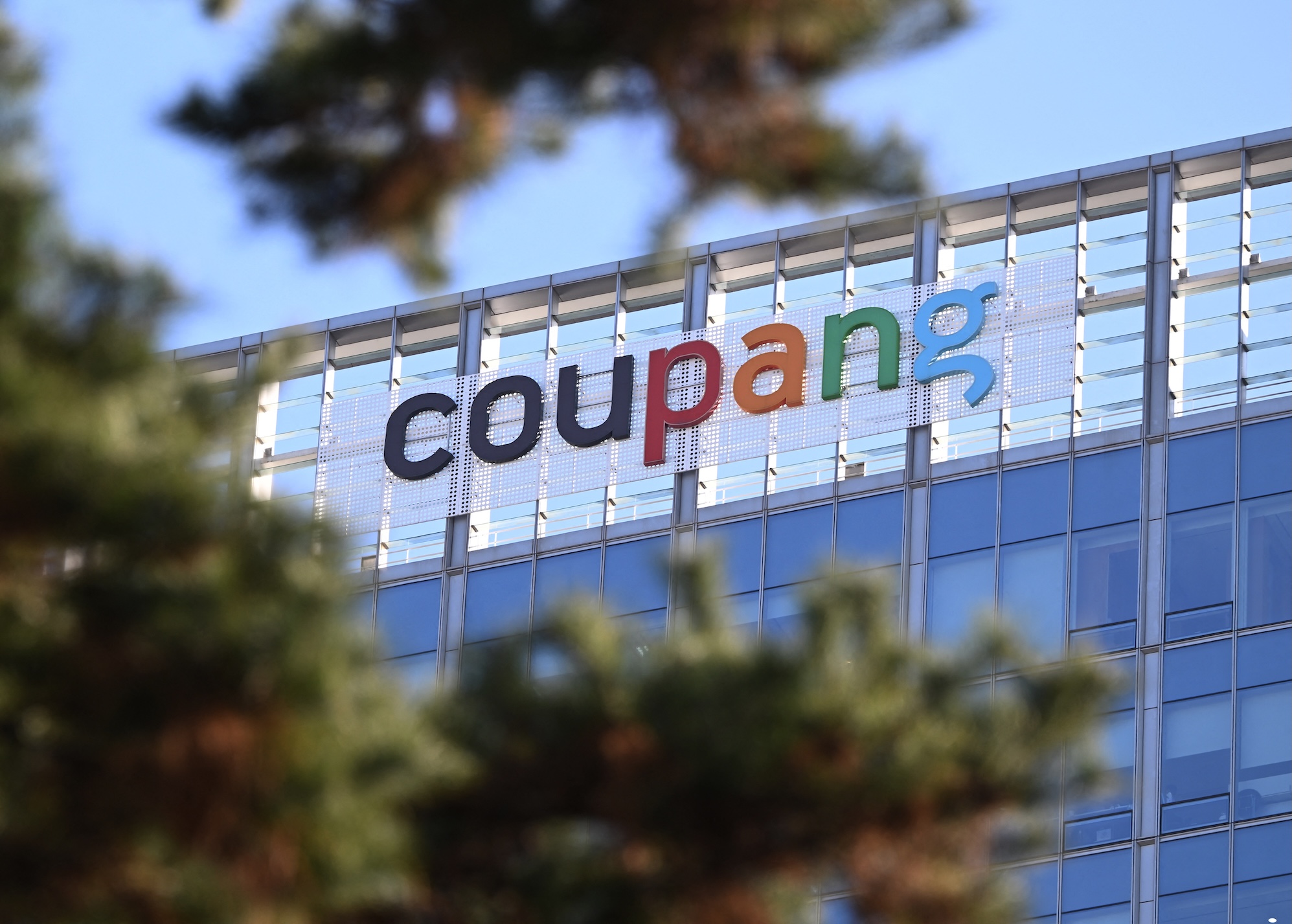
What began as a significant data breach impacting South Korean e-commerce giant Coupang has rapidly transformed into a complex geopolitical flashpoint, drawing in a growing consortium of U.S. investors who are now taking legal action against the South Korean government. This escalating dispute, centered on allegations of discriminatory treatment and regulatory overreach, is being pursued through international arbitration under the framework of the Korea-U.S. Free Trade Agreement (KORUS FTA).
Coupang’s Ascendancy and the Breach Revelation
Coupang, often dubbed the "Amazon of South Korea," has revolutionized the nation’s retail landscape with its rapid "Rocket Delivery" service and extensive market penetration. While its operational heart is firmly in South Korea, Taiwan, and Japan, the company maintains its global headquarters in Seattle, Washington. This dual identity – a dominant local player with American roots – is central to the current controversy. Coupang’s meteoric rise culminated in a high-profile initial public offering on the New York Stock Exchange in March 2021, underscoring its appeal to international investors.
In December of the previous year, Coupang publicly disclosed a massive data breach, revealing that personal information belonging to nearly 34 million Korean customers had been compromised. The breach, which had reportedly been ongoing for more than five months, involved sensitive customer data including names, email addresses, phone numbers, shipping addresses, and certain order histories. This incident sent ripples through South Korea’s highly digitized society, where data privacy is a significant public concern, often prompting robust government and public responses to security lapses.
However, Coupang’s internal investigation presented a different narrative, suggesting a more contained impact. The company stated that while a former employee, identified as a Chinese national, accessed data from over 33 million accounts, only about 3,000 specific accounts had their data retained before the perpetrator deleted the broader dataset. Crucially, Coupang asserted that no highly sensitive information such as payment data, passwords, or government identification numbers was accessed or exfiltrated. This discrepancy in the scale of the breach, between government claims and company assertions, has become a key point of contention.
Investors Mobilize: The ISDS Mechanism
The perceived disparity in the government’s response compared to other data breaches prompted a coalition of U.S. investment firms to initiate formal legal proceedings. On January 23, 2026, Greenoaks and Altimeter, two prominent U.S. investment firms, filed a notice with South Korea’s Ministry of Justice. They alleged that they incurred significant financial losses due to what they characterized as a discriminatory investigation by the South Korean government into the Coupang data breach. Their stated intention is to pursue Investor-State Dispute Settlement (ISDS) arbitration under the KORUS FTA.
ISDS is a mechanism within international trade and investment agreements that allows foreign investors to directly sue a host government for alleged breaches of the agreement’s investment protections. Its primary purpose is to safeguard foreign investments from unfair or discriminatory governmental actions, including expropriation without proper compensation or treatment that falls below international standards. The KORUS FTA, which entered into force in 2012, includes robust provisions for investment protection and ISDS, reflecting a mutual commitment to fostering a stable and predictable investment environment between the two countries.
Subsequently, South Korea’s Ministry of Justice confirmed that three additional investment entities – Abrams Capital, Durable Capital Partners, and Foxhaven Asset Management – have joined the case. These firms collectively allege that the South Korean government’s actions toward the e-commerce company have been unlawful and in violation of international trade principles. The filing of the notice of intent marks a preliminary, pre-litigation phase, triggering a mandatory 90-day consultation period. During this time, both parties are expected to engage in discussions to seek an amicable resolution before formal arbitration proceedings can commence.
Allegations of Discriminatory Enforcement
The core of the investors’ complaint lies in their assertion that the South Korean government has exhibited an "unprecedented assault" on Coupang, alleging that the regulatory response has been disproportionately severe compared to how other similar incidents involving non-U.S. companies have been handled. The investors’ legal advisor, in the notice of intent filing, argued that the government’s conduct constitutes an "egregious violation of the Treaty, principles of international law, and the historic partnership between Korea and the United States." They contend that the actions benefit Coupang’s Korean and Chinese competitors, thereby creating an uneven playing field.
Government bodies involved in the investigation and enforcement include the Personal Information Protection Commission (PIPC) and the Ministry of Science and ICT. The Ministry of Science and ICT, for instance, alleged that Coupang failed to report the breach to the Korea Internet & Security Agency (KISA) within the mandated 24-hour window and did not fully implement a November 2025 data preservation order, leading to the deletion of critical web and app access logs. The ministry has referred the matter to investigators and ordered Coupang to submit a prevention plan by February 2026, with ongoing compliance monitoring through July.
The investors point to a series of other recent data breaches in South Korea to underscore their claims of inconsistency. For example:
- KakaoPay: The financial technology arm of South Korean tech giant Kakao reportedly transferred 54 billion customer records to Alipay Singapore. Despite the scale, KakaoPay faced a relatively modest fine of $10 million and a warning for its CEO.
- SK Telecom: South Korea’s leading mobile carrier was fined $91 million after a massive SIM card breach, an action that investors suggest was less severe given the nature of the breach involving telecommunications infrastructure.
- Upbit: The major cryptocurrency exchange was targeted in a significant hack, yet government action against the platform was reportedly minimal.
- AliExpress: Alibaba’s e-commerce platform, a direct competitor to Coupang, also saw minimal government intervention following a data security incident.
These examples, according to the U.S. investors, highlight a stark contrast with the "extraordinary government pressure" exerted on Coupang. This pressure has reportedly included threats of massive fines – potentially exceeding $800 million, calculated as 3% of Coupang’s revenue under existing law – and even proposals to raise the limit to 10% retroactively. There were also reports of potential suspension of operations, travel bans for executives, attempts to block public communication, and misrepresentation of the breach’s scope. Public commentary from high-ranking officials, including a Democratic Party lawmaker suggesting punitive fines through new legislation or a special parliamentary act, and President Lee Jae Myung publicly calling for heavy penalties, further amplified the perception of targeted scrutiny.
Broader U.S.-Korea Tech Tensions
The Coupang incident is not an isolated event but rather a high-stakes manifestation of broader tensions surrounding the treatment of U.S. technology firms in South Korea. Adam Farrar, a senior associate at CSIS and senior geoeconomics analyst for APAC at Bloomberg, highlighted how this case is amplifying long-standing U.S. claims of unfair treatment toward American technology companies, potentially raising trade and tariff risks for South Korea as the U.S. Congress becomes increasingly engaged.
Critics point to a pattern of South Korean digital policies that they argue favor domestic firms. These include:
- Network Usage Fees: South Korea has been at the forefront of demanding network usage fees from global content providers like Netflix, Google, and Meta. This policy, which deviates from the global "sender pays" principle, has led to significant disputes, with Korean internet service providers arguing that foreign tech giants benefit from their infrastructure without adequate compensation.
- App Store Payment Rules: South Korea was one of the first countries to pass legislation challenging the dominant in-app billing policies of companies like Apple and Google, forcing them to allow third-party payment options. While framed as anti-monopoly efforts, these rules disproportionately impact global app store operators.
- Data Localization Requirements: Strict data localization requirements, particularly for services like Google Maps, often cited on national security grounds, limit the full functionality and operational flexibility of foreign tech companies in the South Korean market.
These issues, combined with the Coupang dispute, paint a picture of a challenging regulatory environment for foreign tech companies operating in South Korea. The U.S. investors’ aggressive stance, demanding "billions of dollars in damages" and accusing the South Korean government of "attempted expropriation," underscores the severity of the perceived violations of the KORUS FTA.
The Road Ahead
As the 90-day consultation period unfolds, the eyes of the international investment community will be on Seoul and Washington. The South Korean Ministry of Justice is currently reviewing the notice of intent, signaling the formal commencement of diplomatic and legal engagement. The outcome of this dispute could have profound implications, not only for Coupang and its investors but also for the broader investment climate in South Korea and the future interpretation and enforcement of international trade agreements like the KORUS FTA. It highlights the complex interplay between national regulatory sovereignty, international trade obligations, and the protection of foreign investments in an increasingly globalized digital economy. The resolution of this case will set a crucial precedent for how South Korea, and indeed other nations, navigate the delicate balance of protecting national interests while upholding commitments to fair and equitable treatment of foreign enterprises.





 Azin Asro