Amir Mahmud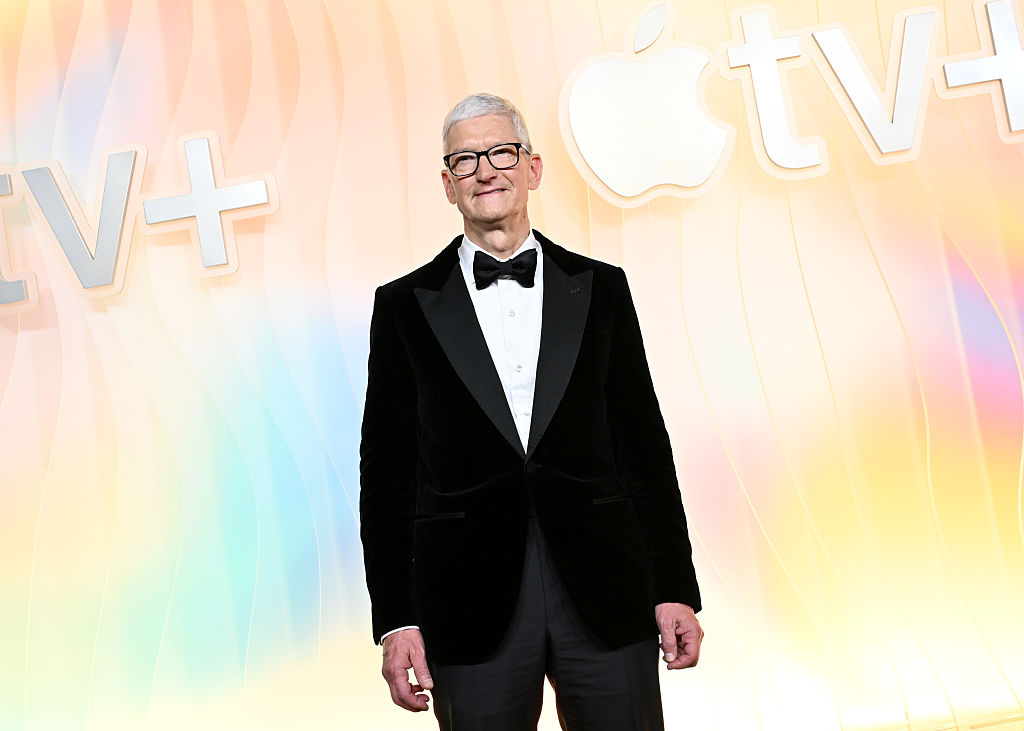
Apple recently announced impressive financial outcomes, reporting quarterly revenues that surpassed market expectations. The tech giant revealed a robust $143.8 billion in revenue, marking a significant 16% increase compared to the previous year. While the earnings call largely featured standard inquiries for CEO Tim Cook, one analyst from Morgan Stanley, Erik Woodring, introduced a pointed question that highlighted a broader, unspoken concern within the technology sector regarding artificial intelligence.
Woodring directly addressed the financial implications of AI initiatives, noting, "When I think about your AI initiatives, you know, it’s clear there are added costs associated with that… Many of your competitors have already integrated AI into their devices, and it’s just not clear yet what incremental monetization they’re seeing because of AI." He then distilled his inquiry to its essence: "So, how do you monetize AI?" This question, seemingly straightforward, cuts to the heart of a significant strategic challenge facing technology companies today, particularly given the immense investments flowing into AI research and development.
The Industry-Wide AI Monetization Conundrum
The reluctance to openly discuss AI monetization isn’t unique to Apple. Across Silicon Valley, there’s a prevailing narrative that AI is a foundational technology, an imperative investment rather than an immediate revenue generator. Many companies have adopted what could be described as a "build it and they will come" philosophy, focusing on integrating AI capabilities and hoping that clear monetization pathways will emerge over time.
OpenAI serves as a prominent example of this paradigm. Despite its flagship product, ChatGPT, having deeply embedded itself into global cultural consciousness and demonstrating AI’s transformative potential, the company does not anticipate profitability until around 2030. Analysts, including those from HSBC, express skepticism about this timeline, citing an estimated need for an additional $207 billion in funding to reach that goal. This illustrates the colossal financial commitment required for cutting-edge AI development, encompassing everything from talent acquisition and retention to the extraordinary computational power demanded by large language models. The ambiguity surrounding how such massive investments will eventually yield returns is a pervasive theme in conversations with tech insiders.
When Tim Cook was presented with Woodring’s direct inquiry, his response, while consistent with Apple’s strategic communications, offered little in the way of concrete financial models. He stated, "Well, let me just say that we’re bringing intelligence to more of what people love, and we’re integrating it across the operating system in a personal and private way, and I think that by doing so, it creates great value, and that opens up a range of opportunities across our products and services." This reply emphasizes the creation of "great value" and "opportunities" within existing "products and services," rather than outlining distinct, new revenue streams tied directly to AI features. This approach suggests that Apple views AI as an enhancement layer, improving the overall user experience and strengthening its ecosystem, which indirectly drives sales of hardware and subscriptions, rather than a standalone monetizable product.
A Brief History of AI’s Commercialization Journey
The current generative AI boom represents the latest wave in a long history of artificial intelligence development. Early iterations of AI in the mid-20th century were characterized by symbolic reasoning and expert systems, often promising revolutionary changes that failed to fully materialize, leading to periods dubbed "AI winters." The late 20th and early 21st centuries saw a resurgence with machine learning, particularly with advancements in algorithms and the availability of vast datasets. This era brought practical applications like recommendation engines, spam filters, and search result rankings, where AI’s value was primarily in optimizing existing services or improving efficiency.
The current deep learning revolution, fueled by neural networks and massive computational power, has unlocked unprecedented capabilities, especially in natural language processing and image generation. This has ignited a new investment frenzy, reminiscent of past tech booms. However, unlike previous technological shifts—such as the widespread adoption of the internet or mobile computing—where clear monetization paths (e.g., advertising, e-commerce, app store commissions) quickly emerged, the path for direct AI monetization remains less defined. While AI undeniably enhances existing products, the question of how to charge for the AI itself, beyond its embedded value, is the crux of the current dilemma.
AI’s Transformative Potential and Market Dynamics
The perceived value of AI from a user perspective is immense. From intelligent assistants that streamline daily tasks to advanced photo editing capabilities and personalized content recommendations, AI promises to make technology more intuitive, powerful, and tailored. This enhancement can lead to increased user engagement, stronger brand loyalty, and potentially, a willingness to upgrade hardware or subscribe to premium services.
For companies like Apple, potential monetization avenues for AI could include:
- Premium AI Features: Offering advanced AI capabilities, such as more sophisticated personalized assistants or professional-grade generative tools, as part of a paid subscription service (e.g., Apple One premium tiers).
- Hardware Upgrades: Integrating on-device AI capabilities that require more powerful, specialized chips (Neural Engines), thereby encouraging consumers to purchase newer, more expensive devices.
- Ecosystem Lock-in and Service Revenue: Enhanced AI features could further entrench users within the Apple ecosystem, driving increased engagement with services like Apple Music, Apple TV+, and iCloud, which generate recurring revenue.
- Developer Tools and APIs: Providing AI models and tools for third-party developers, potentially through a revenue-sharing model or API usage fees, similar to how cloud providers monetize their AI services.
- Targeted Advertising (less likely for Apple’s privacy stance): While not Apple’s primary model, more sophisticated AI could enable highly targeted advertising in platforms that rely on it, improving ad effectiveness and revenue.
The competitive landscape for AI is fierce. Tech giants like Google, Microsoft, Meta, and Amazon are all pouring billions into AI research and development, vying for leadership in a field widely seen as the next major technological frontier. Each company approaches AI monetization from its unique business model. Google leverages AI to enhance its search, advertising, and cloud services. Microsoft integrates AI into its productivity suite (Copilot) and cloud offerings (Azure AI). Meta uses AI to improve its social media algorithms and drive engagement. This intense competition further underscores the pressure on companies to demonstrate not just technological prowess but also a viable economic strategy for AI.
Balancing Innovation with Profitability: Apple’s Unique Position
Apple’s strategic position in the AI landscape is distinct, largely due to its tightly integrated ecosystem of hardware, software, and services, combined with its premium brand identity and strong emphasis on user privacy. This integration allows Apple to embed AI deeply into its operating systems and applications, creating seamless experiences that are difficult for competitors to replicate.
Unlike pure-play AI companies that must find direct revenue streams for their AI models, or advertising-driven companies that can indirectly monetize AI through improved ad targeting, Apple can afford to play a longer game. For Apple, AI might not be a product to be sold directly, but rather a fundamental technology that enhances the value proposition of all its existing products and services. The "value creation" argument Tim Cook presented aligns with Apple’s historical strategy: introduce groundbreaking features that become industry standards, thereby reinforcing the overall ecosystem and driving hardware sales and service subscriptions. For example, features like Siri, while not directly monetized, contribute to the convenience and stickiness of the Apple platform.
The long-term perspective suggests that AI is viewed as a critical investment in maintaining Apple’s competitive edge and ensuring future relevance. If AI indeed becomes the foundational layer of future computing—a "platform shift" where intelligent interfaces and predictive capabilities are paramount—then investing heavily now is essential for survival and leadership. The costs associated with AI development are substantial, but for Apple, these might be justified by increased user retention, higher upgrade rates for new devices, and sustained growth in its lucrative services segment, which already contributes significantly to its overall revenue.
In conclusion, while Apple’s recent financial performance remains exceptionally strong, the question of how it, and indeed the broader tech industry, will directly monetize its colossal AI investments continues to loom large. Tim Cook’s response, emphasizing value creation and future opportunities within existing product and service offerings, points to a strategy of indirect monetization through ecosystem enhancement. This approach, while strategically sound for a company with Apple’s unique market position, highlights the ongoing challenge for the tech sector: transforming cutting-edge AI innovation into clear, incremental financial returns in a rapidly evolving and highly competitive landscape. The long-term economic equation of artificial intelligence remains a subject of intense scrutiny and strategic ambiguity, demanding both patience and foresight from investors and industry leaders alike.