Amir Mahmud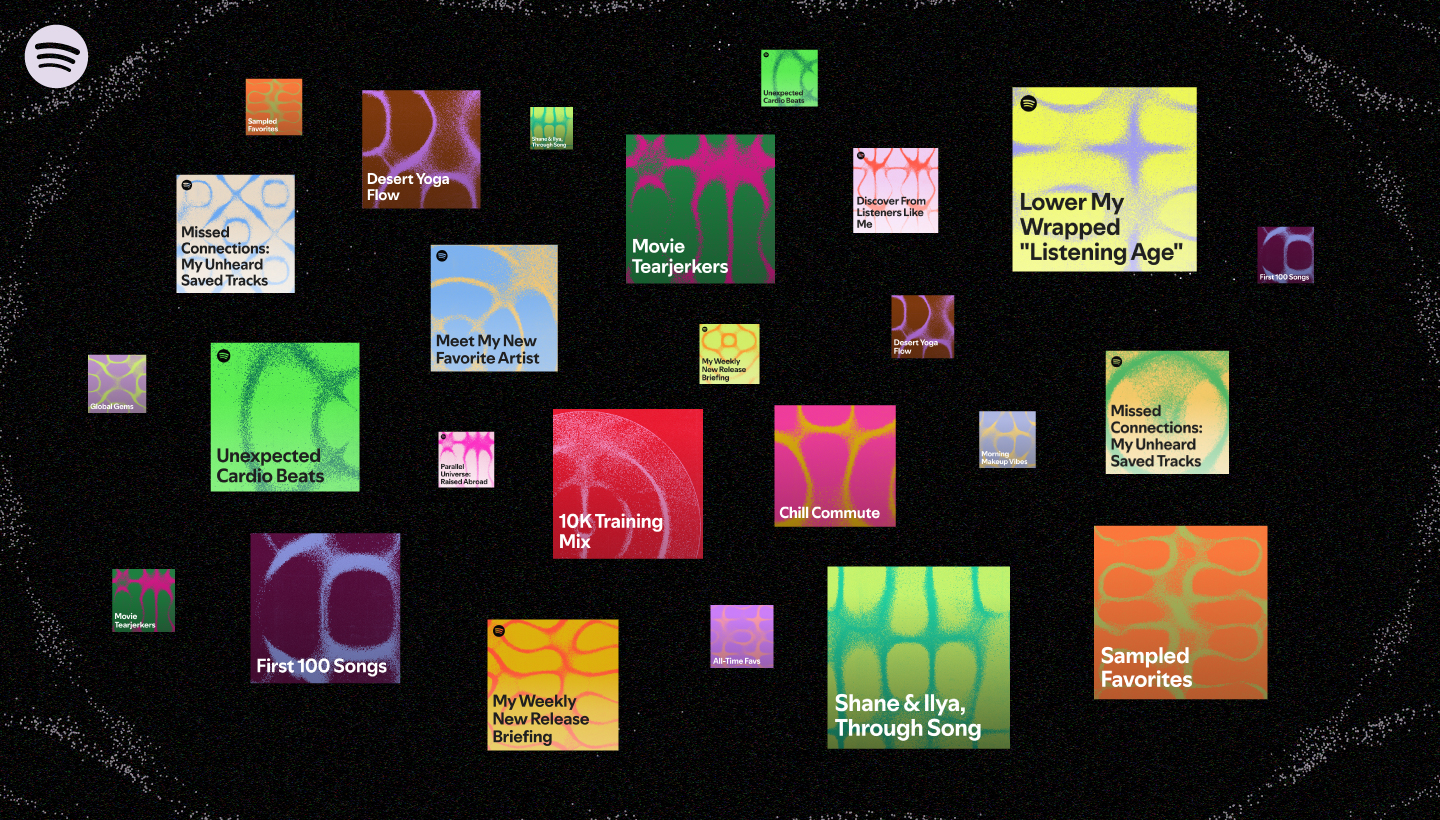
Spotify has initiated a significant expansion of its artificial intelligence capabilities, rolling out an innovative feature known as Prompted Playlists to Premium subscribers across the United States and Canada. This sophisticated tool empowers users to generate highly customized music playlists through natural language prompts, marking a substantial leap forward in personalized audio experiences. The introduction of this feature follows an initial pilot phase conducted in New Zealand, where it garnered insights that informed its broader North American debut.
The Evolution of Algorithmic Curation on Spotify
Spotify’s journey into algorithmic music curation dates back years, fundamentally altering how millions discover and consume audio content. Before the advent of advanced AI, human curators dominated the music landscape, meticulously assembling collections for radio stations, mixtapes, and early digital platforms. Spotify, however, pioneered the integration of machine learning to personalize recommendations on an unprecedented scale. Iconic features like "Discover Weekly," launched in 2015, revolutionized the user experience by delivering a fresh, tailored playlist of new and rediscovered tracks each week. This was followed by "Release Radar," "Daily Mixes," and other genre-specific or mood-based algorithmic selections, all designed to keep listeners engaged and exploring new sounds based on their historical listening patterns.
In 2024, Spotify introduced an earlier iteration of AI-powered playlist creation, which allowed for relatively simple, keyword-driven prompts. Users could input phrases like "focus at work with instrumental electronica" or "get pumped up with fun, upbeat, and positive songs." While effective, these early prompts were somewhat constrained, requiring users to think in terms of established genres or moods. The new Prompted Playlists feature, however, represents a significant refinement, moving towards a more conversational and intuitive interaction model. This progression underscores a broader industry trend of integrating generative AI to enhance user engagement and content creation across digital platforms.
Unlocking Deeper Personalization with Conversational AI
The core distinction of Prompted Playlists lies in its ability to interpret and act upon detailed, nuanced user requests expressed in everyday language. Instead of keywords, subscribers can now articulate complex preferences, much like conversing with a human expert. For instance, during a press demonstration, Spotify showcased a playlist generated from an extensive prompt: "Find me one artist I haven’t listened to yet, but would probably love, or an artist I’ve only heard one or two songs from, and introduce me to them. Build a playlist of songs that’ll give me an overview of their catalog so it feels like I’m getting to know them. Put the songs you think I’ll like the most in the top five spots." This example illustrates the depth of control and specificity available to users, transcending simple genre or mood selections.
J.J. Italiano, Head of Global Music Curation and Discovery at Spotify, highlighted the driving philosophy behind this innovation. He emphasized that the goal is to democratize music curation, making it accessible even to individuals without extensive knowledge of musical genres, eras, or industry terminology. "For most people, music curation isn’t a part of their job," Italiano noted, explaining that the average listener often lacks the time or energy to constantly craft the perfect playlist for every changing mood. He asserted that Prompted Playlists bridges this gap, providing access to a sophisticated creative process without requiring specialized vocabulary. "You don’t need the right words. You just need your words," he added, encapsulating the feature’s user-centric design. This shift empowers users to articulate their desires organically, allowing the AI to translate feelings and abstract concepts into curated soundscapes.
The Intelligent Engine Behind the Music
The artificial intelligence underpinning Prompted Playlists is a sophisticated system that analyzes a vast array of data points to generate highly relevant music selections. Spotify states that this AI constantly monitors the global music landscape in real-time, factoring in "trends, charts, culture, and history." Crucially, it also integrates the user’s entire listening history, from their very first interaction with the service to their most recent streams. This comprehensive data allows the AI to develop a deep understanding of individual tastes and preferences, ensuring that generated playlists are not only contextually relevant but also deeply personalized.
A particularly compelling aspect of this feature is its dual capability: reinforcing existing preferences while also facilitating discovery beyond familiar territories. While playlists are personalized to the creator by default, users have the explicit option to direct the AI to deviate from their established listening patterns. This means one can specifically instruct the system not to rely on their listening history, or to prioritize introducing entirely new artists and songs, as demonstrated in the earlier example. This mechanism helps combat the "filter bubble" phenomenon, a common critique of highly personalized algorithms, by offering a deliberate pathway to musical exploration and serendipitous discovery. Furthermore, the prompts are not confined to musical terminology. Users can request playlists inspired by non-musical concepts, such as "songs for a rainy afternoon" or a soundtrack "inspired by my favorite TV show," broadening the creative possibilities for playlist generation.
Market, Social, and Cultural Impact
The introduction of Prompted Playlists is poised to have a multifaceted impact on Spotify’s market position, user behavior, and the broader music ecosystem. For Spotify, offering such an advanced, user-friendly AI feature exclusively to Premium subscribers serves as a compelling incentive for retention and upgrades. In an increasingly competitive streaming landscape, unique features that enhance the user experience are vital for maintaining market leadership against rivals like Apple Music, Amazon Music, and YouTube Music, all of whom are also exploring AI integration.
Socially and culturally, this feature could redefine how people interact with music. The ability to articulate complex emotional states or niche scenarios and receive a perfectly tailored soundtrack democratizes the role of the DJ or music curator. It moves beyond passive consumption, transforming listeners into active co-creators of their sonic environments. This could lead to a new form of digital creativity: "prompt crafting." Because prompts are shareable, users might begin to share not just the results of their AI-generated playlists, but the prompts themselves. While each user’s resulting playlist would be uniquely personalized based on their listening history, the shared prompt could foster a community around creative input, much like sharing prompts in generative art or text AI tools. This could potentially give rise to "AI prompt influencers" who specialize in crafting ingenious textual commands that yield compelling musical outcomes.
From an artist’s perspective, enhanced discovery tools can be a double-edged sword. While the ability for users to explicitly seek out new artists or break from their usual listening habits could increase exposure for emerging talent, it also means artists are competing with an ever-growing sea of algorithmically curated content. The balance between human-curated editorial playlists (like Spotify’s "Today’s Top Hits" or "Rap Caviar," which J.J. Italiano’s team also manages) and these new AI-generated personalized lists will be crucial for artist visibility and revenue distribution.
Challenges and Future Outlook
Despite its innovative nature, Prompted Playlists is currently in a beta phase, which implies certain limitations and ongoing development. Spotify has indicated that there will be usage limits, which may evolve over time as they gather more data and refine the system. For now, the feature is also exclusively available in English, limiting its immediate global reach. The company’s strategy involves learning from these initial North American markets to inform future launches, suggesting a cautious but deliberate expansion plan.
A potential point of confusion for users could arise from the coexistence of the new Prompted Playlists and the older, simpler AI playlist feature. While Spotify views the new version as the "next evolution," designed to be more attuned to real-time music trends and offer deeper control over a user’s entire listening history, the presence of two similar yet distinct AI-powered playlist tools might require clear user education to prevent frustration.
Looking ahead, the integration of conversational AI into music streaming signifies a broader trend towards hyper-personalization across all digital services. As AI models become more sophisticated, they will likely be able to understand even more subtle emotional cues, blend genres in unprecedented ways, and perhaps even interact with users in real-time audio conversations to refine playlists. The future of music discovery appears to be a dynamic interplay between human creativity and advanced artificial intelligence, continuously evolving to deliver ever more bespoke and engaging listening experiences. The rollout of Prompted Playlists represents a pivotal step in this ongoing transformation, cementing Spotify’s position at the forefront of AI-driven innovation in the audio entertainment industry.