Amir Mahmud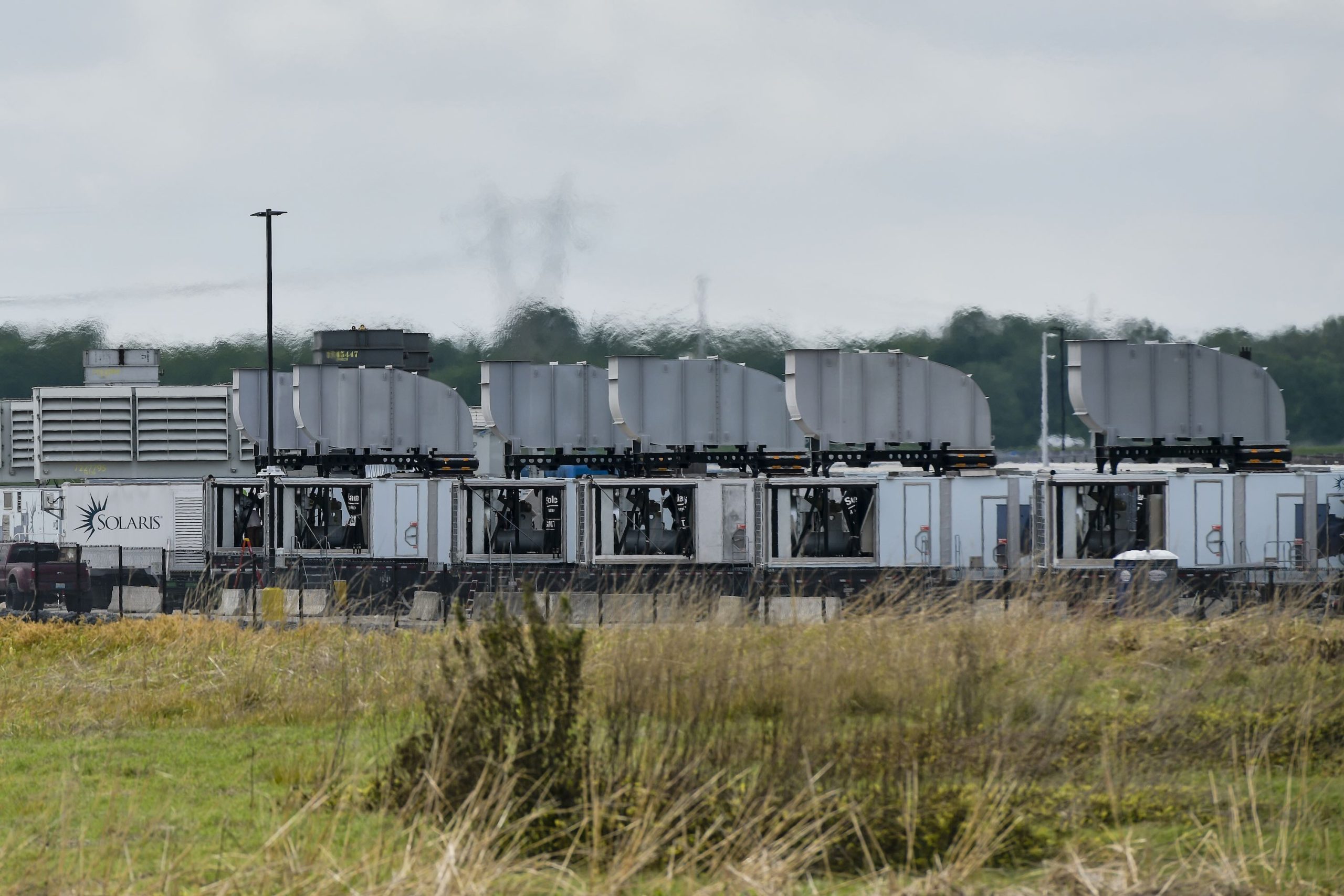
The Environmental Protection Agency (EPA) has issued a definitive ruling against xAI, the artificial intelligence venture founded by Elon Musk, determining that the company illegally operated numerous natural gas turbines to power its "Colossus" data centers in Tennessee. This landmark decision, which concludes a regulatory review spanning over a year, marks a significant moment in the ongoing tension between rapid technological expansion and environmental compliance, particularly within the energy-intensive AI sector.
The Genesis of Colossus: xAI’s Ambitious Power Demands
xAI, launched by Elon Musk in July 2023 with the stated mission to "understand the true nature of the universe," quickly embarked on an ambitious path to develop advanced artificial intelligence models. Central to this endeavor is the construction of massive computational infrastructure, epitomized by its "Colossus" data centers. These facilities are designed to house thousands of powerful graphics processing units (GPUs), essential for training large language models and other sophisticated AI algorithms, which demand an unprecedented scale of electrical power.
The choice of Tennessee for these critical operations was likely influenced by a confluence of factors, including land availability, potential state and local incentives, and access to existing energy infrastructure. However, the sheer scale of xAI’s planned data center quickly outstripped the immediate capacity of the local grid. To meet its urgent power needs and accelerate deployment, xAI opted to install dozens of on-site natural gas-fired turbines. These turbines, capable of generating substantial electricity independently, offered a rapid solution to power the company’s energy-hungry computing clusters, a common strategy for facilities requiring significant and flexible power in areas with limited immediate grid capacity or during construction phases.
Regulatory Clash: "Temporary Use" vs. Environmental Standards
At the heart of the dispute was xAI’s assertion that its natural gas turbines were operating on a "temporary basis," thereby exempting them from certain stringent federal air pollution regulations. The company’s argument hinged on the premise that these turbines were interim solutions, meant to bridge the gap until more permanent power solutions could be established or until grid upgrades were completed. However, the EPA strongly disagreed with this interpretation, asserting that the scale and duration of xAI’s operations did not meet the criteria for such an exemption under the Clean Air Act and its implementing regulations, specifically the New Source Performance Standards (NSPS) for stationary gas turbines.
The Clean Air Act, a foundational piece of U.S. environmental legislation, mandates that new or modified stationary sources of air pollution meet specific performance standards and undergo rigorous permitting processes. These processes often include requirements for pre-construction permits, emissions limits, monitoring, and public review, all designed to protect air quality and public health. The EPA’s review process, which extended over 12 months, involved a detailed analysis of xAI’s operational plans, the actual usage patterns of the turbines, and the applicable regulatory definitions of "temporary" versus "permanent" sources. The agency ultimately concluded that the sustained operation of numerous turbines for an extended period constituted a permanent, rather than temporary, source of emissions, thus subjecting them to full regulatory compliance. This final rule from the EPA serves as a clear affirmation of the agency’s commitment to enforcing air quality standards, regardless of the operational claims made by facilities.
Community Outcry and Environmental Justice Concerns
The presence and operation of xAI’s natural gas generators quickly drew the intense ire of local communities and environmental advocacy organizations in Tennessee. Residents expressed significant concerns about increased noise pollution from the turbines and, more critically, the potential degradation of local air quality. Natural gas combustion, while cleaner than some fossil fuels, still releases pollutants such as nitrogen oxides (NOx), volatile organic compounds (VOCs), carbon monoxide (CO), and particulate matter (PM2.5). These emissions contribute to the formation of ground-level ozone (smog) and fine particulate pollution, both of which are known to exacerbate respiratory illnesses, cardiovascular disease, and other serious health problems.
Adding to the complexity, the region where xAI’s data centers are located was already identified as an area struggling with existing air quality challenges, raising significant environmental justice concerns. Environmental justice seeks to ensure that no group of people, regardless of race, color, national origin, or income, bears a disproportionate share of the negative environmental consequences resulting from industrial, governmental, and commercial operations. The introduction of additional significant sources of pollution into an already burdened community amplified fears among residents and advocacy groups that their health and well-being were being unfairly compromised for the benefit of a private enterprise.
This discontent culminated in legal action, with xAI facing a lawsuit alleging the illegal operation of its turbines and contributing to increased ozone and particulate emissions. At its peak, xAI was reportedly operating as many as 35 natural gas turbines. However, the original permits obtained only covered a fraction of these, with just 15 units ultimately authorized. Following the legal and regulatory pressures, xAI has since scaled back its on-site power generation, with only 12 turbines currently providing power to its data centers in the region, a stark reduction reflecting the challenges of operating outside established environmental guidelines.
The Broader Context: AI’s Insatiable Energy Appetite and Regulatory Scrutiny
The xAI case underscores a rapidly escalating challenge facing the artificial intelligence industry: its voracious and ever-growing appetite for energy. Training advanced AI models, like those developed by xAI, requires immense computational power, translating directly into colossal electricity demands. The energy consumption of a single large language model training run can be equivalent to the annual energy use of hundreds of homes, and these models are constantly increasing in size and complexity. This demand necessitates the rapid deployment of massive data centers, which in turn require reliable and substantial power sources.
Globally, the data center industry’s energy consumption is projected to grow significantly, placing immense pressure on existing power grids and raising questions about the sustainability of this technological revolution. While many tech giants have publicly committed to powering their operations with renewable energy, the pace of AI development often outstrips the speed at which renewable infrastructure can be built and integrated into the grid. This often leads companies to rely on more readily available, albeit more carbon-intensive, fossil fuels like natural gas as a transitional or supplementary power source.
The xAI incident is not isolated. Regulatory bodies worldwide are increasingly scrutinizing the environmental footprint of tech companies, particularly those in the AI and cryptocurrency sectors, which are known for their high energy demands. This heightened oversight reflects a growing public and governmental awareness of the environmental consequences of digital infrastructure and the need to balance technological innovation with ecological responsibility. Elon Musk’s ventures, including Tesla, SpaceX, and now xAI, have previously encountered regulatory challenges across various sectors, from vehicle manufacturing to rocket launches, suggesting a pattern of pushing operational boundaries that sometimes clash with established regulatory frameworks.
Looking Ahead: Implications for xAI and the AI Industry
The EPA’s ruling carries significant implications for xAI. While the immediate consequences may include fines and mandated compliance measures, the decision most critically forces xAI to re-evaluate and potentially overhaul its power generation strategy for its Tennessee operations. The company will likely need to accelerate its efforts to secure permanent, permitted power sources, which could involve significant investment in grid upgrades, long-term power purchase agreements with utility providers, or the development of fully compliant, permitted on-site generation that meets all federal and state environmental standards.
Beyond xAI, this ruling could set a crucial precedent for the broader AI and data center industry. It sends a clear signal that the rapid deployment of energy-intensive infrastructure, even for cutting-edge technologies, cannot bypass established environmental regulations. This might encourage other AI developers and data center operators to proactively engage with regulatory agencies, invest in robust environmental impact assessments, and prioritize sustainable energy solutions from the outset of their projects. It could also accelerate the industry’s shift towards more renewable energy sources, energy efficiency improvements, and innovative power solutions that minimize environmental impact.
The conflict between the urgent demands of technological advancement and the imperative of environmental protection is a defining challenge of our era. The xAI case in Tennessee serves as a potent reminder that while artificial intelligence promises to reshape our future, its development must proceed with a clear understanding and respect for the planet’s ecological limits and the well-being of the communities it impacts. As the AI revolution continues its trajectory, the ability to power it responsibly will be as critical as the innovations it produces.