Amir Mahmud
The integration of artificial intelligence into the realm of healthcare presents a complex tapestry of profound potential and significant perils, sparking a vital discourse among medical professionals and technology developers alike. While the allure of AI to revolutionize diagnostics, treatment, and administrative efficiencies is undeniable, the immediate practical applications, particularly patient-facing ones, continue to be met with a blend of enthusiasm and trepidation. This nuanced perspective is perhaps best encapsulated by the experiences of practitioners like Dr. Sina Bari, a practicing surgeon and a leader in AI healthcare strategies at the data company iMerit, who has personally witnessed the pitfalls of unfiltered AI advice.
Dr. Bari recounts a compelling instance where a patient, seeking clarity on a recommended medication, presented a printed dialogue from ChatGPT. This AI-generated text incorrectly asserted a 45% chance of pulmonary embolism associated with the prescribed drug. Upon further investigation, Dr. Bari discovered the statistic originated from a highly specialized research paper detailing the medication’s impact on a very specific subgroup of tuberculosis patients, a context entirely irrelevant to his patient’s condition. This anecdote starkly illustrates the "hallucination" problem inherent in large language models (LLMs), where AI can confidently present plausible but factually incorrect or out-of-context information, a phenomenon particularly dangerous in the sensitive domain of health.
The Dual-Edged Sword of Patient-Facing AI
Despite such concerning incidents, the recent announcement of OpenAI’s dedicated ChatGPT Health chatbot has generated a surprising degree of optimism from some corners of the medical community. Slated for release in the coming weeks, this specialized version aims to offer a more private setting for users to discuss their health concerns, crucially ensuring that their interactions will not be utilized as training data for the underlying AI model. Dr. Bari, for one, expresses a pragmatic acceptance of this development. He acknowledges that people are already widely using general-purpose AI chatbots for health queries—a staggering 230 million individuals engage with ChatGPT about health topics weekly, according to OpenAI’s own data. Formalizing this existing behavior by introducing safeguards around patient information and privacy could, in his view, empower patients more effectively.
However, the enhanced functionality of ChatGPT Health introduces its own set of challenges. The platform will allow users to upload their personal medical records and synchronize with popular health applications such as Apple Health and MyFitnessPal, promising a more personalized guidance experience. For experts in data security, this capability immediately raises significant concerns. Itai Schwartz, co-founder of data loss prevention firm MIND, articulates a primary apprehension: "All of a sudden there’s medical data transferring from HIPAA compliant organizations to non-HIPAA compliant vendors." This potential migration of sensitive health information from entities bound by the Health Insurance Portability and Accountability Act (HIPAA) to AI companies that may not adhere to the same stringent regulations creates a substantial regulatory grey area, the implications of which regulators are only beginning to grapple with.
The historical context of AI in medicine reveals a journey from early, rule-based expert systems like MYCIN in the 1970s, designed to diagnose infectious diseases, to the current era of sophisticated LLMs. While early systems were limited by their reliance on painstakingly curated knowledge bases, they demonstrated the potential for computational power to assist in complex medical decision-making. The subsequent push for electronic health records (EHRs) in the 21st century, initially envisioned as a tool to streamline patient care and improve data accessibility, has paradoxically contributed to the administrative burden on clinicians. This evolution underscores a recurring theme: technological advancements, while promising, often introduce unforeseen complexities that necessitate careful management and adaptation within the established healthcare framework.
Navigating Data Privacy and Regulatory Gaps
The debate surrounding patient-facing AI tools like ChatGPT Health highlights a fundamental tension between innovation and regulation. HIPAA, enacted in 1996, set federal standards for protecting patient health information. However, the rapid evolution of generative AI, particularly in how it processes and learns from data, presents novel challenges that existing regulatory frameworks struggle to address comprehensively. The absence of specific, comprehensive regulations for AI in healthcare leaves a vacuum, creating uncertainty for both developers and users. This regulatory lag means that while technological capabilities leap forward, the legal and ethical safeguards often lag behind, leaving individuals’ sensitive health data potentially vulnerable.
Moreover, the "hallucination" problem is not merely an occasional glitch but a fundamental characteristic of how LLMs operate. These models are trained to predict the most probable sequence of words based on vast datasets, not to ascertain factual truth. In a medical context, where precision is paramount, this tendency to generate plausible but incorrect information can have dire consequences. While AI companies are actively researching methods to improve factual consistency and reduce hallucinations, achieving absolute reliability remains a significant technical hurdle. The societal and cultural impact of widely available AI medical advice is profound. Patients, accustomed to "Dr. Google," are now turning to "Dr. AI," often without fully understanding the limitations or potential inaccuracies. This shift necessitates a renewed focus on digital literacy and critical evaluation of information, especially when it pertains to personal health.
AI’s Promise: Alleviating Provider Burden
While the direct patient-facing applications of AI are contentious, there is a strong consensus among many medical professionals that AI holds immense potential to transform healthcare from the provider side. Dr. Nigam Shah, a distinguished professor of medicine at Stanford and chief data scientist for Stanford Health Care, points to a critical systemic issue: the profound inaccessibility of primary care. He notes that wait times to see a primary care physician can stretch from three to six months in many health systems. In such a scenario, he posits, "If your choice is to wait six months for a real doctor, or talk to something that is not a doctor but can do some things for you, which would you pick?" This highlights the desperate need for solutions that can alleviate the pressure on an overburdened system.
Dr. Shah firmly believes that AI’s most impactful role lies in enhancing the efficiency and effectiveness of clinicians rather than directly advising patients. Medical journals have repeatedly documented that administrative tasks consume a substantial portion—often nearly half—of a primary care physician’s workday. This administrative load, ranging from charting and documentation to processing insurance paperwork, drastically reduces the time doctors can dedicate to direct patient care, exacerbating the problem of limited access. If AI could effectively automate or streamline these mundane yet time-consuming tasks, physicians would gain invaluable time, enabling them to see more patients, reduce burnout, and focus on the core mission of healing.
In line with this vision, Dr. Shah’s team at Stanford is developing ChatEHR, an innovative software solution integrated directly into electronic health record (EHR) systems. This AI-powered tool allows clinicians to interact with a patient’s medical records in a far more intuitive and efficient manner. Dr. Sneha Jain, an early tester of ChatEHR, emphasizes its transformative potential, stating, "Making the electronic medical record more user friendly means physicians can spend less time scouring every nook and cranny of it for the information they need. ChatEHR can help them get that information up front so they can spend time on what matters—talking to patients and figuring out what’s going on." This approach leverages AI to augment human capabilities, making clinicians more productive and freeing them to engage more deeply with their patients.
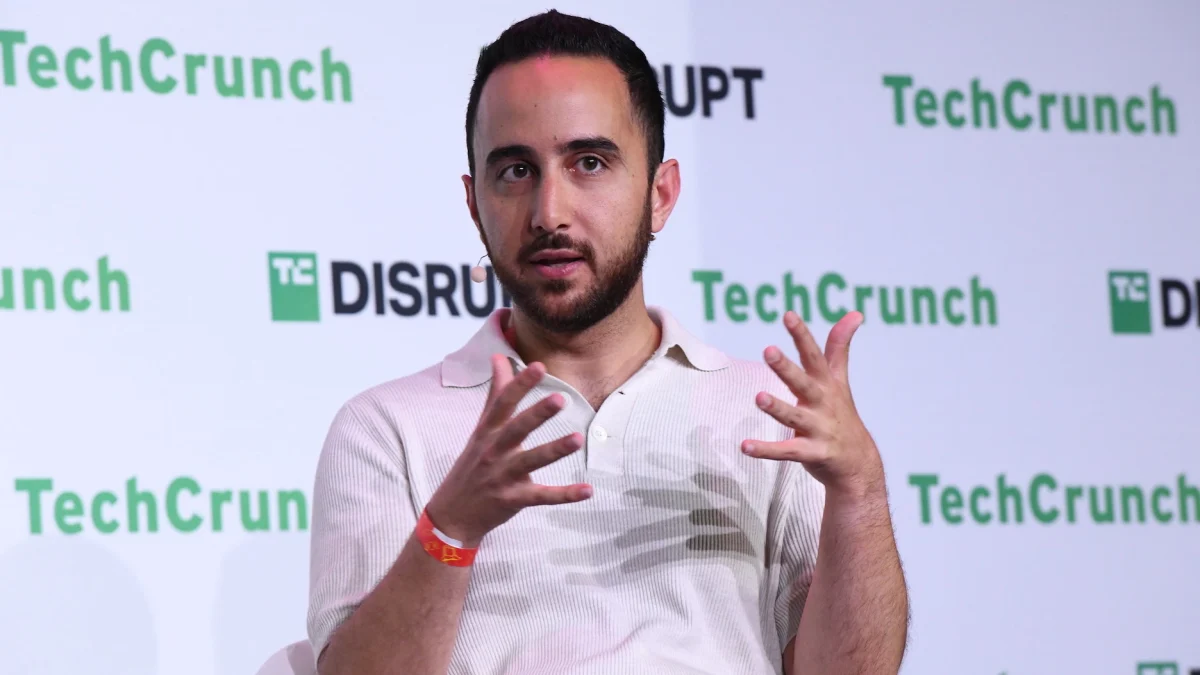
Parallel to OpenAI’s patient-facing initiative, other major AI developers are also focusing on provider-side solutions. Anthropic, a prominent AI research company, recently unveiled "Claude for Healthcare." This offering is designed for use by clinicians and insurance providers, specifically targeting the reduction of tedious administrative tasks. During a presentation at J.P. Morgan’s Healthcare Conference, Anthropic CPO Mike Krieger highlighted the immense time savings possible: "Some of you see hundreds, thousands of these prior authorization cases a week. So imagine cutting twenty, thirty minutes out of each of them—it’s a dramatic time savings." Prior authorization, a notoriously time-consuming process requiring extensive documentation for insurance approval, is a prime example of an administrative bottleneck ripe for AI-driven optimization.
The Path Forward: Balancing Innovation and Safeguards
The increasing intertwining of artificial intelligence and medicine creates an unavoidable tension between two distinct value systems. The primary incentive for doctors is, and always has been, the well-being and health of their patients. Their professional oath and ethical obligations demand a conservative, evidence-based approach to care. In contrast, technology companies, while often driven by noble intentions to improve society, are ultimately accountable to their shareholders, necessitating a focus on market penetration, growth, and profitability. This fundamental difference in priorities creates an inherent friction that must be carefully managed as AI becomes more deeply embedded in healthcare.
Dr. Bari articulates the critical nature of this tension: "I think that tension is an important one. Patients rely on us to be cynical and conservative in order to protect them." This perspective underscores the vital role of human oversight, ethical deliberation, and robust regulatory frameworks in guiding AI’s development and deployment in healthcare. The challenge lies in harnessing AI’s immense power to address systemic inefficiencies and improve patient outcomes, without compromising the core principles of medical ethics, patient safety, and data privacy.
The future of AI in healthcare will likely involve a hybrid approach, where sophisticated AI tools empower clinicians to deliver more efficient and personalized care, while patient-facing applications are developed with extreme caution, clear disclaimers, and rigorous validation. Striking this delicate balance requires ongoing collaboration between medical professionals, AI developers, policymakers, and ethicists to ensure that technological progress serves humanity’s best interests, especially in a domain as critical as health. The conversation is not about whether AI has a place in healthcare, but rather how it should be integrated responsibly, safely, and ethically to truly benefit all.