Amir Mahmud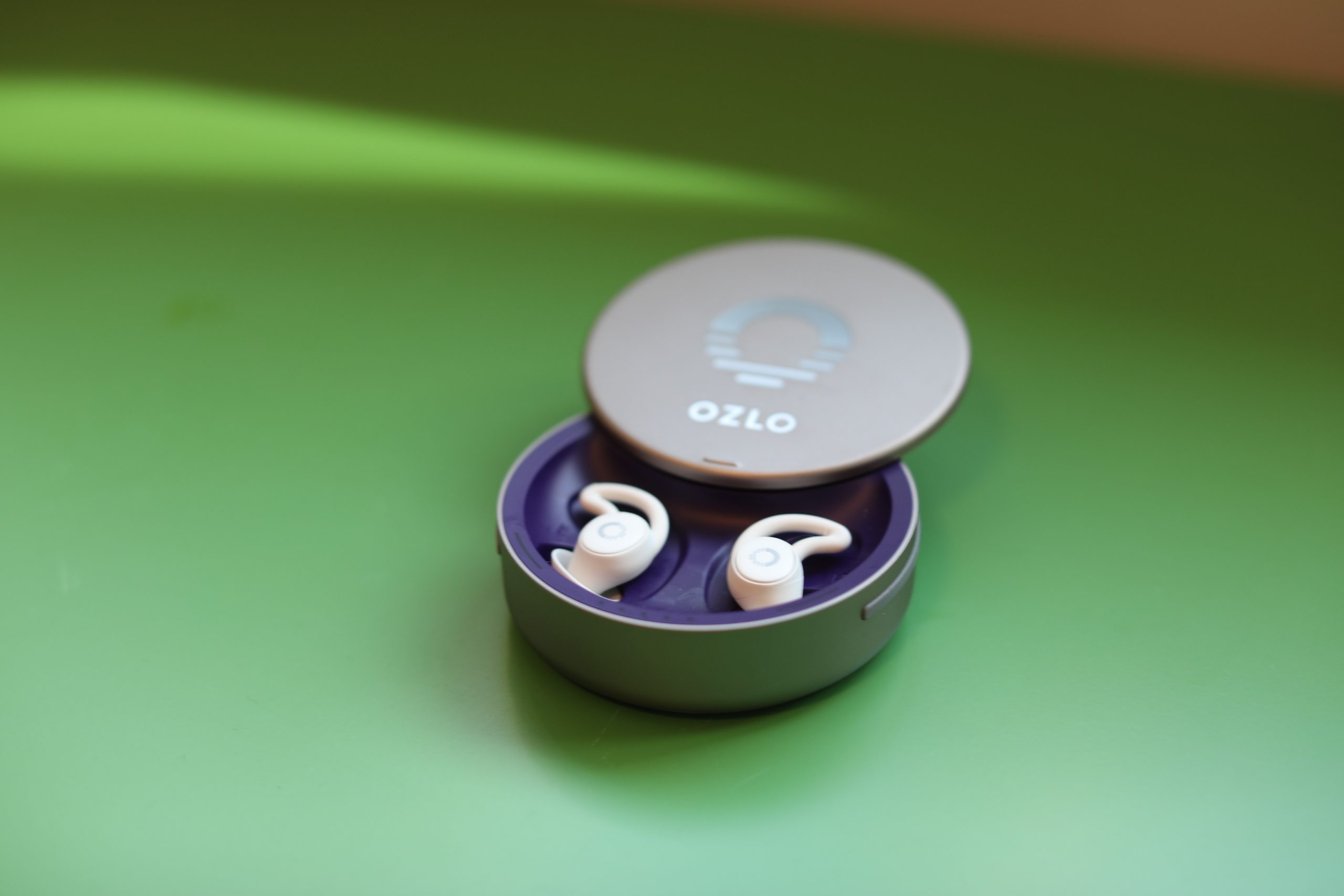
Ozlo, the innovator behind the popular Sleepbuds designed to foster improved rest by effectively neutralizing disruptive external sounds, is strategically evolving its core offering from a singular product into an expansive, interconnected data platform. This significant pivot marks a crucial moment for the company, signaling an ambition to transcend its origins as a consumer electronics manufacturer and establish a formidable presence within the broader digital health and medical technology sectors.
The Strategic Shift: From Earbuds to an Ecosystem
The blueprint for Ozlo’s platform aspirations began materializing recently, highlighted by the announcement of a key collaboration with the prominent meditation application, Calm. This initial partnership served as a prelude to a more aggressive expansion strategy, which was dramatically accelerated during the Consumer Electronics Show (CES) in Las Vegas. At CES, Ozlo actively engaged with numerous potential collaborators, aiming to broaden its ecosystem and reach new user demographics. This proactive engagement underscores a clear intent to diversify revenue streams, moving beyond the traditionally tighter margins of consumer hardware sales into the more lucrative realms of software subscriptions and regulated healthcare solutions. The company envisions offering advanced software functionalities, potentially leveraging artificial intelligence, or specialized programs designed to alleviate conditions like tinnitus, as premium subscription services. Furthermore, a recent acquisition of a neurotechnology startup is poised to propel Ozlo beyond its consumer-facing identity, paving its entry into the stringent medical device market.
The global landscape of health technology has seen a dramatic surge in recent years, driven by increasing consumer awareness of personal well-being and the pervasive adoption of smart devices. Within this burgeoning market, sleep has emerged as a critical frontier. Research consistently highlights sleep deprivation as a widespread public health concern, linked to numerous chronic conditions and decreased productivity. This growing understanding has fueled a robust demand for solutions, ranging from basic sleep trackers to sophisticated therapeutic devices. Ozlo’s strategic move is well-timed, positioning it to capitalize on this expanding market by offering not just a product, but a comprehensive data-driven approach to sleep health. Historically, companies like Bose, from which Ozlo’s founders originated, have explored the sleep-aid market with varying degrees of success. Ozlo’s evolution reflects a learning curve, recognizing that sustained success in this competitive space often requires a multifaceted approach that integrates hardware, software, and data analytics.
Engineering a Data-Centriven Feedback Loop
From its inception, Ozlo intended to cultivate an encompassing ecosystem, a vision articulated by co-founder and CEO NB Patil during CES. Patil emphasized that the company deliberately built an iOS and Android Software Development Kit (SDK) from day one, ensuring that its proprietary application runs on this very SDK. This architectural decision inherently allows any feature or insight available within Ozlo’s native application to be extended and made accessible to third-party developers and partners.
The collaboration with Calm perfectly exemplifies this open platform philosophy. Calm, a leader in mental wellness content, can now leverage Ozlo’s SDK to gain unprecedented insights into the efficacy of its sleep and meditation programs. While Calm’s own application can track user engagement, it traditionally lacks the objective physiological data to confirm whether users have actually transitioned into a state of sleep or deep relaxation. Ozlo’s advanced sensors embedded within its Sleepbuds precisely address this gap. These devices meticulously monitor subtle body movements and respiration rates, transmitting this raw physiological data to the Ozlo charging case. Within the case, a sophisticated machine learning algorithm processes this information, accurately determining if a user is asleep or has achieved a desired state of relaxation. Beyond these core metrics, the smart charging case is equipped with additional environmental sensors, including temperature and light detectors, further enriching the dataset and providing a more holistic understanding of the user’s sleep environment.
This wealth of information is now shareable with partner applications like Calm. For instance, if a user initiates a guided breathing exercise through Calm, Ozlo’s system can monitor their respiration rate in real-time. Should the respiration rate decrease, indicating a shift towards relaxation or sleep, this data can be relayed back to Calm. Conversely, if the desired physiological response is not observed, the partner application gains critical feedback, informing them that the content or approach may need modification for improved effectiveness. Patil highlights two crucial aspects of this system: the ability to trigger real-time actions when a user achieves a desired state (such as Ozlo’s feature that automatically ceases sound playback once sleep is detected), and the invaluable feedback loop for content creators. He notes that many creators in the meditation and sleep aid space often prioritize content volume without sufficient data to ascertain its actual impact or effectiveness in real-world scenarios. This data vacuum can lead to inefficient resource allocation and sub-optimal user experiences. Ozlo’s platform aims to fill this void, providing actionable insights that enable content creators to refine their offerings and invest in truly effective programs. This data-driven approach could fundamentally transform how digital wellness content is developed and optimized, moving beyond qualitative user feedback to quantitative physiological validation. Furthermore, this cooperative model opens a new, recurring revenue stream for Ozlo. If the enhanced data leads to users upgrading their subscriptions to a partner’s product, Ozlo could receive a transactional share, thus complementing its hardware sales with a software-as-a-service (SaaS) model. While initial discussions are ongoing with other sleep and meditation apps, the potential applications for this closed-loop feedback system extend far wider, encompassing therapeutic audio, educational content, or even audiobooks designed for relaxation.
Innovating Personalized Sleep Solutions: Tinnitus and AI Integration
Beyond its platform ambitions, Ozlo is also deeply committed to enhancing the individual insights it provides directly to its users, with artificial intelligence playing an increasingly central role. A significant focus is on addressing specific and pervasive sleep challenges, such as tinnitus. This persistent ringing or buzzing in the ears affects a substantial portion of the population, including an estimated 15% of Ozlo’s customer base, profoundly impacting sleep quality. Recognizing this unmet need, Ozlo forged a partnership with Walter Reed Hospital, initiating a clinical study last year to investigate potential therapeutic interventions. Preliminary findings from this research indicate that consistently playing specific "masking" frequencies overnight, over several weeks, can effectively retrain the brain to mitigate or cease the perception of these irritating internal signals. Ozlo plans to introduce these specialized tinnitus therapies as a premium subscription service, with a targeted rollout in the second quarter of 2026. This move positions Ozlo not just as a sleep aid provider but as a therapeutic solution in the audiological health space.
In November, Ozlo launched "Sleep Patterns" within its proprietary application, a feature designed to offer customers a clearer understanding of their sleep duration, quality, and weekly patterns, along with identifying potential disruptors to their rest. Building on this foundation, the company intends to introduce an AI-powered agent later this year, colloquially referred to as a "sleep buddy." This AI companion will allow users to interact via text, providing personalized guidance and insights based on their individual sleep data. The "buddy" name was subtly revealed as an Easter egg within the app, appearing as an animated character when the charging case is opened and closed five times in quick succession. The vision for this AI agent extends to comprehensive integration with other personal health wearables and Apple’s HealthKit, enabling a richer understanding of a user’s broader physiological patterns. This interoperability will allow the AI to offer more tailored recommendations for improving sleep. Looking ahead, Ozlo aims to connect with smart home devices, such as smart thermostats, to automatically adjust ambient room temperatures to optimal sleep conditions as soon as a user prepares for bed. These advanced AI features are also slated for release in the second quarter, promising a more intelligent and responsive sleep experience.
Expanding the Hardware Portfolio: Beyond In-Ear Devices
Ozlo’s innovation roadmap also includes significant upgrades to its existing hardware and the introduction of entirely new product categories. The next-generation Sleepbuds charging case will feature a refined design, addressing previous user feedback regarding earbuds not consistently seating properly. "We’ve re-engineered the internal contours of the case to ensure a perfect fit when the sleepbud is placed inside," Patil explained. Additionally, the updated case will incorporate a dedicated Bluetooth pairing button for enhanced user convenience. Internally, the new device will boast a redesigned antenna and extender for superior wireless range, alongside an integrated amplifier to boost audio output. This increased volume capability is crucial for effectively masking louder environmental noises, such as those encountered during air or train travel. These hardware enhancements are also scheduled for a Q2 release.
Further diversifying its product line, Ozlo plans to launch a bedside speaker in the second quarter. This innovative device will offer similar core functionalities to the Sleepbuds but without the need for in-ear placement. The 4×6-inch speaker will integrate its own set of sensors, enabling it to monitor aspects like nocturnal awakenings for bathroom breaks or even detect if an individual has fallen, potentially sending alerts. This bedside speaker opens new market segments for Ozlo, particularly families with young children (under 13), for whom in-ear devices during sleep are generally not recommended. It also caters to elderly individuals who may find in-ear devices less comfortable or technically challenging to manage. Drawing inspiration from popular devices like the Hatch alarm clock, Ozlo is also exploring the future integration of a light component into its products, designed for gentle, gradual wake-up experiences, though a specific launch timeline for this feature is still under evaluation.
The Acquisition Play: Venturing into Neurotechnology
Strategic acquisitions form another cornerstone of Ozlo’s ambitious growth trajectory. The Boston-based company, comprising approximately 60 employees, recently announced the acquisition of Segotia, an Ireland-based neurotechnology firm specializing in Electroencephalography (EEG)-focused "hearable" technologies. This acquisition represents a profound leap forward for Ozlo, enabling it to integrate brain-level insights directly into its consumer devices and, crucially, to develop tools for real-time sleep intervention.
Patil elaborated on the significance of this acquisition: "Essentially, we are custom-designing the eartip to measure electrical signals directly from the ear. From these signals, we can precisely derive delta brainwave patterns, providing insight into brain activity during sleep, awareness, and other states." EEG technology, traditionally the gold standard for polysomnography in clinical sleep studies, measures electrical activity in the brain. Miniaturizing and integrating this complex technology into a comfortable, consumer-grade earbud is a significant engineering feat. This advanced EEG capability will pave the way for a new product slated for launch in 2027. This long-term initiative underscores Ozlo’s commitment to transitioning into the medical products field, where EEG-derived insights can offer clinically relevant diagnostics and therapeutic interventions. Such a move would necessitate navigating rigorous regulatory approvals, a stark contrast to the consumer electronics market. The acquisition of Segotia not only accelerates Ozlo’s entry into this specialized domain but also positions it as a potential leader in accessible neurotechnology for sleep health.
Navigating the Future: Execution and Capitalization
Ozlo’s projected roadmap for the coming years is undeniably ambitious, encompassing rapid feature deployment, new product introductions, and a strategic entry into the medical device market. Executing this multifaceted strategy effectively and efficiently will be paramount to maintaining its current momentum and significantly expanding its user base. Such aggressive growth and development naturally require substantial financial backing. Patil confirmed that the company is currently in the process of finalizing a Series B funding round, with further details expected to be disclosed in the upcoming month. The successful closure of this funding round will be critical in fueling Ozlo’s extensive research and development efforts, supporting its market expansion, and enabling the robust infrastructure required for a comprehensive health data platform. The venture capital community has shown a strong appetite for innovative health tech solutions, particularly those leveraging AI and data analytics, indicating a favorable environment for Ozlo’s fundraising efforts. However, the challenge lies in balancing rapid innovation with stringent quality control and regulatory compliance, particularly as the company ventures into the medical device sector. Ozlo’s ability to navigate these complexities will determine its long-term success as a transformative force in the sleep and wellness industry.