Amir Mahmud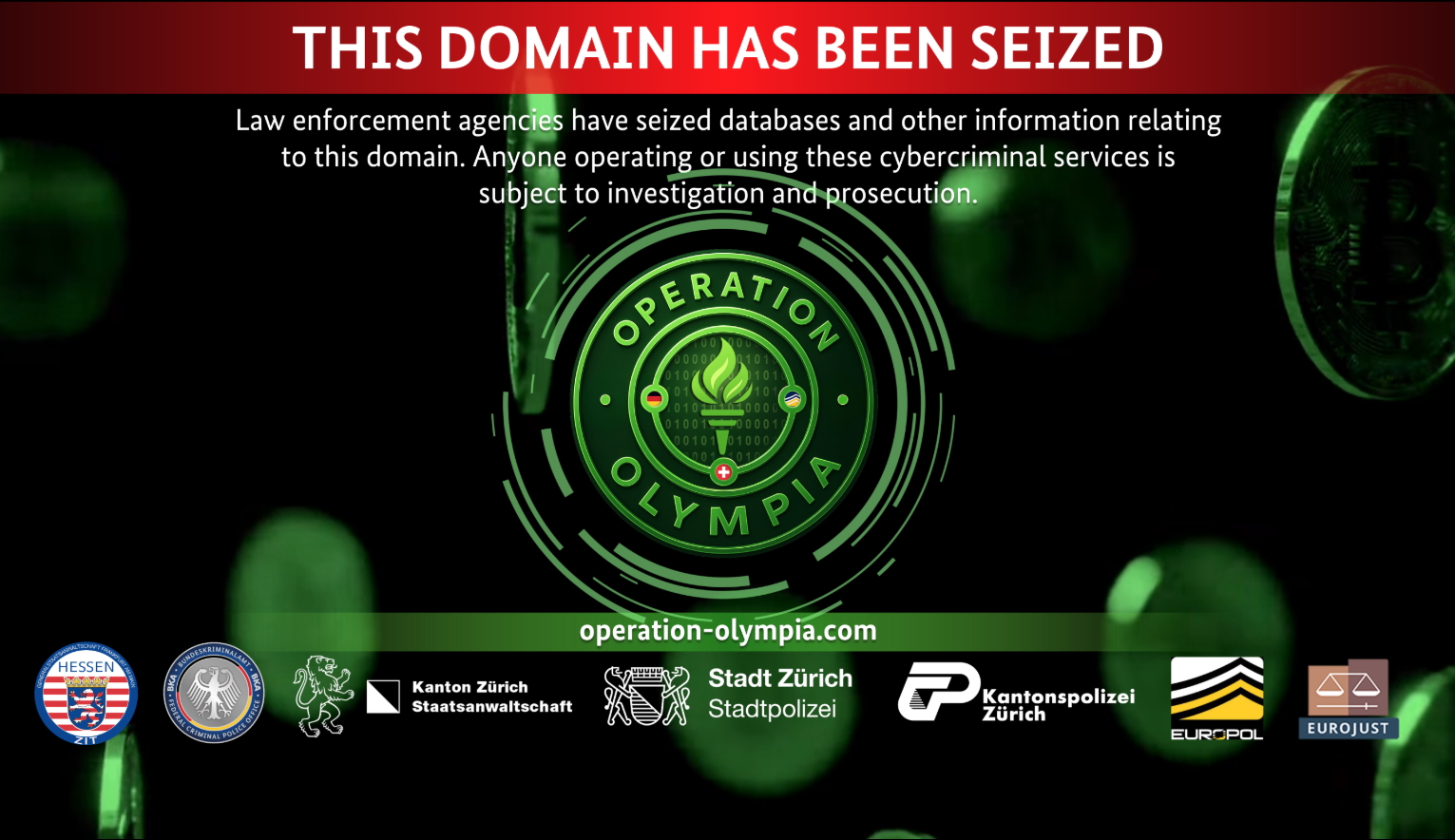
An extensive international law enforcement operation, orchestrated by Europol, successfully dismantled Cryptomixer, a prominent cryptocurrency laundering service that had facilitated the illicit movement of funds totaling an estimated 1.3 billion euros ($1.5 billion) since 2016. This coordinated strike represents a significant blow to cybercriminal networks relying on such services to obscure the origins of their ill-gotten gains, reinforcing the commitment of global authorities to combat financial crime in the digital age.
Understanding Cryptocurrency Mixers
At its core, a cryptocurrency mixer, or "tumbler," is a service designed to enhance the anonymity of cryptocurrency transactions. While digital currencies like Bitcoin and Ethereum operate on public blockchains, where every transaction is recorded and theoretically traceable, mixers exploit the structure of these ledgers to obfuscate the trail. They achieve this by pooling funds from numerous users into a single large reserve, then redistributing equivalent amounts to the specified destination addresses at random intervals and in fragmented sums. This process makes it exceptionally difficult for blockchain analysis firms and law enforcement agencies to link specific input transactions to corresponding output transactions, effectively "mixing" the digital coins to hide their provenance.
For legitimate users, mixers might appeal as a means to enhance financial privacy in a world where every transaction is permanently etched onto a public ledger. However, the vast majority of their utility, and consequently, their demand, comes from individuals and groups engaged in illegal activities. Cybercriminals leverage these services to "clean" money derived from a wide spectrum of offenses, including ransomware attacks, drug trafficking, weapons sales, payment card fraud, and the operation of dark web marketplaces. By rendering funds untraceable, mixers enable criminals to convert their illicit crypto assets into fiat currency or other digital assets without detection, thereby integrating them into the legitimate financial system.
The Scale of Illicit Activity
Europol’s announcement highlighted Cryptomixer as a "platform of choice" for numerous cybercriminal entities. The sheer volume of laundered funds—€1.3 billion over roughly seven years—underscores the service’s integral role within the global illicit finance ecosystem. This figure represents not just a monetary value, but a tangible measure of the harm inflicted by the underlying criminal activities. Ransomware gangs, for instance, often demand payment in cryptocurrencies, which they then funnel through mixers to evade capture. The disruption of Cryptomixer aims to complicate this crucial final step for criminals, making it harder for them to profit from their exploits.
The laundered funds originated from a diverse array of nefarious sources. Dark web markets, notorious for facilitating the sale of illegal drugs, stolen data, and prohibited goods, relied on Cryptomixer to anonymize proceeds. Ransomware groups, which paralyze critical infrastructure and businesses by encrypting their data, used the service to clean their ransom payments. Furthermore, funds derived from more traditional criminal enterprises, such as drug and weapons trafficking, which increasingly leverage cryptocurrencies for cross-border payments, also found their way through Cryptomixer’s obfuscation services. The service’s promise of anonymity allowed these criminals to exchange their "dirty" cryptocurrency for other digital assets or convert them into fiat cash, effectively legitimizing their earnings.
Anatomy of a Takedown
The operation against Cryptomixer was a complex, multi-jurisdictional endeavor, characteristic of modern cybercrime investigations. Law enforcement agencies from across Europe collaborated, pooling resources and intelligence under Europol’s coordination. This international cooperation is vital given the borderless nature of cryptocurrency and online criminal activity.
As part of the operation, authorities successfully seized assets valued at approximately €25 million ($29 million) in Bitcoin. Beyond the digital currency, investigators also secured critical infrastructure, including three servers and 12 terabytes of data. This data is invaluable for ongoing investigations, potentially revealing the identities of Cryptomixer’s operators, its most active users, and connections to other criminal enterprises. The seizure of the official domain, cryptomixer.io, which now displays a standard law enforcement splash page, serves as a public declaration of the site’s demise and a warning to others. The process of seizing these digital assets and infrastructure involved intricate legal and technical challenges, demonstrating the growing sophistication of law enforcement in navigating the complexities of the digital realm.
A History of Combating Crypto Laundering
The shutdown of Cryptomixer is not an isolated incident but rather the latest in a series of targeted actions against cryptocurrency mixing services. Law enforcement agencies worldwide have progressively refined their strategies to combat the use of digital assets for illicit purposes. Early attempts at crypto laundering were often rudimentary, involving direct transfers between wallets. However, as blockchain analysis tools became more sophisticated, criminals turned to mixers to evade detection.
One of the earliest high-profile actions involved Helix and Blender.io, both sanctioned by the U.S. Treasury Department for their roles in laundering proceeds from various hacks and illicit activities. In 2022, the U.S. Treasury’s Office of Foreign Assets Control (OFAC) sanctioned Tornado Cash, a popular decentralized mixer, for allegedly laundering billions, including funds stolen by state-sponsored North Korean hacking groups. This move sparked considerable debate within the crypto community regarding privacy versus national security and the limits of government oversight on decentralized protocols. Later, Chipmixer was also targeted, demonstrating an ongoing, concerted effort by authorities to disrupt these illicit financial pathways. These previous actions set precedents, refined legal frameworks, and honed the technical capabilities of law enforcement, paving the way for the successful takedown of Cryptomixer. The consistent pressure from regulators and law enforcement indicates a clear trajectory towards increased scrutiny and accountability for services that facilitate financial opacity.
The Broader Implications for the Crypto Ecosystem
The disruption of a service like Cryptomixer carries significant implications for the broader cryptocurrency ecosystem. On one hand, it bolsters the credibility of the digital asset space by demonstrating that it is not a lawless frontier. This can attract more institutional investment and foster greater mainstream adoption, as concerns about illicit activity are a major barrier for many traditional financial institutions and cautious investors. Regulatory bodies often cite the potential for money laundering as a primary reason for imposing stricter controls on crypto exchanges and services. Successful operations against mixers help to alleviate some of these concerns, potentially leading to a more regulated, yet more trusted, environment.
However, these crackdowns also ignite ongoing debates about privacy and surveillance. While law enforcement focuses on the criminal misuse of mixers, proponents of privacy argue that everyone, including law-abiding citizens, should have the right to financial anonymity, especially in a world where digital footprints are increasingly scrutinized. The challenge lies in distinguishing between legitimate privacy-enhancing tools and those specifically designed to aid criminal enterprises. The balance between protecting individual privacy and preventing financial crime remains a contentious issue, shaping the future of cryptocurrency regulation and development. Furthermore, the shutdowns could prompt criminals to seek out new, potentially more sophisticated or decentralized methods of obfuscation, or to migrate towards privacy-focused cryptocurrencies specifically designed to make transactions untraceable.
The Ongoing Battle Against Financial Cybercrime
The takedown of Cryptomixer serves as a powerful reminder of the relentless cat-and-mouse game between law enforcement and cybercriminals. While these operations achieve significant victories, the adaptive nature of criminal networks means new methods and services will inevitably emerge. The global nature of cryptocurrency demands an equally global and coordinated response from authorities. This includes enhanced international intelligence sharing, harmonized legal frameworks, and continuous investment in forensic blockchain analysis tools.
Neutral analytical commentary suggests that while these shutdowns are impactful, they are rarely definitive solutions. They raise the barrier to entry for criminals, increase their operational costs, and force them to innovate, but rarely eliminate the problem entirely. The long-term effectiveness hinges on sustained pressure and the ability of law enforcement to adapt as quickly as criminals. Experts often point to the need for a multi-faceted approach that combines enforcement with robust regulatory frameworks, public-private partnerships with blockchain analytics firms, and educational initiatives to raise awareness about the risks associated with illicit financial activities. The future of combating crypto laundering will likely involve more sophisticated AI-driven analysis, tighter controls on fiat on- and off-ramps, and potentially, international agreements on cryptocurrency regulation to create a more uniformly enforced global financial system. The fight against financial cybercrime in the digital age is an evolving challenge, requiring constant vigilance and innovation from all stakeholders.