Amir Mahmud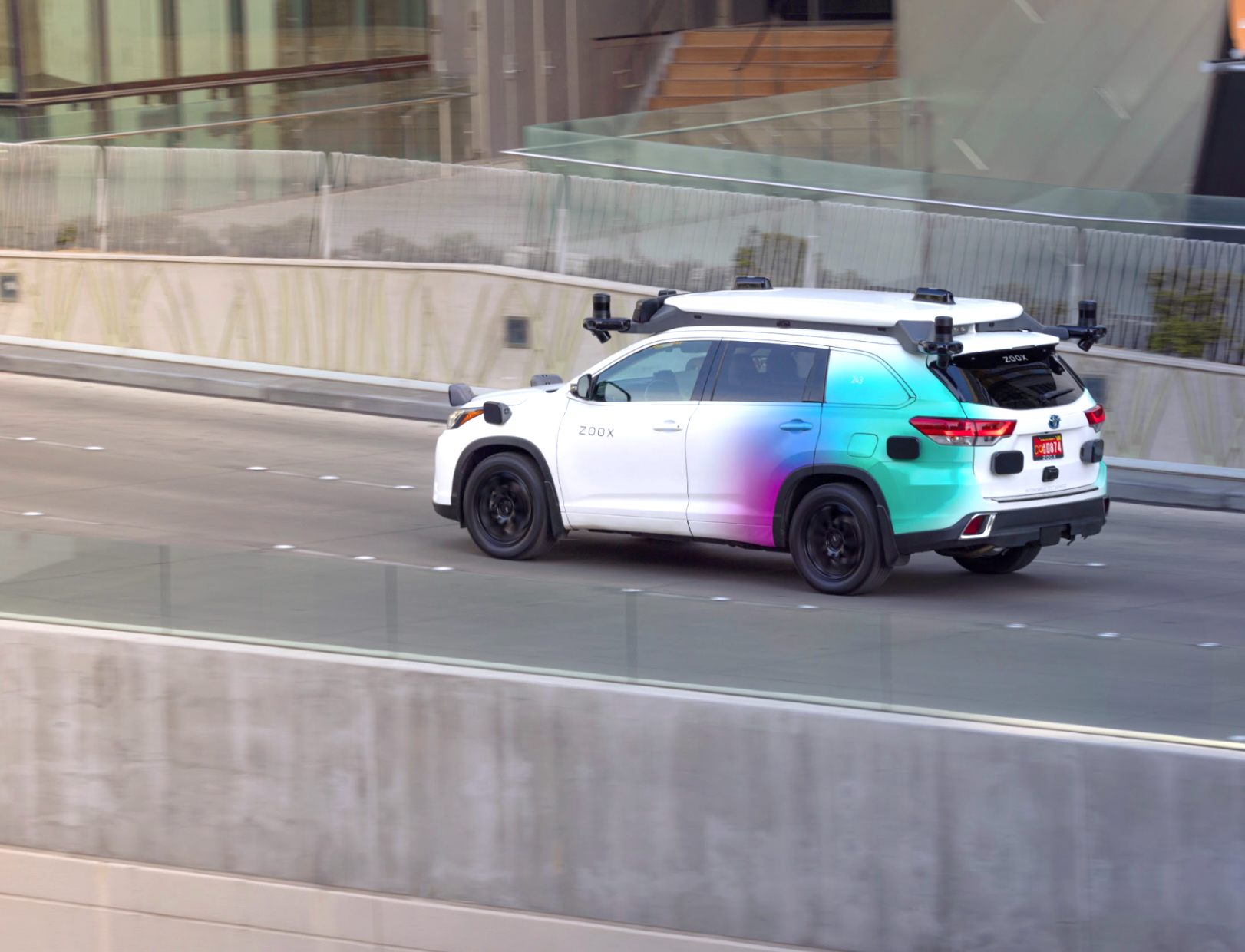
Zoox, the Amazon-owned autonomous vehicle developer, has initiated a crucial phase in its expansion strategy by commencing mapping operations in the bustling metropolitan areas of Dallas, Texas, and Phoenix, Arizona. This foundational work represents a significant precursor to the deployment and testing of its self-driving fleet in these two prominent Sun Belt cities, signaling the company’s intent to broaden its operational footprint and gather diverse data critical for the advancement of its autonomous software.
The company announced its move by deploying a select number of modified Toyota Highlander SUVs to each city. These vehicles, equipped with an array of sophisticated sensors, are being driven by trained human operators whose primary mission is to meticulously collect data about the local road networks, traffic patterns, and environmental conditions. This extensive data acquisition is essential for Zoox’s autonomous software to build a comprehensive understanding of the new operational environments before transitioning to full self-driving tests and, eventually, the launch of its distinctive purpose-built robotaxis.
The Genesis of Autonomous Driving and Zoox’s Vision
The journey toward autonomous vehicles is a story spanning decades, rooted in early artificial intelligence research and significant milestones like the DARPA Grand Challenges in the mid-2000s, which spurred considerable innovation in self-driving technology. Companies like Waymo (spun out of Google’s self-driving car project) emerged as pioneers, demonstrating the potential of the technology, while traditional automakers and tech giants alike poured billions into research and development. The industry’s evolution has been marked by ambitious promises, substantial investments, and the gradual, often challenging, process of translating laboratory breakthroughs into real-world applications.
Zoox, founded in 2014, entered this competitive landscape with a distinct philosophy: to develop an entirely new, purpose-built autonomous vehicle from the ground up, rather than retrofitting existing cars. This vision culminated in a unique vehicle designed for ride-hailing, lacking a steering wheel or pedals, and featuring a symmetrical, bi-directional design that eliminates the traditional front and back. Amazon’s acquisition of Zoox in 2020 provided substantial capital and resources, bolstering its pursuit of commercializing robotaxi services. The current mapping efforts in Dallas and Phoenix are a testament to this long-term strategy, aiming to expand beyond its existing, more established testing grounds.
The Critical Phase of High-Definition Mapping
The initial mapping phase is far more intricate than simply navigating streets with a GPS. Autonomous vehicles rely on ultra-high-definition (HD) maps that provide a detailed, centimeter-level understanding of the environment. These maps are rich with information about lane markings, traffic signs, traffic lights, road curvatures, pedestrian crossings, and even the precise location of curbs and trees. The process involves fusing data from various sensors—Lidar (light detection and ranging), radar, cameras, and ultrasonic sensors—to create a dynamic, constantly updated digital twin of the physical world.
Human-driven vehicles play a crucial role in this process, systematically traversing every street to capture raw sensor data. This data then feeds into Zoox’s AI models, allowing the autonomous software to "learn" the nuances of each street, anticipating potential challenges and optimizing its decision-making algorithms. The transition from human-driven mapping to supervised autonomous testing, where safety drivers remain vigilant, and then to fully driverless operation, is a meticulously structured process designed to ensure safety and reliability. Dallas and Phoenix, with their unique urban layouts and traffic patterns, offer invaluable new datasets that will help refine Zoox’s software, making it more robust and adaptable to diverse real-world conditions.
Strategic Expansion into the Sun Belt: Market Dynamics and Competition
The selection of Dallas and Phoenix as new operational hubs is highly strategic, reflecting broader trends within the autonomous vehicle industry. These Sun Belt cities offer several advantages: generally flat terrain, predominantly clear weather conditions conducive to sensor performance, expansive road networks, and growing populations. While they possess significant urban density, they often present different driving challenges compared to the narrow, winding streets and complex intersections of Zoox’s current testing grounds like San Francisco. This diversity in operating environments is crucial for training AI systems to handle a wider array of scenarios.
Furthermore, Arizona has long been recognized as a hotbed for autonomous vehicle testing due to its historically permissive regulatory environment. Rival Waymo famously launched its public robotaxi service in Phoenix in 2020, establishing the region as a significant battleground for AV commercialization. By entering Phoenix, Zoox is not only leveraging favorable conditions but also positioning itself directly against established competitors. While the original article did not mention Dallas’s specific regulatory environment, Texas has also generally been considered AV-friendly, offering companies a relatively straightforward path for testing and deployment. This competitive landscape drives innovation and forces companies to constantly refine their technology and operational strategies.
Zoox’s current operations span a growing list of cities, including Atlanta, Austin, Las Vegas, Los Angeles, Miami, the San Francisco Bay Area, Seattle, and Washington, D.C. With the addition of Dallas and Phoenix, its footprint will expand to ten U.S. cities. The company has already accumulated impressive metrics, having driven over a million autonomous miles and ferried more than 300,000 passengers through its early-rider program in Las Vegas and San Francisco. These programs are vital for gathering real-world user feedback and demonstrating the technology’s readiness for wider adoption.
Navigating the Regulatory Labyrinth and Public Acceptance
A significant hurdle for Zoox and other AV companies is the complex regulatory landscape, particularly concerning vehicles designed without traditional human controls like steering wheels or pedals. These purpose-built robotaxis do not fit neatly into existing federal motor vehicle safety standards (FMVSS), which were established with human-driven cars in mind. The National Highway Traffic Safety Administration (NHTSA) is responsible for setting these standards and granting exemptions.
While NHTSA granted Zoox an exemption last August to demonstrate its AVs on public roads, the company is still awaiting further exemptions and approvals to launch a true commercial robotaxi service. This federal approval process is often slow and meticulous, reflecting the agency’s responsibility to ensure public safety. Beyond federal oversight, companies like Zoox must also secure permissions from local and state agencies that regulate ride-hailing operations, such as California’s Public Utilities Commission. This patchwork of regulations across different jurisdictions adds layers of complexity to scaling autonomous services.
Public acceptance also plays a pivotal role. Incidents involving autonomous vehicles, even when rare, can significantly impact public trust and fuel skepticism. Building confidence requires a transparent approach to safety, clear communication about operational capabilities, and a demonstrated track record of reliability. The industry’s ability to educate the public and address concerns will be critical for widespread adoption.
Economic and Societal Impacts of Autonomous Mobility
The expansion of autonomous vehicle operations into new cities carries significant economic and societal implications. Zoox’s commitment to opening depots in Dallas and Phoenix, alongside a new command center in Scottsdale, Arizona, will generate hundreds of new jobs. These "fusion centers," as Zoox calls them, are vital operational hubs housing fleet management teams responsible for tasks ranging from vehicle maintenance and charging to remote guidance and real-time rider support. These roles encompass a diverse skill set, from automotive technicians and logistics coordinators to software engineers and customer service representatives, contributing to the local tech economy.
The broader impact of robotaxi services on urban mobility could be transformative. Reduced traffic congestion, optimized parking needs, and enhanced accessibility for individuals who cannot drive (due to age, disability, or lack of license) are frequently cited benefits. Autonomous ride-hailing could also complement existing public transit systems, offering a flexible "last-mile" solution. Furthermore, the data collected from these extensive operations could provide valuable insights for urban planners and infrastructure development. Beyond passenger transport, the underlying autonomous technology has the potential to revolutionize logistics, goods delivery, and other commercial applications in the long term.
Challenges Ahead and the Future Outlook
Despite the promising advancements, the path to widespread autonomous vehicle adoption remains fraught with challenges. Technical hurdles persist, particularly in handling "edge cases"—unusual or unpredictable scenarios that are difficult for AI to generalize from training data, such as unexpected road debris, erratic human behavior, or extreme weather conditions. The scalability of operations, moving from limited, geographically constrained deployments to mass-market availability, requires continuous innovation in manufacturing, maintenance, and software updates.
Furthermore, the profitability of robotaxi services is still a long-term goal for most companies in the sector. The substantial capital expenditure required for vehicle development, manufacturing, and operational infrastructure means that the return on investment may take years to materialize. Industry experts generally agree that while significant progress has been made, fully ubiquitous, commercially viable robotaxi services are still several years away.
Zoox’s strategic foray into Dallas and Phoenix represents a critical step in this ongoing journey. By expanding its data collection and testing into diverse urban environments, the company aims to accelerate the development of its autonomous software, refine its operational models, and ultimately bring its unique purpose-built robotaxis closer to commercial viability. The race for autonomous mobility continues, with each new city mapped and every mile driven bringing the vision of a self-driving future into clearer focus.