Amir Mahmud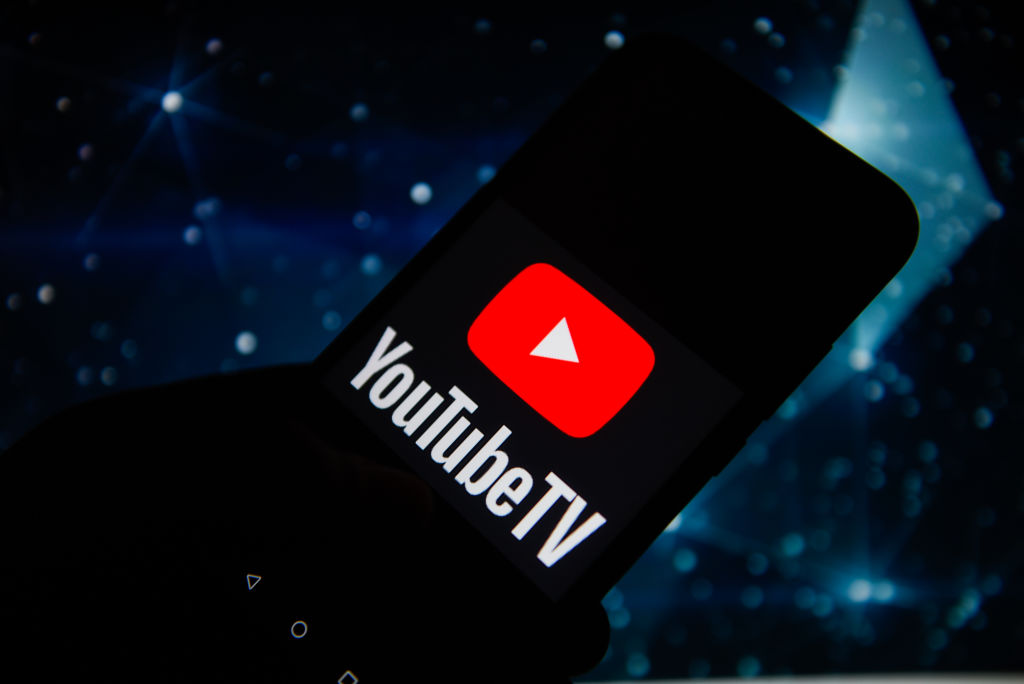
Google’s YouTube TV is poised to introduce a groundbreaking transformation to its subscription paradigm in early 2026, signaling a major evolution in the landscape of live television streaming. This strategic initiative involves the rollout of more than ten distinct content packages, each curated around specific genres, fundamentally altering the platform’s traditional unified channel offering. The move is designed to empower consumers with enhanced flexibility and choice, addressing a long-standing demand for more personalized and economically efficient access to digital entertainment.
The Evolving Streaming Landscape and the Promise of Cord-Cutting
The journey of television consumption has undergone a dramatic metamorphosis over the past two decades. For generations, viewers were tethered to conventional cable and satellite television services, characterized by expansive bundles that often included a plethora of channels subscribers neither wanted nor watched, all for a premium monthly fee. The advent of the internet and subsequent rise of on-demand streaming platforms like Netflix, Hulu, and Amazon Prime Video promised liberation from these constraints, ushering in the era of "cord-cutting."
Initially, the allure of streaming was its perceived affordability and the promise of à la carte content selection. However, as the market matured, a new breed of services emerged: virtual multichannel video programming distributors (vMVPDs). Platforms such as YouTube TV, Sling TV, Hulu + Live TV, DirecTV Stream, and FuboTV were designed to mimic the live TV experience of cable, delivering linear channels over the internet. While initially offering leaner, more affordable alternatives, many of these services gradually expanded their channel lineups and, consequently, their prices. This led to a phenomenon where "cord-cutters" often found themselves simply replacing one expensive bundle with another, sometimes referred to as "cord-shaving" or even "cord-needing," as the cost benefits diminished. YouTube TV, like its competitors, has periodically adjusted its pricing upwards, with its current base plan standing at $82.99 per month, a point of contention for many subscribers. The introduction of genre-specific plans directly confronts this issue, aiming to re-align the service with the original value proposition of streaming: choice and affordability.
YouTube TV’s New Direction: Tailored Content for Discerning Viewers
The forthcoming collection of subscription options marks a pivotal moment for YouTube TV. Among the anticipated offerings is a comprehensive sports-centric package, poised to become a significant draw for enthusiasts. This bundle is slated to encompass broadcasts from major networks, alongside specialized sports channels like FS1, NBC Sports Network, and the entire suite of ESPN properties, including ESPN Unlimited. Furthermore, subscribers opting for this package will have the ability to integrate premium add-ons, such as NFL Sunday Ticket and RedZone, catering to the avid football fan base. The inclusion of these high-value sports properties is particularly strategic, as live sports remain one of the most compelling reasons for consumers to maintain a live TV subscription.
Beyond sports, YouTube TV has confirmed plans for packages dedicated to news, family-oriented content, and general entertainment. While a complete roster of these upcoming bundles has not yet been disclosed, the commitment to diversifying options across these popular categories suggests a broad appeal. Crucially, YouTube has affirmed that signature features, which have become synonymous with the platform’s user experience, will remain intact across all new subscription tiers. These include unlimited digital video recording (DVR), the innovative multiview option for watching multiple streams simultaneously, key plays highlights, and the interactive fantasy view for sports, ensuring a consistent and high-quality viewing experience regardless of the chosen plan.
Christian Oestlien, YouTube’s Vice President and Head of Subscriptions, articulated the company’s vision in a public statement, emphasizing that the objective is to simplify television access and grant viewers enhanced authority over their programming selections. "Our ambition is to enable you to customize your subscription with a broader array of choices," Oestlien remarked. "Whether you prefer our comprehensive main YouTube TV plan with over 100 channels, desire a primary focus on sports, wish to combine sports and news, or select a plan centered on family and entertainment content, subscribers will be able to effortlessly choose the option that best suits their preferences."
Competitive Landscape and Industry Precedents
YouTube TV’s embrace of genre-based packages is not an entirely novel concept within the broader streaming ecosystem but represents a significant endorsement from one of the industry’s heaviest hitters. Other vMVPDs have already begun experimenting with similar unbundling strategies, albeit to varying degrees. Sling TV, a long-standing proponent of à la carte and "skinny bundle" models, has historically offered more segmented packages, allowing subscribers to select base tiers (e.g., Sling Orange or Sling Blue) and then add genre-specific "extras." DirecTV Stream also provides what it terms "genre packs" for categories such as sports, entertainment, news, and children’s programming. More recently, FuboTV, known for its strong sports focus, launched its own dedicated sports package in the past year, further validating the demand for specialized content offerings.
These earlier initiatives by competitors underscore a growing recognition across the industry that the monolithic cable-like bundle, even in its streaming incarnation, is becoming unsustainable in the face of evolving consumer expectations. The timing of YouTube TV’s announcement, set for early 2026, suggests a strategic response to market saturation, increasing subscriber churn rates across the streaming sector, and the persistent challenge of attracting new users who are wary of rising costs.
Market, Social, and Cultural Impact
This strategic shift by YouTube TV carries profound implications for the market, consumers, and the broader culture of media consumption.
Market Impact: The move is expected to intensify competition within the vMVPD space. By offering more granular options, YouTube TV could draw in a new demographic of subscribers who previously found the full base plan too expensive or irrelevant to their viewing habits. It also places pressure on rival services to re-evaluate their own pricing and packaging strategies. The industry may witness a renewed focus on niche content aggregation, potentially leading to more specialized partnerships between content providers and streaming platforms. Furthermore, the availability of lower-cost entry points could serve as a powerful tool for subscriber acquisition and retention, particularly against the backdrop of "subscription fatigue" where consumers feel overwhelmed by the number and cost of their streaming services.
Social Impact: From a societal perspective, this change empowers individuals with greater agency over their media diet. It moves away from a one-size-fits-all approach, recognizing the diverse viewing preferences within households and across different demographics. For instance, a sports enthusiast might subscribe only to the sports package, while a family with young children might opt for a family-focused bundle, reducing their overall media expenditure. This could also lead to more intentional consumption, as viewers actively choose what they want to support and watch, rather than passively accepting a predetermined channel lineup.
Cultural Impact: Culturally, the unbundling trend reflects a broader societal shift towards personalization and customization. In an age where everything from music playlists to news feeds is tailored to individual preferences, television is finally catching up. This move validates the long-held consumer desire for true à la carte television, a concept that has been discussed for decades but rarely fully realized by major players. It signifies a potential turning point where the digital realm truly diverges from the legacy cable model, offering a future where television viewing is as modular and adaptable as other digital services.
The Business Rationale: Beyond Consumer Flexibility
While consumer flexibility is a key message, the business rationale behind YouTube TV’s decision is multi-faceted.
Subscriber Acquisition and Retention: The most immediate benefit is the potential to attract new subscribers who have been deterred by the $82.99 price tag of the full bundle. By offering more affordable, targeted options, YouTube TV can lower the barrier to entry. For existing subscribers, particularly those contemplating cancellation due to price hikes, the option to "downgrade" to a more focused, less expensive package could significantly improve retention rates.
Monetization Strategies: These smaller bundles open new avenues for monetization. While the individual genre packages will undoubtedly cost less than the base plan, they could encourage incremental spending. For example, a subscriber might start with a sports package and then add a news package, eventually approaching or exceeding the cost of the full bundle, but with a greater perception of value and control. This strategy also allows for more targeted advertising within specific genre packages, potentially commanding higher ad rates.
Data and Personalization: By segmenting subscribers into genre-specific plans, YouTube TV can gather more granular data on viewing habits and preferences. This data is invaluable for refining content recommendations, personalizing user interfaces, and developing more effective advertising campaigns, ultimately enhancing the user experience and improving ad revenue.
Future-Proofing and Content Negotiation: This modular approach positions YouTube TV for the future of media consumption. As content rights become increasingly complex and fragmented, having a flexible packaging strategy could facilitate negotiations with content providers. It might allow YouTube TV to acquire specific genre rights more easily or to experiment with limited-time, event-specific bundles without overhauling its entire pricing structure.
A Glimpse into the Future of Television
The decision by YouTube TV, a dominant force in the live streaming market, to introduce genre-specific subscription plans is far more than a mere product update; it represents a significant validation of the long-held promise of à la carte television. Industry analysts have consistently pointed to the need for greater flexibility and value in streaming subscriptions as the market matures and competition intensifies. This move aligns perfectly with those predictions, indicating a mature phase in the streaming wars where providers are not just competing on sheer volume of content, but on the perceived value, customization, and cost-effectiveness they can offer.
As early 2026 approaches, the launch of these new packages will be a critical moment for YouTube TV and the broader streaming industry. It has the potential to fundamentally reshape how consumers interact with and pay for live television, moving decisively away from the legacy cable model and towards a more adaptable, consumer-centric future. The era of the monolithic streaming bundle may well be drawing to a close, replaced by a nuanced landscape of tailored content designed to meet the precise demands of every viewer.