Amir Mahmud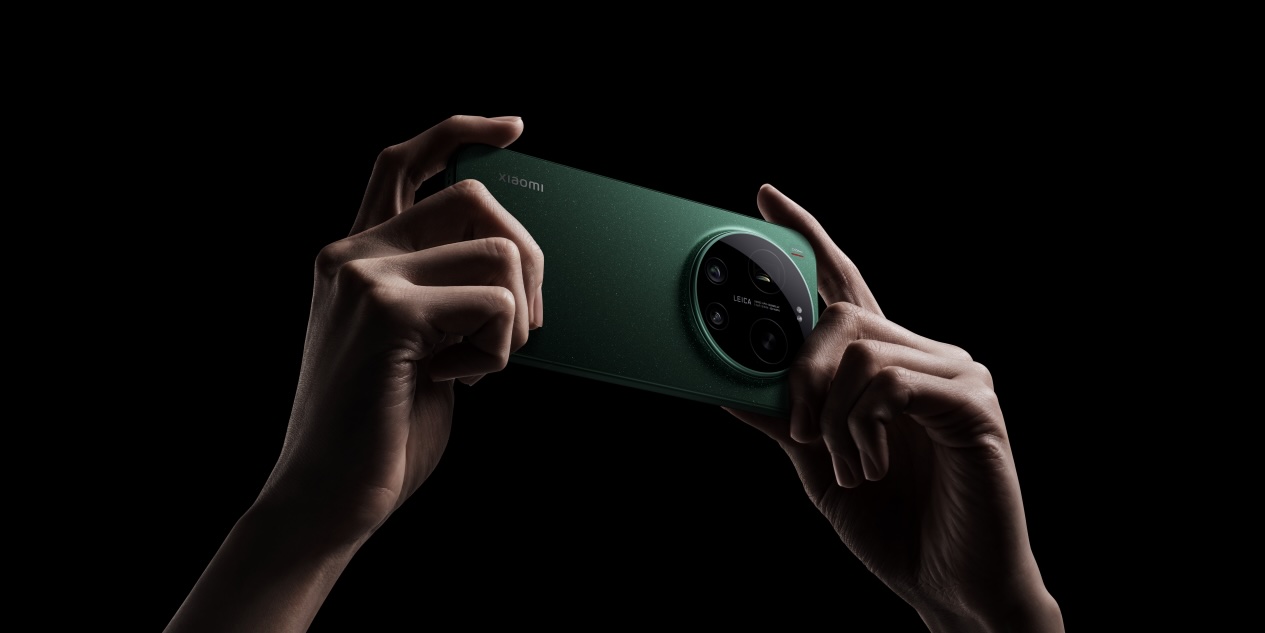
In a sweeping display of technological ambition, Chinese electronics giant Xiaomi recently introduced a comprehensive suite of new devices, highlighted by a camera-centric flagship smartphone, a versatile smart tracker, and an array of lifestyle gadgets. The launch, strategically timed just before the Mobile World Congress (MWC) in Barcelona, underscored Xiaomi’s sustained drive to expand its global footprint and diversify its product ecosystem beyond its smartphone origins. This extensive unveiling showcased the company’s commitment to innovation across multiple categories, from high-end mobile photography to urban mobility solutions.
The Xiaomi 17 Ultra: A Masterclass in Mobile Photography
At the forefront of Xiaomi’s latest offerings is the Xiaomi 17 Ultra, a device meticulously engineered to redefine mobile photography. This premium smartphone is the latest fruit of a significant collaboration with the legendary German camera manufacturer Leica, a partnership that began with earlier Xiaomi models and has progressively deepened. Leica’s involvement extends beyond mere branding, integrating its renowned optical expertise and signature imaging aesthetics directly into the phone’s hardware and software.
The historical significance of Leica’s century-long legacy in photography cannot be overstated. Founded in 1869, the company revolutionized photography with its compact 35mm cameras, establishing a reputation for unparalleled optical quality and distinctive image rendition. For Xiaomi, partnering with such an iconic brand represents a strategic move to elevate its smartphone imaging capabilities and challenge established premium players like Apple and Samsung. This trend of smartphone manufacturers collaborating with traditional camera brands has become increasingly common, with examples like Huawei’s past partnership with Leica, OnePlus’s alliance with Hasselblad, and Sony’s long-standing relationship with Zeiss, all aiming to imbue mobile devices with professional-grade photographic credibility.
From a technical standpoint, the Xiaomi 17 Ultra boasts an impressive camera array. Its primary sensor is a substantial 50-megapixel unit featuring a large 1-inch sensor and an f/1.67 aperture, designed to capture exceptional detail and perform admirably in low-light conditions. However, the standout feature is its groundbreaking 200-megapixel telephoto camera, which offers a variable focal length equivalent to 75mm-100mm, enabling optical zoom capabilities ranging from 3.2x to 4.3x. This innovative approach to telephoto imaging provides users with unprecedented flexibility in framing distant subjects without sacrificing image quality, a crucial differentiator in the competitive high-end smartphone market. Complementing these is a 50-megapixel ultrawide camera with an f/2.2 aperture, ensuring a comprehensive photographic toolkit for various scenarios.
Beyond its optical prowess, the Xiaomi 17 Ultra incorporates robust internal specifications. It features a substantial 6,000 mAh battery in its global variant, with a larger 6,800 mAh capacity available in the Chinese market, promising extended usage times. Charging is equally impressive, supporting 90W USB Power Delivery-PPS for rapid wired charging and Xiaomi’s proprietary 50W Hypercharge wireless technology. The device sports a vibrant 6.9-inch Xiaomi HyperRGB OLED display, protected by the company’s own Shield Glass 3.0, offering vivid visuals and enhanced durability. Powering this photographic beast is Qualcomm’s latest Snapdragon 8 Elite Gen 5 processor, a cutting-edge chipset also found in other leading flagships like the recently launched Galaxy S26 series, ensuring seamless performance and advanced AI capabilities.
To commemorate Leica’s centenary, Xiaomi also unveiled a special Leica edition of the 17 Ultra. This exclusive variant features a durable aluminum-alloy body with a sophisticated nickel-anodized finish, exuding a premium aesthetic. On the software front, it integrates a dedicated Leica theme and a "Leica Essential mode," which applies filters to replicate the iconic photographic styles of classic Leica M9 and M3 cameras, appealing to photography purists and enthusiasts alike. Further enhancing the photographic experience, Xiaomi introduced two innovative add-ons: the 17 Ultra Photography Kit, a Bluetooth-connected snap-on accessory with a two-stage shutter button and video recording control, and the 17 Ultra Photography Kit Pro. The Pro version offers a more tactile, camera-like experience with a leather finish, USB-C connectivity, a detachable shutter, zoom control, a dedicated 2,000 mAh battery, and a new "fastshot" mode for instantaneous captures.
The standard Xiaomi 17 model, also part of the launch, offers a larger 6,330 mAh battery and even faster 100W HyperCharge technology, catering to users who prioritize endurance and rapid power-ups. The pricing structure positions these devices firmly in the premium segment, with the Xiaomi 17 starting at €999, the Xiaomi 17 Ultra at €1,499, and the Leica edition, featuring 16GB RAM and 1TB storage, at €1,999. The photography kits are priced at €99.99 and €199.99, respectively. These devices are set for release in the EU and UK markets, signaling Xiaomi’s continued focus on expanding its presence in lucrative Western markets.
Expanding the Ecosystem: Smart Tracking, Wearables, and Mobility
Beyond the flagship smartphones, Xiaomi’s launch event highlighted its broader strategy of building a comprehensive interconnected ecosystem, offering solutions for everyday convenience and personal wellness.
The Xiaomi Tag: Cross-Platform Location Tracking
One of the most noteworthy additions is the Xiaomi Tag, a compact device designed to help users locate lost items. Functionally similar to Apple’s popular AirTag, Xiaomi’s version distinguishes itself with broad compatibility, working seamlessly with both Apple’s Find My network and Google’s Android Find Hub. This dual-platform support addresses a significant market need, providing a universal tracking solution for users who may own devices across different operating systems or live in mixed-OS households. Weighing a mere 10 grams and powered by a button cell battery offering over a year of life, the tag can emit a sound remotely for easy retrieval and tracks the last known location. Priced competitively at €14.9 for a single unit and €49.99 for a pack of four, the Xiaomi Tag enters a growing market for smart trackers, where user convenience and privacy concerns are paramount. The ability to leverage both Apple and Google’s vast device networks for location finding presents a formidable challenge to existing players, potentially democratizing access to reliable item tracking.
Xiaomi Watch 5: Enhanced Health and Convenience
In the wearables segment, Xiaomi introduced the Xiaomi Watch 5, a smartwatch designed with a strong emphasis on health monitoring and user convenience. Featuring a round 1.54-inch AMOLED display, the watch offers vibrant visuals and supports intuitive gestures for managing calls and alarms. Its robust 930mAh battery promises up to six days of usage on a single charge, a significant advantage in a market often plagued by daily charging requirements. The Watch 5 can generate a comprehensive health report in just 60 seconds, leveraging a suite of sensors to track metrics such as heart rate, blood oxygen saturation (SpO2), stress levels, sleep duration, and sleep heart rate. This focus on holistic health tracking aligns with a growing consumer demand for proactive wellness management tools. Priced at €299.99, it aims to compete in the mid-to-high range of the smartwatch market, offering a compelling blend of features and battery life.
Ultra-Slim Power Bank: Design Meets Functionality
Addressing the pervasive need for on-the-go power, Xiaomi unveiled an ultra-slim power bank that redefines portability. Measuring just 6mm thick and weighing 98 grams, this svelte accessory boasts a 5,000 mAh battery capacity. It supports 22.5W wired charging and 15W wireless charging, with a magnetic attachment feature that allows it to stick conveniently to compatible phones, including iPhones, for seamless wireless power delivery. Available in black and silver at €59.99, and an orange variant at €64.99, this power bank merges sleek design with practical functionality, catering to a lifestyle where mobile devices are constantly in use.
Redmi Buds 8 Pro: Immersive Audio
For audio enthusiasts, the Redmi Buds 8 Pro earbuds were launched, featuring active noise cancellation (ANC) and an impressive battery life of up to 33 hours. Priced at €69.9, these earbuds offer a compelling value proposition, bringing premium audio features to a broader audience.
Xiaomi Electric Scooter 6 Ultra: Eco-Friendly Urban Mobility
Further diversifying its portfolio, Xiaomi introduced the Electric Scooter 6 Ultra, a robust solution for urban commuting. With a peak power output of 1200W and a substantial 75km range, this scooter is designed for extended travel. It features 12-inch all-terrain tires and both front and rear disc brakes for enhanced safety and control. A 3-inch TFT display provides riders with essential information like speed and remaining range. Available in five different versions, starting at €329.99 and topping out at €799.99, the scooter taps into the burgeoning market for eco-friendly personal transportation, aligning with global trends toward sustainable urban mobility and reducing carbon footprints.
Market Implications and Future Outlook
This comprehensive product launch underscores Xiaomi’s multi-pronged strategy to solidify its position as a global technology leader. By investing heavily in a premium smartphone experience, particularly through its Leica partnership, the company aims to challenge the dominance of Apple and Samsung in high-margin segments. The introduction of cross-platform compatible smart trackers and advanced wearables demonstrates a commitment to expanding its interconnected ecosystem, fostering user loyalty and increasing average revenue per user. The diverse range of products, from high-performance scooters to budget-friendly earbuds, reflects Xiaomi’s ability to cater to a broad spectrum of consumer needs and price points.
Neutral analysts suggest that Xiaomi’s success will hinge on its ability to maintain competitive pricing while delivering a consistently premium user experience across all its product categories. The fragmentation of the "Find My" network, with Xiaomi supporting both Apple and Google, could be a significant advantage in markets where consumers own a mix of devices. However, competition remains fierce, with numerous players vying for market share in each segment. Xiaomi’s continued investment in research and development, coupled with strategic partnerships, positions it as a formidable force in the evolving global consumer electronics landscape. The MWC showcase serves as a clear declaration of Xiaomi’s intent to innovate and compete across the entire spectrum of consumer technology.