Amir Mahmud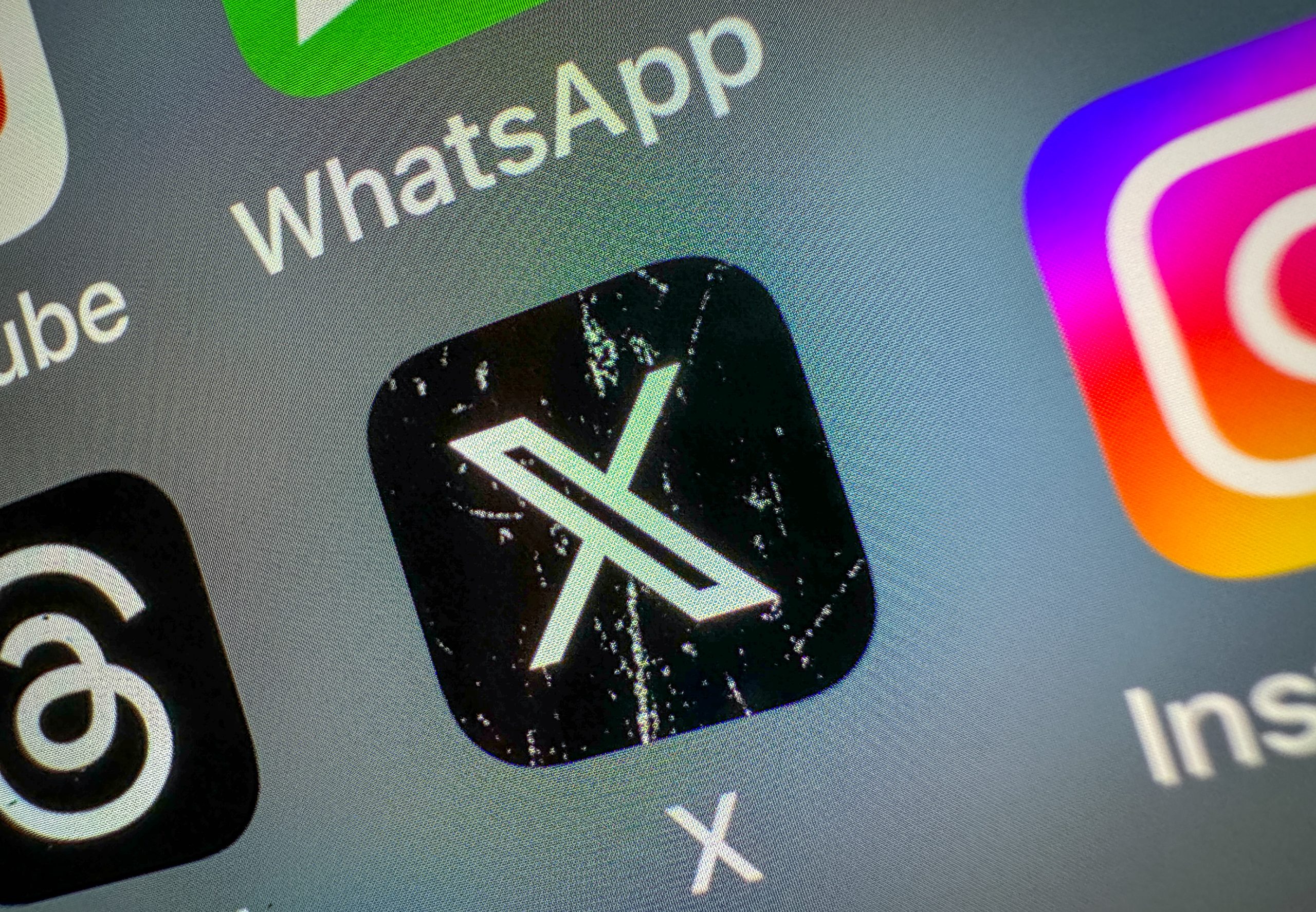
The social media platform X, formerly known as Twitter, recently announced the implementation of a new "Paid Partnership" label, offering creators a standardized mechanism to disclose commercial content within their posts. This feature marks a significant step for X in aligning with broader industry standards for advertising transparency, enabling users to clearly distinguish between organic content and paid promotions. By providing a dedicated, built-in labeling system, X aims to enhance the authenticity of content on its platform, foster greater trust among its user base, and ensure creators can more easily comply with evolving federal regulations governing online endorsements.
The Evolution of Disclosure on X
For years, creators utilizing X to promote products or services through sponsored content faced a fundamental challenge: the absence of an official, integrated tool for disclosing paid partnerships. This structural gap compelled influencers and brands to resort to manual disclosure methods, primarily through the use of hashtags such as #ad, #sponsored, or #paidpartnership. While these hashtags served a functional purpose in signaling commercial intent, they often cluttered posts, potentially detracting from the content’s aesthetic or narrative flow. Moreover, the reliance on user-generated hashtags introduced inconsistencies in disclosure practices, making it challenging for both users and regulatory bodies to consistently identify sponsored material.
The introduction of the "Paid Partnership" label addresses this long-standing issue directly. Creators can now activate a "content disclose" setting on their posts, which then automatically affixes a clear, official label directly beneath the content. This streamlined process not only cleans up the visual presentation of posts but also standardizes the disclosure, making it unmistakable to the audience. The flexibility to apply this label even after a post has been published offers a practical solution for creators who might inadvertently forget to enable the option initially, further supporting compliance and transparency.
A Broader Industry Trend: Regulatory Scrutiny and User Trust
X’s move is not an isolated development but rather a response to, and participation in, a broader industry-wide push towards greater transparency in digital advertising. The explosion of influencer marketing over the past decade has fundamentally reshaped how brands connect with consumers. What began as organic recommendations from trusted personalities has evolved into a multi-billion-dollar industry, where endorsements are often highly compensated. This commercialization, while beneficial for creators and brands, introduced a critical ethical and regulatory dilemma: how to ensure consumers are aware when an endorsement is financially motivated.
The U.S. Federal Trade Commission (FTC) has been at the forefront of this regulatory push. As early as 2017, the FTC issued clear warnings to influencers and brands, emphasizing the legal imperative to "clearly and conspicuously disclose" any material connection between an endorser and an advertiser. This mandate applies whether the connection involves monetary payment, free products, or other forms of compensation. The rationale behind these regulations is rooted in consumer protection: users have a right to know if a recommendation is an authentic, unsolicited opinion or a paid advertisement, which can influence their purchasing decisions.
Other major social media platforms, recognizing both the regulatory pressure and the importance of user trust, implemented similar built-in disclosure features years ago. Instagram, a platform synonymous with influencer culture, introduced its "Paid Partnership with" tag in 2017, directly in response to the FTC’s warnings. This allowed brands to easily identify sponsored posts and even run them as "Partnership Ads," extending their reach. Other platforms like YouTube and Facebook also developed their own disclosure mechanisms, setting a precedent for industry best practices. X’s latest feature thus brings it into closer alignment with these established norms, indicating a maturation of its approach to the creator economy.
Deep Dive into the New Feature’s Mechanics and Benefits
The functionality of X’s new "Paid Partnership" label is designed for simplicity and effectiveness. When crafting a new post, creators will find an option within the composition interface to toggle on the "content disclose" setting. Once activated, a distinct "Paid Partnership" label will automatically appear directly beneath the main content of the post, ensuring it is prominently displayed to anyone viewing it. This placement is crucial, as regulatory guidelines often stipulate that disclosures must be easily noticeable and not hidden in obscure locations or require users to click through multiple layers.
Nikita Bier, X’s head of product, underscored the importance of this feature in a public statement, articulating the platform’s commitment to authenticity. "While we want to encourage people to build their businesses on X," Bier wrote, "undisclosed promotions hurt the integrity of the product and lead people to distrust the content they read on X." This statement encapsulates the dual benefit of the new label: it supports creators in monetizing their content while simultaneously safeguarding the platform’s integrity and user confidence.
For creators, the advantages extend beyond mere compliance. The new label offers a more professional and integrated way to signal sponsored content, eliminating the need for often clunky or visually disruptive hashtags. This can lead to cleaner, more appealing posts that better integrate brand messaging while still being transparent. For brands, this standardization simplifies the process of monitoring compliance and ensures that their marketing efforts on X adhere to legal requirements, reducing potential reputational or legal risks associated with inadequate disclosure.
X’s Creator Economy Ambitions
The introduction of the "Paid Partnership" label should be viewed within the broader context of X’s persistent efforts to cultivate a thriving creator economy. Under its current ownership, X has articulated a clear ambition to become a more lucrative platform for content creators, offering various monetization avenues. These initiatives have included direct payouts for viral content, an ad-revenue sharing program that compensates creators based on engagement, and subscription features allowing users to directly support their favorite creators.
Despite these investments, X has historically faced an uphill battle in attracting and retaining top-tier creators, many of whom have long established their primary audiences and revenue streams on platforms like Instagram, YouTube, and TikTok. These platforms are often perceived as more visually driven or better equipped for long-form content, making them more natural fits for certain types of influencer marketing and content creation. X, with its legacy as a real-time news and discussion platform, has struggled to shed this identity and fully embrace a creator-centric model.
The new disclosure feature, while seemingly minor, is a foundational element in X’s strategy to bridge this gap. By professionalizing the process of sponsored content, X makes itself a more attractive and legitimate venue for brands and creators looking to engage in influencer marketing. It signals to the industry that X is serious about facilitating commercial activity in a responsible and compliant manner, potentially drawing in creators who value a platform that supports their business endeavors with robust tools and clear guidelines. It’s an acknowledgment that for X to truly compete in the creator space, it must offer parity with industry-standard features.
Market and Social Impact of Transparency
The increasing emphasis on transparency in influencer marketing carries significant market and social implications. From a market perspective, standardized disclosure practices contribute to the professionalization of the entire industry. Brands can invest in influencer campaigns on X with greater confidence, knowing that their marketing efforts are less likely to fall foul of regulatory bodies or face public backlash due to hidden ads. This clarity can foster more strategic and effective collaborations, as brands seek genuine alignment with creators whose audience resonates with their products, rather than just chasing engagement numbers. Agencies specializing in influencer marketing will also benefit from a more regulated and predictable environment.
Socially and culturally, these transparency initiatives enhance media literacy among consumers. As digital natives grow up in an environment saturated with commercial content, understanding the distinction between authentic recommendations and paid advertisements becomes crucial. Clear "Paid Partnership" labels empower users to critically evaluate the content they consume, fostering a healthier digital ecosystem where trust is paramount. The absence of such disclosures erodes public trust, not only in the individual creators but also in the platforms themselves, leading to cynicism about online content in general. This ongoing debate about authenticity in the digital age underscores the importance of every step a platform takes towards clarity.
Beyond Paid Partnerships: X’s Broader Authenticity Drive
The introduction of "Paid Partnership" labels is not an isolated effort by X to enhance content integrity. It follows other recent platform changes designed to combat deceptive practices and maintain a "real pulse on humanity," as described by Nikita Bier. For instance, X recently tightened its API usage policies, restricting programmatic replies unless the original author had specifically mentioned or quoted the replying user. This measure was primarily aimed at reducing the proliferation of AI-generated spam and bot activity, which can distort conversations and undermine the genuine interactions on the platform.
The connection between these two initiatives is clear: both are focused on mitigating the impact of inauthentic content. Just as AI-generated replies can mimic legitimate user engagement, undisclosed sponsored posts can mimic organic endorsements. By tackling both issues, X is attempting to create a more trustworthy and authentic environment for its users. This holistic approach suggests a strategic commitment to cleaning up the platform and ensuring that the content users encounter is genuine, whether it’s a personal opinion or a disclosed advertisement.
The Future of Digital Disclosures and X’s Path Forward
As the digital landscape continues to evolve, the standards for transparency in online content will undoubtedly become even more sophisticated. Future developments might include AI-driven detection of undisclosed ads, more granular categorization of partnership types, or even dynamic disclosures that adapt based on user context. By establishing a robust, built-in disclosure mechanism now, X positions itself to adapt to these future requirements and maintain its standing as a platform that values integrity.
This move is a critical step for X in its journey to solidify its place in the competitive creator economy. While it still faces significant challenges in attracting and retaining creators compared to its more established rivals, providing essential tools like the "Paid Partnership" label demonstrates a commitment to facilitating responsible commercial activity. Ultimately, the success of X’s creator strategy, and indeed its overall platform health, will hinge on its ability to balance robust commercial opportunities with an unwavering dedication to user trust and content authenticity.