Amir Mahmud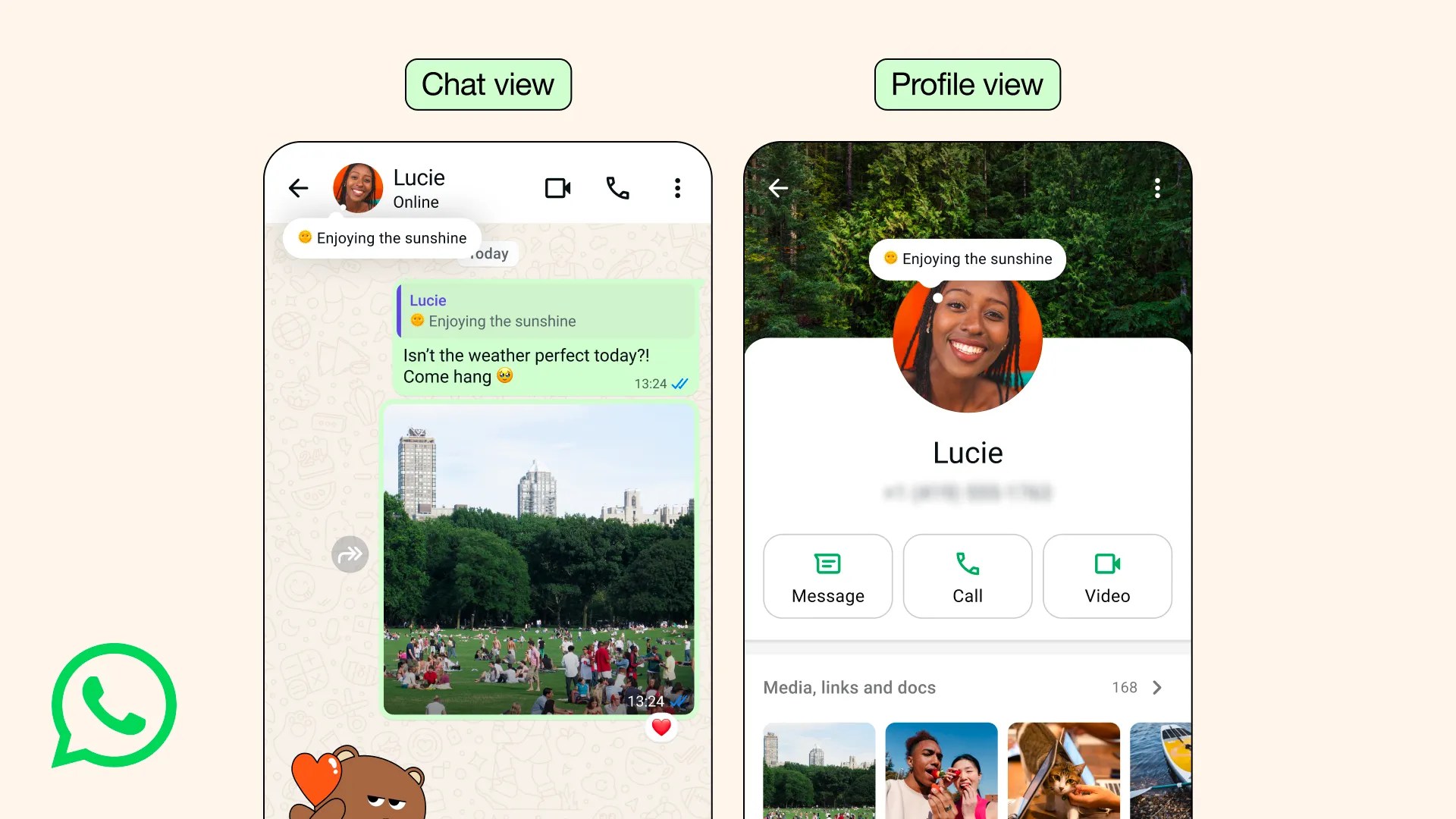
WhatsApp, the ubiquitous messaging platform owned by Meta Platforms, is rolling out an updated version of its "About" status feature, which bears a striking resemblance to the ephemeral "Notes" function popular on its sister application, Instagram. This development, commencing for mobile users this week, marks a significant strategic move, reintroducing a concept that predates WhatsApp’s global dominance as a secure messaging service, now infused with the contemporary flair of transient digital communication.
A Nod to the Past: WhatsApp’s Foundational Feature
The introduction of this revamped "About" status is not merely a novel addition but a conscious revival of WhatsApp’s earliest functionality. Before its transformation into the encrypted messaging powerhouse it is today, WhatsApp’s initial iteration in 2009 was conceived by founders Jan Koum and Brian Acton as a utility for displaying simple status updates next to users’ names. Imagine a world where your phone’s address book could tell you instantly if a contact was "available," "busy," or "at the gym." This was the core premise, designed to provide a quick, glanceable context to one’s contacts.
However, the burgeoning demand for free, reliable, cross-platform messaging quickly eclipsed this original vision. Users, frustrated by SMS limitations and costs, rapidly adopted WhatsApp for its seamless ability to send messages, photos, and videos across different mobile operating systems. The "status" evolved into a static profile description, often overlooked, as the app’s focus shifted almost entirely to its core messaging capabilities. The platform’s commitment to end-to-end encryption, implemented in 2014 and completed in 2016, further solidified its reputation as a privacy-focused communication tool, diverging significantly from the public-sharing ethos of other social media platforms. The irony is not lost on observers: a feature that was once the very bedrock of the application, sidelined by its own success, is now making a triumphant return, albeit in a highly modernized form.
The Evolution of Ephemeral Content
The resurgence of WhatsApp’s "About" status comes amidst a decade-long trend towards ephemeral content that has reshaped digital communication. This phenomenon can largely be attributed to the pioneering success of Snapchat, which popularized the concept of photos and videos disappearing after a single view or a short period. This novelty offered a refreshing alternative to the curated, permanent feeds of traditional social networks like Facebook and Instagram, fostering a sense of authenticity and reducing the pressure of perpetual online presence.
Meta, recognizing the immense appeal of this format, strategically integrated "Stories" into Instagram in 2016, followed by Facebook and WhatsApp. Instagram Stories quickly became a dominant force, allowing users to share daily snippets of their lives without cluttering their main profiles. Building on this, Instagram introduced "Notes" in late 2022, a feature allowing users to post short, text-based updates that appear at the top of their direct message inbox and disappear after 24 hours. Notes offered a more casual, text-centric form of ephemeral sharing, often used for quick thoughts, mood updates, or conversation starters, distinct from the visual emphasis of Stories.
WhatsApp’s move to reintroduce its "About" status in a similar ephemeral, interactive fashion signals a clear intent to align its offerings with these proven engagement models. It represents an acknowledgment that while secure, private messaging remains paramount, there is also a significant user appetite for more informal, temporary expressions of self within the trusted circle of their contacts.
Unpacking the Reimagined "About" Status
The newly revitalized "About" status on WhatsApp allows users to post concise text updates, akin to Instagram Notes. These updates serve multiple purposes: informing contacts about current activities, sharing significant life events, sparking conversations, or simply indicating unavailability for a chat. For instance, a user might post "Headed to the gym," "Listening to new album, send recommendations!", or "Busy with work, back online later."
Crucially, the visibility of these updates has been significantly enhanced compared to the static "About" descriptions of yesteryear. The ephemeral "About" status will now prominently appear at the top of one-on-one chat windows and within users’ profiles. This elevated placement ensures that contacts are more likely to see and interact with these updates. A key interactive element is the ability for users to directly tap on a contact’s "About" status within a chat to send a reply, fostering immediate engagement and turning passive information into active conversation prompts.
Mirroring the design philosophy of Instagram Notes, these WhatsApp status updates are set to disappear by default after 24 hours. However, the platform offers flexibility, allowing users to adjust this timer for shorter or longer durations based on their preference. Furthermore, privacy remains a cornerstone of WhatsApp’s offering; users retain granular control over who can view their "About" status, with options to restrict visibility to "My Contacts" or make it more broadly accessible to specific groups, ensuring that personal sharing remains within desired boundaries.
While the current iteration of WhatsApp’s "About" status is primarily text-focused, distinguishing it from Instagram Notes’ more robust multimedia capabilities, which include short, looping videos and music sharing integrations, the potential for future expansion is evident. If the feature garners widespread adoption, it is plausible that WhatsApp will introduce similar multimedia enhancements, further enriching the ephemeral sharing experience. The phased rollout, starting this week on mobile devices, indicates a careful approach to integrating this feature into the vast user base.
Strategic Alignment within the Meta Ecosystem
This reintroduction of an ephemeral status feature on WhatsApp is a clear manifestation of Meta’s overarching strategy to create a cohesive, interconnected ecosystem across its family of applications. By replicating successful features from one platform onto another, Meta aims to leverage network effects, enhance user retention, and provide a consistent user experience regardless of which Meta app they are using. The goal is to ensure that users find familiar functionalities across Instagram, Facebook, and WhatsApp, reducing the learning curve and encouraging cross-platform engagement.
From a competitive standpoint, this move allows WhatsApp to remain relevant and competitive in a dynamic digital landscape. While WhatsApp dominates the private messaging space in many regions, other platforms like Telegram, Signal, and various regional messaging apps constantly innovate. By integrating features that appeal to contemporary communication habits, Meta ensures WhatsApp continues to offer a comprehensive suite of tools, catering to diverse user needs—from secure one-on-one communication to casual, ephemeral group updates.
The analytical commentary surrounding this strategy often highlights Meta’s "copy-cat" approach, where successful features from competitors (like Snapchat Stories) are quickly integrated into Meta’s own platforms. However, it’s also a testament to Meta’s ability to adapt and evolve, providing users with the functionalities they desire within their preferred communication channels. For WhatsApp, this means expanding beyond its core messaging utility to embrace a more holistic communication experience, without compromising its fundamental commitment to privacy and security.
Market Dynamics and User Engagement
The potential market and social impact of WhatsApp’s revitalized "About" status are substantial. With over two billion users worldwide, any significant feature update on WhatsApp has the potential to alter digital communication habits on a massive scale.
Increased Engagement and "Ambient Awareness": The enhanced visibility and interactive nature of the new status updates are likely to foster increased engagement. Users might check their contacts’ statuses more frequently, leading to more spontaneous conversations and a greater sense of connection. This creates "ambient awareness," where users have a passive understanding of what their contacts are doing, even without direct interaction, mimicking the original intent of WhatsApp’s first feature.
Shifting Communication Norms: The feature could encourage a more casual and spontaneous form of sharing on WhatsApp. While long-form updates might remain on other social media platforms, WhatsApp could become the go-to for quick, in-the-moment updates shared with a more intimate circle of contacts. This could subtly shift how people perceive and utilize the app, moving it slightly beyond pure direct messaging towards a more integrated social utility.
Privacy and Control: WhatsApp’s strong reputation for privacy, particularly its end-to-end encryption for messages, is a crucial differentiator. The configurable privacy settings for the "About" status—allowing users to choose their audience—are essential for maintaining user trust. This ensures that the ephemeral sharing feature aligns with the platform’s core values, allowing users to control the reach of their temporary expressions.
Business Applications: While primarily designed for individual users, there’s potential for businesses utilizing WhatsApp Business accounts to leverage this feature. Companies could post quick, ephemeral updates about flash sales, temporary service changes, or immediate announcements, offering a new direct-to-customer communication channel that feels less intrusive than traditional marketing messages.
The Paradox of Reintroduction: The reintroduction of a feature that was once sidelined speaks volumes about the cyclical nature of technology and user preferences. What was perhaps ahead of its time in 2009—a simple status update utility—has now found its perfect moment in an era dominated by transient, authentic, and direct digital interactions. This move by WhatsApp is not just about adding a new tool; it’s about re-contextualizing an old idea for a new generation of digital natives, blending nostalgic functionality with modern user expectations.
The Future of Conversational Status Updates
As WhatsApp deploys its reimagined "About" status, the tech world will keenly observe user adoption and the evolution of this feature. The success of Instagram Notes demonstrates a clear appetite for lightweight, text-based ephemeral content that acts as a social lubricant, facilitating quick interactions without the pressure of a perfectly crafted post. By bringing a similar capability to WhatsApp, Meta aims to further entrench the platform in users’ daily digital routines.
The journey of WhatsApp, from a niche status-sharing app to a global messaging giant, and now back to embracing its origins with a modern twist, reflects a continuous adaptation to the ever-shifting landscape of digital communication. This new feature is more than just an update; it’s a testament to the enduring power of simple, timely communication and a strategic reinforcement of WhatsApp’s position at the heart of billions of conversations worldwide.