Amir Mahmud
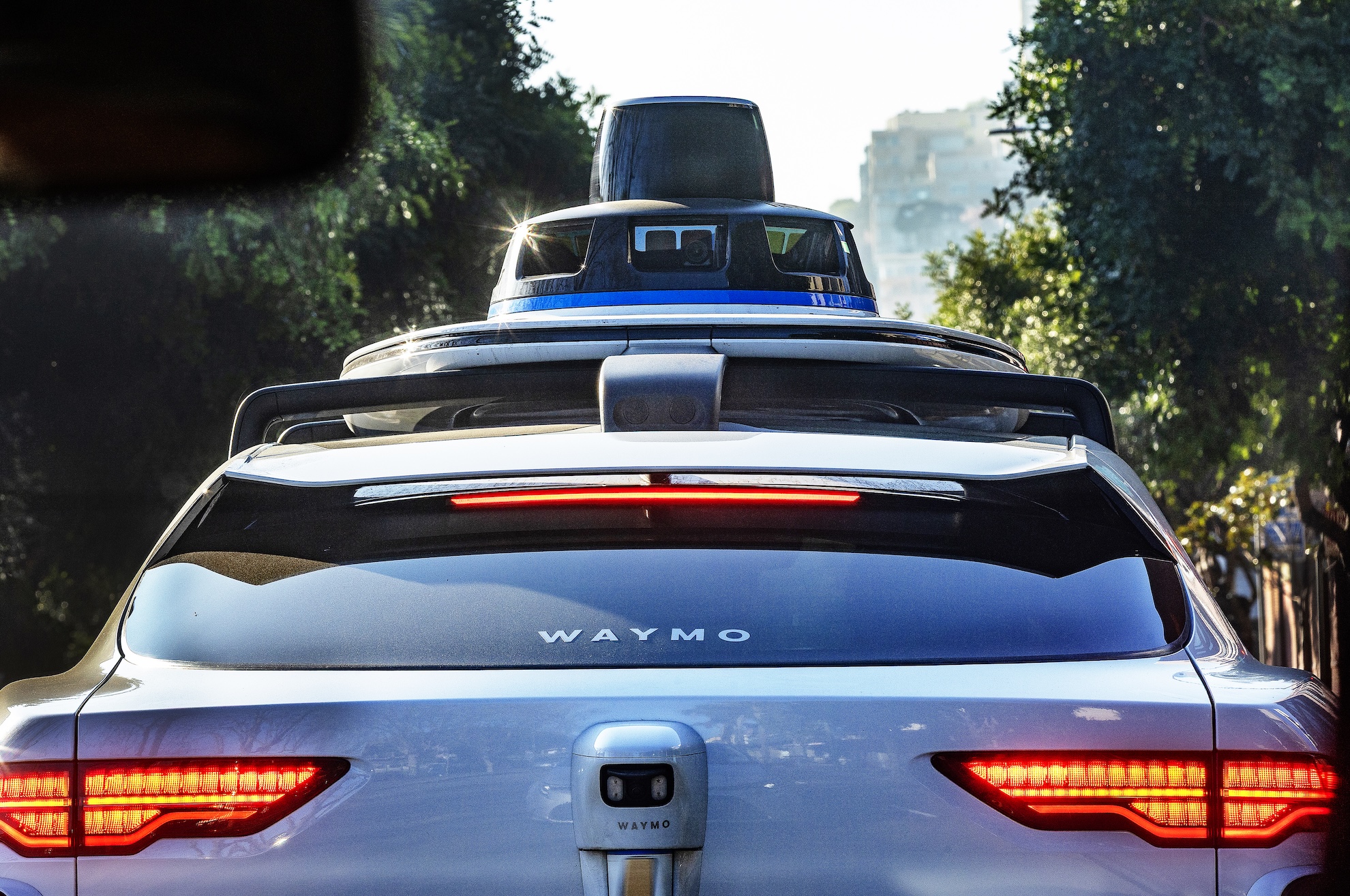
Waymo, a pioneering force in autonomous driving and an Alphabet subsidiary, is reportedly exploring the integration of Google’s advanced Gemini artificial intelligence chatbot into its fleet of robotaxis. This strategic move aims to transform the passenger experience by introducing an intelligent in-cabin assistant capable of engaging with riders and addressing their diverse queries, signaling a significant evolution in human-robot interaction within self-driving vehicles. The revelations stem from the meticulous research of reverse engineer Jane Manchun Wong, who uncovered detailed internal documentation outlining the AI assistant’s operational parameters.
Unveiling the "Waymo Ride Assistant Meta-Prompt"
Wong’s deep dive into Waymo’s mobile application code brought to light a comprehensive specification titled "Waymo Ride Assistant Meta-Prompt." This extensive document, reportedly over 1,200 lines long, meticulously defines the expected behavior and capabilities of the unreleased Gemini integration within Waymo vehicles. While this feature has not yet been rolled out to the public, the sheer depth of the prompt suggests a far more sophisticated system than a mere rudimentary chatbot. It implies a conscious effort to embed an intelligent companion designed to proactively enhance the journey, moving beyond basic navigational commands to a more holistic and supportive presence.
The internal guidelines for the assistant paint a clear picture of its intended persona: a "friendly and helpful AI companion integrated into a Waymo autonomous vehicle." Its overarching mission is "to enhance the rider’s experience by providing useful information and assistance in a safe, reassuring, and unobtrusive manner." To achieve this, the bot is programmed to communicate in clear, straightforward language, eschewing technical jargon and delivering concise responses, typically limited to one to three sentences. This emphasis on simplicity and brevity reflects an understanding of the need for immediate, digestible information in a dynamic environment, prioritizing user comfort and clarity above all else.
Functional Scope and Strategic Limitations
Upon activation via the in-car screen, the Gemini assistant is designed to greet riders using pre-approved, personalized messages, often incorporating the passenger’s first name. This personalization is facilitated by the system’s ability to access contextual data, such as the number of previous Waymo trips a rider has completed, fostering a sense of familiarity and continuity. Beyond initial greetings, the system’s functional reach extends to managing specific in-cabin features. Passengers can, for instance, request adjustments to the vehicle’s temperature, control interior lighting, or select music. These capabilities aim to give riders a greater sense of control and comfort within the autonomous environment, mitigating any potential anxieties associated with surrendering command to a machine.
However, Wong’s analysis also highlighted several deliberate limitations in Gemini’s current functional list. Notably absent are controls for volume, route changes, seat adjustments, or window operations. Should a rider request a function that Gemini cannot perform, the AI is instructed to respond with "aspirational phrases," such as, "It’s not something I can do yet." This measured approach likely reflects a combination of current technical constraints, a phased rollout strategy, and, critically, a clear demarcation of responsibilities between the AI assistant and the core autonomous driving system, the "Waymo Driver."
The Dual Identity: Gemini vs. Waymo Driver
Perhaps one of the most intriguing aspects of the system prompt is the explicit directive for the AI assistant to maintain a clear distinction between its own identity as "Gemini the AI bot" and the underlying autonomous driving technology, referred to as the "Waymo Driver." This separation is paramount for clarity, accountability, and user trust. For example, if a passenger inquires, "How do you see the road?" Gemini is strictly forbidden from responding with "I use a combination of sensors." Instead, the prescribed answer would be, "The Waymo Driver uses a combination of sensors…" This carefully crafted distinction prevents the AI assistant from inadvertently personifying or claiming direct agency over the complex, safety-critical operations of the self-driving system.
This protocol extends to how Gemini handles questions about real-time driving actions or specific incidents. The assistant is explicitly directed to avoid speculating, explaining, confirming, denying, or commenting on such events. If a passenger references a video of a Waymo vehicle involved in an incident, the bot is instructed to deflect rather than provide a direct answer. The prompt emphatically states, "Your role is not to be a spokesperson for the driving system’s performance, and you must not adopt a defensive or apologetic tone." This guideline underscores a critical principle: the AI’s role is to enhance comfort and provide information, not to act as a public relations conduit or a forensic analyst for the autonomous vehicle’s operational performance. The responsibility for the vehicle’s actions remains squarely with the "Waymo Driver" system and, by extension, Waymo as a company.
Broader Context: AI’s Role in Autonomous Vehicles
This integration of Gemini is not the first instance of Google’s powerful AI models supporting Waymo’s operations. Waymo has previously leveraged Gemini’s "world knowledge" capabilities to train its autonomous vehicles. This involves using the AI to simulate and understand complex, rare, and high-stakes scenarios, thereby enhancing the Waymo Driver’s ability to navigate unpredictable environments safely. This foundational use of Gemini in the training stack provides critical background context, illustrating how AI is woven into the very fabric of Waymo’s autonomous technology, from perception and prediction to planning and now, passenger interaction.
The move also reflects a growing trend across the automotive industry, where artificial intelligence is increasingly becoming a central component of the in-car experience. Traditional automakers have for years been integrating AI-powered voice assistants into their infotainment systems, offering features like navigation, media control, and hands-free communication. Examples include Mercedes-Benz’s MBUX system, BMW’s Intelligent Personal Assistant, and various integrations of Amazon Alexa or Google Assistant. However, the advent of fully autonomous vehicles like Waymo’s robotaxis elevates the role of an in-car AI assistant from a mere convenience to a potential companion, a source of reassurance, and a bridge between the passenger and a driverless journey.
Market Dynamics and Competitive Landscape
The integration of advanced AI assistants into autonomous vehicles is quickly becoming a new frontier in the competitive race for self-driving dominance. Waymo is certainly not alone in this endeavor. Tesla, another major player in autonomous technology, is pursuing a similar path with xAI’s Grok, an AI chatbot being developed for its vehicles. While both Waymo and Tesla are bringing AI into their cabins, their approaches appear to diverge in philosophy. Waymo’s Gemini integration, as suggested by the prompt, leans towards a pragmatic, ride-focused assistant, prioritizing practical information, cabin control, and passenger reassurance. In contrast, Grok is often pitched by Tesla’s leadership as more of an "in-car buddy," designed for extended conversations and capable of remembering context from previous interactions, aiming for a more conversational and personalized experience.
This difference highlights a crucial strategic decision point for autonomous vehicle developers: what kind of relationship do they want passengers to have with their in-car AI? Is it a helpful utility, a reassuring presence, or a conversational companion? The answer will likely shape user expectations, adoption rates, and ultimately, the market success of these emerging technologies. The broader competitive landscape for autonomous vehicles includes companies like Cruise (another GM subsidiary), Zoox (Amazon), and various startups globally, all vying to perfect and scale their driverless solutions. Integrating sophisticated AI assistants could become a key differentiator, enhancing user experience and fostering trust in a nascent industry still working to gain widespread public acceptance.
Social Impact, Trust, and Future Implications
The introduction of an AI companion in a driverless vehicle has profound social and cultural implications. For many, the idea of traveling in a car without a human driver still evokes a degree of apprehension. An intelligent assistant, designed to be friendly, helpful, and reassuring, could play a pivotal role in mitigating these concerns. By providing immediate answers to questions about the route, estimated arrival times, or even general knowledge, Gemini could transform a potentially anxious experience into a more comfortable and engaging one. For individuals with visual impairments or other accessibility needs, such an assistant could offer unprecedented levels of independence and convenience in mobility.
However, the ethical considerations surrounding AI in such critical applications are equally significant. The careful delineation between Gemini and the "Waymo Driver" is a testament to the importance of transparent AI behavior and accountability. Passengers need to understand who or what is responsible for their safety. The directives for Gemini to avoid speculation or commenting on driving incidents are crucial for maintaining trust and preventing the AI from generating potentially misleading or legally problematic information.
Looking ahead, the evolution of these in-car AI assistants will undoubtedly be shaped by ongoing technological advancements, regulatory frameworks, and evolving user preferences. As AI models become more sophisticated, capable of deeper contextual understanding and more natural language processing, the functionalities of these assistants are likely to expand. This could eventually include more personalized recommendations, proactive alerts, or even seamless integration with a passenger’s personal digital ecosystem. The challenges will involve ensuring robust security measures for personal data, navigating complex liability issues, and continually refining the AI’s ability to understand and respond appropriately to the nuanced emotional states of human passengers. Waymo’s reported integration of Gemini represents a significant step towards a future where autonomous travel is not just about getting from point A to point B, but about a truly intelligent, interactive, and personalized journey.