Amir Mahmud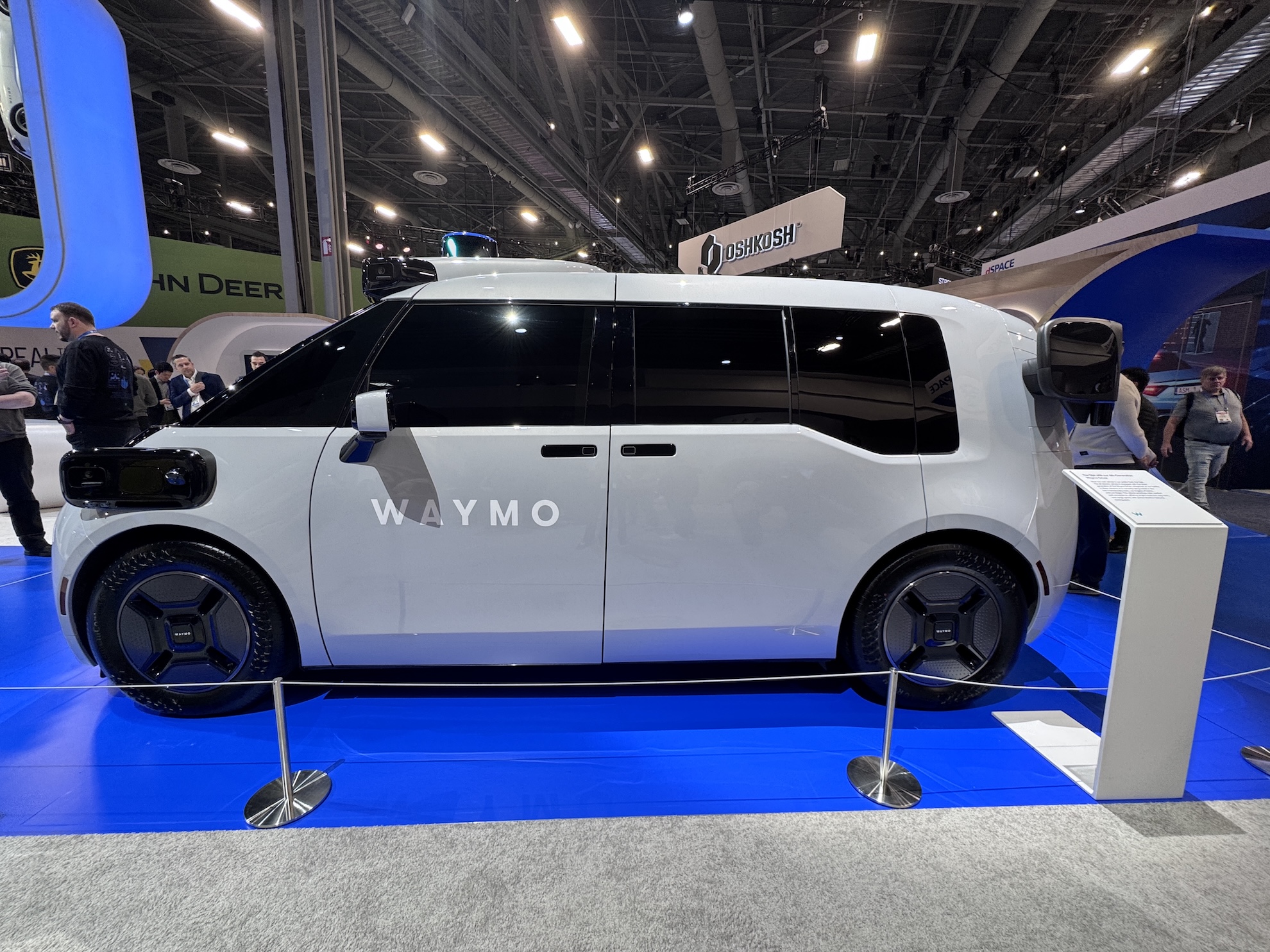
After three years of intensive development and rigorous testing, Waymo, a leader in autonomous driving technology, is introducing a new identity for its purpose-built robotaxi, formerly known by its manufacturing partner’s brand. The vehicle, designed and constructed in collaboration with Chinese automotive giant Zeekr, will now be known as the "Ojai," a name evoking California’s serene Topatopa Mountains and a strategic pivot in Waymo’s commercialization efforts. This rebranding comes as the autonomous vehicle prepares for its imminent public debut, marking a significant milestone in Waymo’s aggressive expansion strategy across North America and potentially beyond.
A New Identity for Waymo’s Autonomous Fleet
The decision to rename the robotaxi, originally referred to as the Zeekr RT, reflects a calculated move to enhance brand recognition and public appeal within the U.S. market. Waymo’s official explanation centers on the American public’s general unfamiliarity with the Zeekr brand, a subsidiary of Geely Holding Group. By adopting "Ojai" – pronounced "oh-hi" – Waymo aims to forge a more direct and relatable connection with its future riders. The new name draws inspiration from the picturesque village of Ojai, California, renowned for its vibrant arts community, commitment to wellness, and tranquil environment. This deliberate choice of nomenclature could subtly align the autonomous service with notions of calm, sophisticated, and user-friendly transportation.
Beyond mere recognition, the rebranding also carries cultural and strategic undertones. In an increasingly competitive and geopolitically sensitive global market, adopting a distinctly American-sounding name for a service operating primarily in the U.S. could mitigate any potential hesitations consumers might have regarding a vehicle bearing a foreign brand name, particularly one from a Chinese manufacturer. This strategic distancing from the original brand identity is not uncommon in international collaborations, where localized branding can significantly impact consumer perception and market penetration. Adding a whimsical touch, Waymo plans for the Ojai robotaxis to greet passengers with an "Oh hi" and their name, a personalized welcome designed to humanize the autonomous experience and further reinforce the new brand identity.
The Genesis of a Partnership: Waymo and Zeekr
Waymo’s journey to developing a purpose-built autonomous vehicle is rooted in a long history of innovation in self-driving technology. Originating as the Google self-driving car project in 2009, Waymo spun off into a standalone company under Alphabet Inc. in 2016, dedicated to advancing autonomous mobility. For years, Waymo’s fleet primarily consisted of retrofitted production vehicles, such as Chrysler Pacifica minivans and Jaguar I-Pace electric SUVs, equipped with Waymo’s sophisticated sensor suite and AI software. While effective for development and initial deployments, these adaptations presented limitations in optimizing the passenger experience and maximizing the unique advantages of autonomous operation.
Recognizing the need for a vehicle engineered from the ground up for autonomous ride-hailing, Waymo forged a significant partnership with Zeekr in December 2021. Zeekr, a premium electric vehicle brand under China’s Geely Holding Group, was a natural fit. Geely is a global automotive powerhouse, owning brands like Volvo, Polestar, Lotus, and LEVC (London Electric Vehicle Company), demonstrating extensive experience in vehicle design, engineering, and manufacturing. The collaboration with Zeekr was specifically aimed at developing an all-electric, purpose-built autonomous vehicle tailored for Waymo’s ride-hailing service in the United States.
The initial concept for this partnership was publicly showcased at a high-profile event in Los Angeles in 2022. The prototype leveraged Zeekr’s advanced Sustainable Experience Architecture (SEA-M) platform, an adaptable electric vehicle architecture explicitly designed to support future mobility products, including robotaxis and logistics vehicles. This platform’s modularity and inherent electrification made it an ideal foundation for Waymo’s vision, allowing for a vehicle design optimized for passenger comfort, safety, and the seamless integration of autonomous hardware and software. A notable aspect of the early prototype was its forward-thinking design, which notably omitted a steering wheel, signaling a complete reliance on autonomous driving capabilities. However, the iteration displayed at CES 2026, the vehicle now known as the Ojai, incorporates a steering wheel, a pragmatic design choice that likely addresses regulatory requirements, offers a fallback for certain operational scenarios, or caters to evolving consumer comfort levels.
Engineering for Autonomy: The ‘Ojai’ Vehicle’s Features
The Zeekr RT, now the Ojai, has undergone extensive refinement and rigorous testing across various urban environments, including the challenging streets of San Francisco and the sprawling expanses of Phoenix. This iterative development process has been crucial in perfecting both the vehicle’s hardware integration and its operational performance. Waymo’s autonomous technology stack is comprehensive, and the Ojai is engineered to house it seamlessly.
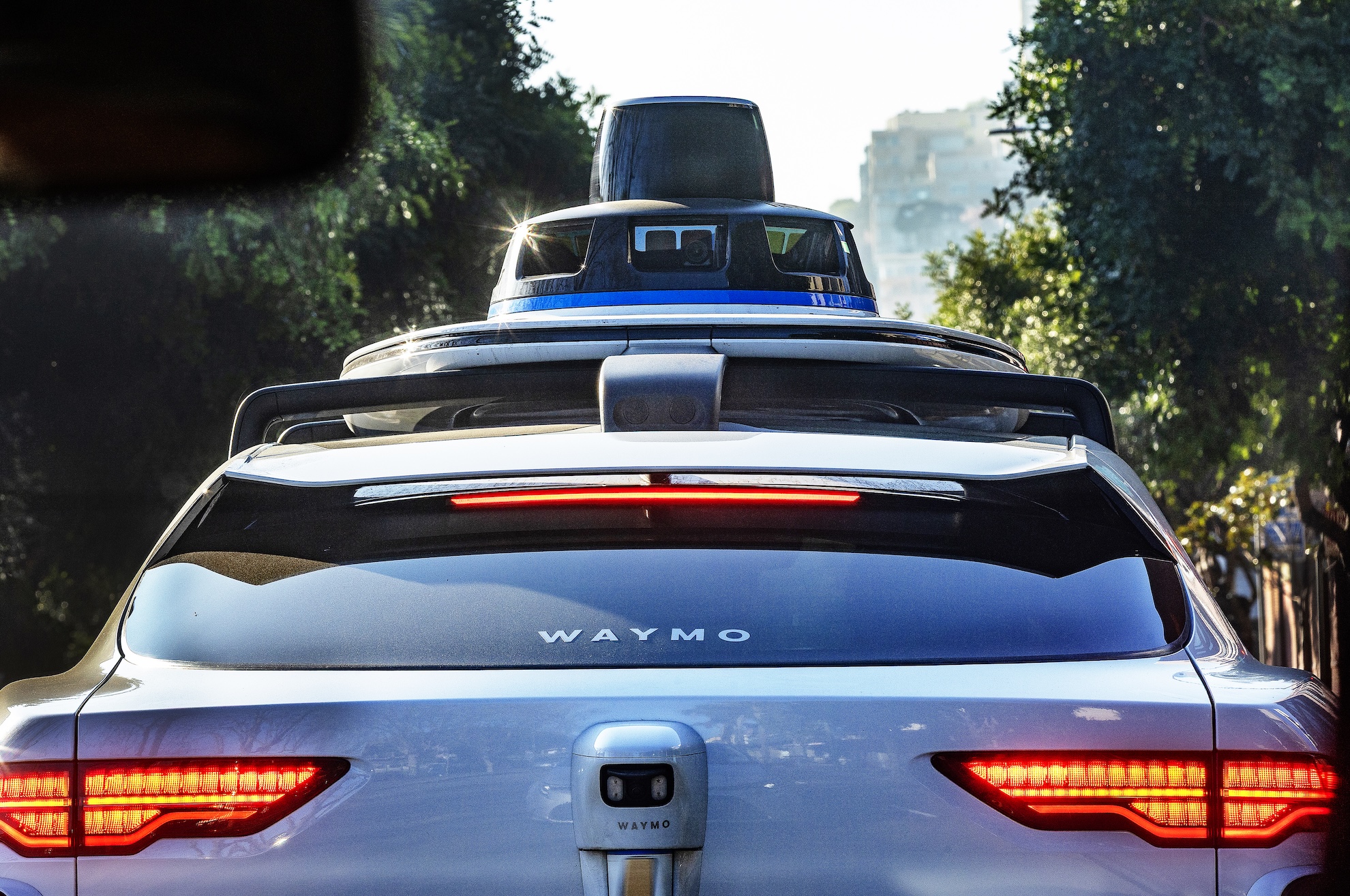
At its core, the Ojai integrates a robust sensor suite vital for safe and reliable autonomous operation. This includes an array of 13 high-resolution cameras providing 360-degree visual perception, four advanced lidar units offering precise 3D mapping and object detection, and six radar sensors for all-weather, long-range sensing capabilities. Additionally, the vehicle features an array of external audio receivers, designed to detect and localize emergency vehicle sirens and other critical sounds, further enhancing situational awareness. A unique, albeit subtle, engineering detail highlighted during previous showcases, such as CES 2025, includes the presence of exceptionally tiny sensor wipers, crucial for maintaining clear vision for the vehicle’s "eyes" and "ears" in adverse weather conditions. While the sensor hardware suite remains consistent with earlier iterations, Waymo has applied subtle aesthetic tweaks, including a shift in paint color from a bluish tint to a more neutral silver, reflecting a desire for a sleek, contemporary appearance that aligns with its high-tech service.
The design philosophy behind the Ojai extends beyond its sensor suite. As a purpose-built robotaxi, it offers a spacious, passenger-centric interior. Unlike retrofitted vehicles, every aspect of the Ojai’s cabin can be optimized for the autonomous ride-hailing experience, from seating configurations to infotainment systems and accessibility features. This focus on user experience is critical for Waymo as it aims to establish its service as a premium, reliable, and comfortable alternative to traditional transportation methods.
Navigating Public Perception and Market Expansion
The introduction of the Ojai comes at a pivotal moment for Waymo, as the company embarks on a rapid and ambitious expansion phase. Currently, Waymo operates commercial robotaxi services in several key U.S. cities, including Atlanta, Austin, Los Angeles, Phoenix, and San Francisco. The availability of the Ojai to Waymo employees, their families, and friends in San Francisco and Phoenix represents a critical penultimate step before opening the service to the wider public. This internal pilot phase allows Waymo to gather real-world feedback on the vehicle’s performance, passenger experience, and operational efficiency in a controlled environment, ironing out any remaining kinks before a full commercial rollout.
Waymo’s future plans are even more expansive, with intentions to launch in a dozen additional cities over the next year. This aggressive growth trajectory includes major U.S. metropolitan areas like Denver and Las Vegas, alongside a bold move into the international market with a planned launch in London. Such rapid expansion underscores Waymo’s confidence in its technology and its readiness to scale its operations significantly. However, scaling autonomous vehicle services is fraught with challenges, including navigating diverse regulatory landscapes, securing operational permits, building charging and maintenance infrastructure, and, crucially, earning public trust.
The social and cultural impact of autonomous vehicles, particularly robotaxis, is profound. They promise to revolutionize urban mobility, offering potential benefits such as reduced traffic congestion, fewer accidents caused by human error, and increased accessibility for individuals unable to drive. Yet, public acceptance remains a significant hurdle. Concerns about safety, job displacement in the transportation sector, and the ethical implications of AI decision-making are prevalent. Waymo’s careful branding, epitomized by the Ojai, attempts to address some of these concerns by presenting a friendly, approachable, and reliable service. The choice of "Ojai," with its associations of wellness and tranquility, could be a subtle attempt to convey a sense of calm and safety to prospective passengers, positioning the robotaxi as a serene haven amidst the hustle of city life.
The Broader Landscape of Autonomous Mobility
The autonomous vehicle industry is a fiercely competitive arena, with multiple players vying for market dominance. Waymo competes with other prominent companies like Cruise (General Motors’ autonomous driving subsidiary), Zoox (an Amazon company), and Tesla with its Full Self-Driving (FSD) beta program. Each company employs different strategies, from Waymo and Cruise’s focus on fully autonomous robotaxi services in geofenced areas to Tesla’s approach of selling driver-assist features to consumers with the promise of future full autonomy. The race to achieve widespread, safe, and commercially viable autonomous driving is a marathon, not a sprint, marked by technological breakthroughs, regulatory hurdles, and occasional setbacks.
Regulatory frameworks for autonomous vehicles are still evolving globally. While some jurisdictions have embraced testing and limited deployments, others remain cautious, requiring extensive safety validations and operational oversight. Waymo’s expansion into new cities, particularly internationally like London, will necessitate navigating these varied legal and regulatory environments, often requiring tailored approaches and significant investments in local infrastructure and partnerships.
Looking Ahead: The Future of Waymo’s Ojai
The rebranding of the Zeekr robotaxi to Ojai signifies more than just a name change; it represents a strategic evolution in Waymo’s approach to market entry and consumer engagement. As the company moves from intensive research and development to full-scale commercial deployment, branding, public perception, and user experience become paramount. The Ojai, with its purpose-built design, advanced sensor suite, and thoughtfully chosen name, embodies Waymo’s aspirations for a future where autonomous ride-hailing is a seamless, safe, and integral part of urban transportation.
The coming year will be critical for Waymo as it pushes into new markets and strives to scale its operations. The success of the Ojai and Waymo’s broader expansion plans will not only shape the company’s trajectory but also significantly influence the public’s perception and adoption of autonomous vehicle technology worldwide. The journey from a Google research project to a global robotaxi service is complex, but with the Ojai, Waymo is clearly signaling its intent to lead the charge into the autonomous future.