Amir Mahmud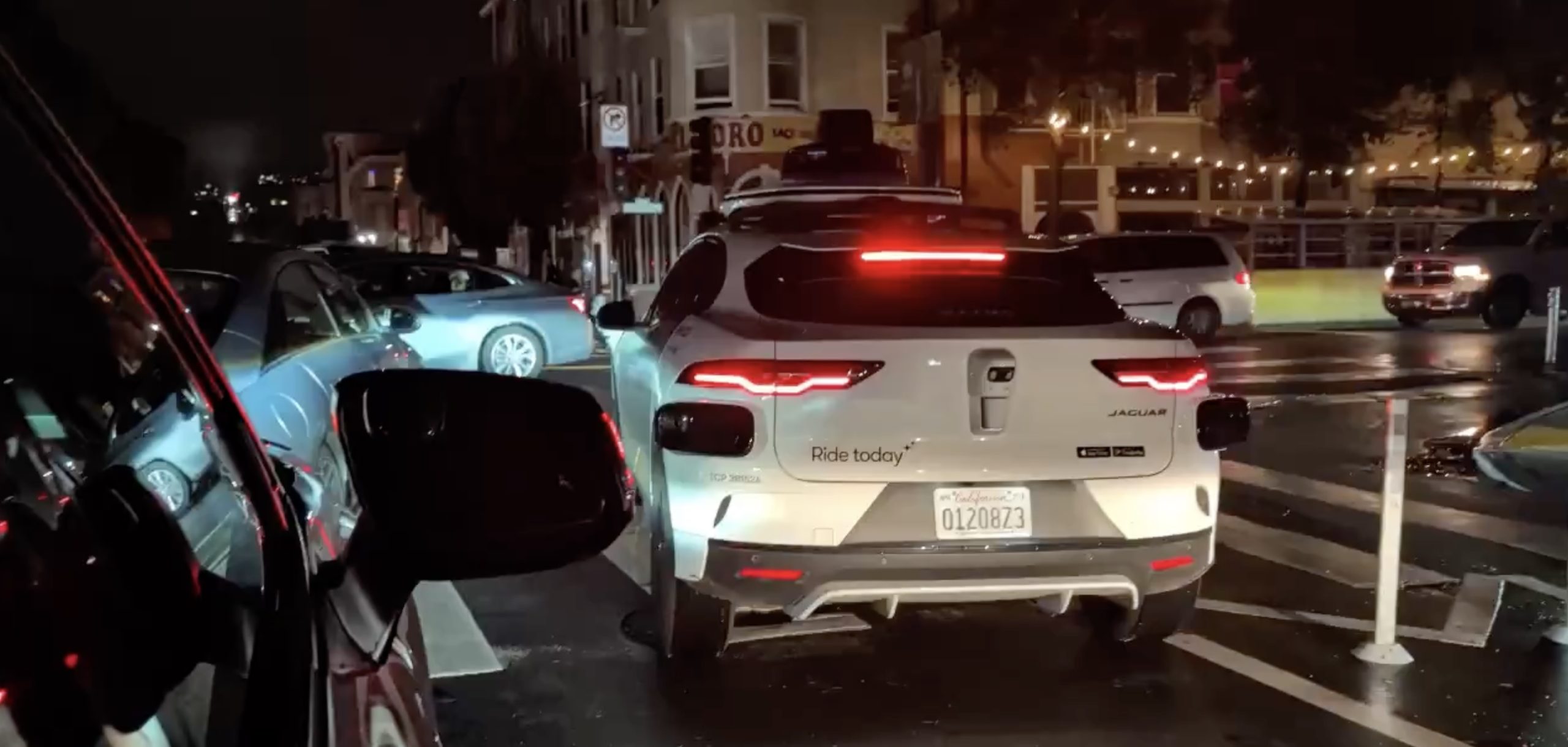
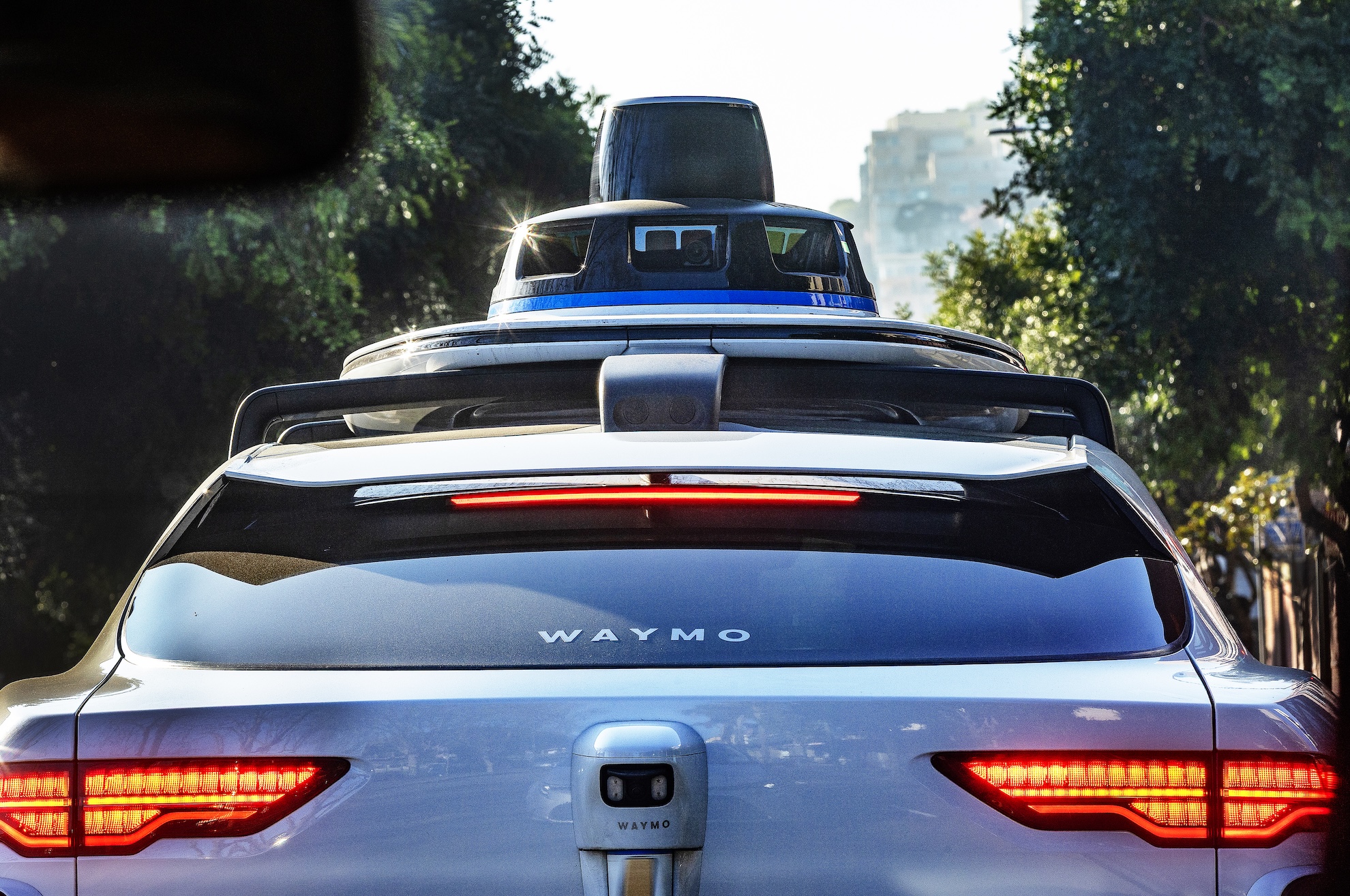
On Saturday evening, December 21, 2025, San Francisco’s technologically advanced urban landscape faced an unexpected challenge when a widespread power outage plunged large sections of the city into darkness, leading to the immediate suspension of Waymo’s autonomous ride-hailing services. The incident left numerous Waymo robotaxis immobilized on city streets and at intersections, creating a striking visual of the vulnerabilities inherent in highly automated systems when confronted with fundamental infrastructure failures. As human drivers navigated the darkened thoroughfares, often swerving around the stationary self-driving vehicles, the event underscored a critical debate surrounding the readiness and resilience of autonomous technology for mass urban deployment.
Initial Disruption and Public Reaction
The chaos began as darkness descended across San Francisco, not just with the setting sun, but with an abrupt loss of electricity. Almost immediately, social media platforms became inundated with images and videos depicting Waymo’s distinctive white and orange vehicles frozen in place. These scenes captured robotaxis stranded mid-block, blocking lanes, or congregating at intersections where traffic lights had ceased to function. The digital snapshots quickly went viral, fueling a mix of public frustration, amusement, and concern. Many posts highlighted the stark contrast between the stalled autonomous vehicles and the human-driven cars, which, despite the difficult conditions, continued to find their way. The disruption was significant enough that San Francisco Mayor Daniel Lurie issued a public advisory, urging residents to avoid non-essential travel and stay off the roads, emphasizing the severe impact on both traffic signals and the city’s Muni mass transit system. This public warning painted a vivid picture of a city grappling with an unforeseen systemic breakdown, made more complex by the presence of a new class of immobile participants in its transportation network.
Waymo’s Response and Technical Speculation
In the immediate aftermath, Waymo, the autonomous driving subsidiary of Alphabet, confirmed the suspension of its services. A spokesperson, Suzanne Philion, stated that ride-hailing operations in the San Francisco Bay Area had been temporarily halted "due to the widespread power outage." Philion added that Waymo teams were "working diligently and in close coordination with city officials to monitor infrastructure stability," expressing hope for a swift return to service. While the company’s official statements remained concise, the incident spurred considerable speculation within the tech community and among the general public regarding the exact technical reasons behind the vehicles’ widespread stalling.
One leading theory posited that the primary culprit was the failure of traffic lights. Autonomous vehicles are programmed to operate within a highly structured environment, relying heavily on clear, predictable signals and road markings. When traffic lights go dark, standard protocols for human drivers often involve treating the intersection as a four-way stop. However, for an autonomous system, the absence of explicit signals can trigger a safety-first response, leading the vehicle to cease movement rather than attempt to navigate an ambiguous and potentially dangerous situation. The complexity of interpreting human gestures or anticipating irregular patterns in a chaotic, unlit intersection may exceed current AV capabilities, prompting a system-wide halt.
Beyond traffic signals, experts also theorized about the potential disruption of vital communication and data links. Modern autonomous vehicles, including Waymo’s fleet, are not entirely self-contained; they often rely on robust external infrastructure for various functions. This includes cellular service for transmitting telemetry data, receiving over-the-air software updates, communicating with remote human operators for assistance in complex scenarios, and accessing real-time traffic information and high-definition map updates from cloud servers. A widespread power outage, particularly one impacting cellular towers or data centers, could sever these critical lifelines, rendering the vehicles unable to communicate, navigate, or even process their surroundings effectively. The intricate web of sensors, processors, and communication modules that constitute a robotaxi’s "brain" is heavily dependent on a stable and interconnected digital environment, which a major power failure can easily compromise.
The Blackout’s Genesis and Scope
The massive power outage that crippled parts of San Francisco was attributed to a fire at a Pacific Gas & Electric (PG&E) substation within the city limits. This infrastructure failure swiftly plunged approximately 120,000 PG&E customers into darkness. While PG&E crews worked around the clock, power restoration efforts were gradual. By late Saturday, many areas had their electricity restored, but a significant number, reportedly around 35,000 customers, remained without power well into Sunday morning. The incident highlighted the inherent fragility of urban power grids and the cascading effects a single point of failure can have on a city’s essential services and nascent technological innovations. Such events underscore the ongoing challenges faced by utility providers in maintaining robust infrastructure against unforeseen events, especially in dense urban environments that are increasingly reliant on uninterrupted power for both daily life and emerging technologies.
Autonomous Vehicles in San Francisco: A Contentious Journey
San Francisco has emerged as a crucial, albeit often contentious, proving ground for autonomous vehicle technology. The city’s diverse and complex urban environment, characterized by its challenging hills, narrow streets, dense pedestrian traffic, and unique microclimates, presents an unparalleled testbed for self-driving systems. Waymo, which originated from Google’s pioneering self-driving car project in 2009, began its commercial operations in the city after years of rigorous testing and regulatory navigation. The company’s journey in San Francisco has been marked by a phased approach, starting with limited employee testing before gradually expanding to public ride-hailing services.
The regulatory framework for autonomous vehicles in California is overseen by agencies like the California Department of Motor Vehicles (DMV) and the California Public Utilities Commission (CPUC). These bodies have incrementally granted permits, allowing companies like Waymo to advance from testing with safety drivers to fully driverless operations and, eventually, to charge for rides. This progression has not been without its critics. Public reception in San Francisco has been notably polarized, with proponents hailing the technology as a solution for congestion, pollution, and improved safety, while detractors frequently cite concerns over safety incidents, traffic disruptions, and the perceived lack of accountability when autonomous vehicles malfunction.
Historically, San Francisco’s streets have witnessed various minor incidents involving autonomous vehicles, from cars briefly stopping in unexpected locations to occasional navigation errors that have drawn public ire. While these incidents have rarely resulted in severe harm, they have collectively fueled a narrative of skepticism among certain segments of the population. The city has become a microcosm of the global debate surrounding autonomous technology, balancing the allure of innovation with the imperative of public safety and smooth urban function. The sheer volume of Waymo’s operations, as evidenced by a leaked Tiger Global Management letter earlier this month suggesting 450,000 robotaxi rides per week—nearly double the company’s previously disclosed figures—underscores the significant scale at which these services are now integrated into the city’s transportation fabric, making any disruption highly visible and impactful.
Broader Implications for the Autonomous Industry
The San Francisco blackout incident carries significant implications for the broader autonomous vehicle industry, highlighting the critical distinction between reliability in ideal conditions and resilience in crisis. While autonomous systems are designed for high reliability in predictable scenarios, their capacity to adapt to extreme, unforeseen "edge cases" like widespread power outages remains a fundamental challenge. The mass stalling of Waymo vehicles serves as a stark reminder that even the most advanced AI and sensor arrays are profoundly dependent on the underlying physical and digital infrastructure of a city.
This dependency extends beyond just power grids and traffic signals to include reliable cellular networks, robust GPS signals, and continuous access to cloud-based data. The incident underscores that a truly resilient autonomous transportation system cannot merely operate within a functioning urban environment; it must also be capable of gracefully handling the absence of that functionality. This calls for enhanced redundancy measures, such as more sophisticated onboard processing that reduces reliance on external connectivity for basic operation, and improved fail-safe protocols that enable vehicles to safely pull over or navigate to a secure location even in compromised conditions, rather than simply stopping in place.
The contrast with human drivers during the blackout is particularly salient. While human motorists undoubtedly faced difficult and dangerous conditions, they generally adapted by exercising caution, communicating non-verbally, and making judgment calls based on real-time sensory input and intuition. Autonomous systems, by their nature, lack this intuitive adaptability. This incident will undoubtedly intensify regulatory scrutiny, potentially leading to demands for more rigorous testing under extreme conditions and clearer protocols for emergency situations. Public trust, a cornerstone for widespread adoption, can be eroded by such highly visible failures, emphasizing the need for the industry to demonstrate not just technological prowess but also robust operational resilience.
The Path Forward
The San Francisco blackout, and its direct impact on Waymo’s fleet, represents a crucial learning opportunity for the autonomous vehicle industry. It underscores the necessity for companies like Waymo to evolve their systems to not only operate efficiently but also to respond intelligently and safely to scenarios far removed from typical driving conditions. Future developments will likely focus on enhancing the vehicles’ ability to perceive and interpret complex, unstructured environments without the aid of traditional infrastructure. This might involve more advanced onboard decision-making capabilities, improved localized mapping, and communication systems that can function in degraded network environments.
Furthermore, closer collaboration between autonomous vehicle operators, city planners, and utility companies will be vital. Integrating AV emergency protocols with municipal disaster response plans, and potentially developing specialized communication channels that are resilient to widespread outages, could mitigate future disruptions. As Waymo continues its ambitious expansion, evidenced by its significant growth in weekly rides, the stakes for perfecting this technology, including its resilience, only increase. This incident, while disruptive, serves as a powerful reminder that the journey toward fully autonomous and universally trusted transportation is an iterative process, marked by continuous learning and adaptation to the unpredictable realities of the urban landscape.