Amir Mahmud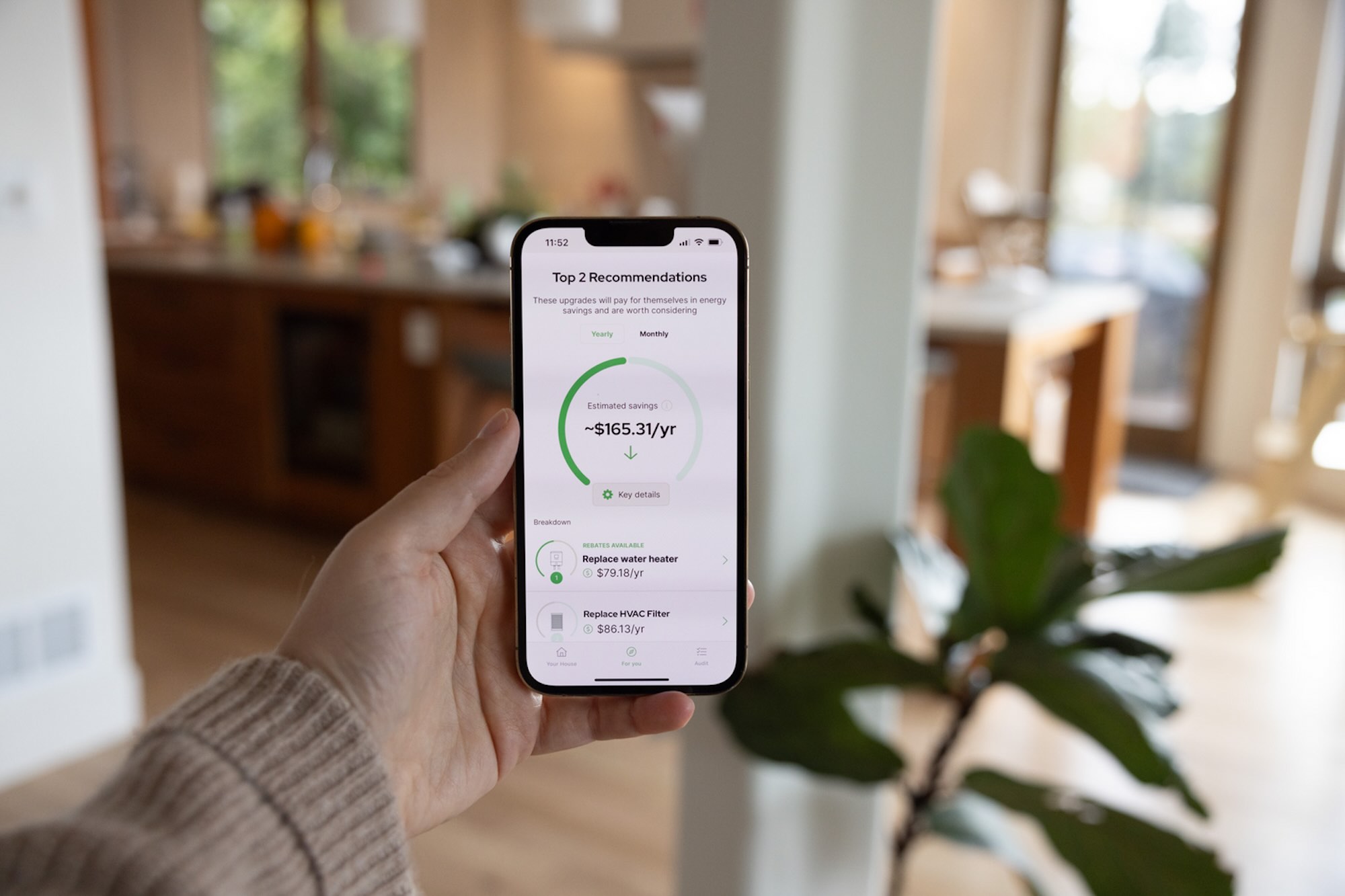
In an era increasingly defined by climate consciousness and volatile energy prices, a new venture is poised to empower homeowners to take direct control over their utility consumption and environmental footprint. HomeBoost, a pioneering startup, is introducing a novel, do-it-yourself solution designed to demystify home energy assessments, making them accessible, affordable, and actionable for the average consumer. This initiative, unveiled at TechCrunch Disrupt 2025 in Boston, Massachusetts, on June 23, 2026, represents a significant stride in the burgeoning smart home and sustainability technology sectors.
The Genesis of HomeBoost: A Personal Spark
The inspiration behind HomeBoost traces back to a relatable domestic scene: a child’s earnest attempts to encourage energy conservation. Selina Tobaccowala, a seasoned entrepreneur with a notable track record in the tech industry, recounted how her daughter’s handwritten "turn off the lights" reminders, strategically placed around their home, sparked a profound realization. This simple act of youthful advocacy ignited Tobaccowala’s curiosity about broader, more impactful solutions to household energy waste. Having recently completed the sale of her previous startup, Gixo, to OpenFit, Tobaccowala found herself at a professional crossroads, seeking a new challenge that resonated with a deeper societal purpose. She recognized the nascent but growing public interest in sustainability and climate action, perceiving a gap between general awareness and practical, everyday solutions. "I saw the kids and thought, ‘Let me see if there’s something there on the sustainability and climate side,’" Tobaccowala shared with TechCrunch. She was convinced that effective energy conservation extended far beyond merely switching off lights, hinting at a more systemic approach.
From Idea to Innovation: Bridging the Information Gap
Tobaccowala’s journey into climate technology was not without its initial uncertainties. Lacking a direct background in climate science or hardware engineering, she leveraged her extensive expertise in data collection and analysis, honed during her tenure as President and CTO of SurveyMonkey. This strategic pivot involved extensive market research, meticulously surveying countless consumers to understand their pain points and aspirations regarding home energy management. What consistently emerged from these interactions was a pervasive sense of frustration and helplessness among homeowners. Many recounted receiving utility company emails highlighting their higher-than-average energy consumption compared to neighbors, yet felt completely "stuck with what to do about it." This feedback illuminated a critical need: consumers desired actionable insights, not just alarming statistics. This realization formed the bedrock of HomeBoost’s mission: to equip individuals with the tools and knowledge necessary to perform their own comprehensive home energy assessments and implement meaningful changes. The company’s participation in the prestigious Startup Battlefield 200 at TechCrunch Disrupt 2025 underscored its innovative potential and readiness to tackle a significant market need.
Democratizing the Home Energy Audit
Historically, a professional home energy audit has been an expensive and often intimidating proposition. Traditional audits typically involve a certified expert spending hours meticulously examining a property, using specialized equipment to pinpoint inefficiencies. While invaluable, these services can cost several hundred dollars and may come with the perceived pressure of upselling expensive upgrades, such as new HVAC systems. Tobaccowala highlighted this consumer skepticism, noting that many people who had undergone professional assessments felt the primary outcome was an attempt to push costly equipment. HomeBoost aims to disrupt this model by offering a significantly more affordable and user-centric alternative. The company’s approach drastically reduces the financial barrier, charging customers a mere $99 for its comprehensive service—approximately one-quarter of the typical cost of an in-person assessment. This cost-effectiveness, coupled with the empowerment of a DIY process, positions HomeBoost as a democratizing force in the home energy efficiency market.
The BoostBox: A Toolkit for Empowered Homeowners
At the core of HomeBoost’s offering is the "BoostBox," a thoughtfully curated kit designed to simplify the complex process of a home energy assessment. This kit is mailed directly to customers and contains an infrared camera, a blacklight, and instructions for downloading the accompanying mobile application. The app guides users through a step-by-step process, transforming what was once a specialized task into an intuitive, interactive experience. As homeowners navigate their living spaces, the infrared camera becomes a powerful diagnostic tool, visually revealing areas where hot or cold air is infiltrating or escaping the home—common culprits for increased energy consumption. Simultaneously, the blacklight helps identify older, less efficient lighting fixtures that could be upgraded to more energy-efficient LED alternatives.
Upon completion of the guided scan, the HomeBoost app automatically processes the collected data, generating a personalized, detailed report. This report not only highlights specific areas of inefficiency but also provides tailored recommendations for the most cost-effective upgrades. Crucially, the app integrates with local and regional databases to identify eligible rebates and incentives based on the user’s geographical location. This feature is particularly valuable, as navigating the complex landscape of energy efficiency rebates can often be a deterrent for homeowners considering upgrades. By streamlining this process, HomeBoost helps users maximize their potential savings and make informed decisions.
Beyond DIY: Partnering for Broader Impact
While HomeBoost’s DIY model offers unprecedented accessibility, the company recognizes that not all homeowners are comfortable or willing to conduct their own assessments. Furthermore, some situations may benefit from the nuanced expertise of a seasoned professional. To address this, HomeBoost has developed a specialized version of its app for energy auditors, enabling them to leverage the platform’s advanced diagnostic capabilities to serve more customers efficiently. This professional-grade tool allows auditors to streamline their data collection and report generation, potentially expanding their reach and reducing their operational costs.
Beyond individual homeowners and auditors, HomeBoost is strategically forging partnerships with utility companies across the nation. Utilities, driven by regulatory mandates and a desire to manage grid demand, are often incentivized to reduce end-user energy consumption. This alignment of interests creates a fertile ground for collaboration. HomeBoost has already secured agreements with prominent utilities such as Central Hudson, Omaha Public Power District, and Avista. These partnerships often involve subsidies that significantly reduce or even eliminate the cost for consumers. For instance, Omaha Power covers all but $19 of the BoostBox cost, while Central Hudson offers a unique program where homeowners can check out a BoostBox from a public library, receiving the service entirely free of charge. These collaborations underscore a broader trend of utilities evolving from mere energy providers to active facilitators of energy efficiency.
Looking ahead, HomeBoost is also testing a feature designed to connect homeowners directly with qualified contractors who can implement the recommended upgrades. This initiative offers a dual benefit: it provides a valuable source of pre-qualified leads for contractors, who can access project details before even stepping foot on a property, and it offers homeowners a trusted pathway to completing their energy-saving projects. This holistic approach, integrating assessment, recommendation, and implementation, aims to create a seamless journey towards a more energy-efficient home.
Market Dynamics and the Future of Home Efficiency
The market for home energy efficiency solutions is experiencing significant tailwinds. Escalating energy prices, driven by geopolitical factors and increasing demand, make cost savings a primary motivator for many households. Simultaneously, a heightened global awareness of climate change is prompting consumers and policymakers alike to seek sustainable solutions. Government initiatives, such as the Inflation Reduction Act in the United States, further stimulate this market by offering substantial tax credits and rebates for energy-efficient home improvements, ranging from insulation to heat pumps.
HomeBoost enters this landscape at a critical juncture, positioning itself as a bridge between consumer desire for savings and the complex reality of energy efficiency upgrades. Its model leverages the growing comfort with DIY solutions and digital platforms, aligning with broader cultural shifts towards personal empowerment and data-driven decision-making. By making sophisticated diagnostic tools accessible, HomeBoost not only helps individual households save money but also contributes to larger societal goals of reducing carbon emissions and mitigating climate change. The collective impact of numerous homes adopting energy-saving measures can significantly reduce strain on national power grids and decrease reliance on fossil fuels.
Challenges and Opportunities Ahead
While HomeBoost presents a compelling value proposition, its journey will undoubtedly involve navigating various challenges. Ensuring the accuracy and reliability of DIY assessments compared to professional audits remains a critical factor. User comfort with technology, particularly for less tech-savvy demographics, will also influence adoption rates. Moreover, scaling operations across diverse utility service areas, each with its own unique incentive programs and regulations, will require sophisticated logistical and technical integration. The success of the contractor referral program will hinge on maintaining a high standard of quality and trustworthiness among referred professionals.
However, the opportunities for HomeBoost are equally substantial. The company could explore deeper integrations with existing smart home ecosystems, such as smart thermostats and energy monitoring devices, to provide even more granular and real-time insights. Data aggregation, conducted anonymously and responsibly, could also offer invaluable insights into regional energy consumption patterns, informing policy decisions and utility programs. Ultimately, by aligning the interests of consumers, utility providers, and contractors, HomeBoost aims to foster a virtuous cycle where financial savings and environmental stewardship reinforce each other. As Selina Tobaccowala aptly summarized, "It’s a very unique situation where everybody’s aligned to actually lower the utility bill, which in the net result is improvement on the climate." This synergistic vision positions HomeBoost not just as a tool for personal savings, but as a catalyst for a more sustainable future.