Amir Mahmud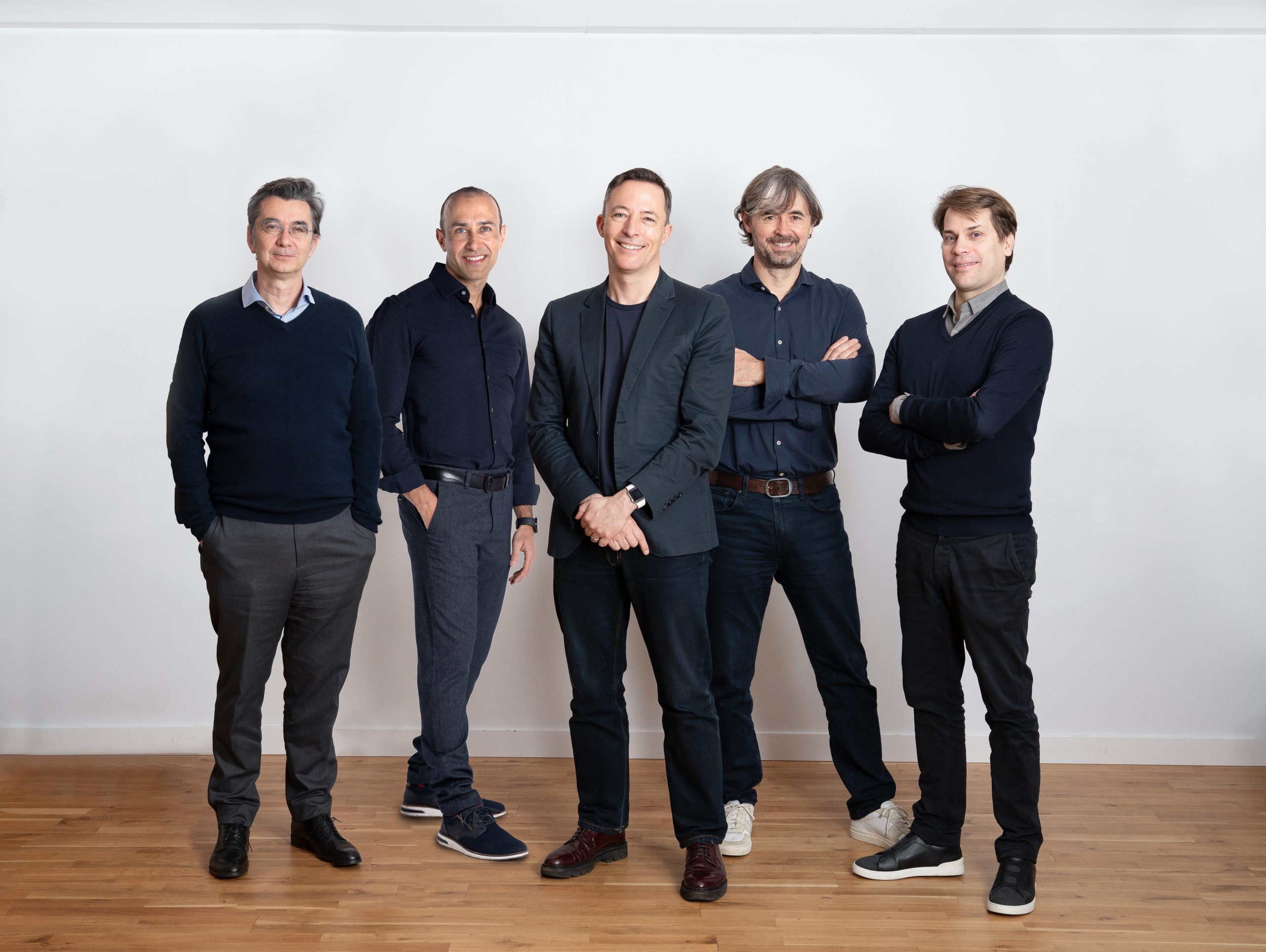
In a significant move for European innovation, Mundi Ventures, a Spain-based venture capital firm, has announced the first close of Kembara Fund I, securing €750 million. This landmark achievement for the firm’s fifth and largest fund to date is specifically earmarked for advanced deep technology and climate solutions, aiming to address a persistent challenge in the European startup ecosystem: the struggle for promising early-stage ventures to secure sufficient growth capital at Series B and C stages.
The European startup landscape has long been celebrated for its robust foundational research and a burgeoning number of early-stage climate and deep tech companies. However, a recurring issue highlighted in recent reports indicates that many of these ventures falter during crucial growth phases, often failing to secure the substantial follow-on funding necessary to scale into global powerhouses. Kembara Fund I is strategically positioned to fill this critical gap, providing the financial runway and strategic support required for these companies to transition from innovative concepts to market leaders.
The Funding Imperative for European Champions
The initial €750 million for Kembara Fund I represents a substantial commitment in the current venture capital climate, which has seen fluctuating investment trends globally. This first close was significantly bolstered by a €350 million commitment from the European Investment Fund (EIF) under the ambitious European Tech Champions Initiative (ETCI) in 2024. The ETCI, a collaborative effort involving several European nations and the EIF, was specifically designed to foster the growth of large-scale tech companies within the continent, reducing reliance on external capital and nurturing homegrown innovation.
Regulatory filings in Spain suggest that Kembara’s final closing could potentially extend to €1.25 billion, underscoring the fund’s expansive ambitions. Achieving the €750 million first close within two years, particularly for a debut fund of this magnitude and in a competitive market, was acknowledged by Yann de Vries, Kembara co-founder and general partner, as a formidable undertaking. This success reflects a growing recognition among institutional investors of the urgent need for dedicated growth capital within Europe to cultivate its vast pool of university spinouts into commercially viable and globally competitive enterprises.
A Confluence of Expertise: The Kembara Leadership
Kembara Fund I operates under the stewardship of a specialized team within Mundi Ventures, maintaining offices across key European innovation hubs including Madrid, London, Barcelona, and Paris. The leadership roster combines extensive experience in venture capital, deep technology, and climate sectors. Javier Santiso, founder of Mundi Ventures, also serves as a co-founder and General Partner of the Kembara fund.
He is joined by a formidable team: Yann de Vries, known for his roles at Redpoint eVentures Brazil and Atomico, and whose recent operational experience profoundly shaped the fund’s thesis; Robert Trezona, a seasoned climate tech VC; and Pierre Festal, an expert in deep tech venture capital, both appointed as General Partners. Additionally, Siraj Khaliq, a former partner at Atomico, contributes as a senior strategic advisor. This collective expertise is not only pivotal for rigorous due diligence but also for providing invaluable operational guidance to portfolio companies navigating the complex journey of scaling deep tech solutions.
Learning from the Scale-Up Crucible: The Lilium Experience
Yann de Vries’s journey provides a poignant illustration of the challenges European deep tech companies face. Having transitioned from venture capital to an operational role at Lilium, a German electric aircraft startup, de Vries witnessed firsthand the immense capital requirements and the precarious path to commercialization for ambitious deep tech ventures. Despite raising over $1 billion and going public via a SPAC, Lilium ultimately ceased operations in 2024.
This "traumatizing experience," as de Vries described it, crystallized a critical insight: Europe possesses abundant innovation and a vibrant startup ecosystem, but it grapples with a fundamental "scale-up problem." Many groundbreaking ideas and talented teams struggle to access the later-stage growth capital necessary to transition from research and development to full-scale manufacturing, market penetration, and global expansion. This realization directly informed Kembara’s strategic focus, emphasizing the provision of substantial capital at the crucial Series B and C stages.
Kembara’s Strategic Investment Thesis
Kembara’s investment strategy is designed to directly address the identified funding gap. The fund intends to write initial checks ranging from €15 million to €40 million into approximately 20 companies. Crucially, its considerable size allows for substantial follow-on investments, potentially committing up to €100 million per company. This capacity for significant, sustained investment is vital for deep tech and climate ventures, which often require extensive capital for R&D, specialized infrastructure, manufacturing facilities, and prolonged market development cycles.
Historically, many European venture funds have operated with more modest capital pools, limiting their ability to support companies through multiple, large funding rounds. While this landscape is evolving, with firms like Elaia and Lazard teaming up to form LEC (Lazard Elaia Capital) and operator-led fund Plural reportedly raising a new fund of up to €1 billion, Kembara’s commitment to large-scale follow-ons signifies a new paradigm for European growth capital. The fund’s ability to inject up to €100 million into a single entity places it among the most potent forces for deep tech scale-up on the continent.
Pioneering a Hybrid Financing Model
A key differentiator for Kembara, born from the lessons learned at Lilium, is its innovative approach to financing beyond traditional equity. De Vries emphasized that relying solely on dilutive equity financing can place undue pressure on deep tech companies, leading to excessive founder dilution and potentially hindering long-term strategic flexibility.
To counteract this, Kembara aims to "productize non-dilutive financing." This involves offering a blend of equity and other financial instruments, such as venture debt, alongside equity investments. Furthermore, the fund is actively engaging its limited partners (LPs) not just as passive investors in the fund, but also as potential co-investors in high-potential portfolio companies. This hybrid model is designed to optimize capital structures, minimize dilution for founders, and de-risk future financing rounds, providing a more robust and founder-friendly path to scale. This approach acknowledges the capital-intensive nature of deep tech, where traditional equity models alone may not suffice to build the next generation of industrial giants.
Geopolitical Undercurrents and European Sovereignty
The strategic importance of Kembara’s mission extends beyond mere financial returns; it is deeply intertwined with broader geopolitical considerations. There is a palpable drive among European sovereign wealth funds, governments, and corporations to cultivate indigenous deep tech champions. This push is fueled by a desire to enhance European economic resilience, secure critical supply chains, and reduce technological dependencies on other global powers.
Kembara’s sector focus explicitly includes "dual-use and defense tech" to "protect European sovereignty," as stated in a press release. This reflects a continent-wide recognition of the strategic value of technologies like quantum computing, advanced semiconductors, and space tech, which are critical for national security and economic competitiveness. The fund’s emphasis aligns with European initiatives aimed at fostering self-sufficiency in key technological areas, especially in the wake of global supply chain disruptions and escalating geopolitical tensions.
De Vries clarified that Kembara is not merely substituting capital that might otherwise have been raised from abroad. Instead, the fund aims to uncover "gems that are under the radar in Europe" – innovative companies that, despite their potential, have historically lacked the necessary growth capital to fully realize their ambitions and become global leaders. He cited DeepMind as a cautionary example, a European AI pioneer acquired by Google for over $500 million in 2014, which is now estimated to be worth billions. The narrative suggests that with adequate domestic growth capital, such companies could remain European, retaining their intellectual property and economic benefits within the continent.
Global Ambitions and a Path to Excellence
The name "Kembara" itself, meaning "to wander" in Malaysian, subtly hints at the fund’s global aspirations, though the team also associates it with "the humble path to excellence." This global perspective is not merely symbolic; it is deeply embedded in the fund’s strategy. Javier Santiso’s past role as CEO for Europe of Malaysian sovereign wealth fund Khazanah provides a concrete link to international capital and market access.
As Kembara moves towards its second close, the focus will broaden to attract global investors. This strategic choice is driven by the desire to not only secure additional capital but also to gain "global access to markets" and "global access to supply chain" for its portfolio companies. In an increasingly interconnected world, fostering European champions requires a global outlook, enabling them to compete and collaborate on an international stage while firmly rooted in European innovation.
The launch of Kembara Fund I marks a pivotal moment for Europe’s deep tech and climate sectors. By providing substantial, patient capital and adopting an innovative hybrid financing model, Mundi Ventures and its partners are poised to play a crucial role in transforming Europe’s scientific prowess into a new generation of industrial and technological leaders. This initiative reflects a growing maturity in the European venture capital landscape and a determined effort to build a more resilient, technologically sovereign, and sustainable future for the continent.