Amir Mahmud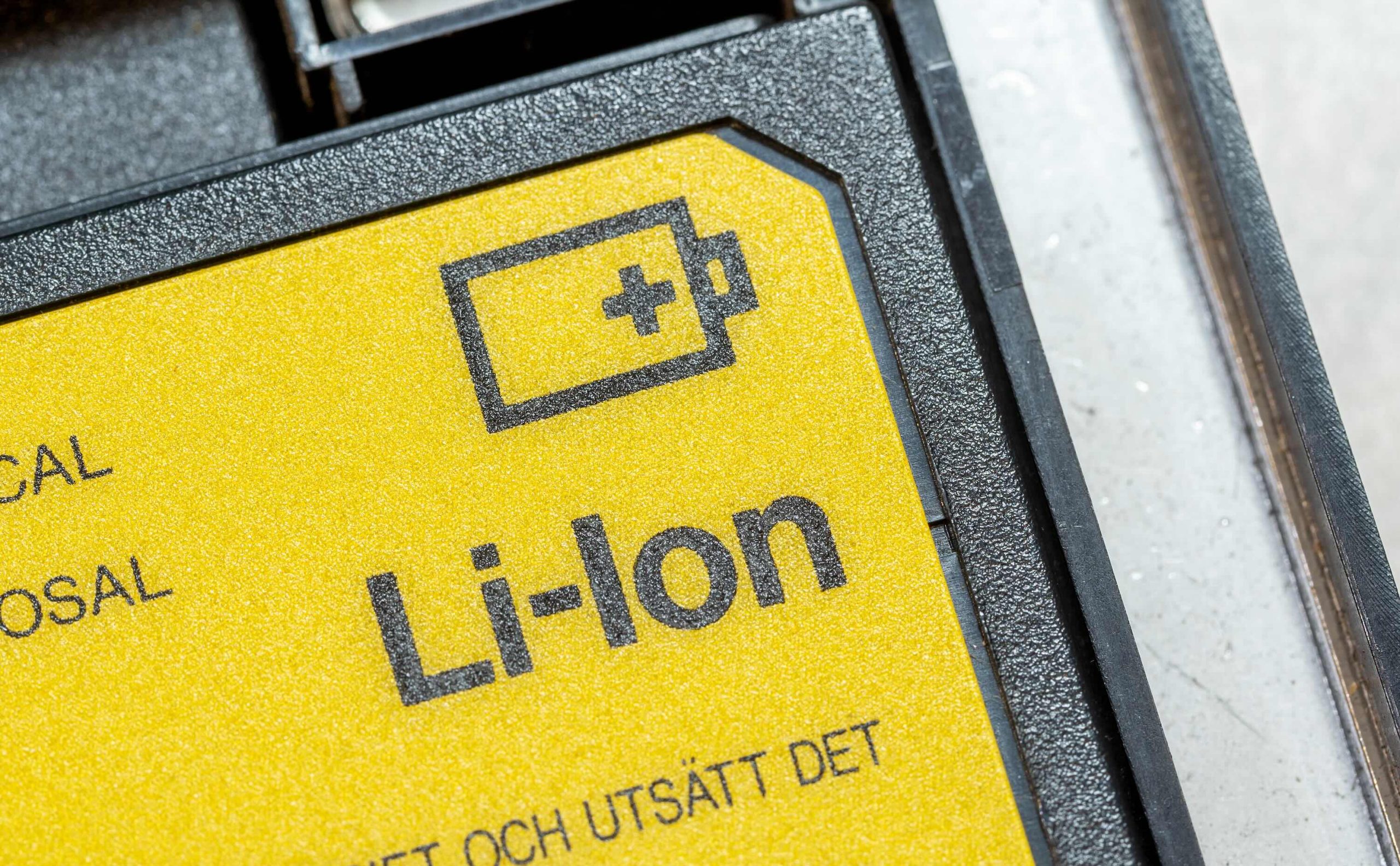
The Trump administration has unveiled an ambitious plan to establish an $11.7 billion strategic stockpile of critical minerals, dubbed "Project Vault," signaling a profound shift in American industrial policy and an implicit acknowledgment of the global transition towards electric technologies. This substantial investment is designed to fortify the nation’s supply chains, shielding U.S. manufacturers and workers from potential shortages of materials essential for modern economies. The initiative comes at a pivotal moment, as geopolitical tensions and accelerating technological advancements underscore the strategic importance of these often-overlooked elements.
The Geopolitical Imperative: Securing Supply Chains
At its core, Project Vault represents a strategic response to the vulnerabilities exposed by an increasingly interdependent global economy, particularly concerning critical raw materials. For years, China has held a dominant position in the mining, processing, and refining of many critical minerals, including rare earth elements and lithium. This leverage became acutely apparent during recent trade disputes when Beijing explored restricting exports of these vital materials to the United States. While China ultimately relented, the episode served as a stark reminder of the potential for resource weaponization in international relations.
The administration’s move follows prior efforts to bolster domestic rare earth production, including significant equity investments in companies like USA Rare Earth and MP Materials. These earlier actions, which might have initially been perceived as isolated measures to stabilize markets impacted by trade tariffs, now appear as foundational steps within a broader, coordinated strategy. Collectively, these initiatives paint a clear picture of a nation striving to mitigate its reliance on external, potentially hostile, suppliers for the building blocks of its future economy and national security.
Echoes of History: From Oil to Minerals
The conceptual framework for Project Vault draws parallels to the Strategic Petroleum Reserve (SPR), a massive emergency fuel stockpile maintained by the U.S. Department of Energy. The SPR was established in the aftermath of the 1973 oil embargo, a period that highlighted the profound economic and national security risks associated with dependence on foreign oil supplies. For decades, the SPR served as a crucial buffer against global energy shocks, ensuring a stable supply of crude oil for the nation.
However, the energy landscape has evolved dramatically. Domestic oil production has surged, and renewable energy sources like solar and wind, coupled with advancements in battery storage, are capturing an ever-larger share of the energy market. Consequently, the SPR, while still a vital asset, no longer commands the singular importance it once did. The shift in focus from petroleum to critical minerals, as articulated by President Trump, underscores a fundamental re-evaluation of what constitutes "strategic" resources in the 21st century. "Just as we have long had a strategic petroleum reserve and a stockpile of critical minerals for national defense, we’re now creating this reserve for American industry, so we don’t have any problems," Trump stated, emphasizing the economic dimension of this new reserve. This historical context reveals a continuity in strategic thinking: identifying core vulnerabilities and establishing national reserves to safeguard against them, albeit with a modern twist reflecting current technological and geopolitical realities.
The Indispensable Elements: What Makes Minerals Critical?
Critical minerals are not merely industrial commodities; they are the fundamental inputs for a vast array of high-tech and defense applications, deemed "critical" due to their essential function in modern technology and the significant risk of supply disruption. While often scarce in economically viable concentrations, their importance far outweighs their physical abundance. The new reserve is expected to include minerals such as gallium and cobalt, with speculation that others like copper and nickel might also be incorporated, given their widespread use.
Beyond these, the list of critical minerals extends to lithium, graphite, manganese, and various rare earth elements like neodymium and praseodymium. These materials are indispensable across diverse sectors:
- Electronics: Found in smartphones, computers, fiber optics, and data centers.
- Defense: Essential for advanced weaponry, guidance systems, and aerospace components.
- Medical: Used in MRI machines, pacemakers, and various diagnostic tools.
- Automotive: Crucial for catalytic converters and lightweight alloys.
- Renewable Energy: Core components of solar panels, wind turbines, and energy storage systems.
The concentration of mining and processing for many of these minerals in a limited number of countries, particularly China, creates a choke point in global supply chains. This geographical concentration, coupled with increasing demand, elevates their strategic value and necessitates proactive measures like Project Vault to ensure a resilient and diversified supply.
Fueling the Green Transition: Demand Drivers
The timing and scale of Project Vault implicitly acknowledge a broader, undeniable trend: the accelerating global pivot towards electric and renewable energy technologies. Despite the Trump administration’s vocal preference for fossil fuels, the market forces driving demand for critical minerals are undeniable and relentless. The International Energy Agency (IEA) projects that more than half of the global growth in demand for rare earth elements will come from electric vehicles (EVs) and wind turbines. For cobalt and lithium, the figures are even more pronounced, with EVs anticipated to account for the vast majority of demand growth through 2050.
This burgeoning demand stems from several key drivers:
- Electric Vehicles (EVs): Lithium-ion batteries, which power the majority of EVs, rely heavily on lithium, cobalt, nickel, and graphite. The rapid adoption of EVs worldwide, with over 25% of new cars sold globally being electric or plug-in hybrids, creates an unprecedented demand for these battery components.
- Renewable Energy Generation: Wind turbines utilize rare earth magnets (neodymium and praseodymium) for their powerful and efficient generators. Solar panels, while less mineral-intensive, still require specific materials in their construction.
- Energy Storage: Large-scale battery storage solutions, essential for grid stability and integrating intermittent renewable energy, mirror the mineral demands of EV batteries.
- Advanced Electronics and Data Centers: The digital transformation continues unabated, driving demand for a variety of critical minerals in microprocessors, sensors, and the infrastructure supporting cloud computing.
Even if a particular administration expresses skepticism towards climate-focused policies, the global market’s movement towards clean energy technologies and electric mobility is a powerful, self-sustaining phenomenon. The establishment of Project Vault suggests an understanding that ignoring these market realities is no longer a viable option for a major industrial power.
A Multibillion-Dollar Bet: Project Vault’s Scale and Ambition
The financial commitment behind Project Vault is striking. The U.S. Export-Import Bank is slated to provide a $10 billion loan, with private capital expected to contribute the remaining funds, bringing the total investment to $11.7 billion. This sum is approximately half the current value of the oil held in the Strategic Petroleum Reserve. What makes this comparison particularly noteworthy, as Bloomberg columnist David Fickling pointed out, is that this investment is directed at a critical minerals market currently only 1% the size of the global oil market.
This seemingly disproportionate investment can be interpreted in two ways. On one hand, it could be seen as an example of characteristic "Trump bluster"—a grand, headline-grabbing gesture. On the other, and arguably more likely, it represents a profound, forward-looking acknowledgment that the market for critical minerals is poised for exponential growth in the coming decades. The administration is essentially making a massive, long-term bet on the future trajectory of global industry and energy, anticipating a dramatic surge in demand that will necessitate robust domestic and allied supply chains. This strategic foresight suggests a recognition that securing these resources now, even at a high upfront cost, is vital for future economic competitiveness and national security.
Navigating the Path Forward: Challenges and Opportunities
While Project Vault marks a significant step, its successful implementation will involve navigating a complex landscape of challenges and opportunities.
- Domestic Mining and Processing: Encouraging domestic mining requires addressing stringent environmental regulations, high labor costs, and often lengthy permitting processes. Furthermore, establishing advanced processing and refining capabilities—areas where China currently excels—is crucial. The U.S. currently has limited capacity for many critical minerals, creating a bottleneck even if raw materials are sourced.
- Environmental and Social Concerns: The extraction and processing of critical minerals can have significant environmental impacts, including habitat destruction, water pollution, and generation of toxic waste. Ensuring ethical sourcing and environmentally responsible practices, both domestically and from international partners, will be paramount. The social license to operate for new mines is increasingly scrutinized by local communities and environmental groups.
- Technological Innovation: Investing in research and development for alternative materials, recycling technologies, and more efficient extraction methods can reduce future reliance on primary mining and mitigate environmental footprints.
- International Partnerships: Diversifying supply chains extends beyond domestic production to forging strong alliances with other resource-rich nations and like-minded partners to create resilient, multi-source networks, reducing vulnerability to single points of failure.
- Market Volatility: The rapid growth in demand and the strategic nature of these minerals can lead to price volatility. The reserve will need to be managed carefully to avoid inadvertently disrupting global markets or creating gluts that disincentivize new production.
Project Vault, therefore, is more than just a financial investment; it is a declaration of intent, signaling a comprehensive approach to securing the nation’s economic and technological future. It forces a conversation about industrial policy, environmental stewardship, and geopolitical strategy in an era defined by resource competition and an irreversible shift towards a more electrified world. The long-term success of this initiative will hinge on its ability to overcome these multifaceted challenges and foster a resilient, sustainable, and independent supply chain for the critical minerals that underpin modern life.